title: Japanese Amino Acid Cleansers: pH Balanced Gentle Guide slug: japanese-amino-acid-foam-cleanser-ph-balanced category: cleansing category_label: Cleansing published_at: '2026-11-23' updated_at: '2026-11-23' meta_description: Discover Japanese amino acid foam cleansers. Learn weak-acid pH balance science, mild surfactant chemistry, and non-stripping daily face washing rituals. description: Discover Japanese amino acid foam cleansers. Learn weak-acid pH balance science, mild surfactant chemistry, and non-stripping daily face washing rituals. hero_image: /images/stock/enzyme-powder-cleansing-foam-texture.webp hero_image_alt: Dense micro-foam lather of Japanese amino acid facial cleanser for gentle washing thumbnail: /images/stock/enzyme-powder-cleansing-foam-texture.webp thumbnail_alt: Dense micro-foam lather of Japanese amino acid facial cleanser for gentle washing reading_time: 6 author: Editorial Team publish: true
Japanese Amino Acid Cleansers: pH Balanced Gentle Guide
Quick answer
Japanese amino acid foam cleansers use gentle acyl amino acid surfactants (such as sodium cocoyl glutamate or sodium lauroyl methylaminopropionate) formulated at a skin-friendly, weakly acidic pH (approx. 5.0 to 6.0). Unlike traditional alkaline soap bars that strip intercellular lipids, amino acid cleansers selectively wash away excess sebum and dust while leaving essential stratum corneum ceramides intact.
In the landscape of Japanese skincare, gentle face washing is considered an indispensable pillar of healthy barrier function. While Western markets historically favored foaming cleansers with high-foaming sulfates or astringent clarifying gels, Japanese laboratories pioneered the formulation of amino acid-based cleansers (amino-san-kei senryo).
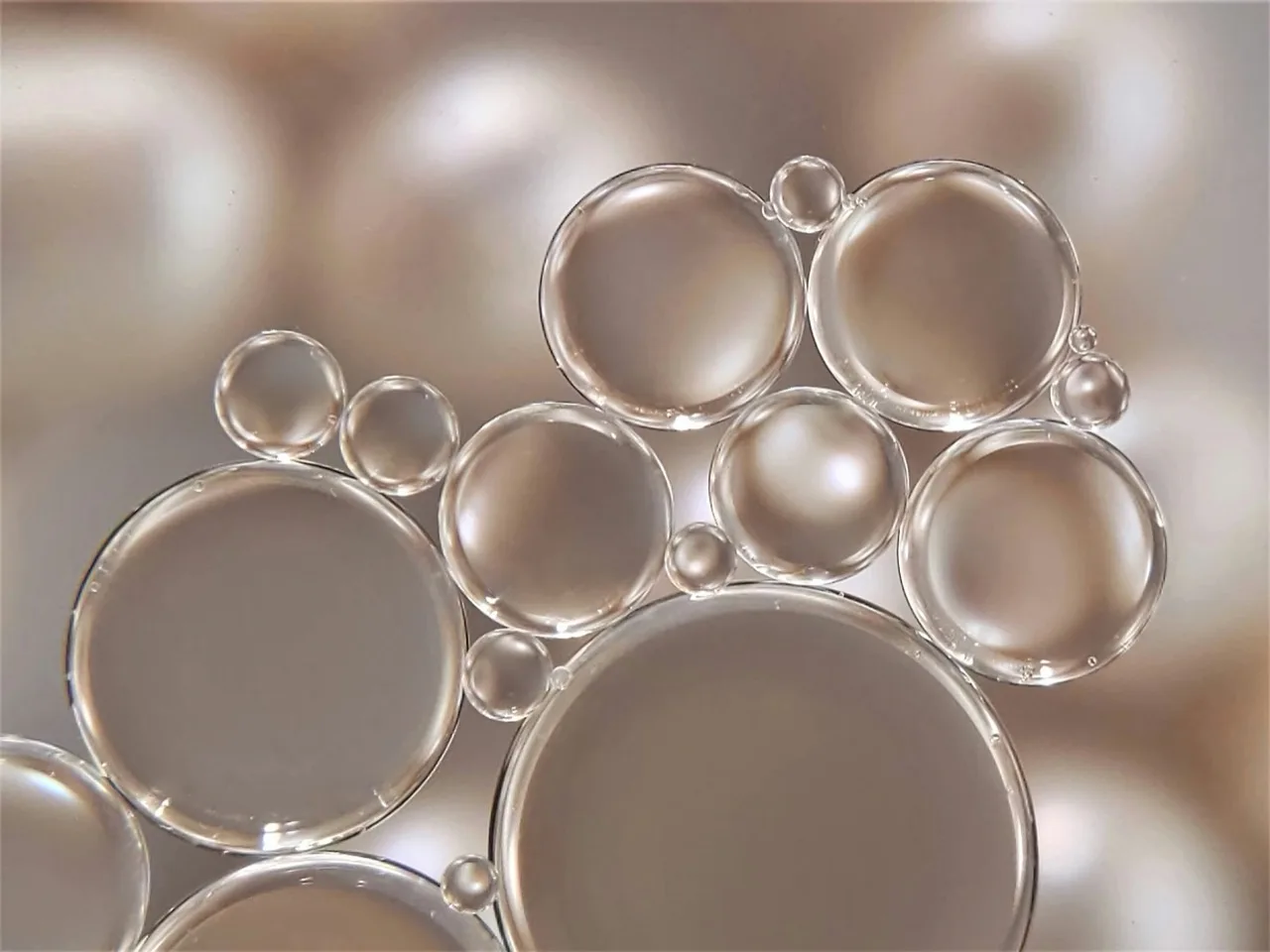
Engineered to match the natural acidic mantle of human skin, these cleansers create a dense, micro-bubble cushion without the squeaky, stripped tightness associated with conventional alkaline soap bars. But what makes amino acid surfactants distinct from traditional fatty acid soaps, and how do they protect delicate stratum corneum lipids? Here is an in-depth scientific guide to Japanese pH-balanced amino acid facial cleansing.
Surfactant Science: How Amino Acid Cleansers Work
Surfactants are amphiphilic molecules featuring a water-attracting (hydrophilic) head and an oil-attracting (lipophilic) tail. In facial cleansers, surfactants lift sebum and grime into rinseable micelles.
In amino acid cleansers, the hydrophilic head is synthesized directly from natural amino acids—such as glutamic acid, glycine, alanine, or sarcosine—bonded to fatty acid chains derived from coconut or palm oil.
Common amino acid surfactants on Japanese ingredient labels include:
- Sodium Cocoyl Glutamate: An exceptionally mild surfactant derived from glutamic acid that generates creamy, moisture-rich foam.
- Potassium Cocoyl Glycinate: Derived from glycine, producing a crisp, springy lather with excellent rinseability.
- Sodium Lauroyl Methylaminopropionate (Alaninate / Sarcosinate derivatives): Delivers moderate foaming power while maintaining a strictly non-stripping finish.
Because these surfactant heads mimic the natural protein structure of keratin in epidermal cells, they exhibit low binding affinity to healthy stratum corneum proteins. Consequently, they rinse cleanly without causing protein denaturation or drying out natural moisturizing factors (NMF).
The Critical Role of pH Balance: Weakly Acidic vs Alkaline Soap
Healthy human skin maintains an acidic surface barrier—known as the acid mantle—typically resting between pH 4.5 and 5.5. This mild acidity keeps protective resident microflora balanced and supports enzymes responsible for lipid synthesis.
1. Traditional Alkaline Soaps (pH 9.0 to 10.5)
Traditional Japanese soap bars (sekken) are made by saponifying natural fatty acids with potassium hydroxide or sodium hydroxide. They generate voluminous, luxurious foam and deliver a crisp, squeaky-clean sensation (sappari). However, their high alkaline pH temporarily disrupts the skin's acidic surface, requiring several hours for the acid mantle to reset. In dry or compromised skin, this alkaline shift can compromise lipid bilayer organization.
2. Amino Acid Foam Cleansers (pH 5.0 to 6.5)
Amino acid surfactants remain structurally stable in mildly acidic environments (jakusansei). When formulated between pH 5.0 and 6.0, they cleanse in harmony with natural cutaneous acidity. They selectively emulsify oxidized surface triglycerides without extracting intercellular ceramides or cholesterol.
Scroll horizontally to view full table
| Formulation Factor | Traditional Alkaline Soap Cleanser | Japanese Amino Acid Cleanser |
|---|---|---|
| Surfactant Base | Fatty acid salts (Laurate, Myristate, Palmitate) | Acyl amino acid salts (Glutamate, Glycinate, Alaninate) |
| Typical pH Level | Alkaline (pH 9.0 – 10.5) | Weakly Acidic to Neutral (pH 5.0 – 6.5) |
| Ceramide Preservation | Higher risk of stripping intercellular lipids | High preservation of stratum corneum lipids |
| Post-Wash Sensation | Crisp, squeaky clean (*sappari*) | Soft, supple, zero post-wash tightness (*shittori*) |
| Ideal Skin Profiles | Extremely oily skin, humid summer weather | Sensitive, dry, mature, barrier-compromised skin |