Japanese Clay Face Wash: Pore Sebum Absorption Guide
CleansingBy Seibun Lab Editorial Team
title: Japanese Clay Face Wash: Pore Sebum Absorption Guide
slug: japanese-clay-face-wash-sebum-absorption
category: cleansing
category_label: Cleansing
published_at: '2026-11-23'
updated_at: '2026-11-23'
meta_description: Discover Japanese clay face wash. Learn Okinawa kucha, Tanakura clay science, pore sebum absorption mechanisms, and non-drying lathering techniques.
description: Discover Japanese clay face wash. Learn Okinawa kucha, Tanakura clay science, pore sebum absorption mechanisms, and non-drying lathering techniques.
hero_image: /images/stock/clay-charcoal-mineral-ingredients.webp
hero_image_alt: Japanese mineral clay face wash ingredients for deep pore sebum absorption
thumbnail: /images/stock/clay-charcoal-mineral-ingredients.webp
thumbnail_alt: Japanese mineral clay face wash ingredients for deep pore sebum absorption
reading_time: 6
author: Editorial Team
publish: true
Japanese Clay Face Wash: Pore Sebum Absorption Guide
Quick answer
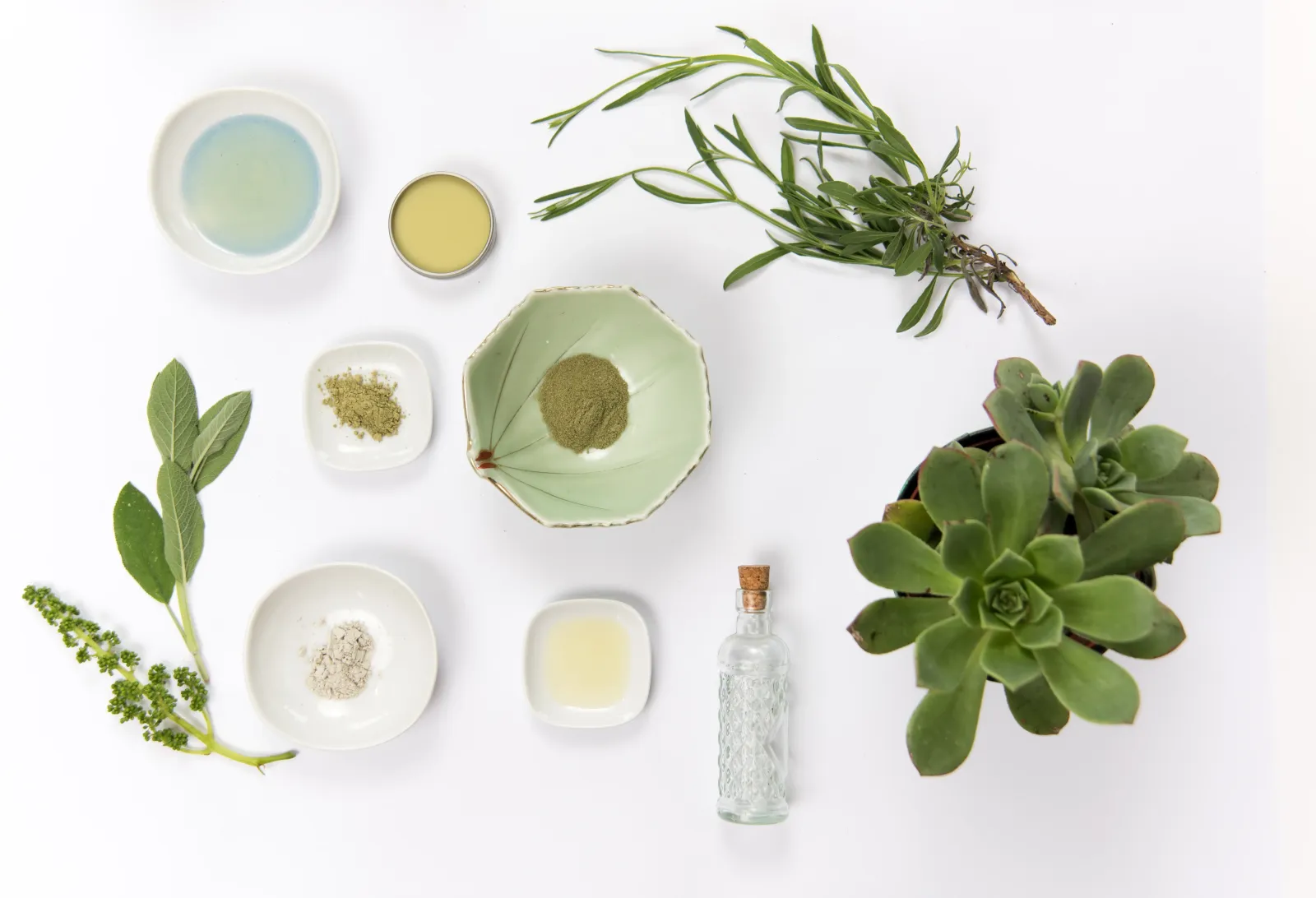
Japanese clay face washes incorporate micro-milled domestic clays—such as Okinawa marine silt (kucha) and Tanakura clay—engineered with strong negative ionic surface charges. These mineral lattices attract and trap positively charged oxidized sebum, keratin plugs, and microscopic pollution particles within pore crevices. When formulated into dense foaming pastes, they clarify oily zones without stripping the skin's essential lipid barrier.
Persistent shine across the T-zone and congested, dark follicular plugs are among the most widespread concerns in daily skincare. While traditional European mud masks often dry down into cracked, rigid pastes that feel uncomfortably parched, Japanese cosmetic formulators approach mineral clay from a different perspective: integrating micro-fine clays directly into dense, hydrating foaming cleansers.
Known in Japanese as dorokankyo or kurei senryo, these cleansers harness mineral deposits formed over millions of years along the Japanese archipelago. By exploiting electrical charge attraction and porous surface chemistry, clay-infused cleansers absorb sebum effortlessly while preserving stratum corneum moisture. Here is a scientific guide to Japanese clay cleansing, the unique properties of regional mud minerals, and how to clarify pores without causing post-wash tightness.
The Physics of Sebum Absorption: Negative Charge Chemistry
The cleansing action of mineral clays is driven by physical adsorption rather than harsh chemical dissolution:
Negative Ionic Surface Charge: Natural clay minerals possess an inherent negative electrical charge along their crystalline silicate sheets. Conversely, oxidized sebum triglycerides, airborne particulate grime, and environmental contaminants typically carry a weak positive charge. The clay particles attract and bond to these impurities through electrostatic pull.
Sub-Micron Particle Size: Indigenous Japanese clays—particularly Okinawa marine silt—feature ultrafine particles averaging just a few micrometers (smaller than the opening of a human sebaceous pore). This allows the foam lather to glide into microscopic follicular indentations without mechanical scratching.
Porous Sponge Matrix: The internal crystal lattice of clay is packed with microscopic voids that draw in liquefied lipids through capillary pressure, lifting excess oil away from keratinized pore walls during rinsing.
Because this cleansing mechanism is physical rather than enzymatic or acidic, it clarifies congested pore openings without eroding the protective lipid bilayers between stratum corneum cells.
Regional Japanese Clays: Kucha, Tanakura, and Volcanic Ash
Japanese cosmetic chemistry utilizes several domestic geological deposits, each offering specific mineral profiles:
Scroll horizontally to view full table
Clay Type
Geological Origin
Mineral Character
Primary Skincare Benefit
Okinawa Marine Silt (Kucha)
Ancient seabed deposits lifted from the Ryukyu islands
Rich in marine minerals, calcium, magnesium, and mica
Micro-fine negative charge traps deep follicular sebum
Tanakura Clay
Prehistoric marine sedimentary layers in Fukushima
Contains over 60 marine trace minerals and humic acids
Conditioning pore cleanse that buffers against moisture loss
Shirasu Volcanic Ash
Volcanic caldera deposits from Kagoshima (Kyushu)
Natural porous silica micro-spheres
Gentle surface buffing to loosen stubborn keratin plugs
Moroccan Ghassoul
Atlas Mountains lava clay (widely formulated in Japan)
High magnesium and silica content
Velvety cushion lather for combination and dry-oily skin
Techniques to Prevent Post-Wash Dryness with Clay Wash
A common mistake with clay products is allowing them to dry out on the skin until stiff, which leaches essential moisture from surface epidermal cells. Japanese clay face washes are formulated as creamy pastes intended for wet lathering:
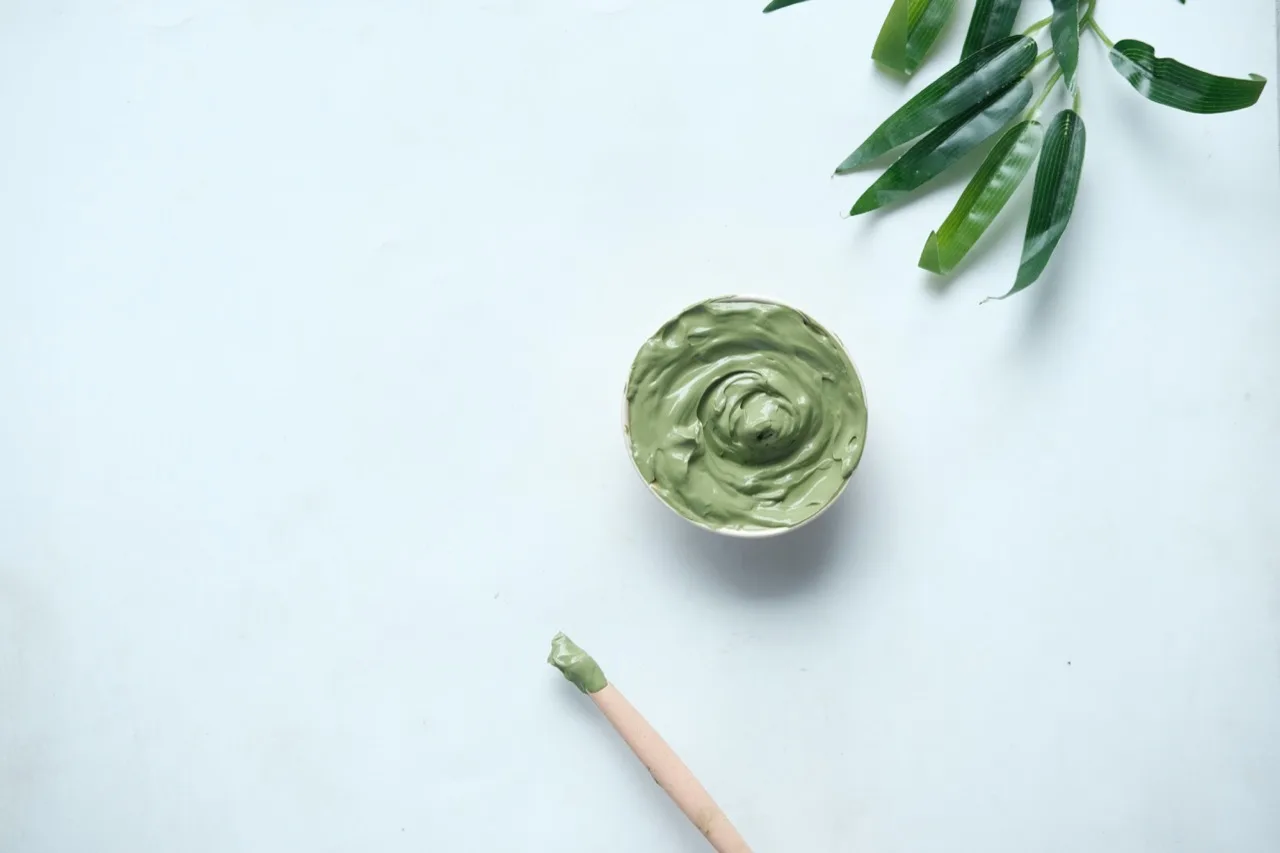
Whip into a Stiff Micro-Lather: Never apply raw, un-lathered clay paste directly to dry sensitive cheeks unless the product is specifically designated as a 2-in-1 pack. Add lukewarm water and whip vigorously between palms or with a foaming net until the paste expands into a dense, marshmallow-like gray or green foam cushion.
Apply to Oily Zones First: Place the rich lather onto the T-zone (forehead, nose, and chin) first. Gently roll the foam cushion using finger pads for 20 to 30 seconds.
Brief Cheek Contact: In the final 10 seconds, sweep the foam lightly across cheeks and jawline. Dry cheeks require minimal contact time with clay minerals.
Never Let Clay Dry Stiff: The clay absorbs oils within seconds of liquid contact. Rinse thoroughly before the lather begins to dry or tighten.
Rinse with Tepid Water: Use lukewarm water (around 32°C to 34°C) to ensure all mineral residue is carried away completely, leaving zero powdery film behind.
Signs to stop and when to see a doctor
While domestic Japanese clays are thoroughly purified to remove heavy metals and foreign grit, prolonged contact or individual sensitivities to formulation fragrances, botanical extracts, or chelating agents can occur. If you notice intense tightness, stinging, burning, or hives, discontinue the cleanser immediately. According to the Japanese Dermatological Association (JDA), "Contact dermatitis is a common condition encountered in dermatological practice, and if the specific triggering substance is identified and contact is discontinued, it is considered a condition that can be fully resolved." [1]
Furthermore, clearing oxidized surface sebum through clay washing does not substitute for daily photoprotection. Clinical guidelines emphasize: "Regarding sunscreens, their consistent daily use is strongly recommended from the medical standpoint of future skin damage and skin cancer prevention." [2] While clay washing refines the tactile texture of pores and manages shine, it cannot reverse deeper solar elastosis, as dermatologists confirm: "Normal biological aging involves the natural decline of physiological functions over time, whereas photoaging represents chronic, cumulative ultraviolet injury sustained by the skin tissue." [3] If redness or flaking persists after stopping use, consult a licensed dermatologist.
FAQ
Q1. Can Japanese clay cleansers be used every day?
A. Yes, modern foaming clay cleansers are balanced for daily morning or evening use.(Details)
Unlike intensive clay mud masks that should only be used once or twice weekly, Japanese foaming clay face washes blend low percentages of micro-clays with moisturizing amino acid bases. This allows daily sebum control without dehydrating normal to combination complexions.
Q2. What is the difference between Okinawa Kucha and Moroccan Ghassoul?
A. Kucha is an ultra-fine marine sediment, while Ghassoul is a volcanic mineral clay.(Details)
Okinawa Kucha features microscopic marine silt particles that excel at navigating fine pore contours through negative electrical charge. Moroccan Ghassoul contains higher levels of magnesium and silica, providing a slightly silkier, conditioning glide preferred for sensitive or mature skin.
Q3. Can clay face wash dry as a quick 2-minute pack?
A. Only if the product label specifically instructs multi-use pack application.(Details)
Some Japanese clay washes are formulated as "2-way" products that can be smoothed un-lathered over the nose for 60 seconds before adding water to foam. Always check the manufacturer label; standard clay foaming cleansers should be whipped into lather prior to application.
Q4. Does clay face wash help with oxidized blackheads?
A. Yes, it absorbs oxidized surface lipids that darken follicular openings.(Details)
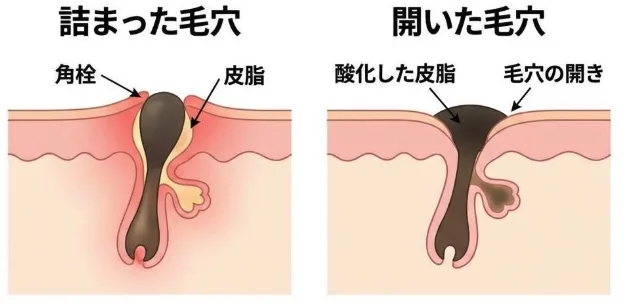
Blackheads form when sebum mixed with keratinizes and oxidizes upon air contact, turning dark. The negative charge of clay attracts these oxidized lipids, lightening the visual appearance of congested pores when used consistently in double-cleansing routines.
Q5. Is clay face wash suitable for dry or mature skin?
A. Yes, when limited to the T-zone or formulated with hydrating botanicals.(Details)
Dry and mature skin types frequently experience localized pore congestion around the nose while cheeks remain dry. Applying clay lather selectively to the T-zone and rinsing quickly prevents cheek tightness while keeping oily zones refreshed.
Summary
Japanese clay face washes combine ancient geology with modern cosmetic lathering science:
Domestic Mineral Heritage: Formulated with regional minerals like Okinawa marine silt (Kucha) and Tanakura clay.
Micro-Bubble Lathering: Whipping into dense foam provides a tactile cushion that prevents mechanical friction.
Balanced Clarifying: Manages excess midday shine while keeping the outermost layer of the skin (stratum corneum) supple and hydrated.
References
The Japanese Dermatological Association. Dermatological Q&A on Contact Dermatitis: Pathophysiology and Identifying Causative Contact Triggers (Q1). https://www.dermatol.or.jp/qa/qa4/q01.html (Accessed 2026-11-23)
The Japanese Dermatological Association. Dermatological Q&A on Sunscreen Application for Long-Term Prevention (Q25). https://www.dermatol.or.jp/qa/qa3/q25.html (Accessed 2026-11-23)
The Japanese Dermatological Association. Sunburn Q&A on Photoaging and Biological Alterations in Aging Skin (Q5). https://www.dermatol.or.jp/qa/qa2/q05.html (Accessed 2026-11-23)
Disclaimer: This article is for general information and education about Japanese cosmetics and their labels. It is not a substitute for professional medical advice, diagnosis, or treatment. Skincare results vary from person to person. Product formulas, availability, prices, and regulations change, and products sold in Japan can differ from versions sold elsewhere, so always check the current label. Do a patch test before introducing a new product, and consult a doctor or dermatologist if you have a skin condition or specific concerns.