Japanese Cleansing Balm vs Oil: Emulsification Guide
CleansingBy Seibun Lab Editorial Team
title: Japanese Cleansing Balm vs Oil: Emulsification Guide
slug: japanese-cleansing-balm-vs-cleansing-oil-emulsify
category: cleansing
category_label: Cleansing
published_at: '2026-11-23'
updated_at: '2026-11-23'
meta_description: Compare Japanese cleansing balm vs oil. Master the emulsification technique to dissolve makeup effortlessly while preventing skin barrier friction.
description: Compare Japanese cleansing balm vs oil. Master the emulsification technique to dissolve makeup effortlessly while preventing skin barrier friction.
hero_image: /images/stock/finger-scooping-yellow-balm-texture.webp
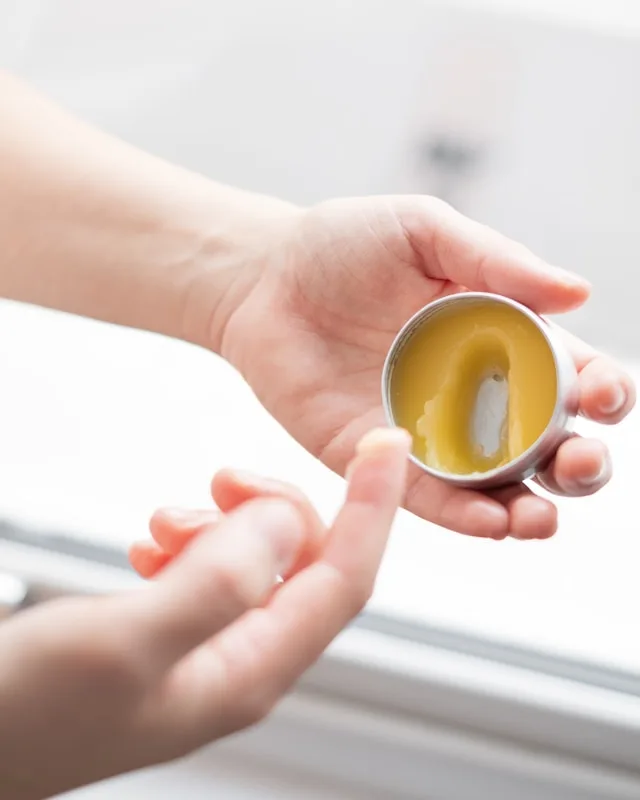
hero_image_alt: Scooping yellow Japanese cleansing balm texture for makeup removal and emulsification
thumbnail: /images/stock/finger-scooping-yellow-balm-texture.webp
thumbnail_alt: Scooping yellow Japanese cleansing balm texture for makeup removal and emulsification
reading_time: 6
author: Editorial Team
publish: true
Japanese Cleansing Balm vs Oil: Emulsification Guide
Quick answer
Japanese cleansing oils and cleansing balms both rely on lipophilic solvents and specialized surfactants to dissolve waterproof cosmetics. Cleansing oils provide quick glide ideal for heavy makeup and oily zones, whereas cleansing balms offer a plush, cushiony texture that minimizes physical friction for dry or delicate skin. Regardless of format, mastering thorough water emulsification is essential to prevent pore congestion and barrier stress.
In the Japanese double-cleansing methodology, the initial oil-cleansing step is regarded as the most critical defense against clogged pores and dullness. Both Japanese cleansing oils and solid cleansing balms have earned cult status worldwide for melting away resilient, water-resistant Japanese sunscreens and stubborn polymer mascaras without harsh scrubbing.
However, many skincare enthusiasts wonder whether an oil or a balm better suits their lifestyle, and why both formulas demand precise emulsification (nyuka) before rinsing. Failing to emulsify or dragging products aggressively across facial contours can compromise the moisture barrier. Here is an evidence-based comparison of cleansing balm versus cleansing oil, alongside step-by-step emulsification techniques to safeguard skin health.
Formulation Science: How Balms and Oils Differ
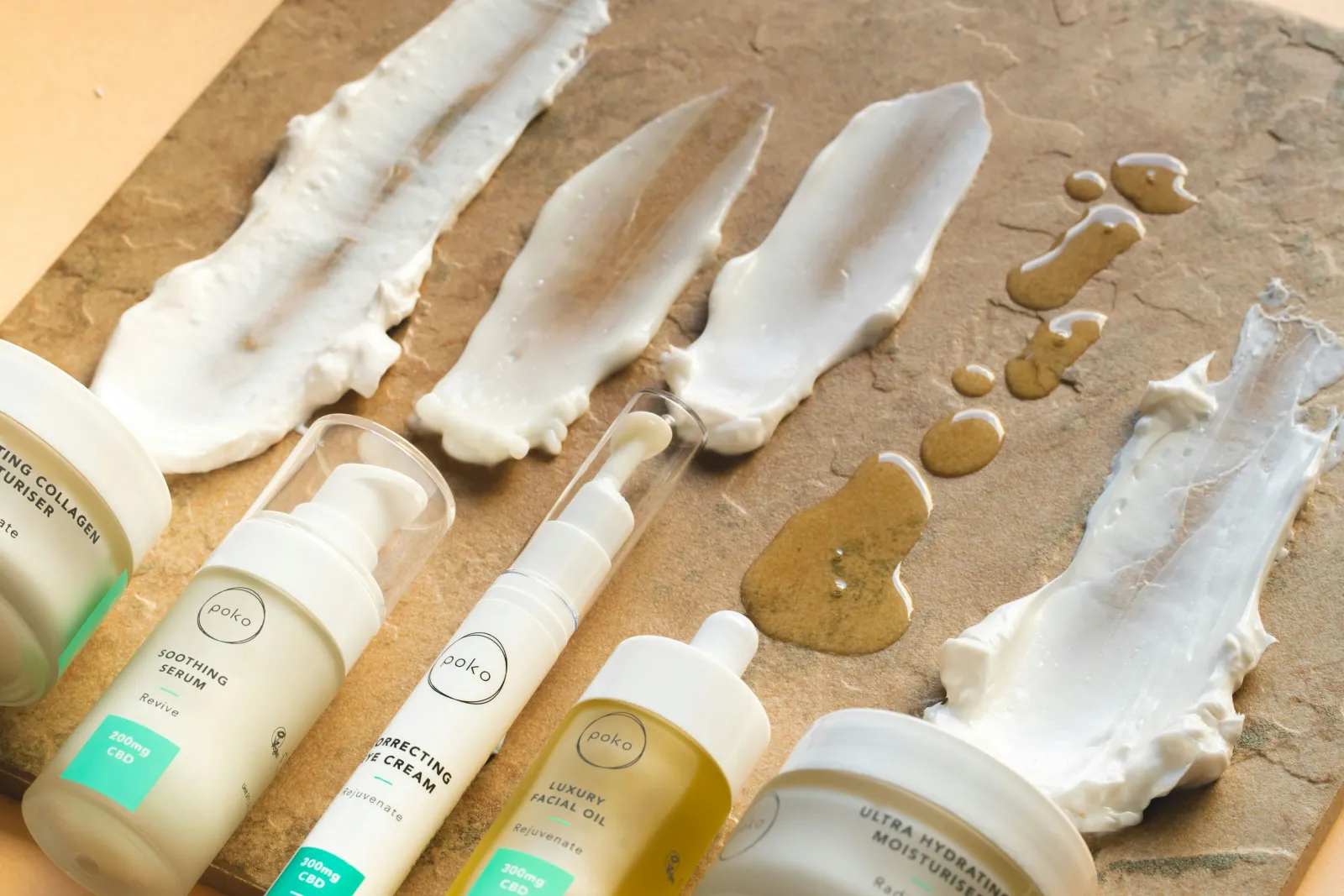
At a chemical level, cleansing oils and balms share foundational mechanisms: both utilize non-polar hydrocarbons, synthetic esters, or botanical seed oils to dissolve stubborn cosmetic binders, paired with non-ionic surfactants that bind water during rinsing. The critical difference lies in their rheology and structural state.
1. Cleansing Oils (Fluid Mechanics)
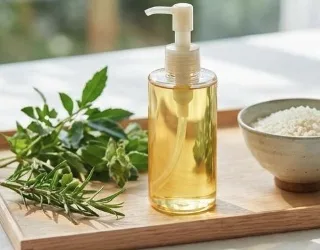
Vehicle Base: Formulated as free-flowing liquid esters (such as ethylhexyl palmitate) or plant oils (like rice bran oil and camellia oil).
Spreadability: Spreads instantaneously across large surface areas with zero initial warming required.
Rinse Speed: Tends to emulsify rapidly upon the first splash of tepid water, making it the fastest option for evening routines.
Vehicle Base: Employs microcrystalline waxes, polyethylene structures, or synthetic waxes to suspend oils in a firm gel matrix at room temperature.
Phase Inversion: Melts on skin contact through facial heat and gentle pressure, transforming into a rich, viscous liquid oil.
Friction Buffer: The substantial thickness creates a physical cushion between fingertips and facial skin, dramatically reducing dragging tension.
Comparison: Cleansing Balm vs. Cleansing Oil
To decide which first cleanser aligns with your skin concerns and habits, compare their operational traits:
Scroll horizontally to view full table
Feature
Japanese Cleansing Oil
Japanese Cleansing Balm
Primary Texture
Silky, fluid liquid
Solid sherbet melting into rich oil
Initial Application
Dispensed directly via pump
Scooped with dedicated spatula
Friction Resistance
Moderate (requires ample quantity)
High (thick cushioning buffer)
Travel Convenience
Risk of bottle leakage in transit
Solid, leak-proof container
Ideal Skin Profiles
Normal, oily, resilient makeup wearers
Dry, mature, friction-sensitive skin
Rinse Off Sensation
Crisp, refreshing, zero film
Moisturized, velvet-soft finish
The Art of Emulsification: Why Water Changes Everything
Many people make the mistake of splashing large volumes of water immediately onto an oiled face and rubbing vigorously to wash it off. This improper approach leaves an occlusive lipid film over pores and pulls at delicate facial tissue.
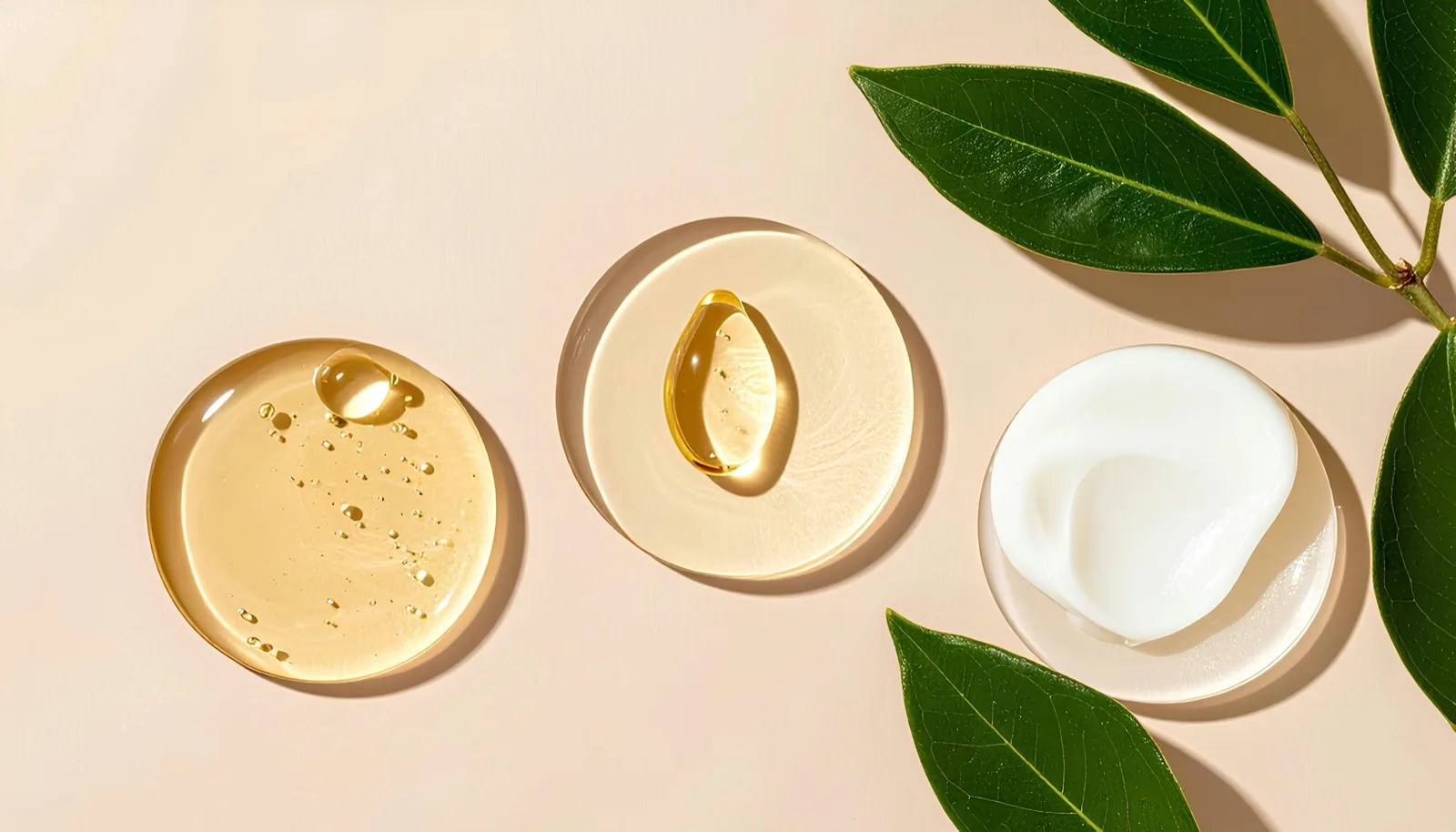
Emulsification (nyuka) is the chemical transition where hydrophobic oil droplets are encapsulated by surfactant micelles in the presence of a tiny amount of water. This converts clear oil into a milky, water-soluble lotion.
Step-by-Step Emulsification Technique
Dry Hands and Dry Face: Always dispense balm or oil onto completely dry skin. Water present prematurely will disrupt the oil's ability to dissolve lipophilic cosmetics.
Gentle Dissolution (30–45 Seconds): Massage softly in circular motions with finger pads, letting the formula melt waterproof pigments.
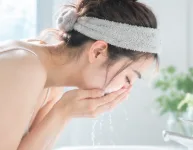
The Vital Micro-Splash: Wet your hands with a small amount of lukewarm water (around 32°C to 34°C). Lightly pat and glide your damp palms across the face.
Observe the Milky Transformation: Massage for 10 to 15 seconds until the oil turns completely opaque, milky white, and light. If the texture remains clear or heavy, add a few more droplets of water.
Final Tepid Rinse: Once fully emulsified, rinse thoroughly with 10 to 15 splashes of lukewarm water. The skin should rinse completely clean without leaving greasy residue.
Pitfalls: Incomplete Emulsification and Friction Damage
While cleansing balms and oils are exceptionally effective, improper technique can introduce unexpected skin troubles:
The Danger of Incomplete Emulsification
When oil is rinsed without proper emulsification, residual esters and dissolved makeup debris remain trapped within follicular openings.
Over several days, these lipid remnants oxidize, encouraging blackhead formation and surface congestion.
Trapped oil residues also block subsequent hydrating lotions (keshosui) from interacting effectively with the stratum corneum.
The Impact of Mechanical Dragging (Skin Friction)
Using too little product is the leading cause of cleansing-related irritation. When oil or balm lacks adequate volume, finger pads drag directly against dry epidermal ridges.
Repeated friction breaks down fragile surface keratinocytes, precipitating post-wash redness and accelerated barrier dryness.
Always dispense at least 2 to 3 full pumps of oil or a rounded muscat-grape-sized scoop of balm to preserve a protective cushion.
Signs to stop and when to see a doctor
While modern Japanese cleansing formulations are formulated for high skin compatibility, individual sensitivities to specific botanical oils, synthetic esters, or fragrance compounds can occur. If you observe intense stinging, spreading erythema, burning sensations, or hives during or after cleansing, discontinue the product immediately. According to the Japanese Dermatological Association (JDA), "Contact dermatitis is a common condition encountered in dermatological practice, and if the specific triggering substance is identified and contact is discontinued, it is considered a condition that can be fully resolved." [1]
Moreover, thorough cleansing must always be paired with adequate daytime barrier defense. Official dermatological guidance emphasizes: "Regarding sunscreens, their consistent daily use is strongly recommended from the medical standpoint of future skin damage and skin cancer prevention." [2] While proper cleansing clears pore debris and prevents cosmetic oxidation, it cannot reverse deeper solar elastosis on its own, as dermatologists confirm: "Normal biological aging involves the natural decline of physiological functions over time, whereas photoaging represents chronic, cumulative ultraviolet injury sustained by the skin tissue." [3] If redness, swelling, or scaling persists after halting use, consult a licensed dermatologist.
FAQ
Q1. Do I need to follow cleansing oil or balm with a foaming cleanser?
A. Double cleansing is traditional, but modern formulas often make it optional.(Details)
In traditional Japanese double cleansing, a foaming wash follows oil to clear water-based sweat and dust. However, many contemporary Japanese balms and oils feature complete rinse-off technology (w-cleansing unnecessary), leaving no greasy film and sparing dry or sensitive skin from double-cleansing stress.
Q2. Can cleansing oil or balm cause cloudy vision during eye makeup removal?
A. Yes, mild temporary cloudiness occurs if emulsified oil enters the tear film.(Details)
Because cleansers contain microscopic oil droplets, opening eyes during application can temporarily coat the tear film. This is harmless and clears after rinsing with clean water. For heavy waterproof mascara, a dedicated point-makeup remover applied on cotton is recommended to avoid getting oils into the eyes.
Q3. Which is better for travel: cleansing oil or cleansing balm?
A. Cleansing balms are significantly more practical for travel.(Details)
Fluid cleansing oils are susceptible to pump leakage under cabin pressure changes in aircraft or luggage handling. Cleansing balms remain solid at ambient temperatures, minimizing leakage risks and fitting smoothly within carry-on cosmetic allowances.
Q4. Does cold water work for emulsifying cleansing oils and balms?
A. Lukewarm water is necessary for proper surfactant activation.(Details)
Cold tap water solidifies wax components and prevents surfactant molecules from forming stable water-in-oil micelle emulsions. Conversely, hot water strips essential stratum corneum barrier lipids. Tepid water between 32°C and 34°C provides the ideal balance for swift emulsification without thermal irritation.
Q5. Can individuals with acne-prone skin safely use cleansing balms?
A. Yes, provided the formula is fully emulsified and thoroughly rinsed.(Details)
Cleansing balms dissolve hardened sebum and oxidized cosmetic waxes effectively. Breakouts generally occur only when users skip the milky emulsification phase or rinse too quickly, leaving residual oils behind. Choose formulas tested to resist pore congestion and rinse diligently.
Summary
Selecting between a Japanese cleansing balm and cleansing oil comes down to texture preference and lifestyle convenience:
Cleansing Oils: Provide rapid spreadability and effortless rinsing, ideal for busy nights and long-wear makeup.
Cleansing Balms: Provide a dense, luxurious cushion that buffers sensitive skin against mechanical friction, with zero travel-leakage risks.
Master Emulsification: Always apply to dry skin, introduce a few drops of lukewarm water to turn the oil milky white, and rinse completely with tepid water.
The Japanese Dermatological Association. Dermatological Q&A on Contact Dermatitis: Pathophysiology and Identifying Causative Contact Triggers (Q1). https://www.dermatol.or.jp/qa/qa4/q01.html (Accessed 2026-11-23)
The Japanese Dermatological Association. Dermatological Q&A on Sunscreen Application for Long-Term Prevention (Q25). https://www.dermatol.or.jp/qa/qa3/q25.html (Accessed 2026-11-23)
The Japanese Dermatological Association. Sunburn Q&A on Photoaging and Biological Alterations in Aging Skin (Q5). https://www.dermatol.or.jp/qa/qa2/q05.html (Accessed 2026-11-23)
Disclaimer: This article is for general information and education about Japanese cosmetics and their labels. It is not a substitute for professional medical advice, diagnosis, or treatment. Skincare results vary from person to person. Product formulas, availability, prices, and regulations change, and products sold in Japan can differ from versions sold elsewhere, so always check the current label. Do a patch test before introducing a new product, and consult a doctor or dermatologist if you have a skin condition or specific concerns.