Japanese Enzyme Wash for Men: Oily Skin & Pore Guide
CleansingBy Seibun Lab Editorial Team
title: Japanese Enzyme Wash for Men: Oily Skin & Pore Guide
slug: japanese-enzyme-wash-for-men-oily-skin
category: cleansing
category_label: Cleansing
published_at: '2026-11-23'
updated_at: '2026-11-23'
meta_description: Discover Japanese enzyme wash for men. Learn protease and lipase science, safe frequency for oily skin, and post-shave precautions to prevent irritation.
description: Discover Japanese enzyme wash for men. Learn protease and lipase science, safe frequency for oily skin, and post-shave precautions to prevent irritation.
hero_image: /images/stock/mens-skincare-face-wash-water-splash.webp
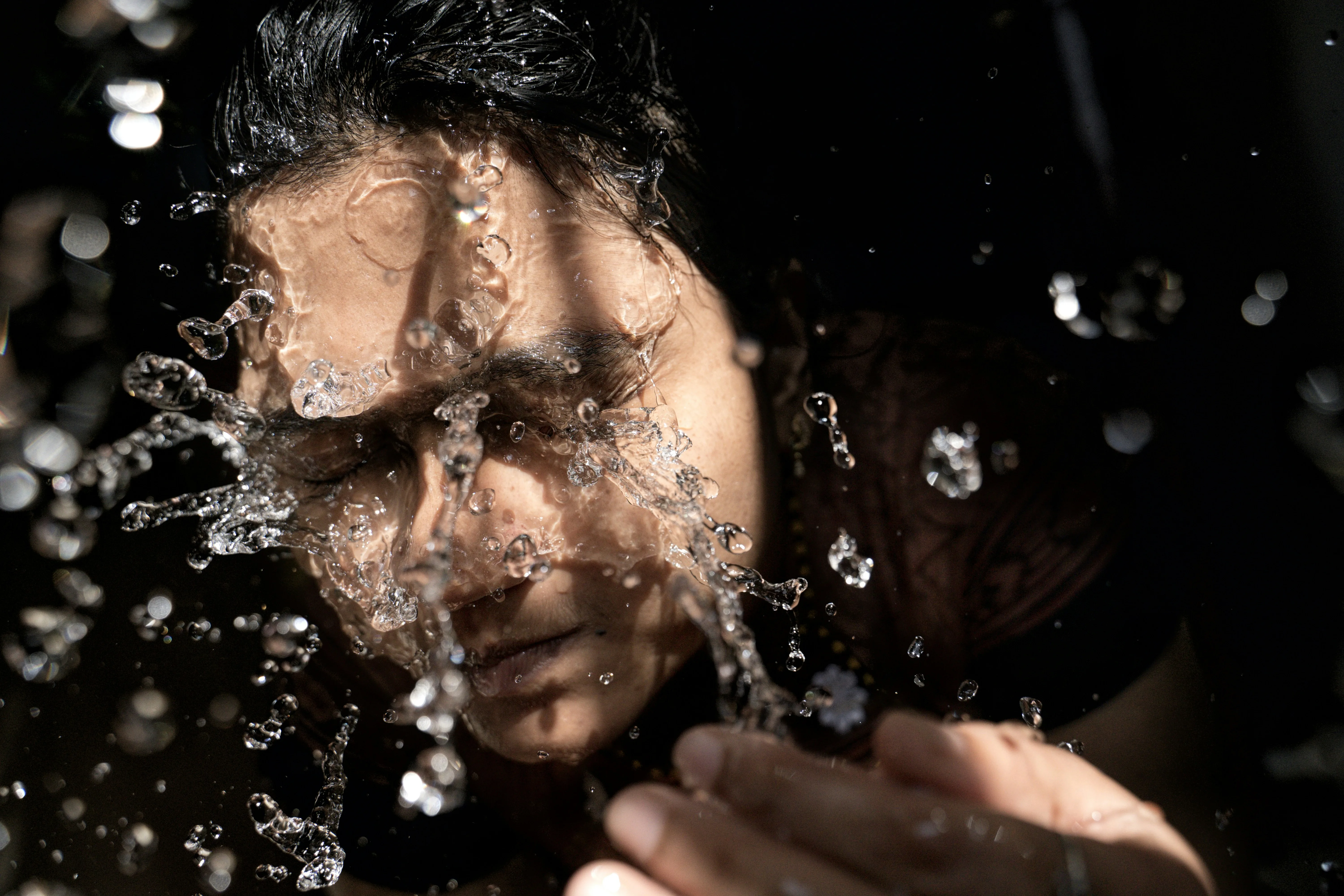
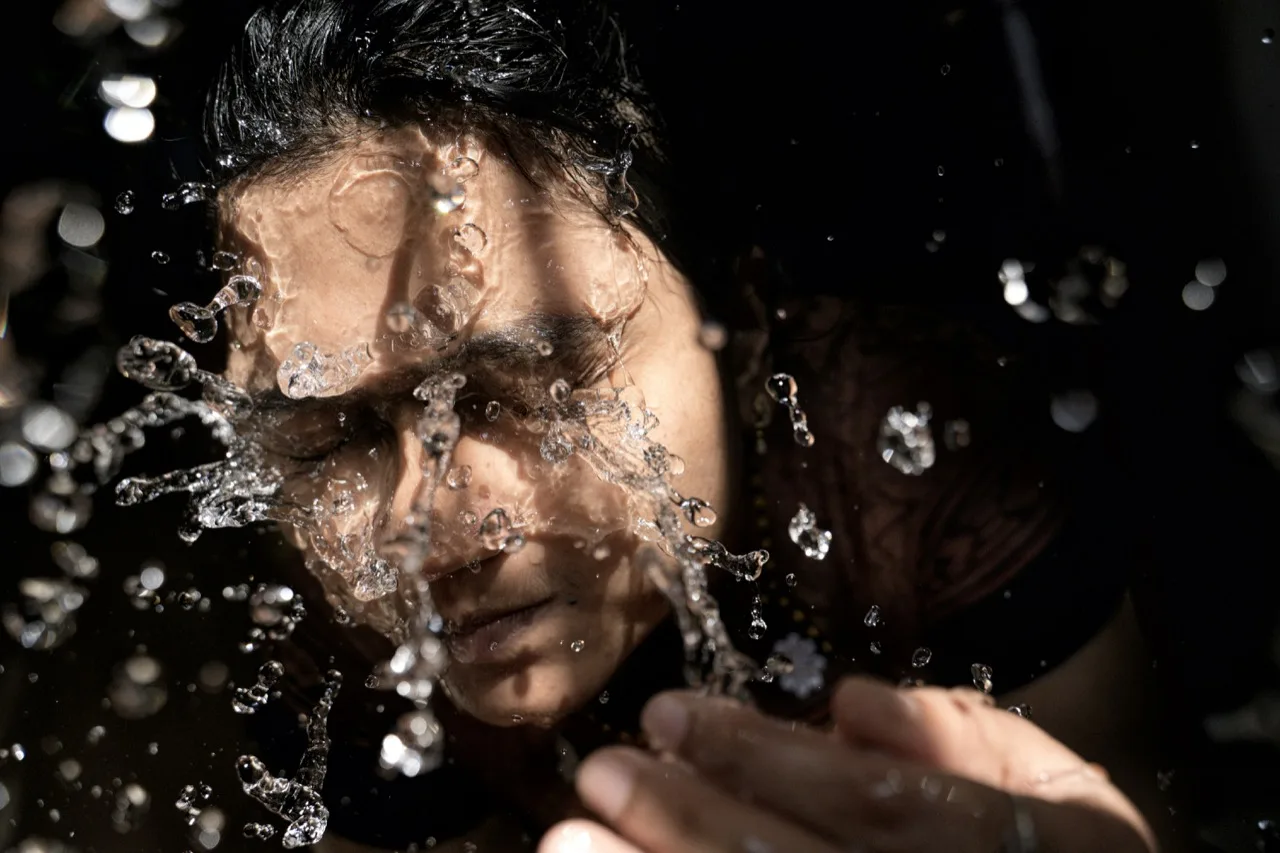
hero_image_alt: Japanese man washing face with water splash representing enzyme wash for oily skin
thumbnail: /images/stock/mens-skincare-face-wash-water-splash.webp
thumbnail_alt: Japanese man washing face with water splash representing enzyme wash for oily skin
reading_time: 6
author: Editorial Team
publish: true
Japanese Enzyme Wash for Men: Oily Skin & Pore Guide
Quick answer
Japanese enzyme powder face washes (kouso senryo) formulate bioactive enzymes—such as protease to digest hardened keratin bonds and lipase to break down oxidized sebum—into single-use powder capsules. For men dealing with naturally thicker skin and higher sebaceous output, enzyme washes offer friction-free pore clarifying that smooths rough texture far more effectively than abrasive grain scrubs.
Men's skin exhibits distinct physiological traits driven by androgenic hormones: sebaceous gland output is roughly two to three times greater than that of women, while the epidermis is approximately 20% thicker. At the same time, daily shaving constantly shears surface corneocytes around the chin and neck, leaving the lower face barrier-depleted even as the T-zone produces substantial midday shine.
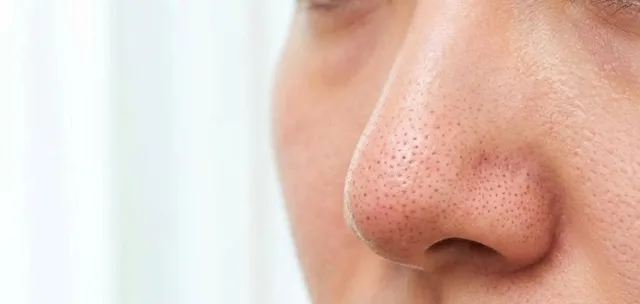
When dealing with visible blackheads, congested nasal pores, and stubborn surface roughness, many men instinctively reach for harsh abrasive scrubs. However, aggressive mechanical scrubbing inflicts micro-tears on already sensitized skin. In Japanese men's grooming routines, the superior alternative is enzyme powder face washing (kouso senryo). Here is a scientific guide to how proteolytic and lipolytic enzymes refine men's oily skin, how often to use them, and essential post-shave safety rules.
The Biological Duo: Protease and Lipase Chemistry
Pore plugs (kakusen) on male skin are notoriously resilient because they consist of two intertwined components: 70% dead keratinized protein and 30% oxidized sebaceous lipids. Standard facial cleansers dissolve surface oils but cannot break protein bonds.
Japanese enzyme washes incorporate two specific biological biocatalysts:
Protease (Proteolytic Enzymes): Enzymes like subtilisin or papain that selectively hydrolyze peptide bonds between desquamated corneocytes. By breaking the protein "glue" holding stubborn plugs together, protease liquefies rough texture without physical dragging.
Lipase (Lipolytic Enzymes): Enzymes that decompose complex triglycerides and oxidized wax esters into rinseable glycerol and free fatty acids, clarifying clogged follicular openings.
Because enzymes require water to activate, Japanese manufacturers package them as anhydrous (water-free) micro-powders in single-use pods. This preserves enzyme potency until the moment powder meets lukewarm water in your palms.
Comparison: Enzyme Wash vs Grain Scrubs vs Daily Foam
Understanding how enzyme washing fits into a grooming regimen requires comparing it to traditional exfoliating tools:
Scroll horizontally to view full table
Cleansing Format
Exfoliation Mechanism
Friction Damage Risk
Ideal Target for Men
Japanese Enzyme Powder Wash
Biochemical enzymatic digestion of protein and lipids
High (sharp jagged edges scratch epidermal ridges)
Thick callused body skin, elbows, heels
Standard Daily Foaming Cleanser
Surfactant micellar lifting of surface grime
Zero to Low (relies on foam bubble action)
Daily morning and evening hygiene
Proper Application Rules for Men: Frequency and Technique
Enzymes are highly efficient biological catalysts. Using them carelessly or too often can strip vital barrier lipids from the outermost layer of the skin (stratum corneum). Follow these Japanese grooming guidelines:
1. Mindful Frequency: 1 to 2 Times Weekly
Do not replace your regular daily face wash with enzyme powder every morning and night. For men with resilient, oily complexions, using enzyme powder once or twice a week (such as on Wednesday evening and Sunday morning) provides optimal pore maintenance without provoking trans-epidermal water loss.
2. Whip into Dense Lather Before Application
Never rub dry powder granules directly against facial skin. Pour one capsule of powder into damp palms, add a few droplets of lukewarm water (32°C–34°C), and whip vigorously into an elastic, creamy foam cushion. Using a foaming net creates rich micro-bubbles in seconds.
3. The 30-Second Target Zone Rule
Place the enzyme foam on the forehead, nose, and chin first. Roll the bubbles gently over congested pores for 20 to 30 seconds using light finger pads. Keep total skin contact under 60 seconds.
4. Critical Precaution: Never Use Immediately Post-Shave
Shaving with a multi-blade razor acts as a form of physical exfoliation, removing surface skin cells and causing microscopic fissures. Applying proteolytic enzymes to freshly shaved neck and jaw areas will provoke severe stinging and barrier inflammation. If you shave in the morning, reserve your enzyme wash for evening, focusing exclusively on the upper T-zone.
Post-Wash Care: Replenishing Male Skin Immediately
A frequent pitfall among men is enjoying the ultra-clean, matte finish (sappari) of an enzyme wash and skipping post-wash hydration. Cleansed pores will quickly rebound with excessive compensatory oil if hydration is not sealed in:
Hydrating Lotion (Keshosui): Pat a generous coin-sized splash of lightweight watery toner across the face within 60 seconds of rinsing. This supplies immediate water to keratinocytes.
Lightweight Emulsion (Nyueki) or Gel: Lock in moisture with an oil-free hydrating gel or lightweight milk. Providing a balanced surface lipid film signals sebaceous glands that the barrier is secure, preventing greasy midday shine.
Signs to stop and when to see a doctor
While Japanese enzyme powders are dermatologically engineered with soothing botanicals like licorice extract and amino acids, individual sensitivities to specific enzyme proteins or packaging preservatives can happen. If you observe intense stinging, lasting erythema, widespread contact hives, or burning sensations after washing, wash the formula off immediately and stop use. According to the Japanese Dermatological Association (JDA), "Contact dermatitis is a common condition encountered in dermatological practice, and if the specific triggering substance is identified and contact is discontinued, it is considered a condition that can be fully resolved." [1]
Furthermore, deep pore clarifying leaves new superficial cells exposed to ambient sunlight. Consistent daytime photoprotection is mandatory; as clinical guidance emphasizes: "Regarding sunscreens, their consistent daily use is strongly recommended from the medical standpoint of future skin damage and skin cancer prevention." [2] While enzyme washes smooth surface keratin buildup and refine pore texture, they cannot reverse deeper structural photo-damage, as dermatologists confirm: "Normal biological aging involves the natural decline of physiological functions over time, whereas photoaging represents chronic, cumulative ultraviolet injury sustained by the skin tissue." [3] If redness or irritation does not subside within 48 hours, seek consultation with a licensed dermatologist.
FAQ
Q1. Can men use women's enzyme wash powders, or do they need a men's version?
A. Most Japanese enzyme wash pods are unisex and suitable for all genders.(Details)
While some brands market dark charcoal-infused enzyme powders specifically for men, standard Japanese pharmacy enzyme pods function through the same bio-identical protease and lipase mechanisms. Both men and women benefit equally from the underlying enzymatic chemistry.
Q2. Can enzyme powder wash help with ingrown beard hairs?
A. Yes, using enzyme wash on non-shave days prevents follicular keratin capping.(Details)
Ingrown hairs occur when stiff beard bristles cannot emerge through thickened, hardened stratum corneum caps. Using enzyme wash 24 hours prior to shaving dissolves follicular keratin plugs, allowing hair shafts to grow outward cleanly.
Q3. Why do Japanese enzyme cleansers come in tiny individual pods?
A. Individual sealed pods protect bioactive enzymes from bathroom humidity.(Details)
Enzymes degrade rapidly when exposed to airborne moisture. If packaged in large open-mouth jars or bulk bottles, steam from bathroom showers would deactivate the enzymes within weeks. Single-use airtight pods ensure maximum enzymatic potency for every wash.
Q4. Does enzyme wash completely remove deep acne scars?
A. No, enzyme wash acts only superficially on the stratum corneum.(Details)
Proteolytic enzymes work exclusively on superficial desmosome protein bonds in the outermost epidermal layers. While they improve surface tactile roughness and lighten superficial dullness, structural pitted acne scars involve dermal collagen changes requiring clinical dermatological intervention.
Q5. Can I use enzyme wash and an electric shaver on the same day?
A. Yes, provided shaving and enzyme washing are spaced hours apart.(Details)
Electric rotary or foil shavers create less direct epidermal scraping than wet razor blades. However, combining both in the same morning session can cause transient erythema. Shave with your electric razor in the morning and reserve enzyme washing for your evening shower.
Summary
Japanese enzyme washes offer men a smart, friction-free solution for managing high sebum and congested pores:
Biochemical Precision: Protease digests stubborn keratin bonds while lipase breaks down oxidized sebum.
Zero-Friction Care: Dense micro-bubbles clarify pores without the microscopic scraping of abrasive walnut scrubs.
Disciplined Frequency: Limit use to 1 or 2 times weekly, avoiding freshly shaved neck and jaw areas.
Essential Post-Care: Always follow with replenishing hydrating lotion (keshosui) and daily sunscreen to prevent rebound oiliness.
References
The Japanese Dermatological Association. Dermatological Q&A on Contact Dermatitis: Pathophysiology and Identifying Causative Contact Triggers (Q1). https://www.dermatol.or.jp/qa/qa4/q01.html (Accessed 2026-11-23)
The Japanese Dermatological Association. Dermatological Q&A on Sunscreen Application for Long-Term Prevention (Q25). https://www.dermatol.or.jp/qa/qa3/q25.html (Accessed 2026-11-23)
The Japanese Dermatological Association. Sunburn Q&A on Photoaging and Biological Alterations in Aging Skin (Q5). https://www.dermatol.or.jp/qa/qa2/q05.html (Accessed 2026-11-23)
Disclaimer: This article is for general information and education about Japanese cosmetics and their labels. It is not a substitute for professional medical advice, diagnosis, or treatment. Skincare results vary from person to person. Product formulas, availability, prices, and regulations change, and products sold in Japan can differ from versions sold elsewhere, so always check the current label. Do a patch test before introducing a new product, and consult a doctor or dermatologist if you have a skin condition or specific concerns.