Japanese Gentle Scrubs: Smoothing Rough Skin Texture
CleansingBy Seibun Lab Editorial Team
title: Japanese Gentle Scrubs: Smoothing Rough Skin Texture
slug: japanese-gentle-scrub-for-rough-skin-texture
category: cleansing
category_label: Cleansing
published_at: '2026-11-23'
updated_at: '2026-11-23'
meta_description: Discover how Japanese gentle scrubs smooth rough skin texture. Learn konjac bead science, safe weekly frequency, and barrier-respecting application tips.
description: Discover how Japanese gentle scrubs smooth rough skin texture. Learn konjac bead science, safe weekly frequency, and barrier-respecting application tips.
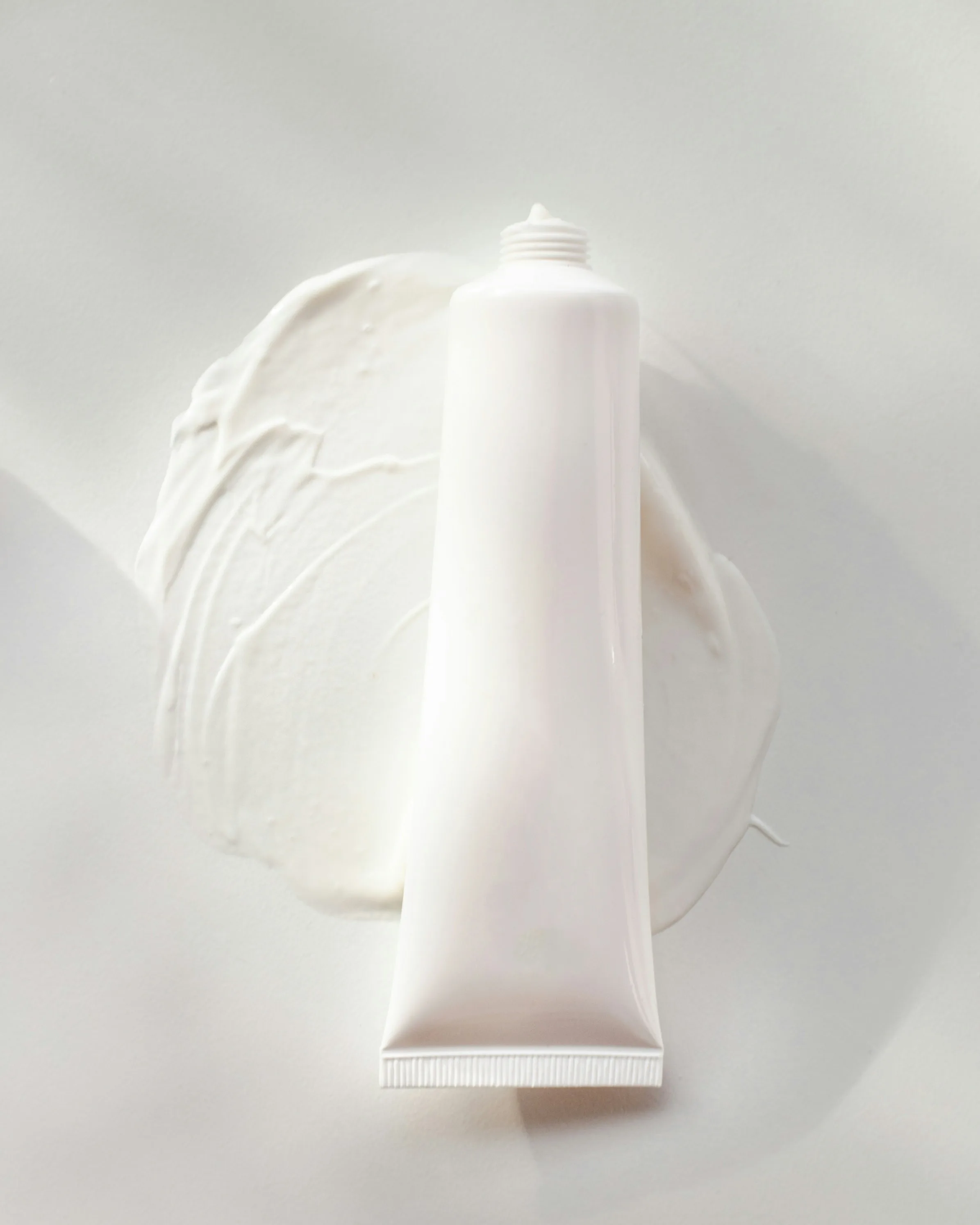
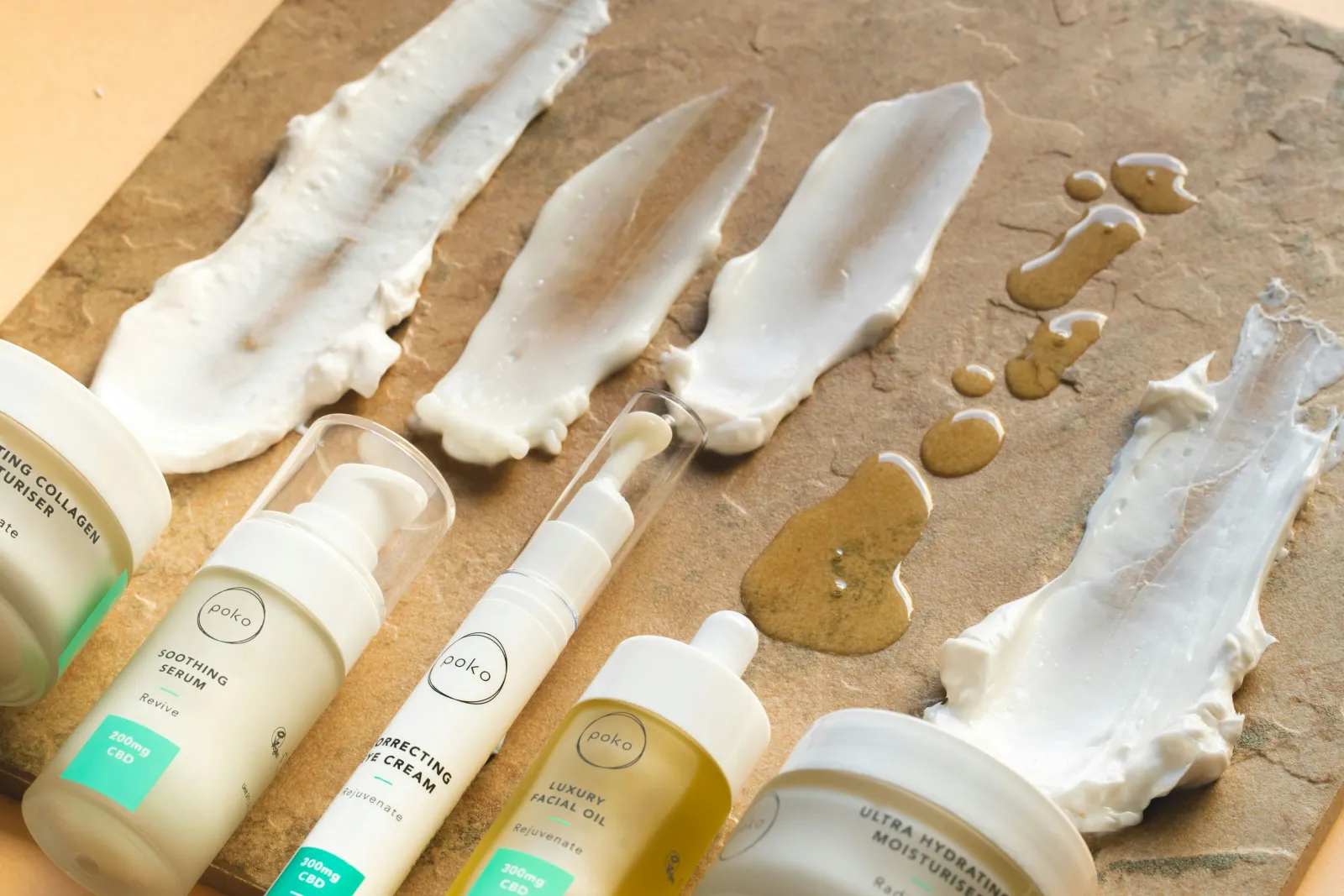
hero_image: /images/stock/cream-tube-and-smooth-texture.webp
hero_image_alt: Japanese gentle facial scrub texture and tube designed for smoothing rough skin
thumbnail: /images/stock/cream-tube-and-smooth-texture.webp
thumbnail_alt: Japanese gentle facial scrub texture and tube designed for smoothing rough skin
reading_time: 6
author: Editorial Team
publish: true
Japanese Gentle Scrubs: Smoothing Rough Skin Texture
Quick answer
Japanese gentle facial scrubs utilize soft, spherical, water-swellable particles—such as konjac glucomannan beads and micro-crystalline plant cellulose—suspended in dense cream or gel vehicles. Unlike jagged nut-shell fragments that scrape epidermal tissue, these elastic beads roll softly over uneven keratin buildup, refining rough texture (gowatsuki) while safeguarding stratum corneum barrier lipids.
When seasonal shifts, dry indoor air, or slow natural turnover cause superficial keratinocytes to accumulate, facial skin often develops a rough, stiff tactile texture known in Japan as gowatsuki. In response, many consumers reflexively reach for heavy physical scrubs, hoping to sand away the roughness.
However, Western beauty trends have largely moved away from physical scrubs due to the historical legacy of harsh crushed walnut and apricot pits that caused microscopic epidermal tears. In contrast, Japanese cosmetic laboratories never abandoned physical exfoliation; instead, they reimagined it through soft biomimetic beads. By replacing sharp stone fragments with elastic, moisture-absorbing spheres, Japanese gentle scrubs smooth surface roughness without compromising cutaneous health. Here is a scientific guide to how Japanese mild scrubs operate, their botanical ingredients, and safe weekly frequency guidelines.
Particle Morphology: Why Sphere Shape and Elasticity Matter
The degree of irritation caused by any physical scrub depends on particle morphology—specifically, the geometry and hardness of the exfoliating grains:
1. Jagged Irregular Granules (Harsh Traditional Scrubs)
Crushed nut shells, volcanic pumice, and rough sugar crystals possess jagged, razor-sharp geometric edges. Under manual pressure, these irregular edges snag on facial contours, gouging micro-fissures into the stratum corneum and precipitating immediate erythema and moisture barrier breakdown.
Japanese formulators mandate smooth, rounded spheres engineered from biodegradable plant polymers:
Konjac Glucomannan Spheres: Derived from the indigenous konjac root (Amorphophallus konjac), these hydrophilic beads absorb water and swell into bouncy, elastic gel spheres. When rolled across facial skin, they cushion fingertip pressure while capturing loosened surface flakes.
Micro-Cellulose Spheres: Plant-derived cellulose processed into uniform, micro-sized balls that dissolve or yield under pressure, preventing accidental over-scrubbing.
Finely Milled Rice Bran (Nuka): Traditional Japanese rice powders contain natural fatty acids and spherical starches that provide mild polishing while nourishing the surface lipid film.
Comparison: Japanese Soft Bead Scrubs vs Harsh Nut Shells vs Chemical Acids
Understanding how Japanese physical scrubs compare to other exfoliation formats helps determine the right tool for your skin:
Liquid chemical solutions with low pH (pH 3.0–3.8)
Zero mechanical friction (potential chemical stinging)
Deep pore congestion, hyperkeratosis, stubborn comedones
Japanese Usage Etiquette: Frequency and Zero-Pressure Technique
Because Japanese scrubs feel remarkably plush and cushiony, users can be tempted to use them too frequently. Over-exfoliation weakens intercellular ceramides, causing barrier fatigue:
1. The Weekly Frequency Limit (Once Weekly or Bi-Weekly)
For normal to combination skin, using a mild scrub once a week is plenty to maintain silky tactile smoothness. If you have delicate, dry, or mature skin, limit use to once every two weeks (bi-weekly). Never use physical scrubs daily.
2. Generous Vehicle Base (Never on Dry Skin)
Always dispense product onto freshly cleansed, damp skin. Japanese scrubs are suspended in moisturizing cream or hydrating gel bases; using inadequate amounts causes fingers to drag. Use a cherry-sized dollop.
3. The "Roll, Don't Rub" Technique
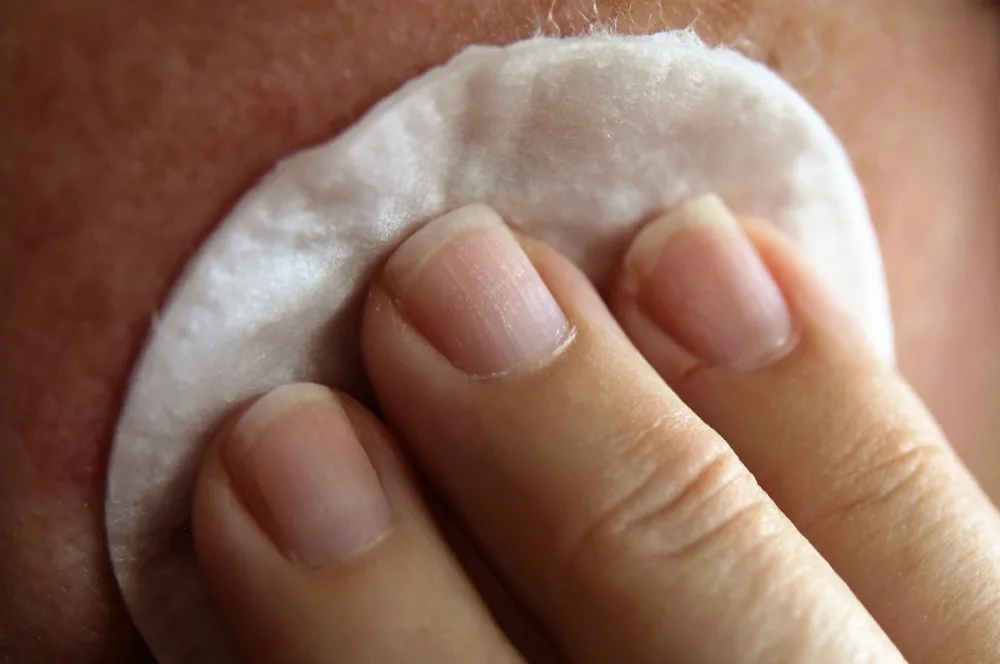
Gently glide the cream across the forehead, nose, and chin using only the light pads of your ring and middle fingers. Think of rolling marble beads across silk rather than sanding wood. Keep active facial manipulation under 30 seconds.
4. Immediate Replenishing Hydration
Rinse thoroughly with 10 to 15 splashes of lukewarm water (32°C to 34°C). Within 60 seconds of patting dry with a soft cotton towel, flood the stratum corneum with hydrating lotion (keshosui) and lock in moisture with a lipid-rich emulsion (nyueki).
When to Avoid Physical Scrubs Entirely
Even the gentlest konjac scrub should be paused during specific barrier-compromised conditions:
Active Inflammatory Acne: Scrubbing across active pustules or papules ruptures follicular walls, spreading bacterial flora and causing scarring.
Sunburned or Wind-Chapped Skin: UV-injured skin suffers from severe dehydration; physical exfoliation removes protective corneocytes prematurely.
Active Eczema or Dermatitis: Flaking skin during dermatitis is a sign of defective barrier defense, not excess dead skin that needs buffing away.
Signs to stop and when to see a doctor
While Japanese gentle scrubs use rounded botanical beads, individual sensitivities to formulation fragrances, preservatives, or essential botanical extracts can happen. If you notice persistent facial redness, intense stinging during lotion application, or localized contact hives after exfoliating, wash the product off immediately and discontinue use. According to the Japanese Dermatological Association (JDA), "Contact dermatitis is a common condition encountered in dermatological practice, and if the specific triggering substance is identified and contact is discontinued, it is considered a condition that can be fully resolved." [1]
Furthermore, clearing surface roughness leaves fresh epidermal layers exposed to ambient UV radiation. Consistent daytime photoprotection is mandatory; as clinical guidance emphasizes: "Regarding sunscreens, their consistent daily use is strongly recommended from the medical standpoint of future skin damage and skin cancer prevention." [2] While gentle scrubs polish superficial texture and restore supple tactile bounce, they cannot reverse structural collagen degradation caused by sunlight, as dermatologists confirm: "Normal biological aging involves the natural decline of physiological functions over time, whereas photoaging represents chronic, cumulative ultraviolet injury sustained by the skin tissue." [3] If redness, swelling, or irritation persists beyond 48 hours, consult a licensed dermatologist.
FAQ
Q1. What is the difference between a peeling gel and a gentle scrub?
A. Peeling gels use polymer clumping, while scrubs use pre-formed soft beads.(Details)
Japanese peeling gels (gommage) start as liquid gels that curdle into soft clumps upon contacting skin electrolytes. Gentle scrubs contain pre-formulated solid spherical beads (such as konjac glucomannan) suspended in a rich cream base to roll away rough texture.
Q2. Can I use a Japanese gentle scrub in the morning before makeup?
A. Yes, using a gentle scrub occasionally creates a smooth base for foundation.(Details)
When dead surface flakes cause foundation to pill or cling around the nose, a 20-second gentle scrub session smooths rough patches instantly. Always follow immediately with a generous application of hydrating lotion and sunscreen before base makeup.
Q3. Are konjac beads biodegradable and eco-friendly?
A. Yes, konjac glucomannan is 100% natural, plant-derived, and biodegradable.(Details)
Unlike outlawed synthetic plastic polyethylene microbeads, Japanese konjac beads are derived from edible root vegetables. They decompose naturally in municipal wastewater systems without polluting marine environments or harming aquatic life.
Q4. Does physical scrubbing enlarge facial pores?
A. Harsh jagged scrubs can damage pore margins, but rounded beads do not.(Details)
Abrasive walnut scrubs can tear delicate collagen around follicular rims, causing pores to appear stretched and lax. Smooth spherical konjac beads glide over follicular openings without mechanical friction, clearing surface debris safely.
Q5. Can I use a gentle scrub if I am using prescription retinoids?
A. It is safer to avoid physical scrubs while retinoid retinization is ongoing.(Details)
Prescription retinoids accelerate stratum corneum turnover, often causing transient flaking and reduced barrier resilience. Adding physical scrubs during this phase causes acute irritation. Focus instead on lipid-replenishing ceramides until retinoid tolerance stabilizes.
Summary
Japanese gentle scrubs represent a thoughtful, barrier-respecting evolution in physical exfoliation:
Spherical Biomimetic Beads: Soft, water-swollen konjac and cellulose spheres roll across skin without micro-tearing.
Targeted Gowatsuki Relief: Smooths rough surface keratin buildup and makeup pilling in under 30 seconds.
Mindful Frequency: Restricted to once weekly or bi-weekly to preserve natural intercellular ceramides.
Zero-Pressure Philosophy: Let the gel cream cushion and rounded beads do the work—never scrub or scrape against delicate facial contours.
References
The Japanese Dermatological Association. Dermatological Q&A on Contact Dermatitis: Pathophysiology and Identifying Causative Contact Triggers (Q1). https://www.dermatol.or.jp/qa/qa4/q01.html (Accessed 2026-11-23)
The Japanese Dermatological Association. Dermatological Q&A on Sunscreen Application for Long-Term Prevention (Q25). https://www.dermatol.or.jp/qa/qa3/q25.html (Accessed 2026-11-23)
The Japanese Dermatological Association. Sunburn Q&A on Photoaging and Biological Alterations in Aging Skin (Q5). https://www.dermatol.or.jp/qa/qa2/q05.html (Accessed 2026-11-23)
Disclaimer: This article is for general information and education about Japanese cosmetics and their labels. It is not a substitute for professional medical advice, diagnosis, or treatment. Skincare results vary from person to person. Product formulas, availability, prices, and regulations change, and products sold in Japan can differ from versions sold elsewhere, so always check the current label. Do a patch test before introducing a new product, and consult a doctor or dermatologist if you have a skin condition or specific concerns.