Japanese Cleansing Wipes: Travel vs Daily Use Guide
CleansingBy Seibun Lab Editorial Team
title: Japanese Cleansing Wipes: Travel vs Daily Use Guide
slug: japanese-makeup-remover-wipes-travel-vs-daily
category: cleansing
category_label: Cleansing
published_at: '2026-11-23'
updated_at: '2026-11-23'
meta_description: Discover Japanese makeup remover wipes. Learn why wipes excel for travel, how to avoid skin friction, and why daily cleansing demands rinse-off oils.
description: Discover Japanese makeup remover wipes. Learn why wipes excel for travel, how to avoid skin friction, and why daily cleansing demands rinse-off oils.
hero_image: /images/stock/cotton-pad-gentle-pressing-on-cheek.webp
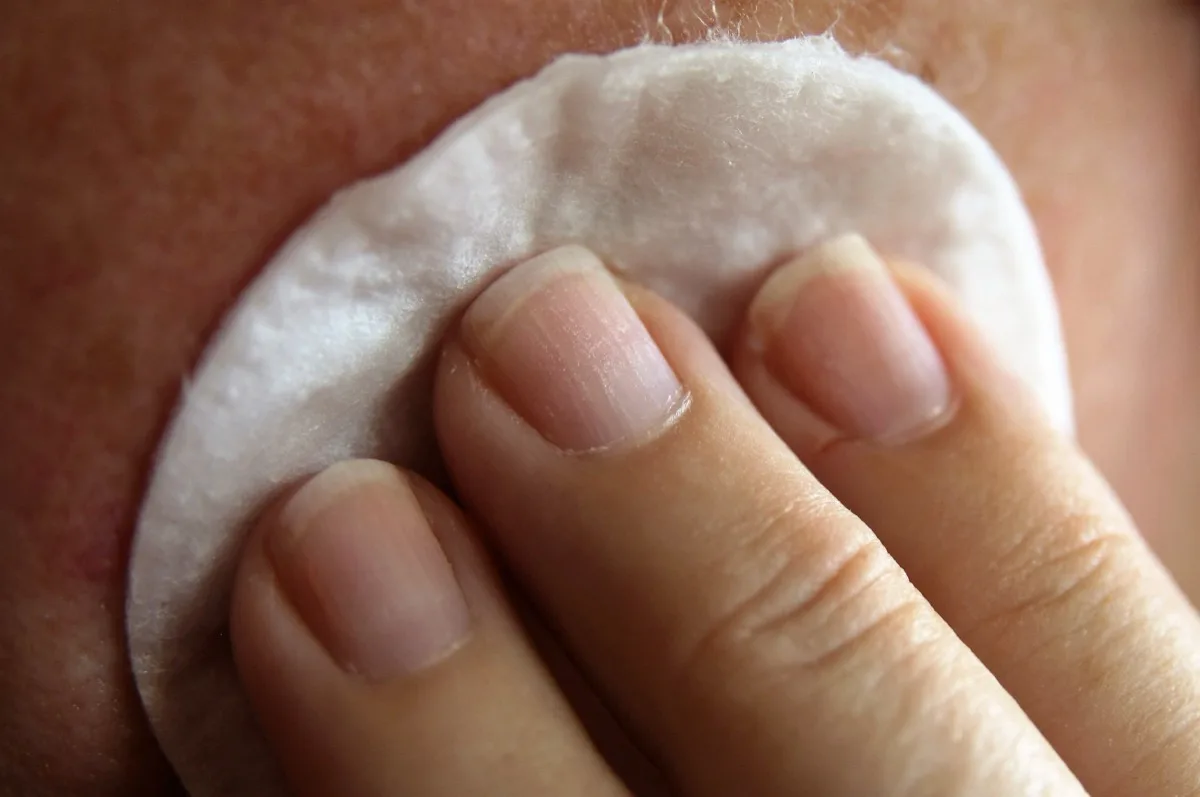
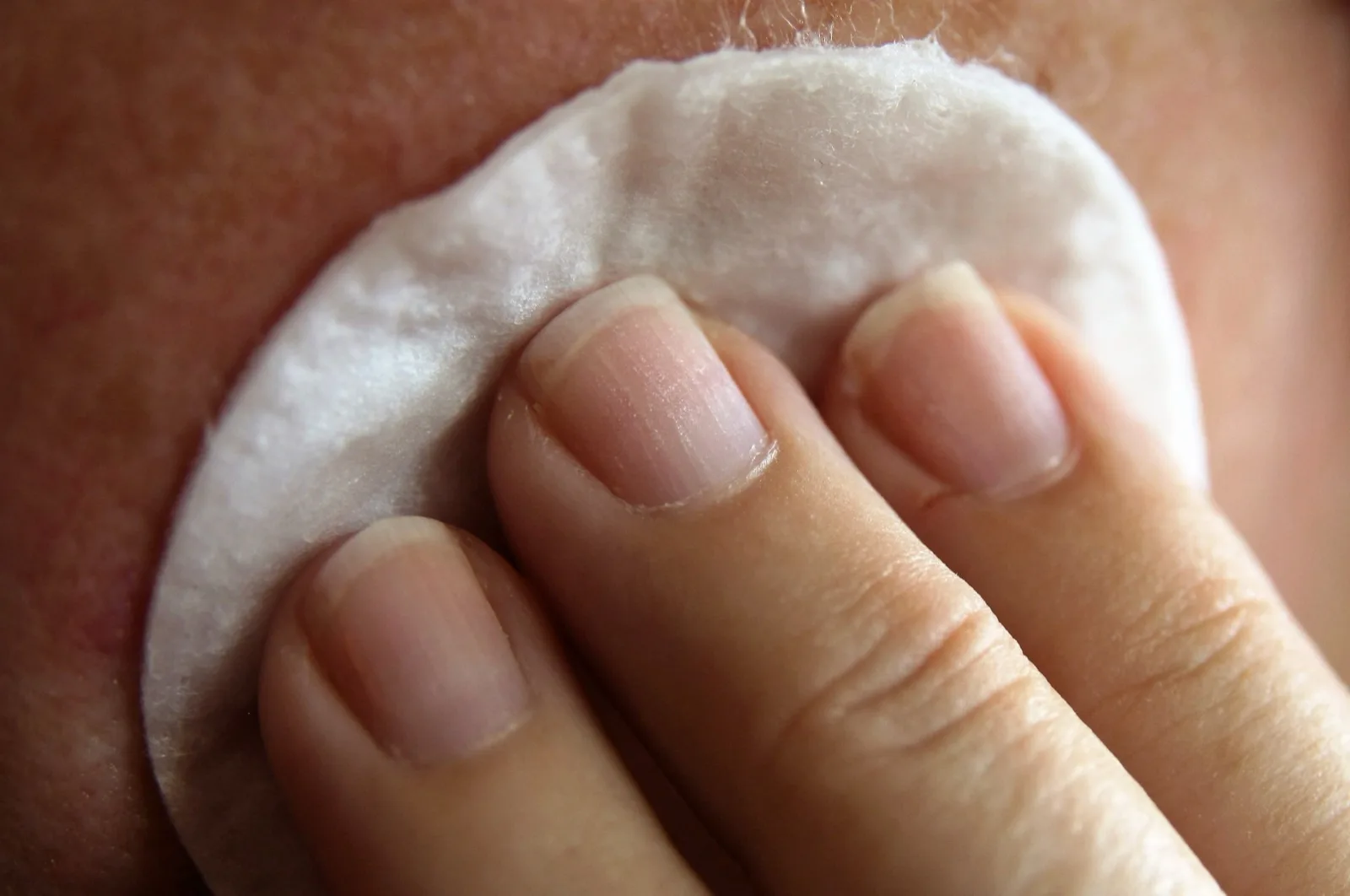
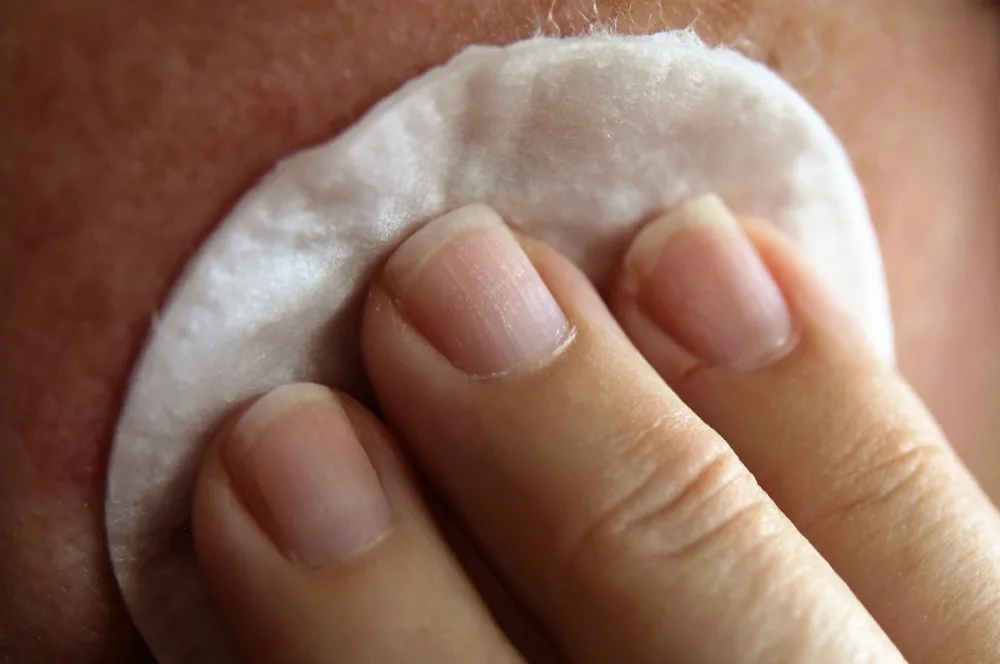
hero_image_alt: Gentle makeup removal technique pressing cleansing sheet softly against cheek to minimize friction
thumbnail: /images/stock/cotton-pad-gentle-pressing-on-cheek.webp
thumbnail_alt: Gentle makeup removal technique pressing cleansing sheet softly against cheek to minimize friction
reading_time: 6
author: Editorial Team
publish: true
Japanese Cleansing Wipes: Travel vs Daily Use Guide
Quick answer
Japanese makeup remover wipes (cleansing sheets) offer unmatched portability for long flights, late-night emergencies, and travel when running water is unavailable. However, Japanese dermatologists caution against using wipes as a primary daily cleanser. Relying on sheets every night introduces repetitive mechanical friction that compromises stratum corneum barrier lipids. For everyday hygiene, water-rinsed oils or amino acid foams remain superior.
In the fast-paced convenience culture of Japan, makeup remover wipes (kurenjingu shiito) are ubiquitous staples found in every convenience store and station kiosk. Pre-saturated with micellar cleansing fluid or light liquid emulsions, these compact sheets promise swift makeup removal without needing a bathroom sink.
Yet, despite their convenience, Japanese beauty experts rarely recommend wipes for standard everyday use. In J-Beauty philosophy, minimizing mechanical friction (masatsu) is an uncompromising rule for preserving translucent skin tone and barrier health. How can beauty travelers maximize the convenience of cleansing wipes without causing friction-induced redness or barrier breakdown? Here is a practical comparison between travel utility and daily cleansing hygiene.
The Chemistry of Japanese Cleansing Sheets
Japanese cleansing wipes differ substantially from generic wet wipes. Domestic cosmetic manufacturers engineer the sheet substrate and liquid formulation with specialized materials:
Ultra-Fine Non-Woven Substrates: Japanese sheets frequently utilize multi-layer microfibers (such as natural cotton blends or split micro-rayon) that hold abundant liquid to reduce rough surface dragging.
Micellar Liquid Saturation: Wipes are soaked in micellar water containing non-ionic surfactants that dissolve polymer foundations and pigments through chemical encapsulation rather than brute scrubbing force.
Humectant Cushioning: Premium Japanese formulas infuse low-molecular hyaluronic acid, amino acids, and soothing botanical waters directly into the lotion base to cushion the wipe against bare skin.
Despite these advanced materials, a sheet cannot completely avoid physical contact. The mechanical action required to drag fabric over facial contours remains significantly harsher than rinsing with water and a soft foam cushion.
Comparison: Travel Convenience vs Daily Rinse-Off Cleansing
To understand the rightful place of cleansing wipes in your skincare arsenal, compare their characteristics against standard water-rinsed cleansers:
Critical Rules to Prevent Skin Friction When Using Wipes
When travel or late nights demand the use of cleansing sheets, following the proper Japanese technique prevents mechanical barrier damage:
Important Caution: Avoid Aggressive Wiping
Never scrub or yank a cleansing wipe back and forth across dry skin. Aggressive friction strips surface ceramides, induces micro-tears in fragile keratinocytes, and triggers post-inflammatory hyperpigmentation around delicate eye contours.
The Fold, Press, and Glide Technique
1. Fold into Quarters: Fold the large unfolded wipe into a neat square. This concentrates the liquid and provides a flat, controlled surface.
2. Press and Hold (10–15 Seconds): Lay the sheet gently over the eye, forehead, or cheek. Press lightly with cupped palms and hold for several seconds. Allow the saturated micellar liquid to melt cosmetic waxes chemically before moving the sheet.
3. Glide in One Direction: Slowly slide the sheet outward in a single smooth motion along facial grain. Never scrub back and forth in rapid saw-like motions.
4. Refold for a Fresh Clean Surface: Flip the sheet to an unsoiled quarter for each facial zone. Dragging a dirty, makeup-saturated wipe over clean areas redistributes dissolved pigments into open pores.
5. Rinse If Water Is Accessible: Whenever running water is available (such as in an airport restroom or hotel), perform a quick water rinse to remove surfactant residues, followed by an immediate application of hydrating lotion (keshosui).
When to Reach for Cleansing Wipes—and When to Avoid Them
Ideal Travel Scenarios for Cleansing Sheets
Long-Haul Flights: Airplane cabin air is notoriously dry, and airplane lavatory water is non-potable. A gentle cleansing wipe followed by a rich sleeping pack or barrier cream revives tired skin at 35,000 feet.
Post-Workout and Commutes: Wiping sweat and airborne pollution away immediately after high-intensity training prevents sebum oxidation before you reach home.
Campgrounds and Outdoor Festivals: Essential hygiene when running water and plumbing are inaccessible.
Scenarios Where Wipes Should Be Strictly Avoided
Active Eczema or Barrier Breakdown: Dragging non-woven fabric over raw, cracked epidermal tissue causes immediate stinging and prolongs cutaneous recovery.
Severe Inflamed Acne: Rubbing wipes over pustules can rupture inflamed follicular walls, spreading bacterial matter across neighboring pores.
Nightly Bedtime Routines at Home: Using wipes nightly as a lazy shortcut inevitably thins the outermost layer of the skin (stratum corneum) over weeks of use.
Signs to stop and when to see a doctor
While Japanese cleansing wipes use mild surfactants, the combination of active cleansing agents, preservation systems, and repeated fabric contact can provoke contact allergies in susceptible individuals. If you develop widespread erythema, stinging, swelling, or itchy hives after using wipes, stop using them immediately. According to the Japanese Dermatological Association (JDA), "Contact dermatitis is a common condition encountered in dermatological practice, and if the specific triggering substance is identified and contact is discontinued, it is considered a condition that can be fully resolved." [1]
Furthermore, using wipes for makeup removal does not diminish the need for consistent daytime solar protection. As noted in clinical guidance, "Regarding sunscreens, their consistent daily use is strongly recommended from the medical standpoint of future skin damage and skin cancer prevention." [2] While gentle wiping clears surface cosmetics, it does not counteract structural aging, as dermatologists confirm: "Normal biological aging involves the natural decline of physiological functions over time, whereas photoaging represents chronic, cumulative ultraviolet injury sustained by the skin tissue." [3] If redness or burning persists beyond 48 hours after discontinuing wipes, consult a board-certified dermatologist.
FAQ
Q1. Do I need to wash my face with water after using a Japanese cleansing wipe?
A. A light water rinse is recommended whenever possible.(Details)
Although Japanese cleansing sheets are formulated as no-rinse products, they inevitably leave microscopic traces of surfactants and solubilizers on the skin surface. Rinsing with splash of clean water removes residual cleansing agents, preventing potential barrier tightness.
Q2. Can Japanese cleansing sheets remove waterproof Japanese mascara?
A. Standard micellar wipes struggle with waterproof mascara; use oil-infused sheets instead.(Details)
Water-based micellar sheets often require excessive rubbing to dissolve stubborn curl-holding waterproof mascaras. To prevent eyelash breakage and eyelid irritation, choose specialized Japanese two-phase oil wipes or dedicate a point-makeup remover to the eye area.
Q3. How do Japanese wipes prevent drying out once the package is opened?
A. Premium packs feature airtight plastic flip-top lids and moisture-lock seals.(Details)
Japanese manufacturers employ high-density foil packaging paired with spring-loaded plastic snap-caps to ensure sheets remain fully saturated down to the final wipe. For travel, small pocket packs containing 10 to 12 sheets prevent dry-out before you finish the pack.
Q4. Are Japanese cleansing wipes biodegradable?
A. Many newer Japanese brands use 100% natural cotton or plant-derived cellulose fibers.(Details)
While traditional synthetic non-wovens contain polyester, eco-conscious Japanese brands increasingly craft sheets from pure unbleached cotton or sustainably harvested wood pulp. Check packaging labels for "100% natural cotton" (*tennen kotton*) declarations.
Q5. Can I use cleansing wipes to refresh sunscreen throughout the day?
A. Yes, wipes remove oxidized sebum and sunscreen debris before fresh reapplication.(Details)
Reapplying sunscreen over a sweaty, oily face can cause pilling and trap dirt. Gently pressing a cleansing wipe across the face lifts degraded midday oils, creating a clean canvas for a fresh layer of UV fluid or cushion sunscreen.
Summary
Japanese cleansing wipes are invaluable travel companions when utilized with deliberate care:
Travel Hero, Not Daily Staple: Ideal for airplanes, gyms, and late-night emergencies; unsuitable as an everyday cleanser.
Prioritize Zero Friction: Press and hold rather than scrubbing; glide gently in single directions along facial contours.
Rinse When Feasible: Follow with a light water splash to remove residual surfactants whenever a faucet is accessible.
Replenish Promptly: Always follow wipe cleansing with hydrating lotions and barrier creams to prevent moisture evaporation.
References
The Japanese Dermatological Association. Dermatological Q&A on Contact Dermatitis: Pathophysiology and Identifying Causative Contact Triggers (Q1). https://www.dermatol.or.jp/qa/qa4/q01.html (Accessed 2026-11-23)
The Japanese Dermatological Association. Dermatological Q&A on Sunscreen Application for Long-Term Prevention (Q25). https://www.dermatol.or.jp/qa/qa3/q25.html (Accessed 2026-11-23)
The Japanese Dermatological Association. Sunburn Q&A on Photoaging and Biological Alterations in Aging Skin (Q5). https://www.dermatol.or.jp/qa/qa2/q05.html (Accessed 2026-11-23)
Disclaimer: This article is for general information and education about Japanese cosmetics and their labels. It is not a substitute for professional medical advice, diagnosis, or treatment. Skincare results vary from person to person. Product formulas, availability, prices, and regulations change, and products sold in Japan can differ from versions sold elsewhere, so always check the current label. Do a patch test before introducing a new product, and consult a doctor or dermatologist if you have a skin condition or specific concerns.