Japanese Morning Wash: Lukewarm Water vs Gentle Cleanser
CleansingBy Seibun Lab Editorial Team
title: Japanese Morning Wash: Lukewarm Water vs Gentle Cleanser
slug: japanese-morning-water-wash-vs-gentle-cleanser
category: cleansing
category_label: Cleansing
published_at: '2026-11-23'
updated_at: '2026-11-23'
meta_description: Should you use water or a cleanser in the morning? Learn Japanese skincare criteria to wash away oxidized sebum while protecting fragile barrier lipids.
description: Should you use water or a cleanser in the morning? Learn Japanese skincare criteria to wash away oxidized sebum while protecting fragile barrier lipids.
hero_image: /images/stock/hero-woman-white-bathrobe-morning-skincare-routine.webp
hero_image_alt: Japanese morning skincare routine deciding between water rinse and gentle facial cleanser
thumbnail: /images/stock/hero-woman-white-bathrobe-morning-skincare-routine.webp
thumbnail_alt: Japanese morning skincare routine deciding between water rinse and gentle facial cleanser
reading_time: 6
author: Editorial Team
publish: true
Japanese Morning Wash: Lukewarm Water vs Gentle Cleanser
Quick answer
The choice between splashing with lukewarm water and using a gentle cleanser in the morning depends on nocturnal sebum production and skin barrier state. While water alone spares fragile stratum corneum lipids in dry or mature skin, it cannot dissolve oxidized squalene and nighttime skincare residues. In Japanese dermatological theory, oily or combination skin benefits from a low-surfactant amino acid wash to prevent clogged pores and morning dullness.
One of the most fiercely debated topics in modern Japanese skincare is the morning face wash ritual (asa no sengan). Social media influencers frequently champion the "water-only" method (nukumayu sengan), asserting that skipping soap preserves natural moisturizing factors and prevents premature aging. Conversely, cosmetic chemists warn that water alone cannot dissolve overnight oil secretions, leaving degraded lipids on the skin surface.
In Japan, dermatologists reject a one-size-fits-all dogma. Instead, Japanese skincare emphasizes diagnostic assessment: observing morning shine, climate humidity, and nocturnal cream textures before deciding between lukewarm water and a gentle cleanser. Here is an evidence-based framework for selecting the right morning cleansing technique for your skin profile.
The Biological Reality of What Accumulates Overnight
Many people assume their face remains perfectly clean while sleeping in a fresh bedroom. However, human skin undergoes active metabolic processes during nocturnal rest:
Continuous Sebum Secretion: Sebaceous glands produce natural lipids around the clock. Over 7 to 8 hours of sleep, liquid squalene, triglycerides, and free fatty acids pool over the forehead, nose, and chin.
Lipid Peroxidation (Oxidation): Contact with room ambient oxygen and airborne warmth causes sebum squalene to oxidize into squalene monohydroperoxide, an irritating byproduct linked to comedone initiation and surface roughness.
Nocturnal Skincare Residues: Rich night creams, facial oils, and occlusive sleeping masks do not vanish entirely into thin air; degraded lipid polymers remain on the stratum corneum surface.
Airborne Dust and Bedding Lint: Cotton pillowcase fibers, microscopic dust mites, and shed epidermal flakes adhere to residual nighttime emollients.
While plain water dissolves water-soluble sweat and salt, it has zero solubility for non-polar oxidized sebum and synthetic emollient waxes.
Comparison: Water-Only Rinse vs Gentle Cleanser
To identify which method maintains skin equilibrium, evaluate their comparative mechanisms:
Scroll horizontally to view full table
Factor
Lukewarm Water Rinse Only
Gentle Japanese Morning Cleanser
Solvent Mechanism
Thermal dissolution of sweat and water-soluble dust
Mild surfactant micellar lift of oxidized lipids
Intercellular Lipid Impact
Zero extraction of ceramides and cholesterol
Minimal extraction when using amino acid bases
Sebum Removal Efficiency
Very low (leaves oxidized oil films intact)
Targeted (clears excess shine while preserving hydration)
Risk of Post-Wash Tightness
Practically zero
Low to moderate (if cleanser is too degreasing)
Makeup Adhesion Afterwards
Risk of midday slippage on oily T-zones
Clean, smooth base for sunscreen and foundation
Recommended Skin Types
Extremely dry, atopic, or winter-parched skin
Normal, combination, oily, and acne-prone skin
Japanese Diagnostic Criteria: Which Method Suits Your Skin?
Rather than following rigid internet trends, apply the Japanese dermatological self-check each morning upon waking:
1. When to Choose Lukewarm Water Only (Nukumayu)
The "Cheek Touch" Check: Touch your cheeks and forehead with clean fingertips immediately upon waking. If your skin feels bone-dry, taut, or slightly rough without any slick oiliness, stick to water.
Winter and Arid Climates: During freezing winter months when heaters sap ambient moisture, washing with cleansers can accelerate trans-epidermal water loss (TEWL).
Compromised Barrier States: If recovering from laser treatments, chemical peel sensitivity, or severe flaking, avoid detergents entirely. Use lukewarm water between 32°C and 34°C, gently cupping water onto the face without manual friction.
2. When to Choose a Gentle Cleanser
The "T-Zone Slick" Check: If your fingertips pick up greasy shine on the nose or forehead, oxidized sebum is present. Splashing water over this oily film will trap degradation byproducts under your morning sunscreen.
Warm and Humid Seasons: During summer, nocturnal sweat and sebum output double. An amino acid foam cleanser clears oil without stripping moisture.
Acne-Prone and Pore-Concern Profiles: Those prone to blackheads or recurring inflammatory papules need mild surfactants to sweep away oxidized lipids before UV radiation triggers follicular irritation.
The J-Beauty Hybrid: The Zone-Washing Technique
For the vast majority of individuals who possess combination skin—oily on the T-zone but dry across the cheeks—Japanese beauty advisors recommend the zone-washing hybrid method:
Whip a Small Portion of Amino Acid Foam: Dispense a small half-pea amount of gentle cleanser and whip it into a light foam with lukewarm water.
Wash the T-Zone Only: Place the foam exclusively on the forehead, the wings of the nose, and the chin. Roll the bubbles gently for 15 seconds to dissolve oxidized sebum.
Rinse Everything Together: Rinse the entire face with lukewarm water. As the diluted suds wash over the dry cheeks, they lift stray lint without extracting delicate cheek ceramides.
Pat, Never Rub: Gently press a soft cotton towel against the skin to absorb water droplets without dragging surface keratin. Follow immediately with hydrating lotion (keshosui).
Signs to stop and when to see a doctor
Whether using plain water or a morning cleanser, adverse cutaneous changes warrant attention. If switching to water causes an increase in clogged pores and comedones, or if using a cleanser results in persistent stinging, erythema, and flaking, re-evaluate your routine. According to the Japanese Dermatological Association (JDA), "Contact dermatitis is a common condition encountered in dermatological practice, and if the specific triggering substance is identified and contact is discontinued, it is considered a condition that can be fully resolved." [1]
Furthermore, morning cleansing must always be followed by reliable daytime photoprotection. Clinical guidelines emphasize: "Regarding sunscreens, their consistent daily use is strongly recommended from the medical standpoint of future skin damage and skin cancer prevention." [2] While proper cleansing clears oxidized morning lipids, it cannot protect against structural UV degradation, as dermatologists confirm: "Normal biological aging involves the natural decline of physiological functions over time, whereas photoaging represents chronic, cumulative ultraviolet injury sustained by the skin tissue." [3] If redness or dryness persists, consult a licensed dermatologist.
FAQ
Q1. What is the ideal water temperature for morning face washing?
A. Tepid lukewarm water between 32°C and 34°C is ideal.(Details)
Hot water dissolves essential stratum corneum intercellular lipids and dilates facial capillaries, inducing erythema. Conversely, ice-cold water constricts pores temporarily without melting sebum. Tepid water (feeling slightly cool to lukewarm) cleanses gently without thermal stress.
Q2. Can I use micellar water on cotton instead of splashing with water in the morning?
A. Yes, but avoid repeated friction from dragging cotton pads.(Details)
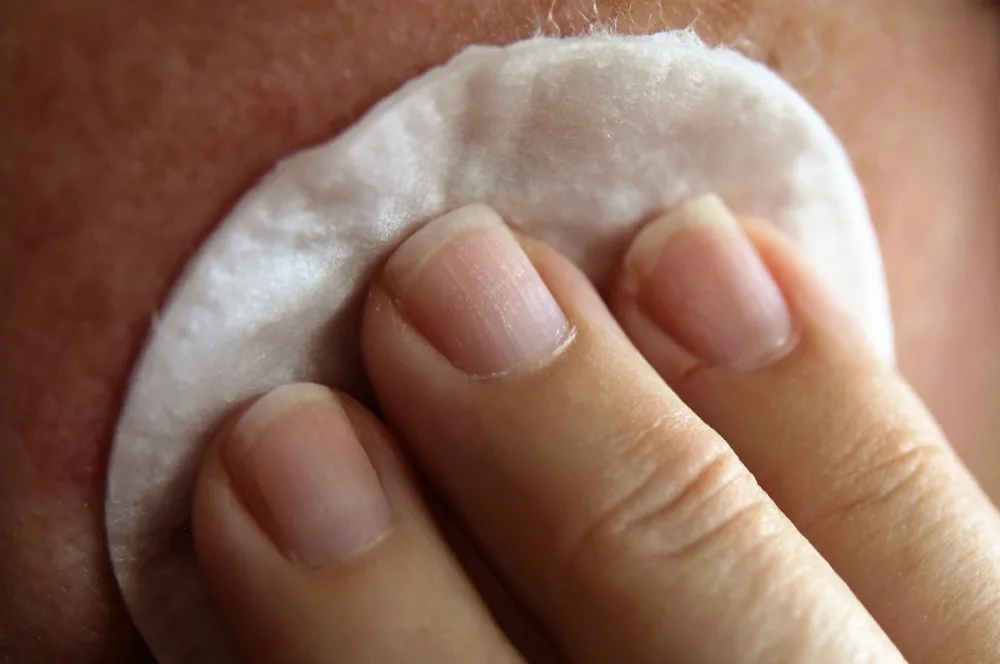
Japanese wiping lotions (*fukitori keshosui*) are popular for quick morning hygiene in winter. However, swiping cotton daily introduces mechanical friction. If using micellar water, thoroughly saturate the pad and gently press rather than vigorously scrubbing across dry cheeks.
Q3. Does skipping cleanser in the morning cause enlarged pores?
A. It can worsen pore appearance in oily skin by leaving oxidized sebum behind.(Details)
If you produce moderate to high nocturnal sebum, rinsing with water leaves oxidized squalene within follicular funnels. Over time, oxidized lipids mix with keratinocytes to form darkened plugs that stretch pore margins. Oily skin benefits from mild morning cleansing.
Q4. Should I use the same cleanser in the morning as I do at night?
A. Many Japanese users prefer a milder, lower-foaming formula in the morning.(Details)
Evening cleansers must remove resilient makeup, sunscreen, and daily airborne grime. In the morning, there is no makeup to dissolve. Many Japanese formulators offer non-foaming morning gel cleansers or mild milk washes designed specifically for morning skin.
Q5. How long should morning cleansing take?
A. Active cleansing contact should last no longer than 20 to 30 seconds.(Details)
Prolonged lathering strips protective intercellular lipids. Keep cleanser contact on the skin under 30 seconds, followed by 10 to 15 gentle splashes of lukewarm water. The entire wash should feel swift, comfortable, and refreshing.
Summary
Deciding between morning water washing and a gentle cleanser requires observing your skin's daily biological cues:
Nocturnal Realities: Skin secretes sebum and accumulates oxidized lipids while you sleep, which water alone cannot dissolve.
Dry and Fragile Skin: Benefits from lukewarm water (32°C–34°C) to conserve delicate stratum corneum lipids.
Oily and Combination Skin: Thrives with a mild amino acid wash or targeted T-zone cleansing to prevent pore congestion.
Always Be Gentle: Avoid aggressive rubbing, maintain moderate water temperatures, and lock in moisture immediately with hydrating lotion (keshosui) and emulsion (nyueki).
References
The Japanese Dermatological Association. Dermatological Q&A on Contact Dermatitis: Pathophysiology and Identifying Causative Contact Triggers (Q1). https://www.dermatol.or.jp/qa/qa4/q01.html (Accessed 2026-11-23)
The Japanese Dermatological Association. Dermatological Q&A on Sunscreen Application for Long-Term Prevention (Q25). https://www.dermatol.or.jp/qa/qa3/q25.html (Accessed 2026-11-23)
The Japanese Dermatological Association. Sunburn Q&A on Photoaging and Biological Alterations in Aging Skin (Q5). https://www.dermatol.or.jp/qa/qa2/q05.html (Accessed 2026-11-23)
Disclaimer: This article is for general information and education about Japanese cosmetics and their labels. It is not a substitute for professional medical advice, diagnosis, or treatment. Skincare results vary from person to person. Product formulas, availability, prices, and regulations change, and products sold in Japan can differ from versions sold elsewhere, so always check the current label. Do a patch test before introducing a new product, and consult a doctor or dermatologist if you have a skin condition or specific concerns.