Japanese Peeling Gel: Gentle Gommage Exfoliation Guide
CleansingBy Seibun Lab Editorial Team
title: Japanese Peeling Gel: Gentle Gommage Exfoliation Guide
slug: japanese-peeling-gel-gentle-gomage-exfoliation
category: cleansing
category_label: Cleansing
published_at: '2026-11-23'
updated_at: '2026-11-23'
meta_description: Discover how Japanese peeling gel works. Learn the polymer clumping gommage mechanism, safe usage frequency, and vital precautions for sensitive skin.
description: Discover how Japanese peeling gel works. Learn the polymer clumping gommage mechanism, safe usage frequency, and vital precautions for sensitive skin.
hero_image: /images/stock/hands-dispensing-gel-from-bottle.webp
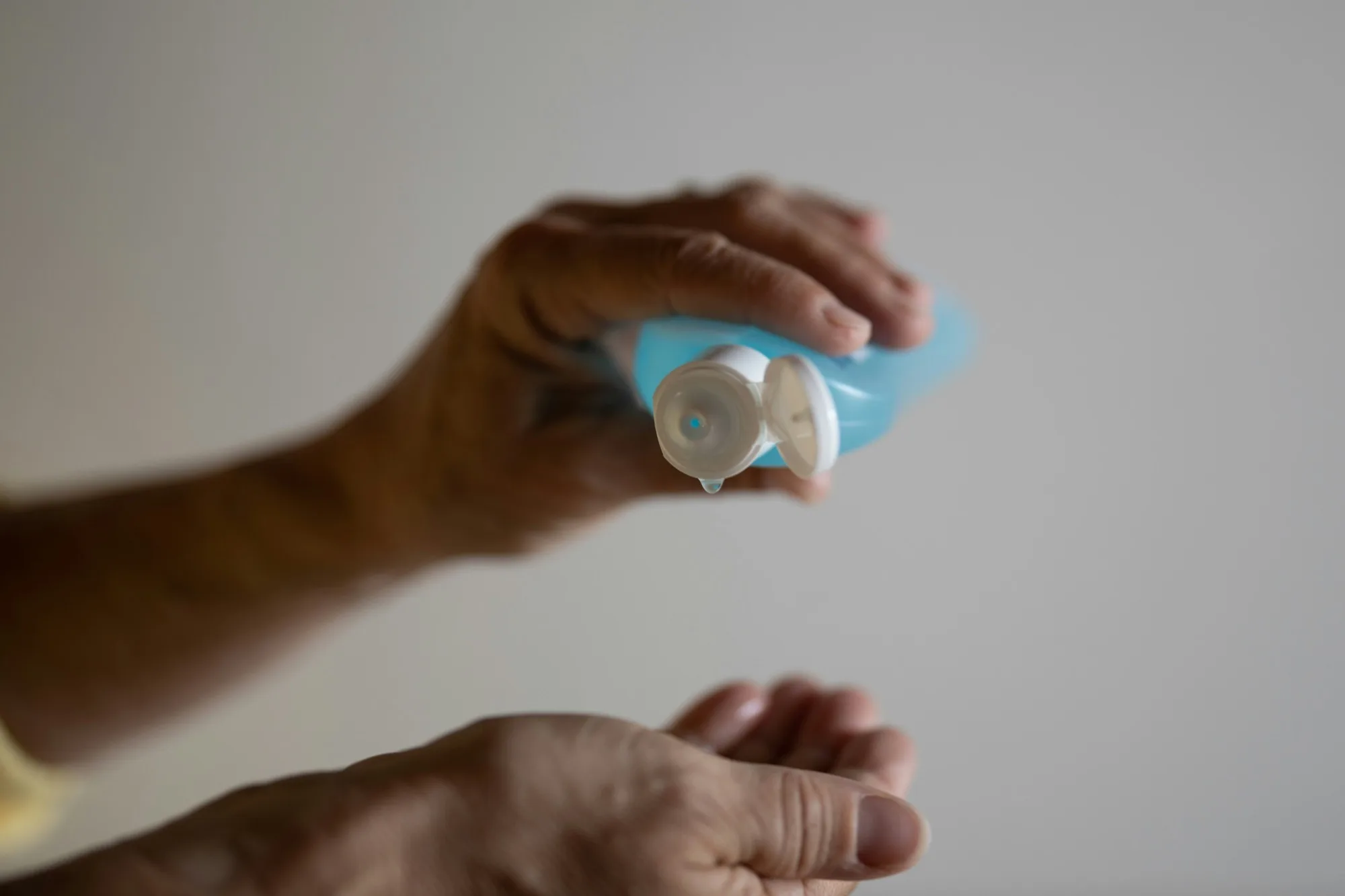
hero_image_alt: Dispensing clear Japanese peeling gel for gentle physical gommage exfoliation
thumbnail: /images/stock/hands-dispensing-gel-from-bottle.webp
thumbnail_alt: Dispensing clear Japanese peeling gel for gentle physical gommage exfoliation
reading_time: 6
author: Editorial Team
publish: true
Japanese Peeling Gel: Gentle Gommage Exfoliation Guide
Quick answer
Japanese peeling gel (often termed gommage) utilizes carbomer polymers and cationic surfactants that react with skin surface oils and friction to form soft, eraser-like clumps. These harmless cellulose bundles sweep away loose superficial keratinocytes without sharp abrasive grains. However, over-exfoliation or aggressive rubbing can disrupt fragile moisture barriers, making mindful frequency (once or twice weekly) and gentle technique essential.
Among the myriad of Japanese skincare innovations, peeling gel (piiringu jeru) holds a uniquely satisfying place on drugstore shelves. Applied to dry skin as a translucent watery fluid, the gel rapidly curdles into soft white clumps (poro-poro) under light fingertip pressure.
A common myth among overseas consumers is that the resulting debris consists entirely of rolled-up dead skin. In reality, the clumping action is an elegant polymer reaction engineered to grab loosened surface flakes without scratching delicate facial contours. However, like any exfoliating method, misunderstanding its mechanism or overusing it on parched skin can lead to barrier irritation. Here is a scientific breakdown of Japanese gommage peeling gels, how to use them safely, and vital precautions for delicate or dry complexions.
The Chemistry Behind the Poro-Poro Clumping Phenomenon
To appreciate how Japanese peeling gels function, one must look at polymer chemistry rather than theatrical marketing. The formulation relies on a synergistic balance between three core components:
Anionic Polymers (Carbomer / Acrylates): These hydrophilic polymers suspend water and give the product its crystal-clear gel consistency in the container.
Cationic Surfactants (Steartrimonium Bromide or Cetrimonium Chloride): Positively charged conditioning agents that neutralize the polymer matrix.
Plant-Derived Cellulose or Polysaccharides: Natural fibers that act as flexible binders.
When massaged onto facial skin, skin surface electrolytes, residual sebaceous lipids, and the subtle shift in evaporation destabilize the polymer emulsion. The positively charged surfactants cross-link with the negatively charged acrylates, causing the polymer to precipitate out of solution. As these soft, rubbery bundles roll across the skin surface, they gently adhere to and lift already-loosened dead cells from the outermost layer of the skin (stratum corneum).
Comparison: Peeling Gel vs Traditional Physical and Chemical Exfoliators
Understanding where Japanese gommage fits within your routine requires comparing it to traditional grain scrubs and leave-on chemical exfoliants:
Hard crushed pits, shells, or sugar granules scrape surface
High (sharp irregular edges can cause micro-tears)
Resilient body skin, heels, elbows
Leave-On Chemical Acids (AHA/BHA)
Acidic pH dissolves desmosome protein bonds chemically
Zero mechanical friction (potential chemical tingling)
Deep pore congestion, hyperkeratosis, stubborn comedones
Step-by-Step Guide: Proper Application Technique
Using a Japanese peeling gel improperly—especially on wet skin or with excessive vigor—reduces its efficacy and increases mechanical stress. Follow these steps for optimal results:
Cleanse and Pat Completely Dry: Wash your face with a gentle cleanser to remove sweat and environmental debris. Crucially, towel-dry your skin and hands completely. Any residual water droplets will dilute the electrolyte concentration and prevent the polymer matrix from clumping properly.
Dispense Ample Product: Pump approximately 2 to 3 portions (about the size of a 500-yen coin) onto your palms. Using too little gel increases direct fingertip dragging across dry skin.
Circular Micro-Massage (20–30 Seconds): Spread the gel across the forehead, nose, chin, and cheeks. Using only the soft pads of your middle and ring fingers, massage gently in small circular motions. Within seconds, soft white fibers will begin to form.
Never Scrub Aggressively: The soft clumps themselves do the work. Avoid pressing hard into facial hollows or rubbing the same zone continuously.
Rinse with Tepid Water: Rinse thoroughly with lukewarm water (around 32°C to 34°C) until no sticky polymer residue remains.
Immediate Hydration: Pat dry gently with a soft towel and immediately follow with a hydrating Japanese lotion (keshosui) and sealing emulsion (nyueki) to replenishing essential humectants.
Vital Precautions: Avoiding Over-Exfoliation and Sensitive Skin Stress
While peeling gels are substantially milder than apricot-seed scrubs, they are not completely devoid of physical action. Overuse or improper application can strip protective intercellular lipids:
1. Strictly Limit Frequency (Once or Twice Weekly)
Because gommage produces visible clumps instantly, users may feel tempted to use it multiple times a week. However, healthy stratum corneum turnover takes approximately 28 days. Exfoliating more than once or twice a week removes immature keratinocytes, leaving underlying tissue vulnerable to environmental stressors.
2. Caution for Dry and Compromised Skin
If your skin is actively flaking due to eczema, extreme winter dryness, or active sunburn, avoid physical gommage entirely. The mechanical friction of rolling clumps can tear fragile stratum corneum sheets, exacerbating dryness and post-wash stinging. Focus on barrier hydration and lipid restoration instead.
3. Steer Clear of the Delicate Eye and Lip Perimeters
The skin around the eyes and lips is roughly one-third the thickness of the cheeks and contains almost no sebaceous glands. Never apply peeling gel above the orbital bone or directly over lips.
Signs to stop and when to see a doctor
While modern Japanese peeling gels are formulated with mild botanicals and gentle polymers, adverse reactions can happen if the skin barrier is already compromised. If you experience burning, sustained redness, swelling, or localized contact hives during or after exfoliation, wash the product off immediately and discontinue use. According to official dermatological guidance from the Japanese Dermatological Association (JDA), "Contact dermatitis is a common condition encountered in dermatological practice, and if the specific triggering substance is identified and contact is discontinued, it is considered a condition that can be fully resolved." [1]
Furthermore, peeling away surface keratinocytes leaves new epidermal layers temporarily more vulnerable to solar damage. Daily photoprotection is mandatory following any exfoliation; as stated in official guidance, "Regarding sunscreens, their consistent daily use is strongly recommended from the medical standpoint of future skin damage and skin cancer prevention." [2] While surface gommage removes rough texture and restores smooth tactile softness, it cannot reverse deep cellular alterations from sun exposure, as dermatologists emphasize: "Normal biological aging involves the natural decline of physiological functions over time, whereas photoaging represents chronic, cumulative ultraviolet injury sustained by the skin tissue." [3] If irritation or stinging persists beyond 48 hours, seek consultation with a licensed medical dermatologist.
FAQ
Q1. Is the white residue formed during peeling gel massage entirely dead skin?
A. No, the white residue consists primarily of coagulated polymers and surfactant clumps.(Details)
The visible white fibers are formed when carbomer polymers cross-link with cationic surfactants upon contact with skin oils and friction. While these soft clumps trap loosened dead epidermal cells as they roll, the bulk of the material is the cosmetic gel itself.
Q2. Can I use a Japanese peeling gel in the shower while bathing?
A. Most formulas require completely dry skin, though bath-friendly versions exist.(Details)
Standard peeling gels require dry hands and a dry face to trigger polymer curdling. Water dilutes the formulation, preventing clump formation. If you prefer exfoliating in the bath, select specialized Japanese "wet-use" peeling gels engineered to activate despite high humidity.
Q3. Can peeling gel be used alongside daily AHA or retinol products?
A. It is safer to alternate days rather than combining them in the same session.(Details)
Using physical gommage peeling gels simultaneously with leave-on chemical exfoliants or strong retinoids can cause over-exfoliation and weaken barrier defenses. Keep peeling gel sessions separated by at least 24 to 48 hours from intensive chemical actives.
Q4. Does Japanese peeling gel help with blackheads on the nose?
A. It smooths surface keratin plugs but does not clear deep follicular sebum alone.(Details)
Peeling gels effectively sweep away hardened surface keratin capping the pores, creating a smoother appearance. However, because they act only superficially on the stratum corneum, deep blackhead management pairs effectively with oil cleansing and gentle clay washes.
Q5. Can peeling gels be used on the body, such as elbows and knees?
A. Yes, peeling gels work wonderfully on rough elbows, knees, and decolletage.(Details)
Because Japanese peeling gels offer gentle, low-friction exfoliation, they are ideal for softening rough, thickened skin on elbows, heels, and neck areas without the abrasive harshness of traditional salt or walnut scrubs.
Summary
Japanese peeling gels offer a gentle, friction-buffered approach to skin surface renewal:
Polymer Science: Soft white clumps are coagulated acrylates designed to roll away loose superficial flakes safely.
Mindful Frequency: Use once or twice weekly at most to prevent stripping the natural stratum corneum barrier.
Dry Application: Ensure face and hands are fully dry before massaging with light finger pads.
Gentle Post-Care: Follow immediately with replenishing lotions and emulsions, and maintain strict daily sunscreen habits.
References
The Japanese Dermatological Association. Dermatological Q&A on Contact Dermatitis: Pathophysiology and Identifying Causative Contact Triggers (Q1). https://www.dermatol.or.jp/qa/qa4/q01.html (Accessed 2026-11-23)
The Japanese Dermatological Association. Dermatological Q&A on Sunscreen Application for Long-Term Prevention (Q25). https://www.dermatol.or.jp/qa/qa3/q25.html (Accessed 2026-11-23)
The Japanese Dermatological Association. Sunburn Q&A on Photoaging and Biological Alterations in Aging Skin (Q5). https://www.dermatol.or.jp/qa/qa2/q05.html (Accessed 2026-11-23)
Disclaimer: This article is for general information and education about Japanese cosmetics and their labels. It is not a substitute for professional medical advice, diagnosis, or treatment. Skincare results vary from person to person. Product formulas, availability, prices, and regulations change, and products sold in Japan can differ from versions sold elsewhere, so always check the current label. Do a patch test before introducing a new product, and consult a doctor or dermatologist if you have a skin condition or specific concerns.