Japanese Cleansing Oil: Pore Massage Time Limit Guide
CleansingBy Seibun Lab Editorial Team
title: Japanese Cleansing Oil: Pore Massage Time Limit Guide
slug: japanese-pore-cleansing-oil-massage-time-limit
category: cleansing
category_label: Cleansing
published_at: '2026-11-23'
updated_at: '2026-11-23'
meta_description: Why must you limit cleansing oil massage to under 60 seconds? Learn Japanese dermatology rules to dissolve pore plugs without stripping barrier ceramides.
description: Why must you limit cleansing oil massage to under 60 seconds? Learn Japanese dermatology rules to dissolve pore plugs without stripping barrier ceramides.
hero_image: /images/stock/amber-cleansing-oil-bottle-on-wood.webp
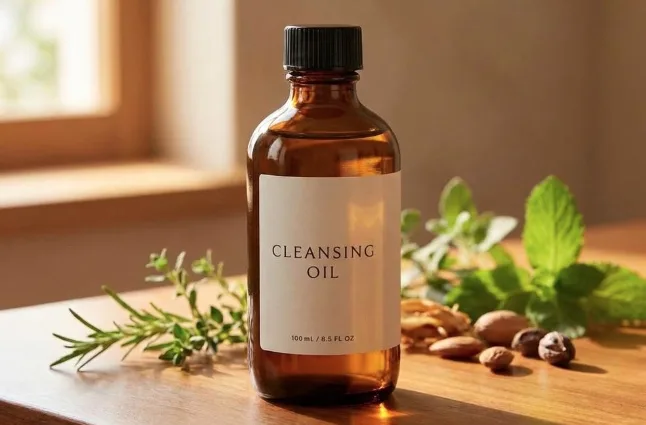
hero_image_alt: Japanese pore cleansing oil bottle on natural wood surface for gentle skincare massage
thumbnail: /images/stock/amber-cleansing-oil-bottle-on-wood.webp
thumbnail_alt: Japanese pore cleansing oil bottle on natural wood surface for gentle skincare massage
reading_time: 6
author: Editorial Team
publish: true
Japanese Cleansing Oil: Pore Massage Time Limit Guide
Quick answer
In Japanese dermatological practice, facial massage with cleansing oil should strictly not exceed 60 seconds (with active circular motion limited to 30 to 45 seconds). While oil dissolves lipophilic cosmetic polymers, prolonged rubbing leaches essential intercellular ceramides from the stratum corneum and inflicts mechanical friction, provoking rebound oiliness and barrier dehydration rather than clearing pores.
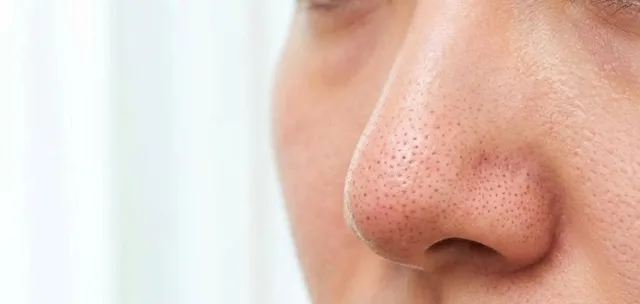
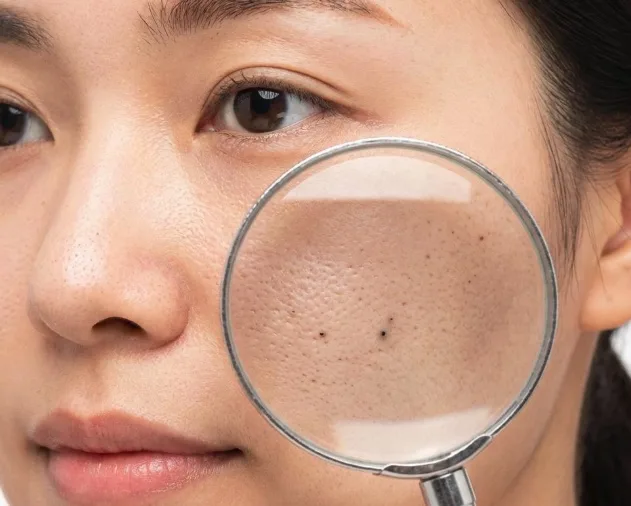
The desire to dislodge stubborn blackheads and gritty follicular plugs (kakusen) often leads skincare enthusiasts down a hazardous path: the viral "15-minute oil massage." Proponents claim that massaging cleansing oil continuously over the nose and chin will effortlessly roll hardened sebum plugs out of pores onto fingertips.
However, Japanese cosmetic scientists and dermatologists issue a stern warning against prolonged oil rubbing. Cleansing oils are formulated with functional surfactants engineered to dissolve and suspend stubborn cosmetic binders quickly. Extending massage times beyond one minute breaks down the delicate lipid architecture of the skin. Here is an evidence-based breakdown of why cleansing oil massage requires a strict time limit, how prolonged contact causes friction and excessive lipid loss, and how to clarify pores safely.
The Composition of a Pore Plug: Why Oil Alone Cannot Dissolve Everything
To understand why prolonged oil massage fails to solve pore congestion, one must analyze the biochemistry of a follicular plug (kakusen):
70% Keratinized Protein: The primary structural scaffold of a pore plug consists of dense, compacted dead keratinocytes shed from the follicular lining.
30% Sebaceous Lipids: Oxidized squalene, free fatty acids, and wax esters bind the desquamated keratinocytes together into a solid plug.
Cleansing oil acts purely as a non-polar lipophilic solvent. It readily dissolves the 30% lipid fraction cementing the plug. However, oil has zero enzymatic or chemical capacity to dissolve the remaining 70% structural protein. Massaging oil for ten or fifteen minutes will not magically dissolve insoluble keratin; instead, aggressive rubbing pushes degraded makeup residues deeper into open follicular canals while scraping epidermal ridges.
Comparison: 45-Second Targeted Wash vs Prolonged Oil Massage
The biological impact of brief cleansing versus extended massage illustrates clear differences in barrier preservation:
Scroll horizontally to view full table
Factor
Japanese Recommended Method (30–60 Seconds)
Prolonged Oil Massage (5–15+ Minutes)
Pore Action
Dissolves surface oxidized lipids gently
Dislodges few plugs at the cost of massive irritation
Severe compensatory oil overproduction (inner dry)
Post-Wash Sensation
Soft, supple, refreshed (*sappari*)
Stinging, parched tightness, raw surface feel
The Two Critical Dangers: Excessive Lipid Stripping and Friction
Prolonged cleansing oil contact damages cutaneous integrity through two distinct physical mechanisms:
1. Excessive Lipid Extraction (Over-Stripping)
Cleansing oils contain non-ionic surfactants (such as PEG-glyceryl isostearates or polysorbates) designed to help oils rinse clean with water. When these surfactants sit on facial skin for several minutes, they infiltrate between surface corneocytes, solubilizing the skin's endogenous barrier lipids—ceramides, cholesterol, and free fatty acids. Once these lipids are leached away, trans-epidermal water loss (TEWL) surges, causing immediate dryness, peeling, and increased sensitivity.
2. Mechanical Dragging Friction (Masatsu)
When cleansing oil is first applied, it forms a thick, lubricating fluid boundary layer. However, within two to three minutes of continuous facial manipulation, volatile solvents evaporate, and oil emulsifies prematurely with sweat. The fluid cushion thins, causing finger pads to drag directly across epidermal contours. This repetitive friction breaks fragile anchoring fibrils, accelerates peri-follicular pigmentation, and weakens collagen fibers over time.
The Golden Japanese 60-Second Cleansing Protocol
To dislodge surface sebum safely while protecting barrier lipids, adopt the standard Japanese 60-second routine:
Dry Application (0–10 Seconds): Dispense 2 to 3 full pumps of cleansing oil into completely dry hands. Gently spread the oil across the entire face without rubbing, allowing non-polar solvents to soften cosmetic binders.
Targeted T-Zone Massage (10–35 Seconds): Using only the soft pads of your ring and middle fingers, perform gentle circular micro-motions over congested zones—the tip of the nose, nasal creases, and chin hollows. Never use forceful pressure.
Cheek and Perimeter Sweep (35–45 Seconds): Lightly glide palms over cheeks, forehead, and jawline for a brief 10 seconds. Cheeks produce minimal sebum and require almost zero massage.
The Critical Emulsification Splash (45–60 Seconds): Wet hands with lukewarm water (32°C–34°C) and massage lightly for 15 seconds until the oil transforms into a milky, opaque fluid (nyuka).
Rinse Completely: Splash 10 to 15 times with lukewarm water until the skin feels pristine and residue-free. Pat dry softly with a towel and replenish moisture immediately with hydrating lotion (keshosui) and emulsion (nyueki).
Signs to stop and when to see a doctor
If your skin exhibits intense facial flushing, persistent stinging when applying gentle lotions, visible flaking around the nose, or tiny irritation bumps after cleansing oil use, you have likely over-cleansed. Discontinue the oil routine immediately. According to the Japanese Dermatological Association (JDA), "Contact dermatitis is a common condition encountered in dermatological practice, and if the specific triggering substance is identified and contact is discontinued, it is considered a condition that can be fully resolved." [1]
Additionally, proper pore cleansing must always be coupled with daily ultraviolet defense. Clinical guidance emphasizes: "Regarding sunscreens, their consistent daily use is strongly recommended from the medical standpoint of future skin damage and skin cancer prevention." [2] While gentle oil cleansing keeps follicular openings clear, it cannot reverse deep solar damage or elastin degradation, as dermatologists confirm: "Normal biological aging involves the natural decline of physiological functions over time, whereas photoaging represents chronic, cumulative ultraviolet injury sustained by the skin tissue." [3] If redness, swelling, or burning persists beyond several days, seek professional medical guidance from a dermatologist.
FAQ
Q1. Why did gritty little plugs come out when I massaged my nose for 10 minutes?
A. Grits are often dried cosmetic clumps and torn keratin sheets rather than pure sebum plugs.(Details)
While prolonged rubbing may physically dislodge an occasional loose plug, most of the "grits" felt under fingers are coagulated oil residues, balling up with torn fragments of your skin's outer stratum corneum. The temporary satisfaction comes at the cost of severe barrier damage.
Q2. How often should I use cleansing oil for pore management?
A. Once daily during your evening routine is ideal for pore maintenance.(Details)
Using cleansing oil once every evening dissolves daily sunscreen, makeup, and accumulated sebum effectively. There is no benefit to using cleansing oil twice a day; morning skin rarely accumulates enough heavy lipid grime to justify oil surfactants.
Q3. Can I leave cleansing oil on my nose like a pore pack before massaging?
A. No, leaving surfactant-rich cleansing oil sitting on bare skin weakens barrier defenses.(Details)
Unlike pure botanical carrier oils (like jojoba or squalane), cleansing oils contain emulsifying surfactants. Leaving them on the skin without water creates a continuous solvent extraction process that strips natural ceramides. Keep total contact time within 60 seconds.
Q4. What is a safer alternative to prolonged oil massage for stubborn blackheads?
A. Weekly enzyme powder washes or gentle clay cleansers are significantly safer.(Details)
Because blackheads are 70% protein, proteolytic enzyme washes (containing papain or protease) break down keratin bonds chemically without physical friction. Pairing a 45-second oil cleanse with a weekly enzyme wash manages pore plugs without barrier compromise.
Q5. Why does my skin feel greasy a few hours after doing an oil massage?
A. Excessive lipid stripping triggers compensatory rebound sebum secretion.(Details)
When long massage sessions strip protective surface lipids, the skin's moisture barrier becomes compromised. Sebaceous glands respond to this acute dryness by producing an emergency surge of sebum, leaving the face shiny and oily within hours while underlying tissue feels dehydrated.
Summary
Pore cleansing oil is an exceptionally effective skincare tool when applied with scientific discipline:
Strict 60-Second Rule: Restrict active facial massage to 30–45 seconds, with total contact time under one minute.
Keratin vs Sebum: Oil dissolves the 30% lipid binder in pore plugs, but cannot dissolve the 70% structural keratin protein.
Avoid Friction & Stripping: Prolonged rubbing thins the lubricating cushion, dragging against skin and leaching vital ceramides.
Always Emulsify: Transform oil into a milky lotion with lukewarm water before rinsing cleanly, and follow with replenishing hydration (keshosui).
References
The Japanese Dermatological Association. Dermatological Q&A on Contact Dermatitis: Pathophysiology and Identifying Causative Contact Triggers (Q1). https://www.dermatol.or.jp/qa/qa4/q01.html (Accessed 2026-11-23)
The Japanese Dermatological Association. Dermatological Q&A on Sunscreen Application for Long-Term Prevention (Q25). https://www.dermatol.or.jp/qa/qa3/q25.html (Accessed 2026-11-23)
The Japanese Dermatological Association. Sunburn Q&A on Photoaging and Biological Alterations in Aging Skin (Q5). https://www.dermatol.or.jp/qa/qa2/q05.html (Accessed 2026-11-23)
Disclaimer: This article is for general information and education about Japanese cosmetics and their labels. It is not a substitute for professional medical advice, diagnosis, or treatment. Skincare results vary from person to person. Product formulas, availability, prices, and regulations change, and products sold in Japan can differ from versions sold elsewhere, so always check the current label. Do a patch test before introducing a new product, and consult a doctor or dermatologist if you have a skin condition or specific concerns.