title: Japanese Rice Bran Oil: Cleansing Oil vs Facial Oil slug: japanese-rice-bran-oil-cleansing-vs-facial-oil category: cleansing published_at: '2026-11-23' updated_at: '2026-11-23' meta_description: Compare Japanese rice bran oil in cleansing vs facial oils. Learn formula differences, emulsifier roles, and how to choose for your skincare routine. keywords:
- japanese rice bran oil cleansing vs facial oil
- kome nuka oil j-beauty routine
- rice bran cleansing oil emulsifiers
- pure rice bran facial oil barrier
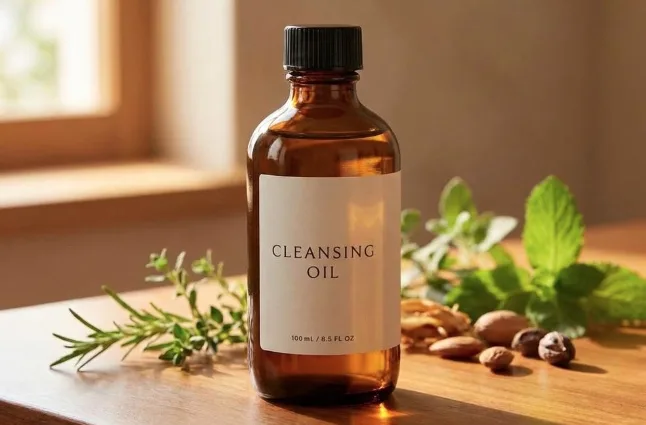
- gamma oryzanol japanese skincare lead_image: /images/stock/amber-cleansing-oil-bottle-on-wood.webp lead_image_alt: Amber bottle of Japanese rice bran skincare oil sitting on natural wood surface thumbnail: /images/stock/amber-cleansing-oil-bottle-on-wood.webp thumbnail_alt: Amber bottle of Japanese rice bran skincare oil sitting on natural wood surface author: Editorial Team publish: true
Japanese Rice Bran Oil: Cleansing Oil vs Facial Oil
For centuries, Japanese women have revered kome nuka (rice bran) as a cornerstone of traditional beauty. The nutrient-dense golden oil pressed from the outer husk and germ of whole brown rice is naturally abundant in oleic acid, linoleic acid, vitamin E (tocopherol and tocotrienol), and gamma-oryzanol—a potent lipid antioxidant unique to the rice plant.
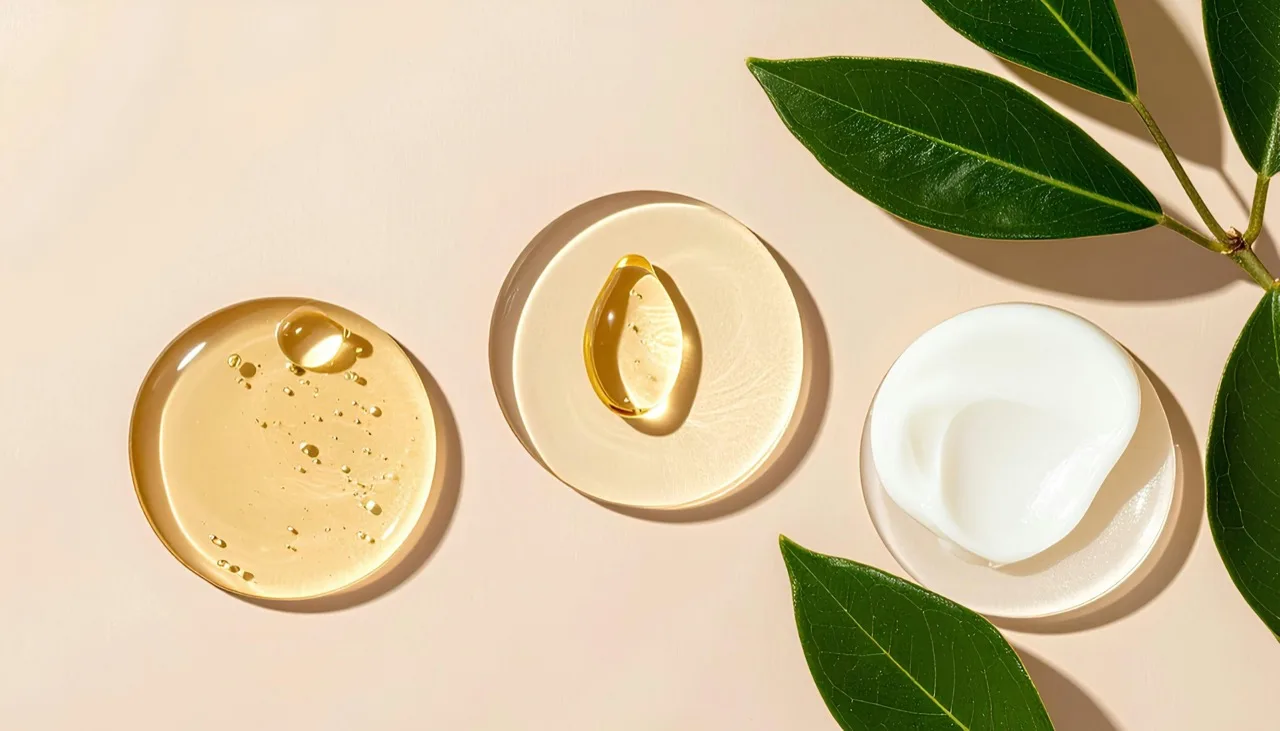
In modern J-Beauty aisles, however, shoppers frequently encounter rice bran oil in two very different cosmetic formats: rinse-off cleansing oils and leave-on facial oils. While both highlight kome nuka oil on their front labels, their physical chemistry, application methods, and skin functions are fundamentally opposite.
Quick answer: Japanese rice bran oil (kome nuka yu) serves two completely distinct skincare roles depending on formula design. Cleansing oils blend rice bran oil with emulsifying surfactants (like PEG-20 glyceryl triisostearate) to dissolve makeup and rinse clean with water. In contrast, leave-on facial oils contain 100% pure surfactant-free botanical lipids that nourish the epidermal barrier, seal in moisture, and provide antioxidant gamma-oryzanol without rinsing.
This guide examines the scientific differences between rinse-off and leave-on rice bran oils, explores how emulsifiers transform botanical lipids, and clarifies where each product belongs in your daily skincare routine.
Chemical Architecture: Why the Two Formulas Differ
At the heart of the difference is surface chemistry. Pure plant oils are hydrophobic (water-repelling) triglycerides. When applied to dry skin, they bond effortlessly with sebum, sunscreen filters, and pigment waxes. What happens after application determines whether the product cleanses or moisturizes:
[Pure Rice Bran Oil Base]
       │
       ├─► + Non-ionic Surfactants (e.g., PEG-20 Glyceryl Triisostearate)
       │         │
       │         ▼
       │   [Rinse-Off Cleansing Oil]
       │   - Dissolves sebum & waterproof cosmetics
       │   - Turns milky white upon water contact (emulsification)
       │   - Rinses away completely with lukewarm water
       │
       └─► + Botanical Squalane & Tocopherol (Zero Surfactants)
                 │
                 ▼
           [Leave-On Facial Oil]
           - Applied to freshly hydrated, clean skin
           - Absorbs into stratum corneum without rinsing
           - Seals in humectant hydration and fortifies lipid barrier
1. Rinse-Off Cleansing Oils (Surfactant-Assisted)
Japanese rice bran cleansing oils combine pure emollient oil with specialized rinse-off surfactants such as PEG-20 glyceryl triisostearate [1]. In these formulations, rice bran oil functions as a nourishing emollient base to dissolve stubborn makeup and loosen sebum plugs [1]. When you splash lukewarm water onto your face, the hydrophilic heads of the surfactants bind to water molecules while their lipophilic tails hold onto the oil, creating a light milky emulsion that rinses away without greasy film.
2. Leave-On Facial Oils (Pure Botanical Lipids)
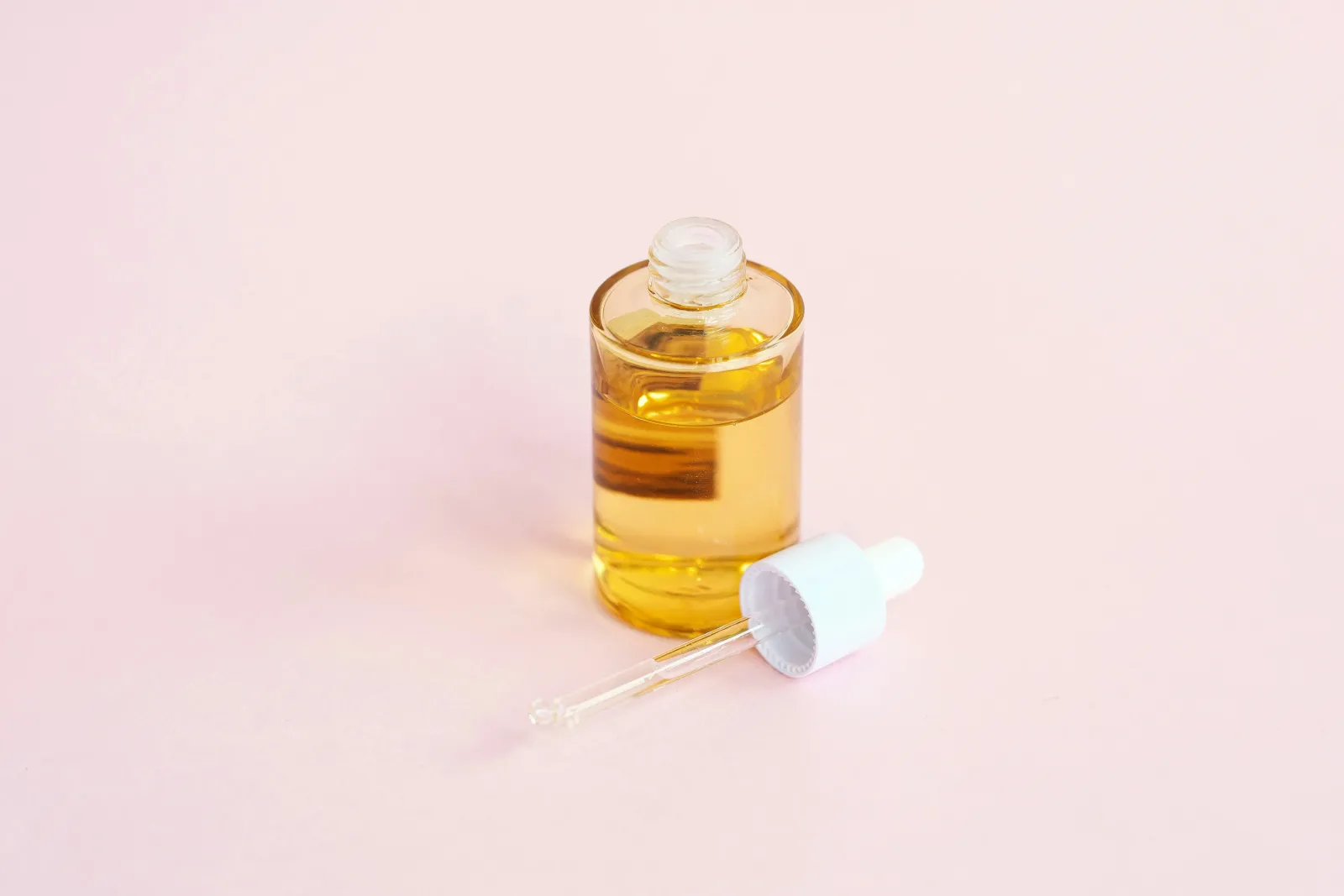
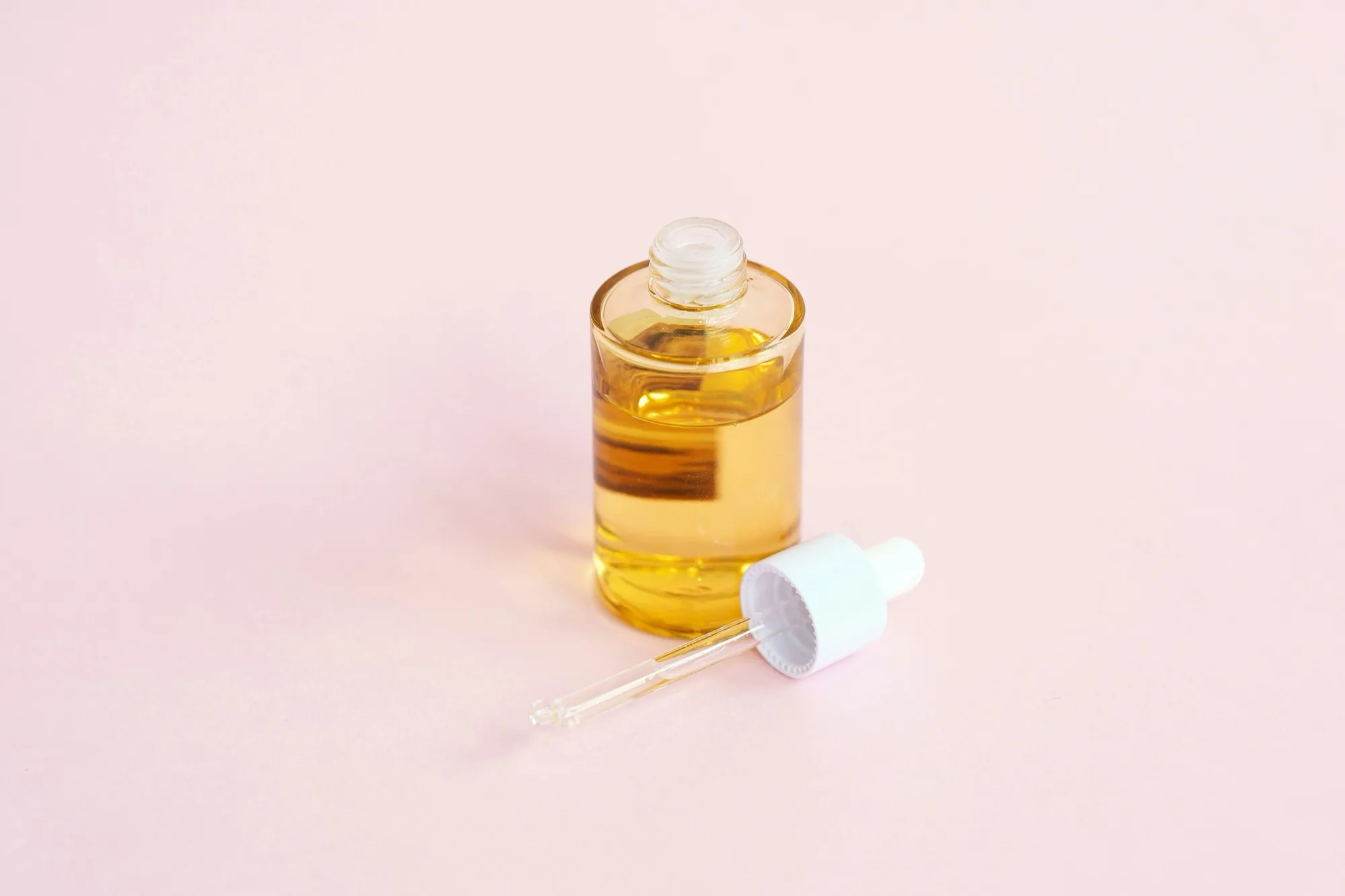
Conversely, pure Japanese leave-on facial oils formulate rice bran oil, rice germ oil, and squalane without synthetic surfactants [2]. Products like traditional Junmai cosmetic oils use a simple barrier-supportive lipid blend consisting of squalane, rice germ oil, rice bran oil, and tocopherol [2]. Because there are no emulsifiers to break down upon water exposure, these oils remain on the skin to replenish essential fatty acids and protect against moisture evaporation.
Side-by-Side Comparison: Cleansing Oil vs. Facial Oil
Understanding the structural divergence helps prevent common routine errors, such as leaving a cleansing oil on the skin or expecting a pure facial oil to rinse away with water:
Scroll horizontally to view full table
| Attribute | Rice Bran Cleansing Oil | Rice Bran Facial Oil |
|---|---|---|
| Primary Purpose | Dissolving makeup, sunscreen, and excess sebum | Moisture sealing, barrier lipid replenishment |
| Emulsifier Content | Contains non-ionic surfactants (PEG esters, polyglyceryl) | Surfactant-free (100% botanical lipids and antioxidants) |
| Routine Placement | Step 1 of double cleansing (evening only) | Final step of routine or blended into moisturizer |
| Water Interaction | Emulsifies instantly into a milky rinse | Repels water; beads on wet skin if applied alone |
| Residue Goal | Zero oily residue after thorough rinsing | Protective, soft-sheen cushion that sinks into skin |
| Skin Feel | Light-glide slip that washes cleanly away | Silky, rich botanical nourishment that conditions dry patches |