Japanese Soap Bar Cleansing: Traditional Facial Ritual
CleansingBy Seibun Lab Editorial Team
title: Japanese Soap Bar Cleansing: Traditional Facial Ritual
slug: japanese-soap-bar-facial-cleansing-tradition
category: cleansing
category_label: Cleansing
published_at: '2026-11-23'
updated_at: '2026-11-23'
meta_description: Discover traditional Japanese facial soap bars. Learn framed sekken craftsmanship, dense lathering rituals, and rinsing techniques to prevent residue.
description: Discover traditional Japanese facial soap bars. Learn framed sekken craftsmanship, dense lathering rituals, and rinsing techniques to prevent residue.
hero_image: /images/stock/natural-soap-bars-ingredients-selection.webp
hero_image_alt: Traditional Japanese facial soap bars and natural ingredients for gentle foaming cleanse
thumbnail: /images/stock/natural-soap-bars-ingredients-selection.webp
thumbnail_alt: Traditional Japanese facial soap bars and natural ingredients for gentle foaming cleanse
reading_time: 6
author: Editorial Team
publish: true
Japanese Soap Bar Cleansing: Traditional Facial Ritual
Quick answer
Traditional Japanese facial soap bars (sekken) remain beloved for their artisanal saponification craftsmanship, particularly cold-process kettle boiling (kamataki) and frame-molding (wakuneri). By retaining up to 30% natural moisturizing glycerin and botanical lipids, framed soaps produce an elastic micro-bubble cushion that cleanses with zero friction and rinses away crisply without synthetic surfactant persistence.
In an era dominated by high-tech liquid cleansers and automated foam dispensers, the humble solid soap bar (kokei sekken) continues to hold a revered status in Japanese beauty culture. From historic bathhouses in Kyoto to modern luxury department store counters, artisanal Japanese facial bars command dedicated followings across all age groups.
Overseas consumers often fear bar soaps, associating them with drying, harsh body detergents that leave skin feeling tight and parched. However, authentic Japanese facial soaps are crafted through centuries-old saponification arts engineered specifically for facial delicacy. When whipped into a dense, meringue-like lather and rinsed thoroughly with lukewarm water, Japanese soap bars provide a refreshing, pristine cleanse that respects the skin barrier. Here is an in-depth exploration of Japanese soap bar traditions, manufacturing science, and proper lathering etiquette.
Craftsmanship Science: Frame-Molding (Wakuneri) vs Machine-Milling
The critical difference between generic soap bars and Japanese luxury facial soaps lies in their manufacturing technique:
1. Frame-Molded Soaps (Wakuneri Sekken)
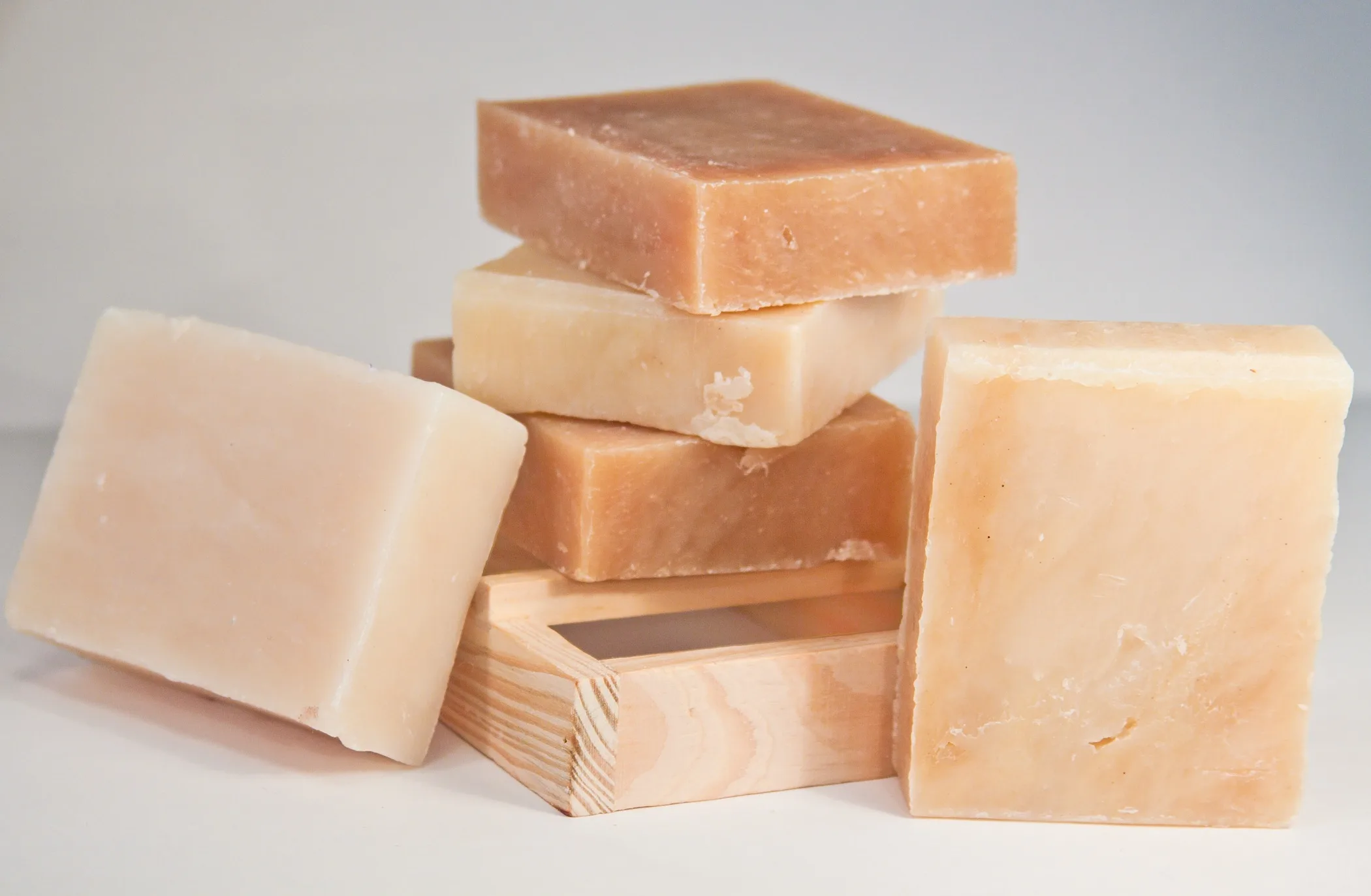
Artisanal Aging Process: Liquid soap base is poured into large rectangular molds and allowed to cool, solidify, and mature naturally over 30 to 90 days.
High Moisturizing Content: Because wakuneri soaps solidify slowly without machine extrusion, they can incorporate 20% to 30% moisturizing ingredients—including natural glycerin, squalane, honey, and botanical oils.
Translucent Beauty: Many framed bars are jewel-like and translucent (toumei sekken), indicating high concentrations of natural humectants.
2. Machine-Milled Soaps (Kikaineri Sekken)
Rapid Extrusion: Soap noodles are dried rapidly, mixed with fragrance, and compressed through mechanical extruders within minutes.
High Soap Purity: Contains roughly 95% to 98% pure soap fatty acid salts, with minimal room for moisturizing additives (typically under 2%).
Lather Characteristics: Produces rapid, voluminous lather that cleanses vigorously, making it ideal for standard body washing or extremely oily complexions.
Scroll horizontally to view full table
Feature
Japanese Framed Soap (Wakuneri)
Machine-Milled Soap (Kikaineri)
Maturation Duration
30 to 90 days of slow natural maturation
Instant industrial extrusion (minutes)
Moisturizing Agents Ratio
Up to 20% – 30% (glycerin, oils, plant extracts)
Minimal (typically under 2% to 5%)
Visual Appearance
Translucent, glassy, or hand-beveled
Opaque, uniform solid block
Post-Wash Finish
Supple, hydrated, smooth (*shittori*)
Crisp, squeaky clean (*sappari*)
Water Dissolution in Dish
Resistant to turning mushy if kept dry
Dissolves moderately depending on formulation
Recommended Target
Delicate facial skin, dry-combination, mature
Body washing, oily acne-prone T-zones
The Chemical Advantage: Self-Neutralizing Surfactant Action
Why do Japanese dermatologists and formulation chemists continue to appreciate traditional soap bars? The answer lies in how soap molecules behave when diluted:
Immediate Deactivation Upon Rinsing: Unlike many synthetic detergent surfactants that maintain cleansing action even at high water dilution, fatty acid soap salts (sodium or potassium salts of fatty acids) lose their surfactant capability as soon as water volume increases during rinsing. Once diluted, soap converts into harmless, inert fatty acids, ensuring that no active surfactant remains behind to degrade stratum corneum lipids.
Mild Alkaline Stimulation: Soap bars possess an alkaline pH (around 9.0 to 10.0). This brief alkaline contact softens surface keratinocytes, allowing oxidized sebum plugs to lift effortlessly.
The Acid Mantle Reset: While the skin temporarily shifts alkaline after washing, healthy stratum corneum naturally resets its protective acidic mantle (pH 5.0) within 30 to 60 minutes through normal perspiration and lactic acid secretion.
The Foam-Whipping and Rinsing Protocol
To experience the true elegance of a Japanese soap bar, the bar should never touch your face directly. Japanese skincare demands transforming the solid bar into a buoyant foam cushion:
1. Moisten Hands and Soap Bar
Wet your hands with clean lukewarm water (32°C to 34°C). Roll the soap bar between your palms 4 to 5 times until a creamy concentrate forms across your palms.
2. Introduce Air and Micro-Droplets of Water
Cup your non-dominant hand and use the fingertips of your dominant hand to whip the cream in rapid circular motions. Gradually add a few droplets of water, trapping air bubbles until the lather swells into a dense, stiff mound resembling meringue. A Japanese foaming net (awa-date net) can accelerate this process within 10 seconds.
3. Apply the Elastic Cushion (Zero Contact)
Place the dense mound of bubbles over your forehead, nose, and chin. Roll the foam over your skin using palm warmth and bubble pressure—your fingertips should never directly press or drag against the epidermal surface.
4. Diligent Tepid Rinsing (Preventing Soap Scum)
In hard water environments, soap ions can bind with calcium and magnesium to form microscopic soap scum (sekken kasu). Rinse thoroughly with 15 to 20 splashes of lukewarm water, paying particular attention to the hairline, temples, and under the jaw. The skin should feel smooth and pristine, with zero powdery residue.
Signs to stop and when to see a doctor
While traditional Japanese framed soaps are formulated with gentle emollients, individual sensitivities to specific saponified botanical oils (such as coconut or palm fatty acids), natural fragrances, or essential herbal extracts can occur. If you notice persistent stinging, spreading erythema, taut dry scaling, or contact hives after washing, discontinue use immediately. According to the Japanese Dermatological Association (JDA), "Contact dermatitis is a common condition encountered in dermatological practice, and if the specific triggering substance is identified and contact is discontinued, it is considered a condition that can be fully resolved." [1]
Furthermore, cleansing with traditional soap bars should always be followed by diligent daytime solar defense. Official clinical guidelines emphasize: "Regarding sunscreens, their consistent daily use is strongly recommended from the medical standpoint of future skin damage and skin cancer prevention." [2] While pure soap removes surface impurities and promotes natural skin turnover, it cannot reverse deep structural photo-damage alone, as dermatologists confirm: "Normal biological aging involves the natural decline of physiological functions over time, whereas photoaging represents chronic, cumulative ultraviolet injury sustained by the skin tissue." [3] If tightness or redness persists after stopping use, consult a licensed dermatologist.
FAQ
Q1. Can I use a regular body soap bar to wash my face?
A. No, facial bars contain significantly higher moisturizing buffers.(Details)
Standard supermarket body bars are machine-milled to achieve high degreasing power and cost efficiency, containing almost no moisturizing glycerin. Facial soap bars (especially framed wakuneri varieties) incorporate 20% to 30% emollient humectants engineered specifically to protect thin facial stratum corneum.
Q2. How should I store a Japanese facial soap bar to keep it from melting?
A. Use a well-draining slatted soap dish outside the steamy shower stall.(Details)
Because framed facial soaps contain high concentrations of natural glycerin, they naturally attract atmospheric moisture. Leaving the bar sitting in pooled water inside a humid shower causes it to soften quickly. Store the bar on a ventilated silicone or slatted wooden tray in a cool, ventilated area.
Q3. Does the alkaline pH of soap damage sensitive skin?
A. In healthy skin it resets quickly, but severely compromised barriers may prefer amino acid cleansers.(Details)
Healthy skin neutralizes the transient alkaline shift of soap wash within an hour. However, if your skin suffers from active atopic eczema, laser post-treatment sensitivity, or severe barrier disruption, the natural acid mantle may struggle to reset. In those specific scenarios, weakly acidic amino acid foam washes are gentler.
Q4. Does a facial soap bar remove makeup and water-resistant sunscreen?
A. It washes away daily dust and light mineral powder, but waterproof formulas require oil cleansing.(Details)
Soap dissolves sebum and water-soluble sweat effortlessly. However, resilient waterproof sunscreens and long-wearing foundations contain silicone film formers that resist soap lather. Practice double cleansing by melting makeup with a cleansing oil or balm before following with your soap bar foam.
Q5. What is the difference between transparent and opaque Japanese soap bars?
A. Transparent bars contain high levels of dissolved sucrose and glycerin.(Details)
Transparent soaps (*toumei sekken*) are crafted by dissolving the soap mass in alcohol, sugars, and glycerin before setting. This prevents fatty acid crystallization, resulting in a crystal-clear appearance and a noticeably softer, moisture-rich lather compared to opaque machine-milled bars.
Summary
Traditional Japanese facial soap bars combine centuries of artisanal saponification with sophisticated barrier respect:
Framed Craftsmanship (Wakuneri): 30 to 90 days of natural maturation allows up to 30% moisturizing glycerin retention.
Self-Deactivating Surfactants: Soap molecules lose surface activity upon dilution, leaving zero active detergent residue.
Elastic Micro-Lather: Dense, stiff foam cushions fingertips, upholding the cardinal J-Beauty rule of zero physical friction.
Pure Clean Finish: Leaves skin feeling thoroughly clarified (sappari) yet comfortable, primed for hydrating lotions (keshosui).
References
The Japanese Dermatological Association. Dermatological Q&A on Contact Dermatitis: Pathophysiology and Identifying Causative Contact Triggers (Q1). https://www.dermatol.or.jp/qa/qa4/q01.html (Accessed 2026-11-23)
The Japanese Dermatological Association. Dermatological Q&A on Sunscreen Application for Long-Term Prevention (Q25). https://www.dermatol.or.jp/qa/qa3/q25.html (Accessed 2026-11-23)
The Japanese Dermatological Association. Sunburn Q&A on Photoaging and Biological Alterations in Aging Skin (Q5). https://www.dermatol.or.jp/qa/qa2/q05.html (Accessed 2026-11-23)
Disclaimer: This article is for general information and education about Japanese cosmetics and their labels. It is not a substitute for professional medical advice, diagnosis, or treatment. Skincare results vary from person to person. Product formulas, availability, prices, and regulations change, and products sold in Japan can differ from versions sold elsewhere, so always check the current label. Do a patch test before introducing a new product, and consult a doctor or dermatologist if you have a skin condition or specific concerns.