title: Japanese Baby Foot Peeling Mask: Science, Timeline & Safety slug: japanese-baby-foot-peeling-mask-dead-skin category: concerns published_at: '2026-11-23' updated_at: '2026-11-23' meta_description: Discover how Japanese Baby Foot peeling masks shed dead skin using fruit AHAs. Learn the 14-day peeling timeline, safety rules, and barrier recovery tips. keywords:
- japanese baby foot peeling mask dead skin
- baby foot peeling timeline
- glycolic acid foot peel japan
- dead skin removal foot mask
- baby foot chemical exfoliation safety lead_image: /images/stock/foot_bath.webp lead_image_alt: Relaxing warm foot bath preparing feet for gentle Japanese chemical peel exfoliation thumbnail: /images/stock/foot_bath.webp thumbnail_alt: Relaxing warm foot bath preparing feet for gentle Japanese chemical peel exfoliation author: Editorial Team publish: true
Japanese Baby Foot Peeling Mask: Science, Timeline & Safety
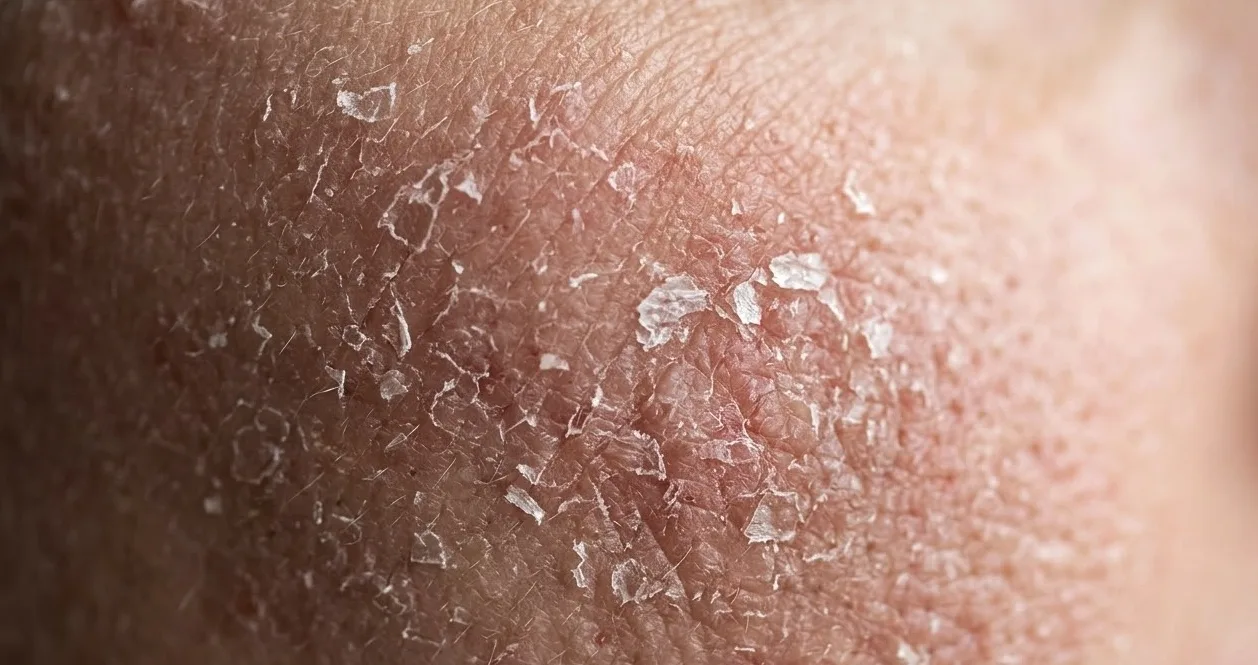
Rough heels, cracked soles, and rigid yellow calluses are among the most persistent body concerns worldwide. For decades, standard foot care relied on coarse pumice stones, metal rasps, or razor blades—physical filing tools that often leave jagged edges, trigger defensive rebound thickening, and carry significant infection risks.
In 1997, Japanese beauty innovator Liberta pioneered an entirely different approach by launching Baby Foot (Easy Pack). Designed as plastic sock booties pre-filled with botanical gel lotions, this iconic J-Beauty invention took the global skincare world by storm. Instead of physically grinding down hardened heels, Baby Foot harnesses concentrated chemical keratolytics to dissolve cellular bonds, allowing thick layers of expired stratum corneum to shed naturally over subsequent days.
Quick answer: The Japanese Baby Foot peeling mask is a non-abrasive chemical exfoliation care step that utilizes fruit-derived alpha hydroxy acids (glycolic and lactic acids) to dissolve the desmosome cellular bonds binding expired, calloused skin to the soles. Over a natural 7-to-14-day timeline following a single 30-to-60-minute sock application, rigid dead keratin painlessly sheds through daily walking friction to reveal smooth, supple skin.
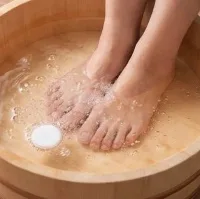
However, achieving smooth feet without compromising the underlying skin barrier requires respecting the biological peeling timeline and strict safety guidelines. This guide explains the dermatological science of foot peeling, outlines the 14-day shedding cycle, and details critical precautions to prevent irritation.
Why Heel Calluses Form: The 120-Day Turnover Cycle
To understand why chemical foot peels are so dramatic, one must examine the unique histology of plantar skin on the soles of human feet:
[Constant Bodyweight Load & Footwear Friction]
         │
         ▼
[Epidermal Defensive Signaling: Keratin Hyper-Synthesis]
         │
         ▼
[Sluggish Stratum Corneum Turnover: ~120 Days vs. ~28 Days on Face]
         │
         ▼
[Massive Buildup of Expired Desmosome-Linked Corneocytes]
         │
         ▼
[Rigid, Dehydrated Calluses Prone to Painful Deep Cracking]
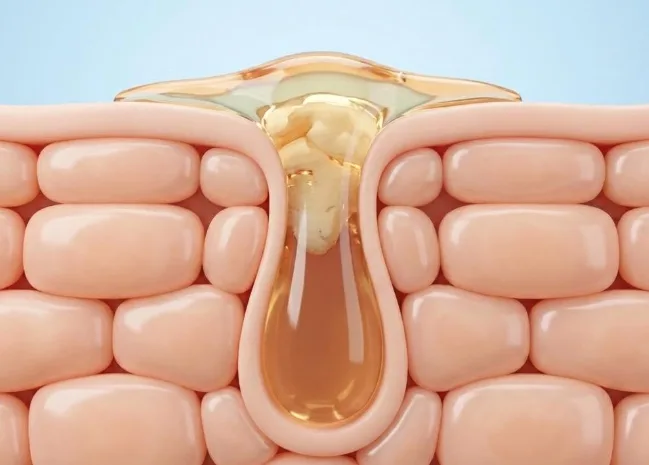
Human soles lack sebaceous oil glands entirely, relying exclusively on eccrine sweat glands and epidermal lipids for hydration. Because the feet bear our full body weight, epidermal tissue thickens defensively when subjected to repeated mechanical friction and pressure from footwear and daily locomotion [2].
Furthermore, while facial skin renews roughly every twenty-eight days, heel stratum corneum turnover requires approximately one hundred twenty days, allowing thick calluses to accumulate [2]. Without periodic care, dead keratin layers stack up into rigid, impenetrable calluses that resist ordinary moisturizing creams.
The Chemical Peeling Mechanism: Dissolving Desmosomes
Baby Foot works through chemical exfoliation rather than mechanical scraping. The liquid gel formula is anchored by high-potency fruit-derived alpha hydroxy acids (AHAs):
- Glycolic Acid: The smallest molecular weight AHA. It diffuses into the dense keratin matrix of calloused skin.
- Lactic Acid: A slightly larger, gentler AHA with natural humectant properties that softens rigid dead tissue while conditioning the barrier.
- Salicylic Acid (BHA): A lipid-soluble acid that clears out sebum and dead debris from deep sole crevices.
- Botanical Extracts: 17 natural conditioning herbs (including chamomile, sage, ivy, and burdock root) that soothe surrounding tissue during the acidic contact phase.
Corneocyte cells in the stratum corneum are held together by tiny protein rivets called corneodesmosomes. When the feet soak inside the booties for 30 to 60 minutes, the acidic solution diffuses through the hardened intercellular cement, breaking down these protein rivets without damaging living dermal layers beneath.
Comparing Chemical Foot Peels with Physical Rasps
Understanding how chemical peels compare to traditional foot rasping illustrates why dermatologists generally discourage aggressive physical scrapers:
Scroll horizontally to view full table
| Feature | Japanese Chemical Foot Mask | Metal Foot Rasp / "Cheese Grater" | Pumice Stone / Sanding File |
|---|---|---|---|
| Action Type | Biochemical bond dissolution (AHAs) | Physical shearing / cutting | Surface mechanical friction |
| Evenness of Removal | Uniform shedding across full sole contour | Uneven gouging; sharp ridges left behind | Superficial; only files raised bumps |
| Rebound Thickening | Low (skin does not sense blunt trauma) | High (skin defends against severe cuts) | Moderate (friction stimulates calluses) |
| Infection Risk | Low when used on intact skin | High (risk of micro-lacerations and cuts) | Moderate (porous stone harbors bacteria) |
| Application Sensation | Cool gel soak; zero abrasion during wear | Scraping, pulling, and friction heat | Rough rubbing in bath or shower |
| Frequency | Once every 2 to 3 months | Weekly or bi-weekly | Weekly in shower |