title: Japanese Sebum Control Toners: T-Zone Shine Guide
slug: japanese-sebum-control-toner-for-t-zone-shine
category: concerns
category_label: Skin Concerns & Types
published_at: '2026-11-23'
updated_at: '2026-11-23'
meta_description: Learn how Japanese sebum toners balance T-zone shine. Discover wipe-off lotions, silica micro-powders, astringent botanicals, and gentle cotton care.
description: Learn how Japanese sebum toners balance T-zone shine. Discover wipe-off lotions, silica micro-powders, astringent botanicals, and gentle cotton care.
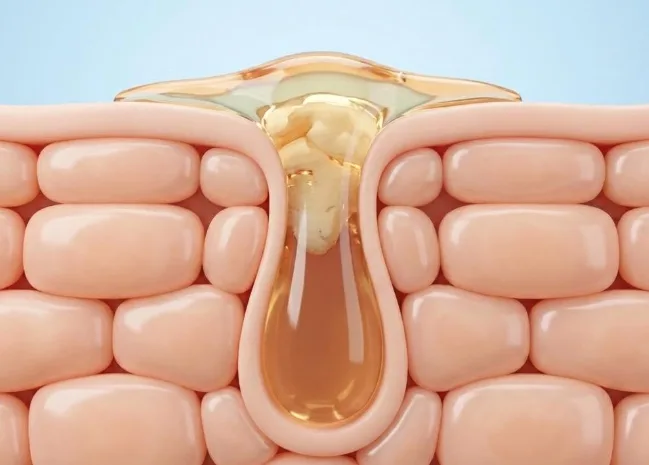
hero_image: /images/stock/pore-plug-sebum-cross-section-diagram.webp
hero_image_alt: Cross-section diagram illustrating follicular sebum secretion and T-zone pore dynamics
thumbnail: /images/stock/pore-plug-sebum-cross-section-diagram.webp
thumbnail_alt: Cross-section diagram illustrating follicular sebum secretion and T-zone pore dynamics
reading_time: 6
author: Editorial Team
publish: true
Japanese Sebum Control Toners: T-Zone Shine Guide
Quick answer
Japanese sebum control toners manage midday T-zone shine through a balanced two-step methodology: gently clearing oxidized lipid debris with low-friction wipe-off lotions (fukitori keshosui) and absorbing excess oil using bi-phase silica micro-powders without dehydrating delicate cheek zones or triggering rebound sebum overproduction.
Midday shine across the forehead, nose, and chin—collectively known as the T-zone—is one of the most widespread dermatological frustrations worldwide. In Western skincare, combating oily shine has historically relied on high-proof alcohol astringents, harsh clays, or aggressive degreasing cleansers. However, Japanese cosmetic chemists recognize that stripping away the surface lipid mantle triggers a protective rebound response, causing sebaceous glands to pump out even more oil to compensate for moisture depletion.
In Japanese beauty philosophy, managing oily shine is approached with surgical nuance. Rather than attempting to suppress natural sebum production, Japanese sebum control toners and wipe-off lotions (fukitori keshosui) balance follicular hygiene. By pairing porous oil-absorbing mineral silicas with mild keratolytic agents and hydrating botanicals, these formulations maintain a fresh, matte-touch finish while preserving stratum corneum hydration.
The Physiology of T-Zone Sebum & Dehydrated Oily Skin
Sebaceous glands are not evenly distributed across human facial skin; the forehead and central nose feature a gland density up to five times greater than the lateral cheeks. When navigating shine, Japanese dermatologists categorize oiliness into distinct physiological patterns:
True Sebaceous Hyperactivity: Naturally abundant sebum production driven by genetics, androgens, or humid summer climates.
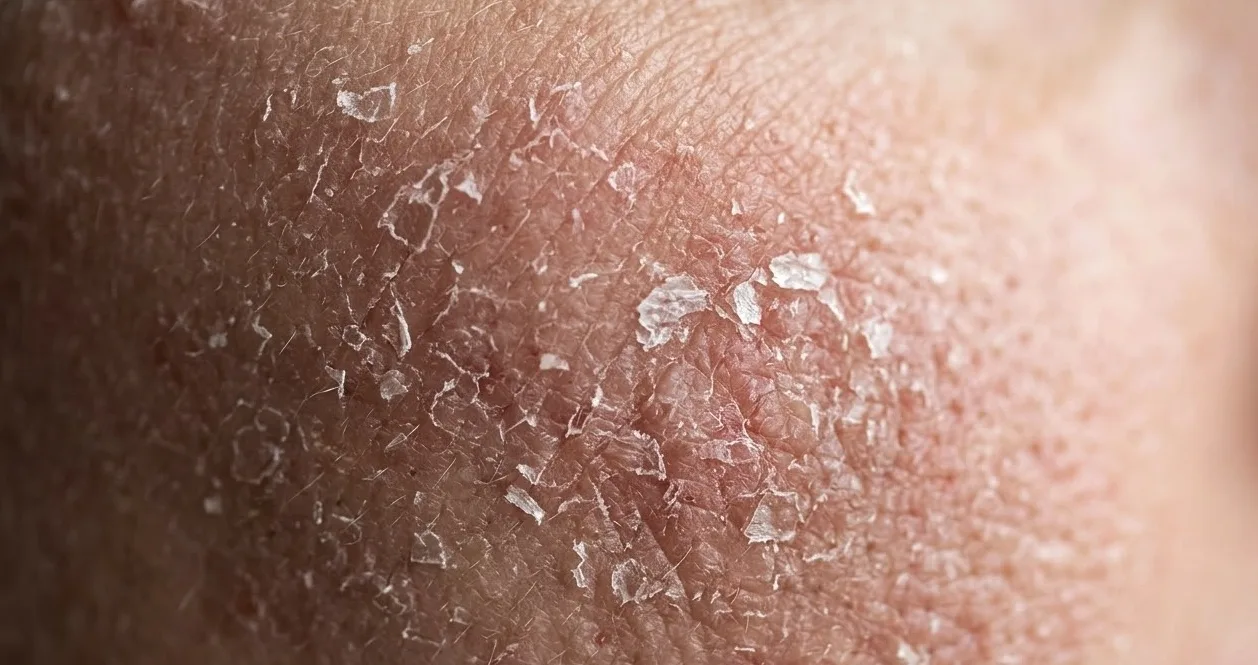
Dehydrated Oily Skin (Inner-Dry / Inna-Dorai): The stratum corneum lacks natural moisturizing factors (NMF) and intercellular ceramides. In response to moisture loss, the skin produces excess surface oil as an emergency lipid barrier, resulting in a tight, uncomfortable feel underneath noticeable afternoon shine.
Oxidized Keratin Plugs (Kakusen): Squalene and unsaturated fatty acids in sebum oxidize upon exposure to ambient air and UV rays, combining with shed corneocytes to form dark plugs inside dilated pore openings.
Scroll horizontally to view full table
Lotion Category
Wipe-Off Toner (Fukitori Keshosui)
Bi-Phase Powder Toner (Sei-Ki Keshosui)
Core Architecture
Clear aqueous solution with mild fruit acids
Two-layer suspension: liquid base + mineral silica
Primary Mechanism
Lifts oxidized surface sebum & dead cells
Micro-powders absorb sebum as it surfaces
Application Tool
Saturated plush Japanese cotton pad
Shaken well; patted via palms or cotton pad
Sensory Finish
Refreshed, clean, smooth, non-stripped
Velvety, soft-focus matte, humidity-resistant
Ideal Skin Profile
Rough texture, clogged pores, dull skin
Excess midday oiliness, makeup slippage
Formulation Science Behind Japanese Shine Control
Japanese sebum control lotions combine physical adsorption, mild biological clearing, and botanical astringency:
1. Porous Silica & Mineral Micro-Powders
In bi-phase shake-well toners, formulators suspend spherical silica micro-particles. These porous beads feature immense surface area, capillary-drawing sebum away from skin without absorbing moisture. They create an invisible light-diffusing film that blurs pore contours.
2. Mild Biological Wipe-Off Actives
Japanese fukitori lotions incorporate gentle organic acids (like lactic acid, citric acid, or fermented pear broth) buffered at physiological pH (5.0 to 6.0). Unlike high-percentage chemical peels, these lotions dissolve only the loose intercellular desmosomes holding dead cells and hardened sebum plugs together.
3. Botanical Astringents & Soothing Quasi-Drugs
Extracts of Houttuynia cordata (dokudami), green tea (cha-ekisu), and witch hazel provide gentle tightening effects on pore margins. Simultaneously, approved quasi-drug actives like dipotassium glycyrrhizate (kanzo-ekisu) soothe redness around inflamed sebaceous follicles.
The Zero-Friction Cotton Technique (Zero-Masatsu)
When using a wipe-off lotion, physical friction (masatsu) poses the greatest danger to your skin barrier. Japanese beauty training emphasizes a strict low-friction protocol:
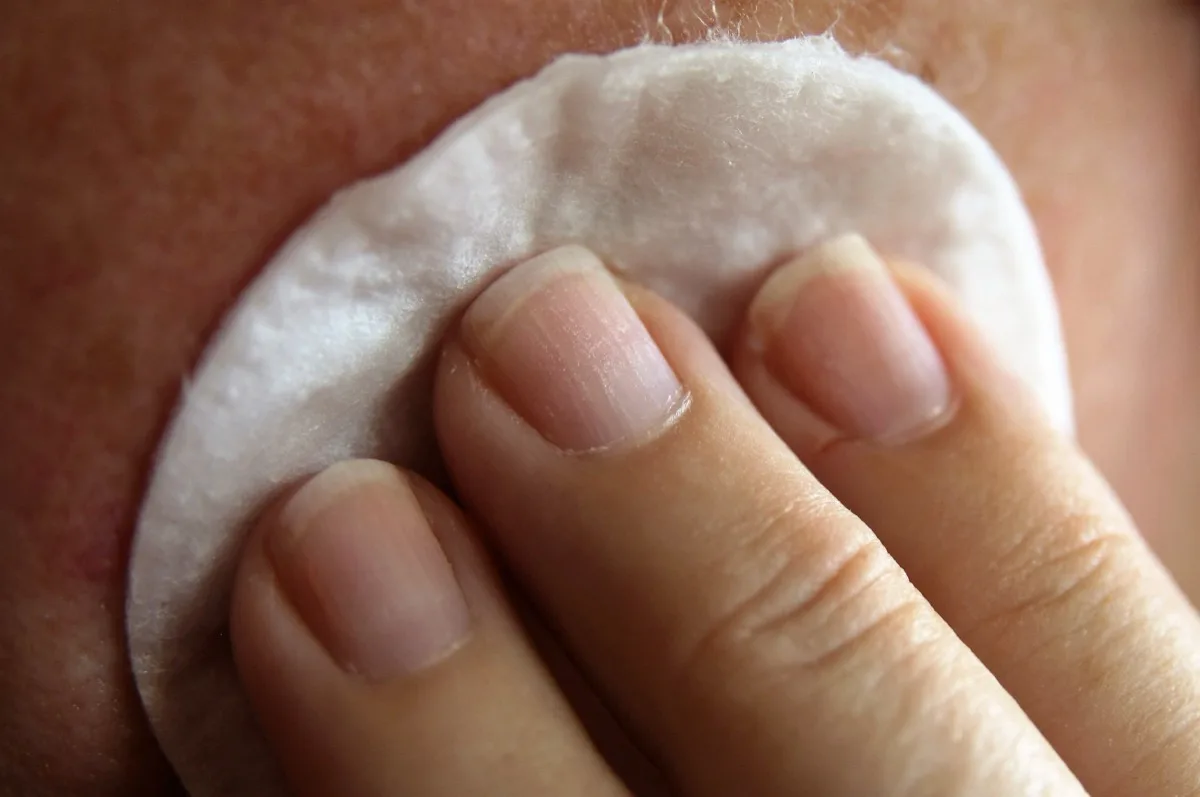
Step 1: Thorough Pad Saturation: Pour enough fukitori lotion onto a thick, unbleached multi-layer cotton pad until it is translucent and dripping wet. A dry or half-soaked cotton pad will drag against the epidermis, causing micro-tears.
Step 2: Gentle Featherlight Gliding: Hold the pad between your index and ring fingers. Glide the pad across the T-zone using featherlight pressure—never scrub, pull, or rub vigorously.
Step 3: Zone Targeting: Focus exclusively on oil-prone regions: nasal creases, forehead center, and chin. Glide lightly over sensitive cheek areas without lingering.
Step 4: Immediate Moisture Replenishment: Follow immediately with your regular hydrating lotion (keshosui) and emulsion (nyueki) to ensure the barrier remains supple.
Day vs. Night Care & Sun Protection
Strategic timing ensures balanced oil control without stripping:
Morning Prep: A gentle swipe of wipe-off lotion removes overnight sebum and sweat without requiring a stripping morning foam wash. Pat a bi-phase powder toner over the T-zone before makeup to anchor base products against summer humidity.
Sun Protection Requirement: Sebum control products do not replace UV protection. Applying broad-spectrum SPF shields sebum from photo-oxidation. Regarding sunscreens, their consistent daily use is strongly recommended from the medical standpoint of future skin damage and skin cancer prevention.[2]
Long-Term Skin Vitality: Maintaining proper oil-water balance protects against chronic environmental wear, keeping in mind that normal biological aging involves the natural decline of physiological functions over time, whereas photoaging represents chronic, cumulative ultraviolet injury sustained by the skin tissue.[3]
Signs to stop and when to see a doctor
While Japanese sebum control lotions are formulated with barrier respect in mind, individual cutaneous reactions remain possible:
Immediate Product Discontinuation: If you develop sharp stinging, intense redness, tightness, flaking, or an itchy rash after introducing a wipe-off toner, discontinue use immediately.
Understanding Allergic Triggers: Contact dermatitis is a common condition encountered in dermatological practice, and if the specific triggering substance is identified and contact is discontinued, it is considered a condition that can be fully resolved.[1]
When to Consult a Physician: If severe redness, persistent cystic breakouts, yellow crusting, or burning pain occur, schedule an appointment with a board-certified dermatologist. These symptoms may signify seborrheic dermatitis, rosacea, or bacterial infection, which require medical prescription care.
FAQ
Q1. Can I use a wipe-off sebum toner every single day?
A. Most gentle Japanese wipe-off lotions are safe for daily morning use.(Details)
Unlike Western high-strength exfoliating toners, Japanese daily *fukitori* lotions are formulated with mild fruit acids and buffered humectants intended for daily application. However, if your skin is delicate or experiencing seasonal barrier sensitivity, limit usage to two or three times weekly.
Q2. Does using oil-control toner dry out the cheeks?
A. Apply oil-control products selectively to the T-zone to protect cheeks.(Details)
Most individuals possess combination skin, meaning cheek skin has far fewer sebaceous glands than the forehead and nose. Apply sebum control and bi-phase powder toners specifically to oily central zones, while applying richer ceramide lotions to your cheeks.
Q3. Why do bi-phase powder toners have sediment at the bottom?
A. The sediment is porous mineral silica powder that must be shaken.(Details)
Bi-phase lotions intentionally separate into a clear aqueous conditioning phase and a bottom sediment layer of micro-fine silica or zinc oxide powders. Shaking the bottle vigorously before each use disperses these micro-powders evenly throughout the liquid for uniform application.
Q4. Can I skip moisturizer if my T-zone is extremely oily?
A. No, skipping moisturizer triggers compensatory rebound oiliness.(Details)
When you withhold moisture, surface water evaporates rapidly, signaling sebaceous glands to produce excess sebum as a defensive barrier. Instead of skipping moisturizer, choose an oil-free water gel or lightweight milky emulsion (*nyueki*) that hydrates without pore weight.
Q5. Can men benefit from Japanese sebum control toners?
A. Yes, male skin typically produces more sebum and benefits greatly.(Details)
Due to higher androgen levels, male skin produces roughly twice as much sebum as female skin while possessing lower baseline hydration. Japanese sebum control toners offer an ideal non-greasy solution for men seeking to reduce shine and freshen post-shave skin.
Summary
Balancing T-zone shine requires precision, restraint, and deep hydration:
Distinguish True Oiliness from Dehydration: Recognize that excessive shine often masks underlying moisture loss (inner-dry condition).
Deploy Two Distinct Formats: Use clear wipe-off lotions to clear oxidized follicular debris, and bi-phase shake-well powder toners to adsorb midday shine.
Practice Zero Friction: Always saturate cotton pads completely and glide across skin with featherlight touches to avoid mechanical barrier damage.
Always Restore Moisture: Follow shine-control steps with lightweight ceramide hydration and dependable daytime sunscreen protection.
References
The Japanese Dermatological Association. Dermatological Q&A on Contact Dermatitis: Pathophysiology and Identifying Causative Contact Triggers (Q1). https://www.dermatol.or.jp/qa/qa4/q01.html (Accessed 2026-11-23)
The Japanese Dermatological Association. Dermatological Q&A on Sunscreen Application for Long-Term Prevention (Q25). https://www.dermatol.or.jp/qa/qa3/q25.html (Accessed 2026-11-23)
The Japanese Dermatological Association. Sunburn Q&A on Photoaging and Biological Alterations in Aging Skin (Q5). https://www.dermatol.or.jp/qa/qa2/q05.html (Accessed 2026-11-23)
Disclaimer: This article is for general information and education about Japanese cosmetics and their labels. It is not a substitute for professional medical advice, diagnosis, or treatment. Skincare results vary from person to person. Product formulas, availability, prices, and regulations change, and products sold in Japan can differ from versions sold elsewhere, so always check the current label. Do a patch test before introducing a new product, and consult a doctor or dermatologist if you have a skin condition or specific concerns.