Japanese Care for Dry Patches Around Nose and Mouth
ConcernsBy Editorial Team
title: Japanese Care for Dry Patches Around Nose and Mouth
slug: japanese-dry-patches-around-nose-and-mouth
category: concerns
category_label: Skin Concerns & Types
published_at: '2026-11-23'
updated_at: '2026-11-23'
meta_description: Learn how Japanese skincare prevents flaky dry patches around the nose and mouth. Discover pinpoint layering, micro-balm seals, and gentle cotton care.
description: Learn how Japanese skincare prevents flaky dry patches around the nose and mouth. Discover pinpoint layering, micro-balm seals, and gentle cotton care.
hero_image: /images/stock/dry-skin-closeup-tingling.webp
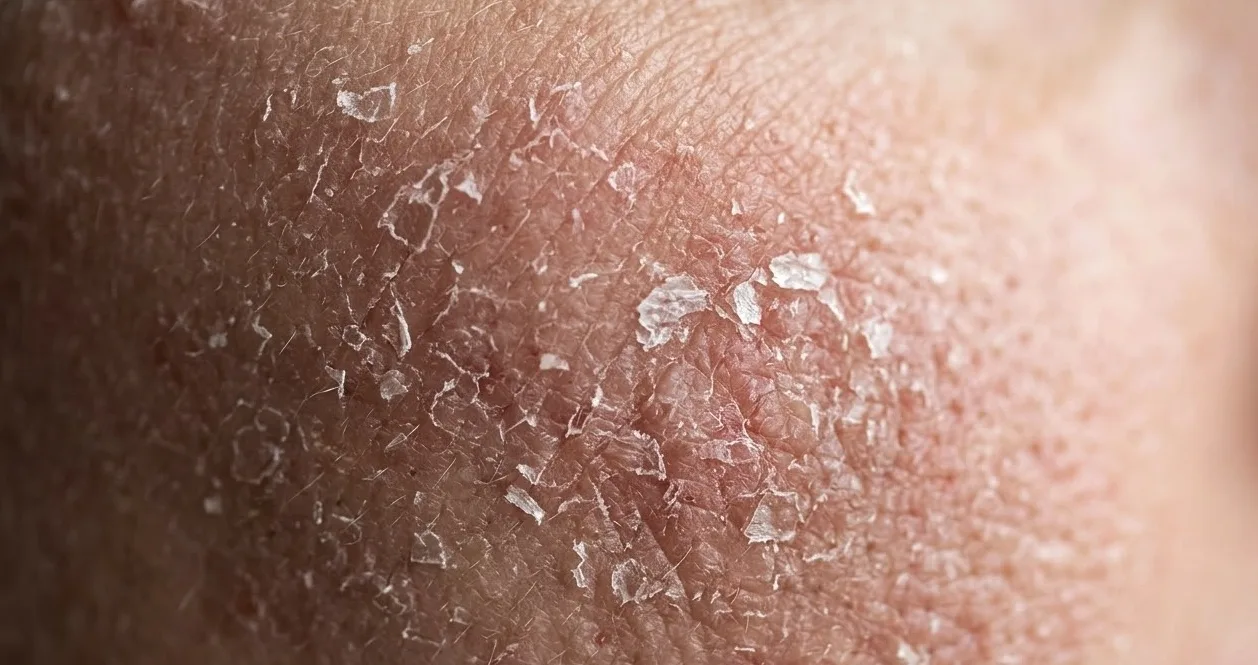
hero_image_alt: Close-up of parched, flaky epidermal texture experiencing dryness around facial contours
thumbnail: /images/stock/dry-skin-closeup-tingling.webp
thumbnail_alt: Close-up of parched, flaky epidermal texture experiencing dryness around facial contours
reading_time: 6
author: Editorial Team
publish: true
Japanese Care for Dry Patches Around Nose and Mouth
Quick answer
Japanese skincare prevents flaky dry patches around the nose and mouth through localized pinpoint layering (kasane-dzuke). By delivering multi-tier humectant hydration via gentle fingertip pressing and sealing delicate alar and oral creases with high-purity micro-balms, J-beauty cushions vulnerable focal zones without disrupting overall complexion balance.
During dry winter months, seasonal pollen surges, or recovery from cold weather, localized flaking around the nostrils (alar base) and oral contours (nasolabial folds and chin) presents a frustrating cosmetic challenge. While the cheeks and forehead may feel comfortable, the delicate skin surrounding the mouth and nose often appears rough, tight, and prone to makeup clinging or foundation separation.
In Japanese cosmetic methodology, this localized flaking is approached with targeted precision rather than slathering heavy, pore-smothering ointments over the entire face. Because the perioral and nasal zones possess unique anatomical dynamics—including continuous facial expression movement and frequent friction—Japanese formulators advocate pinpoint layering (kasane-dzuke) and micro-barrier sealing. Here is how to soothe focal flakiness while respecting the skin's natural moisture barrier.
Anatomical Triggers: Why Nose & Mouth Areas Flake First
The perioral and perinasal zones are biologically vulnerable to localized barrier breakdown due to several converging factors:
Constant Mechanical Motion: Smiling, speaking, and eating subject the skin around the mouth to thousands of micro-folds daily, stretching the intercellular lipid mortar between corneocytes.
Friction from Tissue Wiping: Blowing or wiping the nose with dry paper tissues mechanically strips away the superficial lipid veil, causing acute micro-abrasions along nasal folds.
Trapped Exhalation Dynamics: The continuous flow of warm, moist breath creates a cycle of rapid surface swelling followed by abrupt evaporation, which leaches natural moisturizing factors (NMF) from surrounding tissue.
Scroll horizontally to view full table
Factor
Localized Perioral / Nasal Flaking
Diffuse Facial Dehydration
Affected Zones
Nasal alar creases, lip perimeter, chin folds
Forehead, cheeks, full facial surface
Primary Trigger
Physical tissue friction + muscle motion
Low ambient humidity + harsh facial cleansing
Application Approach
Targeted pinpoint dab (*kasane-dzuke*)
Broad palm pressing across the face
Formula Texture
High-purity petrolatum balm or lipid stick
Fluid milky emulsion (*nyueki*) or gel cream
Makeup Impact
Foundation cracks, pilling, white flakes
Dullness, fine surface dryness lines
The Japanese Solution: Pinpoint Layering (Kasane-Dzuke)
Rather than switching your entire routine to an overly rich cream that could trigger breakouts along your forehead or cheeks, Japanese beauty advisors recommend targeted layering:
1. Watery Hydration Buffering
After applying your morning or evening lotion (keshosui) across your face, pour an extra coin-sized amount into your palms. Using the soft pads of your ring fingers, gently press the fluid directly into the nasal folds and around the lips. Tap lightly for ten seconds until the parched stratum corneum softens.
2. Ceramide Emulsion Reinforcement
Smooth your regular emulsion (nyueki) over the full face, then take a tiny drop specifically for the flaky zones. Pressing bio-identical human-type ceramides (NP, AP, EOP) into micro-crevices restores the intercellular lipid bilayer that holds shedding skin cells flat.
3. The Micro-Balm Seal (Kodo Seisei Vaseline)
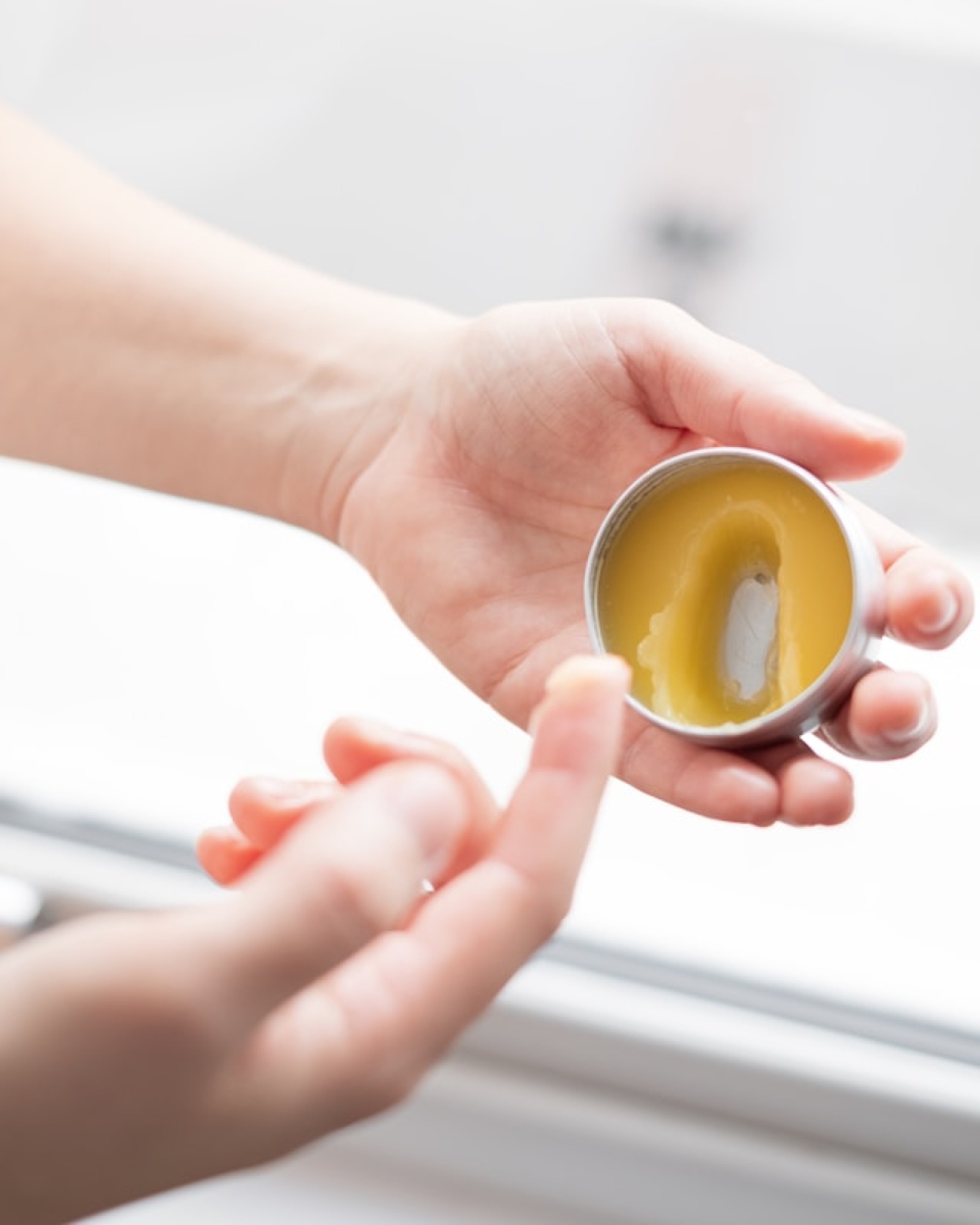
Before sleeping or stepping into cold winds, apply a rice-grain amount of high-purity medical-grade white petrolatum or multi-balm stick strictly over the dry patches. This micro-veil acts as a protective shield against tissue friction and cold air without suffocating adjacent pores.
Daily Habits to Prevent Mechanical Friction
Preventing dry patches requires minimizing unnecessary surface abrasion throughout your daily routine:
Gentle Tissue Use: When blowing your nose, choose lotion-infused or high-grade Japanese tissues (hoshitsu tissue). Instead of rubbing or dragging the paper against your skin, gently press to absorb moisture.
Lukewarm Water Rinsing: Never wash focal dry areas with steaming water, which dissolves protective sebum. Rinse with lukewarm water (30–32°C).
Pause Physical Exfoliation: Never attempt to scrub away flaky patches with abrasive facial scrubs, peeling gels, or stiff washcloths. Scrubbing tears immature epidermal cells, leading to raw erythema and intensified flaking.
Daytime Photoprotection: Even focal dry zones require dependable UV shielding. Regarding sunscreens, their consistent daily use is strongly recommended from the medical standpoint of future skin damage and skin cancer prevention.[2]
Furthermore, protecting skin barrier integrity safeguards against cumulative environmental wear. Normal biological aging involves the natural decline of physiological functions over time, whereas photoaging represents chronic, cumulative ultraviolet injury sustained by the skin tissue.[3]
Remedying Flaky Makeup Separation Midday
When dry patches cause foundation to cake or separate around the nose and mouth during the workday, rubbing powder over the area will only emphasize the texture. Follow the Japanese midday reset:
Hydration Mist on Cotton: Spritz a hydrating toner onto a soft cotton pad.
Gently Press and Lift: Press the damp pad lightly over the separated makeup for five seconds to dissolve powdery flakes without harsh rubbing.
Dab a Multi-Balm: Tap a tiny dot of hydrating balm or emulsion over the zone with your ring finger.
Reapply Base Minimally: Gently tap a sheer cushion foundation or tinted moisturizer over the refreshed skin.
Signs to stop and when to see a doctor
While most localized flaking stems from simple barrier dehydration and friction, persistent eruptions require medical evaluation:
Immediate Product Discontinuation: If a balm or moisturizer provokes sharp stinging, raised hives, spreading redness, or swelling, rinse gently with cool water and stop use.
Understanding Allergic Reactions: Contact dermatitis is a common condition encountered in dermatological practice, and if the specific triggering substance is identified and contact is discontinued, it is considered a condition that can be fully resolved.[1]
When to Consult a Dermatologist: If redness around the nasal creases becomes persistent, if greasy yellowish scales form (signifying seborrheic dermatitis), or if tiny red papules or pustules cluster around the mouth (perioral dermatitis), consult a board-certified dermatologist. These conditions require prescription therapeutic protocols rather than cosmetic balms.
FAQ
Q1. Should I peel off dry, flaky skin around my nose with tweezers or fingers?
A. Never pick or peel dry skin flakes forcefully.(Details)
Peeling flaky stratum corneum forcibly tears away viable underlying cells that are not yet ready to desquamate. This creates open micro-wounds, exacerbates redness, and can lead to post-inflammatory pigmentation. Soften flakes with a ceramide lotion and let them detach naturally during gentle washing.
Q2. Will applying a balm around my nose cause blackheads or clogged pores?
A. Apply high-purity petrolatum in micro-amounts strictly to dry creases.(Details)
High-purity white petrolatum (*kodo seisei vaseline*) resists pore clogging and does not absorb into sebaceous follicles. When applied in a microscopic rice-grain quantity strictly over flaky alar creases rather than smeared across oily nasal pores, it shields the skin without provoking blackheads.
Q3. Can toothpastes trigger dry patches and irritation around the mouth?
A. Yes, sulfates and strong mint flavorings in toothpaste can trigger perioral dryness.(Details)
Sodium lauryl sulfate (SLS) and synthetic cinnamon or menthol flavorings commonly found in conventional toothpastes frequently leak onto surrounding skin, causing contact irritation. Wash around your mouth thoroughly with water after brushing and consider switching to an SLS-free paste.
Q4. Can I apply a sheet mask specifically targeting just the mouth and nose?
A. Yes, DIY cotton lotion packs work wonderfully for targeted zones.(Details)
Saturate a peelable Japanese multi-layer cotton pad with an alcohol-free hydrating lotion. Split the pad into thin sheets and press small strips directly over the nasal creases and chin for three minutes. Follow immediately with an emollient balm to lock in moisture.
Q5. Why does my foundation always pill around the mouth and nose?
A. Foundation clings to dry corneocytes when skin lacks proper hydration prep.(Details)
When dead surface cells curl up due to dehydration, pigments in matte foundation catch along the edges of the flakes. Prepping the area with a hydrating lotion and allowing a lightweight emulsion two minutes to settle creates a smooth base that prevents makeup separation.
Summary
Resolving stubborn dry patches around the nose and mouth demands targeted gentleness:
Recognize Anatomical Vulnerability: Perioral and nasal areas endure continuous facial movement, tissue friction, and exhalation moisture loss.
Practice Pinpoint Layering (Kasane-Dzuke): Soften flaky patches with extra layers of lotion patted gently with fingertips, followed by ceramide milk.
Apply a Micro-Balm Seal: Shield raw skin against cold air and friction using a rice-grain amount of high-purity petrolatum balm.
Avoid Abrasive Scrubbing: Never pick at dry flakes or use harsh physical scrubs on delicate creases.
Consult a Doctor for Persistent Rashes: Seek dermatological care if scaling or redness fails to resolve within several days.
References
The Japanese Dermatological Association. Dermatological Q&A on Contact Dermatitis: Pathophysiology and Identifying Causative Contact Triggers (Q1). https://www.dermatol.or.jp/qa/qa4/q01.html (Accessed 2026-11-23)
The Japanese Dermatological Association. Dermatological Q&A on Sunscreen Application for Long-Term Prevention (Q25). https://www.dermatol.or.jp/qa/qa3/q25.html (Accessed 2026-11-23)
The Japanese Dermatological Association. Sunburn Q&A on Photoaging and Biological Alterations in Aging Skin (Q5). https://www.dermatol.or.jp/qa/qa2/q05.html (Accessed 2026-11-23)
Disclaimer: This article is for general information and education about Japanese cosmetics and their labels. It is not a substitute for professional medical advice, diagnosis, or treatment. Skincare results vary from person to person. Product formulas, availability, prices, and regulations change, and products sold in Japan can differ from versions sold elsewhere, so always check the current label. Do a patch test before introducing a new product, and consult a doctor or dermatologist if you have a skin condition or specific concerns.