Japanese Skincare for Redness: Sensitive Skin Routine
ConcernsBy Editorial Team
title: Japanese Skincare for Redness: Sensitive Skin Routine
slug: japanese-redness-relief-skincare-sensitive-skin
category: concerns
category_label: Skin Concerns & Types
published_at: '2026-11-23'
updated_at: '2026-11-23'
meta_description: Discover how Japanese skincare calms sensitive redness. Learn zero-friction rituals, quasi-drug soothing actives, ceramide defense, and patch test rules.
description: Discover how Japanese skincare calms sensitive redness. Learn zero-friction rituals, quasi-drug soothing actives, ceramide defense, and patch test rules.
hero_image: /images/stock/woman-face-redness-skin-irritation-closeup.webp
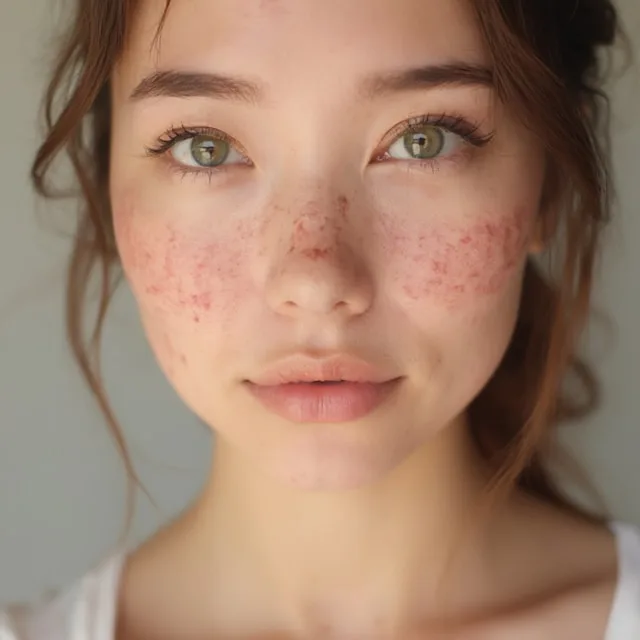
hero_image_alt: Close-up of facial skin experiencing surface redness and delicate barrier sensitivity
thumbnail: /images/stock/woman-face-redness-skin-irritation-closeup.webp
thumbnail_alt: Close-up of facial skin experiencing surface redness and delicate barrier sensitivity
reading_time: 6
author: Editorial Team
publish: true
Japanese Skincare for Redness: Sensitive Skin Routine
Quick answer
Japanese skincare manages sensitive skin redness through radical friction reduction (zero-masatsu), cooling hydration, and gentle barrier replenishment. By deploying quasi-drug anti-roughness actives like dipotassium glycyrrhizate alongside human-type ceramides, J-beauty calms everyday cutaneous reactivity without aggressive medical interventions or unnecessary formulation complexity.
Persistent facial flushing, visible cheek warmth, and sudden sensitivity to weather shifts affect millions of individuals worldwide. In Western markets, addressing skin redness often prompts consumers to cycle through intensive corrective serums, high-strength exfoliating acids, or complex multi-step protocols. Yet, for complexions with inherently fragile epidermal barriers, overloading active ingredients frequently exacerbates underlying irritation.
In Japan, sensitive and easily reddened skin is recognized not as a flaw to be removed, but as a delicate physiological state known as yuragi-hada (fluctuating or unstable skin). Japanese dermatological science prioritizes barrier preservation above all else: minimizing mechanical friction (zero-masatsu), buffering the stratum corneum with bio-identical lipids, and soothing redness through strictly regulated quasi-drug actives. Here is a comprehensive guide to understanding non-medical redness care through a respectful Japanese lens.
The Physiology of Sensitive Skin Redness (Yuragi-Hada)
Facial erythema arises from distinct cosmetic and biological mechanisms that formulators take into account:
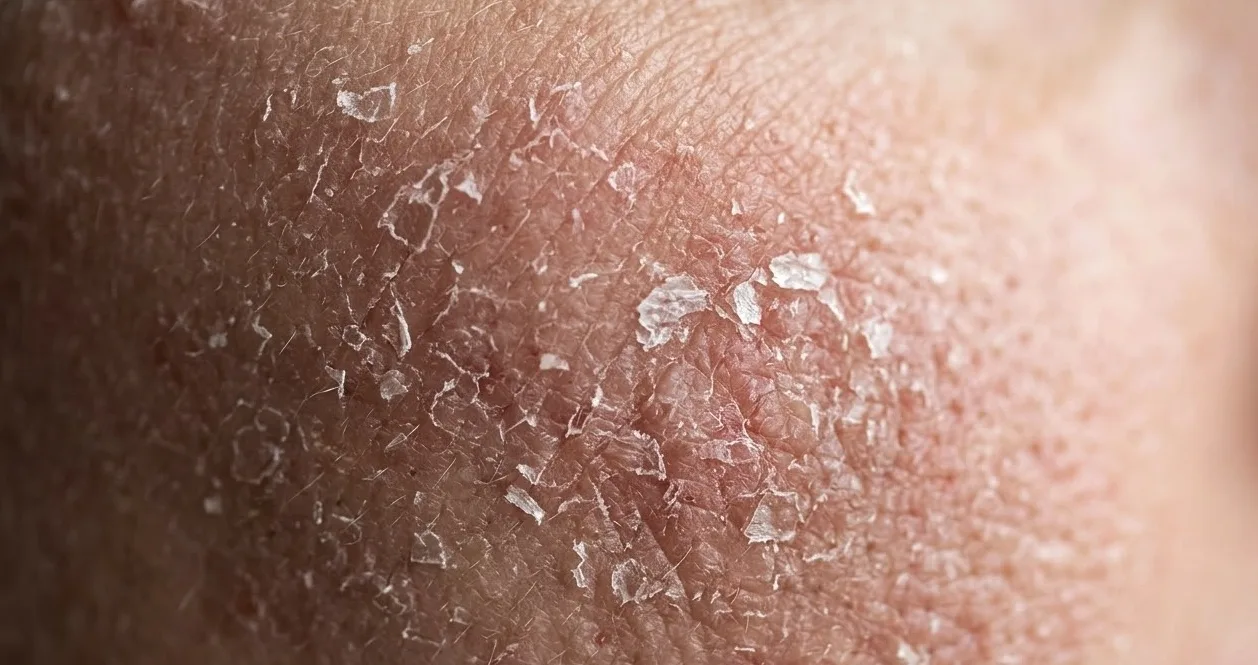
Thinned Stratum Corneum: When the outer keratin layer is thinned or depleted of natural moisturizing factors (NMF), underlying superficial capillaries become optically more visible, creating diffuse pinkness.
Moisture Evaporation and Cold-Dry Air: Sudden temperature swings—such as stepping from heated winter indoors into freezing dry winds—prompt reactive capillary expansion followed by barrier dehydration.
Requires professional in-person medical evaluation
Approved Quasi-Drug Actives for Soothing Redness
Under Japanese ministerial regulations administered by the Ministry of Health, Labour and Welfare (MHLW), skincare products designed to soothe reactive complexions are classified as quasi-drugs (iyaku-bukaihin). These formulations incorporate validated actives approved to prevent rough skin (hada-are boshi):
1. Dipotassium Glycyrrhizate (Kanzo-Ekisu)
Derived from natural licorice root, dipotassium glycyrrhizate is the cornerstone of Japanese sensitive skincare. It delivers reliable, non-stinging botanical calming that softens visible reactivity without disrupting normal epidermal turnover.
2. Allantoin
Originally identified in botanical extracts like comfrey, allantoin protects fragile tissues against external irritation while promoting comfortable epidermal moisture retention.
3. Human-Type Ceramides (NP, AP, EOP)
Topical lipids must emulate natural skin biology. Formulations utilizing bio-identical human-type ceramides replenish intercellular lipid structures, reinforcing the physical barrier that prevents irritants from triggering neuro-sensory flushing.
The Zero-Friction Japanese Care Protocol
For redness-prone skin, how you apply products matters just as much as what you apply:
Morning Routine: Gentle Cushioning & Defense
Lukewarm Water Cleanse: If your skin feels tight or flushed upon waking, skip foaming cleansers. Rinse with lukewarm water (30–32°C) without rubbing.
Palm-Press Lotion (Keshosui): Pour an alcohol-free, ceramide-rich lotion into cupped palms. Gently press palms flat against cheeks and forehead, holding for 3 to 5 seconds per section. Never slap or wipe.
Barrier Milk (Nyueki): Smooth a dime-sized amount of lightweight emulsion across facial contours to seal in moisture.
Physical UV Defense: Protect sensitized skin with mineral (zinc oxide/titanium dioxide) sunscreen. Regarding sunscreens, their consistent daily use is strongly recommended from the medical standpoint of future skin damage and skin cancer prevention.[2]
Evening Routine: Calming Reset
Low-Friction Cleansing: Use a rich cleansing milk or cushiony cleansing gel that glides over skin without dragging.
Targeted Soothing Serum: Apply a gentle quasi-drug serum formulated with dipotassium glycyrrhizate.
Restorative Barrier Cream: Seal parched areas with a gentle barrier cream or high-purity petrolatum balm. Diligent daily care supports long-term skin health, recognizing that normal biological aging involves the natural decline of physiological functions over time, whereas photoaging represents chronic, cumulative ultraviolet injury sustained by the skin tissue.[3]
The Crucial Role of Patch Testing
When navigating redness, introducing new products without testing can trigger unexpected reactions. Japanese dermatological practice recommends a cautious patch-testing procedure:
Select an Inconspicuous Zone: Apply a pea-sized amount of product to the inner forearm or the clean skin directly behind the earlobe.
Wait 24 to 48 Hours: Leave the product undisturbed and observe for signs of localized redness, itching, heat, or tiny papules.
Half-Face Introduction: If the forearm test is clear, apply the product to a small section of the outer jawline for two consecutive days before full-face application.
Signs to stop and when to see a doctor
It is essential to distinguish between general cosmetic sensitivity and conditions requiring a doctor's care:
Immediate Cessation: If a cosmetic product provokes sharp burning sensations, raised hives, intense swelling, or worsening erythema, wash your face gently with cool water and discontinue use immediately.
Understanding Allergic Responses: Contact dermatitis is a common condition encountered in dermatological practice, and if the specific triggering substance is identified and contact is discontinued, it is considered a condition that can be fully resolved.[1]
When to Seek Medical Care: If facial redness remains persistent, if spider veins (telangiectasia) become pronounced, or if pustules, ocular irritation, or deep facial discomfort develop, consult a board-certified dermatologist promptly. These symptoms may signify medical conditions such as rosacea, perioral dermatitis, or seborrheic eczema, which require prescription medical management.
FAQ
Q1. Can I use exfoliating acids or scrubs if I have redness-prone skin?
A. Avoid physical scrubs and high-strength chemical peels entirely.(Details)
Physical abrasive scrubs and potent AHA/BHA acids thin the stratum corneum and aggravate micro-capillary dilation. When experiencing visible redness or sensitivity, pause all exfoliating products and focus strictly on barrier-replenishing ceramides and soothing quasi-drug agents.
Q2. Is hot water beneficial for soothing facial redness?
A. No, hot water dilates blood vessels and strips protective lipids.(Details)
Washing your face with hot water strips away vital intercellular ceramides and triggers rapid capillary expansion, intensifying facial flushing. Japanese skincare experts recommend using lukewarm water (around 30 to 32°C) that feels neutral or slightly cool to the touch.
Q3. What ingredients should I actively avoid if my skin is prone to redness?
A. Steer clear of high alcohol concentrations, synthetic fragrances, and menthol.(Details)
Drying alcohols, artificial perfumes, essential oils (like eucalyptus or peppermint), and synthetic cooling agents can irritate sensitive sensory nerves and compromise barrier lipids. Select minimalist Japanese formulations explicitly labeled fragrance-free, alcohol-free, and formulated for sensitive skin.
Q4. Does cold weather worsen facial redness?
A. Yes, low humidity and outdoor wind trigger rapid vasodilation.(Details)
Cold outdoor air holds minimal humidity, accelerating transepidermal water loss. Moving abruptly between frigid winds and warm heated rooms forces blood vessels to expand and contract rapidly, leading to prolonged flushing. Applying a protective barrier balm helps cushion skin against wind stress.
Q5. Can cosmetic products resolve chronic vascular redness or rosacea?
A. No, cosmetics cannot resolve underlying medical vascular conditions.(Details)
Cosmetic skincare is designed to hydrate, comfort, and maintain the stratum corneum barrier. Chronic vascular conditions like rosacea involve complex vascular hyper-reactivity that requires accurate diagnosis and medical management from a physician.
Summary
Soothing sensitive skin redness in the Japanese tradition requires gentleness, patience, and barrier focus:
Embrace Zero Friction (Zero-Masatsu): Apply all products using gentle, relaxed palms rather than dragging cotton or rough towels.
Choose Approved Quasi-Drugs: Rely on validated anti-roughness actives like dipotassium glycyrrhizate to soothe surface reactivity.
Replenish Intercellular Lipids: Fortify thinned barriers with bio-identical human-type ceramides and plant squalane.
Prioritize Daily Sun Defense: Shield fragile micro-capillaries from ultraviolet radiation with gentle mineral sunscreen.
Know When to Seek Medical Evaluation: Discontinue irritating products promptly and consult a dermatologist for persistent vascular concerns.
References
The Japanese Dermatological Association. Dermatological Q&A on Contact Dermatitis: Pathophysiology and Identifying Causative Contact Triggers (Q1). https://www.dermatol.or.jp/qa/qa4/q01.html (Accessed 2026-11-23)
The Japanese Dermatological Association. Dermatological Q&A on Sunscreen Application for Long-Term Prevention (Q25). https://www.dermatol.or.jp/qa/qa3/q25.html (Accessed 2026-11-23)
The Japanese Dermatological Association. Sunburn Q&A on Photoaging and Biological Alterations in Aging Skin (Q5). https://www.dermatol.or.jp/qa/qa2/q05.html (Accessed 2026-11-23)
Disclaimer: This article is for general information and education about Japanese cosmetics and their labels. It is not a substitute for professional medical advice, diagnosis, or treatment. Skincare results vary from person to person. Product formulas, availability, prices, and regulations change, and products sold in Japan can differ from versions sold elsewhere, so always check the current label. Do a patch test before introducing a new product, and consult a doctor or dermatologist if you have a skin condition or specific concerns.