Japanese Skincare Routine for Tech Neck Horizontal Lines
ConcernsBy Seibun Lab Editorial Team
title: Japanese Skincare Routine for Tech Neck Horizontal Lines
slug: japanese-neck-lines-tech-neck-skincare-routine
category: concerns
category_label: Concerns
published_at: '2026-11-24'
updated_at: '2026-11-24'
meta_description: Target horizontal tech neck creases with Japanese skincare. Discover upward palm massage rituals, deep ceramide hydration, and firming quasi-drug actives.
description: Target horizontal tech neck creases with Japanese skincare. Discover upward palm massage rituals, deep ceramide hydration, and firming quasi-drug actives.
lead_image: /images/stock/woman-applying-skincare-product-neck-morning.webp
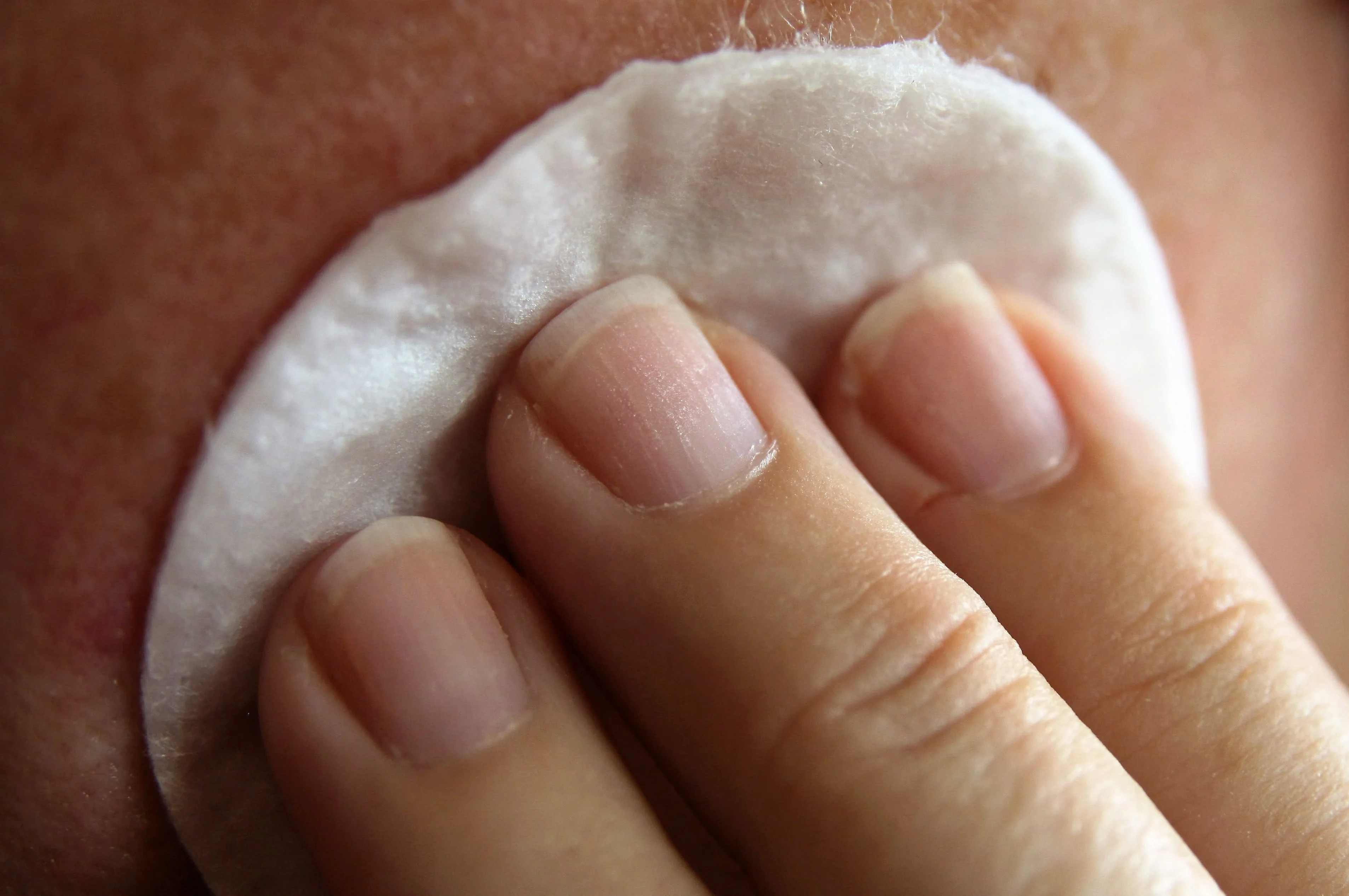
lead_image_alt: Woman gently applying Japanese neck firming cream using upward sweeping palm strokes across cervical contours
thumbnail: /images/stock/woman-applying-skincare-product-neck-morning.webp
thumbnail_alt: Woman gently applying Japanese neck firming cream using upward sweeping palm strokes across cervical contours
author: Editorial Team
publish: true
Japanese Skincare Routine for Tech Neck Horizontal Lines
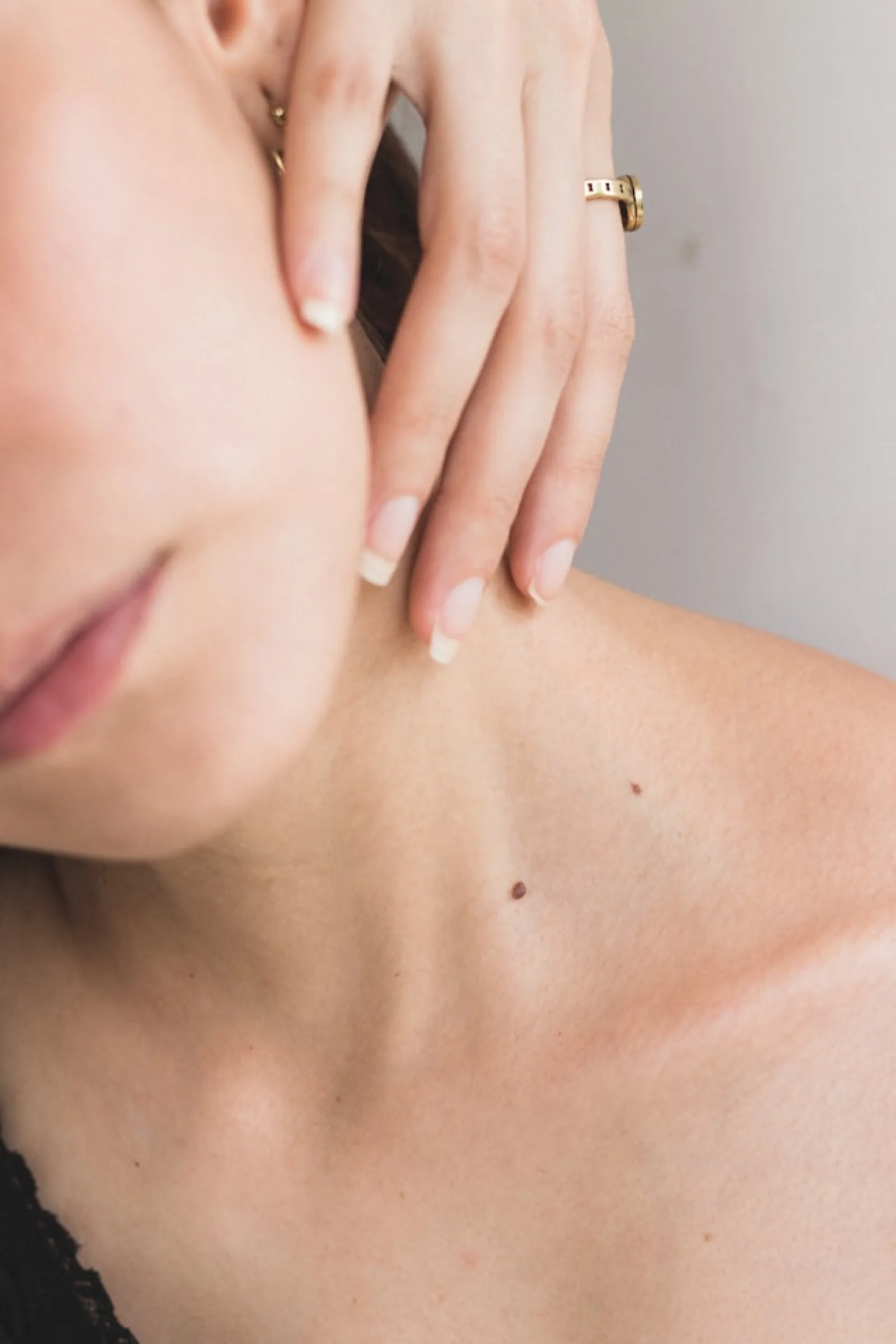
In the digital era, an increasing number of individuals in their 20s, 30s, and 40s observe deep horizontal creases etching across their necks. Known colloquially in Japan as sumaho-kubi (smartphone neck lines), this condition arises from continuous downward cervical flexion while looking at handheld devices or laptop screens.
The skin covering the neck (keibu) is structurally vulnerable. Measuring only about one-third the thickness of facial cheek skin, cervical tissue contains minimal subcutaneous fat and sparse sebaceous glands, leaving it constantly prone to dryness. When mechanical folding is repeated thousands of times daily over dehydrated skin, temporary dynamic creases solidify into static horizontal bands. Here is how Japanese aesthetic dermatology addresses tech neck through posture mindfulness, upward massage rituals, and deep barrier hydration.
The Anatomical Vulnerability of Neck Skin
Understanding the unique structure of the cervical zone explains why neck lines deepen faster than facial wrinkles:
1. Structural Thinness and Sebaceous Scarcity
Unlike the oil-rich T-zone, the anterior neck has almost no sebaceous glands. Its lipid film is fragile, leading to rapid transepidermal water loss (TEWL). Without a steady supply of endogenous sebum, the stratum corneum dries out, losing the pliant elasticity required to spring back after bending.
2. The Weight of Modern Posture
Tilting the human head forward at a 45-degree angle exerts approximately 22 kilograms (nearly 50 pounds) of gravitational force on cervical spine muscles and superficial platysma bands. While cervical skin elasticity and dermal collagen synthesis naturally decrease with chronological aging over time[1], chronic downward folding acts like an iron, pressing deep wrinkles into vulnerable tissue.
The 4-Pillar Japanese Tech Neck Routine
Japanese cosmetic care counters tech neck by combining targeted topical actives with physical lymphatic mobilization:
Scroll horizontally to view more
Routine Phase
Product Format
Aesthetic Objective
Key Japanese Actives
1. Hydration Cascade
Layered conditioning lotion (*Kesho-sui*)
Drenches parched corneocytes with humectants down to the clavicle
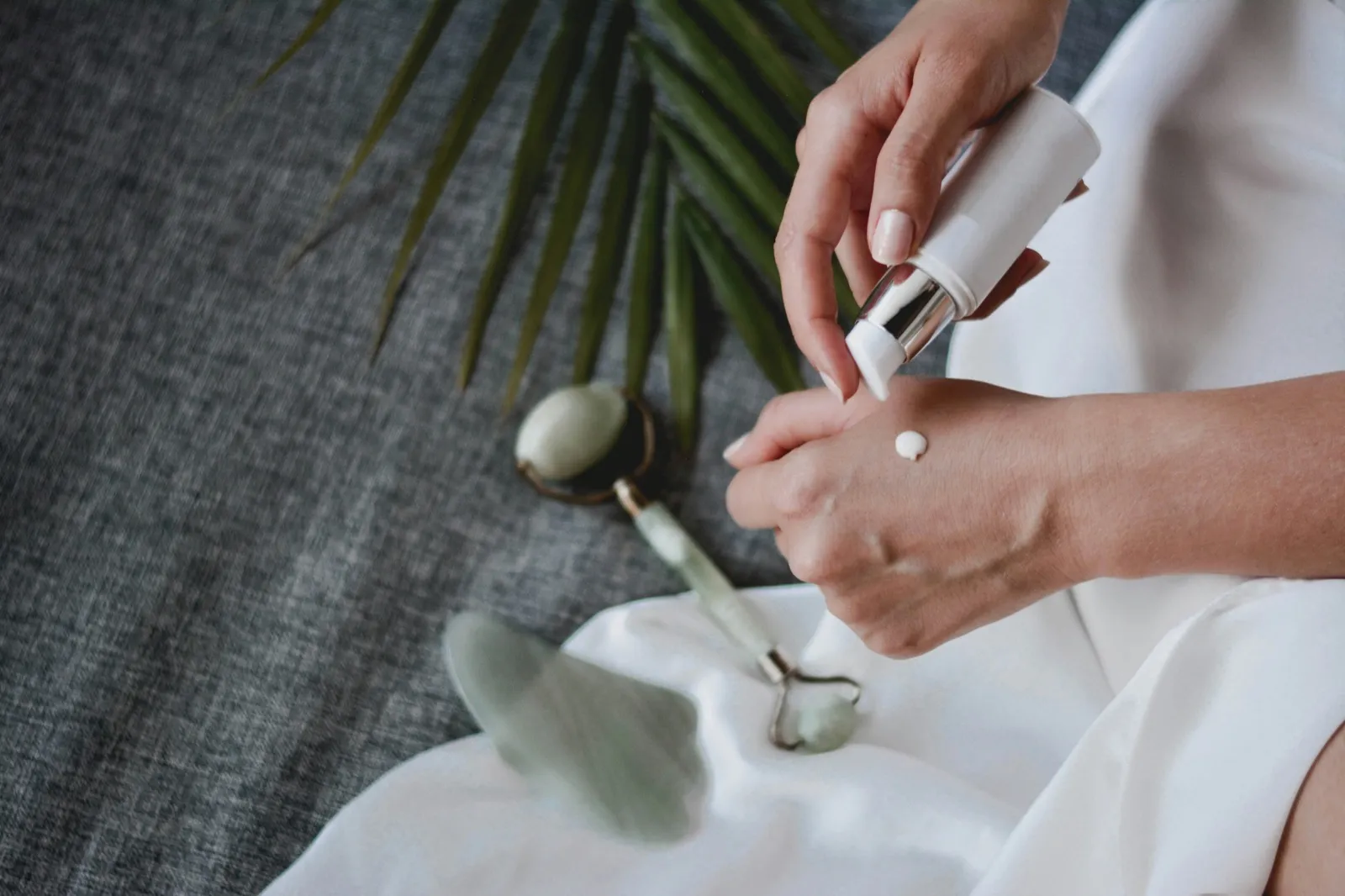
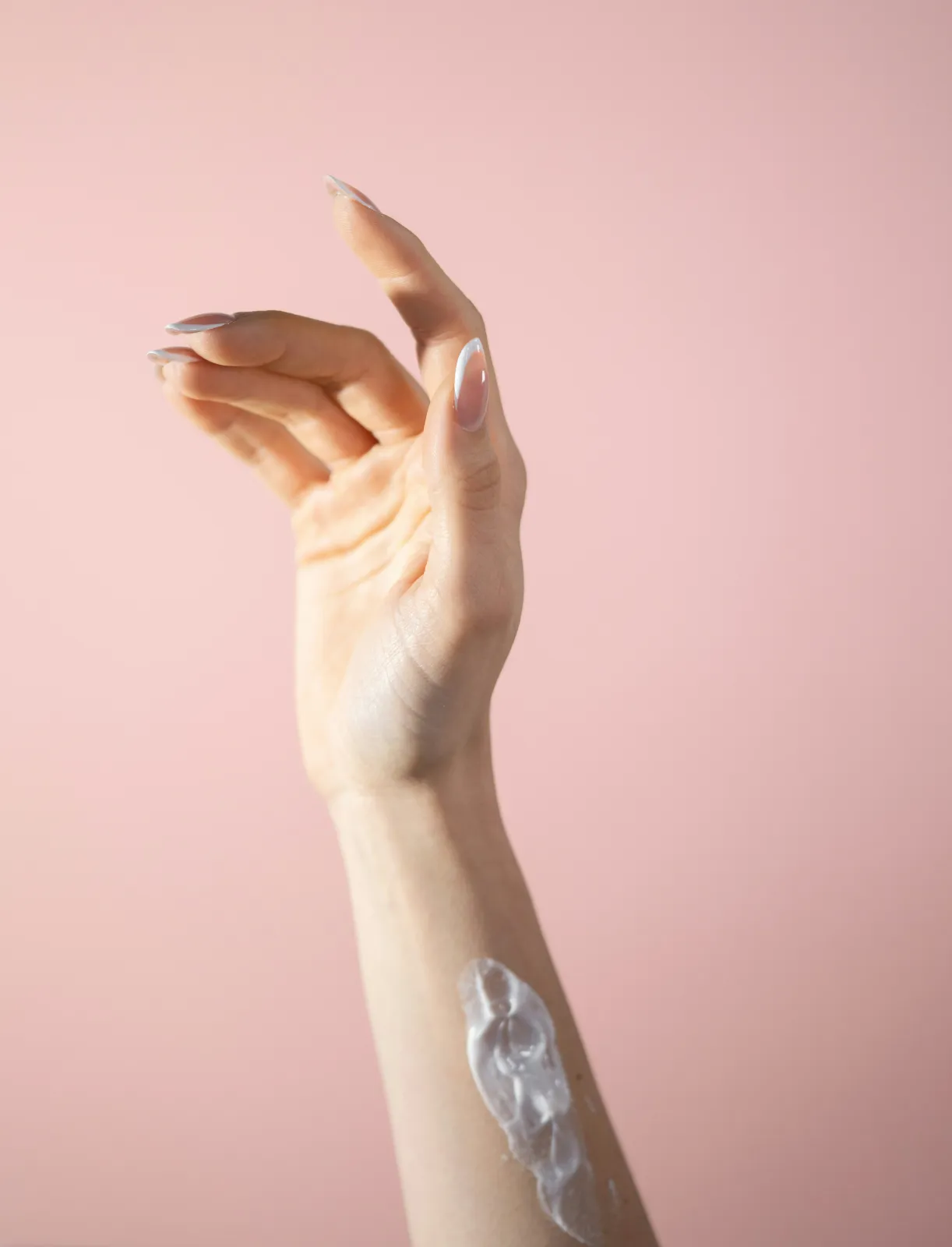
Never massage the neck with dry hands. Always apply a generous dollop of rich cream to create a frictionless cushion:
Step 1: Upward Palm Smoothing
Warm a coin-sized portion of neck cream between your palms. Tilt your chin slightly upward. Using alternating flat palms, sweep smoothly from the collarbone upward toward the jawline in long, rhythmic motions. Upward strokes lift the tissue against gravity and encourage deep absorption.
Step 2: Horizontal Line Ironing
Place the soft pads of your index and middle fingers directly on a prominent horizontal crease. With one hand gently stabilizing the skin, use the other hand to make tiny circular buffing motions across the line, softening rigid cellular bonds.
Step 3: Lateral Lymphatic Drainage
Guide your palms from beneath the earlobes downward along the sternocleidomastoid muscles to the collarbone (kusari-kotsu). Light pressure stimulates venous return and clears fluid stagnation that contributes to lower-jaw puffiness.
Finish your morning sequence with careful sun protection. Remember that protecting fragile neck and collarbone contours with daily morning broad-spectrum sunscreen prevents photoaging creases[2] that accelerate with ambient light exposure.
Everyday Habits to Halt Tech Neck Formation
Topical skincare must be paired with daily ergonomic awareness to achieve lasting smoothness:
1. Elevate Device Screens
Hold your smartphone at eye level rather than dropping your head into your chest. When working at a desk, adjust laptop monitors so the top third of the screen aligns directly with your gaze.
2. Avoid High, Rigid Sleeping Pillows
Sleeping with thick, elevated pillows bends the neck forward for seven to eight consecutive hours every night, reinforcing horizontal creases. Switch to an orthopedic contour pillow that supports the natural cervical lordosis curve.
3. Avoid Dry Friction
Never aggressively rub perfume, alcohol-based colognes, or coarse bath towels over the neck. Note that rubbing dry neck skin forcefully without adequate emollient cushion can provoke severe contact irritation[3] and accelerate skin thinning.
Signs to Stop and When to See a Doctor
While cosmetic creams improve hydration plumpness, deep structural folds require realistic understanding:
1. Dynamic Lines vs Static Etched Creases
Superficial Dryness Creases: Faint lines that soften significantly after 2 to 3 weeks of ceramide hydration and upward massage.
Deep Congenital or Severe Static Folds: Deeply etched dermal grooves present since childhood or reinforced over decades. While cosmetic skincare smooths texture, deep dermal folds may require medical dermatological procedures (such as hyaluronic acid micro-injections or ultrasound therapy).
2. When to Consult a Medical Specialist
Seek medical advice from a dermatologist or orthopedic specialist if you notice:
Chronic cervical spine pain, numbness in fingers, or radiating arm aches accompanying neck posture changes.
Unexplained thyroid enlargement, localized nodules, or firm lumps in the anterior neck.
Persistent allergic rash, severe itching, or dermatitis flaring along the neckline.
FAQ
Q1. Can Japanese neck creams really smooth horizontal lines?
A. They soften dryness-induced creases and support elasticity with consistent use.(Details)
Japanese quasi-drug neck formulations containing approved actives like niacinamide and retinol stimulate surface cell renewal and maintain dermal hydration. While topical creams cannot completely remove deep genetic grooves, they plump surface corneocytes, making horizontal tech neck lines noticeably softer and less prominent.
Q2. Can I use my regular facial skincare on my neck?
A. Yes, extending your facial lotion, serum, and moisturizer downward is highly effective.(Details)
In Japanese beauty philosophy, the "face" ends at the nipples. Extending your facial hydrating lotion (*kesho-sui*), firming essence, and ceramide emulsion down over the throat and décolleté provides essential barrier care without requiring a separate product.
Q3. Why shouldn't I massage downward on the front of my neck?
A. Upward strokes support tissue lift; downward strokes are reserved solely for lateral drainage.(Details)
Because cervical skin is prone to gravitational sagging, front-neck massage should always glide upward from the clavicle to the jaw. Downward sweeping is used exclusively along the sides of the neck (behind the ears toward the collarbone) to drain lymphatic fluid.
Q4. Does sleeping on your back prevent neck lines?
A. Yes, back sleeping prevents mechanical compression of both face and neck.(Details)
Sleeping on your side or stomach folds cervical tissue and compresses chest skin into vertical crinkles. Sleeping supine on a supportive, low-profile pillow keeps the neck elongated and wrinkle-free throughout the night.
Q5. How long does it take to see results from a Japanese neck care routine?
A. Plumper hydration appears in 2 weeks; visible line smoothing requires 8 to 12 weeks.(Details)
Surface moisture density and softness improve within 14 days of ceramide layering. Because dermal collagen remodeling occurs gradually, visible softening of horizontal tech neck creases typically takes two to three full cellular turnover cycles (approximately 60 to 90 days) alongside ergonomic habit adjustments.
Acknowledge Vulnerability: Neck skin is one-third as thick as facial skin and naturally lacks protective sebum.
Hydrate to the Clavicle: Extend all facial lotions, firming serums, and ceramide emulsions down the throat.
Practice Upward Massage: Apply rich cream cushions and sweep upward with open palms to resist gravity.
Correct Daily Ergonomics: Raise screens to eye level and choose low-profile contour pillows for sleeping.
Shield with SPF: Defend against daily collagen-degrading UV-A rays with broad-spectrum sunscreen every morning.
By caring for your neck with the same devotion as your face, you can restore a smooth, elegant, and youthful neckline.
References
The Japanese Dermatological Association. Sunburn Q&A on Photoaging and Biological Alterations in Aging Skin (Q5). https://www.dermatol.or.jp/qa/qa2/q05.html (Accessed 2026-11-24)
The Japanese Dermatological Association. Dermatological Q&A on Sunscreen Application for Long-Term Prevention (Q25). https://www.dermatol.or.jp/qa/qa3/q25.html (Accessed 2026-11-24)
The Japanese Dermatological Association. Dermatological Q&A on Contact Irritation and Scalp Friction Mechanisms (Q1). https://www.dermatol.or.jp/qa/qa4/q01.html (Accessed 2026-11-24)
Disclaimer: This article is for general information and education about Japanese cosmetics and their labels. It is not a substitute for professional medical advice, diagnosis, or treatment. Skincare results vary from person to person. Product formulas, availability, prices, and regulations change, and products sold in Japan can differ from versions sold elsewhere, so always check the current label. Do a patch test before introducing a new product, and consult a doctor or dermatologist if you have a skin condition or specific concerns.