Japanese Pore Extractor Loop Tool Risks and Gentle Care
ConcernsBy Seibun Lab Editorial Team
title: Japanese Pore Extractor Loop Tool Risks and Gentle Care
slug: japanese-pore-extractor-loop-tool-safety-tips
category: concerns
category_label: Skin Concerns
published_at: '2026-11-24'
updated_at: '2026-11-24'
fact_checked_at: '2026-11-24'
meta_description: Understand the risks of pore extractor loop tools and discover gentle Japanese alternatives like enzyme washes and cleansing oils to clear clogged pores.
description: Understand the risks of pore extractor loop tools and discover gentle Japanese alternatives like enzyme washes and cleansing oils to clear clogged pores.
lead_image: /images/stock/clogged-pores-closeup.webp
lead_image_alt: Detailed close-up of skin pores requiring gentle dissolution rather than mechanical extraction
thumbnail: /images/stock/clogged-pores-closeup.webp
thumbnail_alt: Detailed close-up of skin pores requiring gentle dissolution rather than mechanical extraction
author: Editorial Team
publish: true
Japanese Pore Extractor Loop Tool Risks and Gentle Care
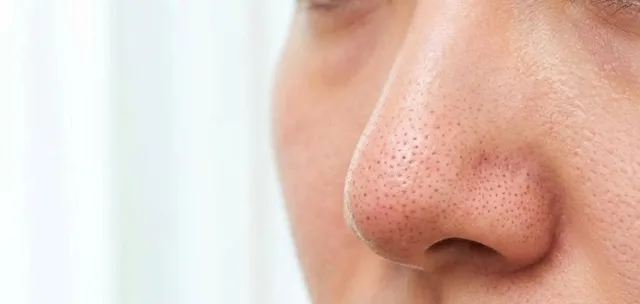
Catching sight of darkened keratin plugs along the nose or chin in a magnifying mirror often provokes an urgent desire to extract them immediately. Stainless steel pore extractors—slender metal wands ending in small wire loops or angled cups—are readily sold online as quick fixes for blackheads. However, pressing rigid metal into delicate facial tissue carries substantial dermatological dangers that can leave long-term blemishes far worse than temporary congestion.
In Japan, where gentle barrier preservation is the foundational bedrock of all cosmetic science, skin care experts caution against physical squeezing tools. Learning why mechanical extraction harms pore structure and how modern Japanese dissolution rituals clear plugs without friction allows you to achieve smooth, balanced skin safely.
The Hidden Dangers of Metal Pore Extractor Tools
Pore extractors operate by placing a metal aperture over a clogged pore and applying firm downward and dragging force to lever out trapped material. While occasionally utilized by licensed medical clinicians under sterile, controlled conditions, self-use in home bathrooms frequently leads to tissue trauma:
Ruptured Follicular Walls: Squeezing forces a plug outward, but excessive lateral pressure can rupture the microscopic epithelial sheath beneath the skin surface, pushing bacteria deeper into dermal layers.
Capillary Rupture (Telangiectasia): The delicate skin lining the nasal wings and cheeks contains fragile micro-capillaries. Concentrated metal pressure easily snaps these microscopic vessels, resulting in persistent spider veins that require clinical laser correction.
Post-Inflammatory Hyperpigmentation (PIH): In melanin-rich skin types, mechanical bruising and epidermal tearing trigger an overproduction of melanin, replacing temporary clogged pores with dark brown spots that linger for months.
Persistent Pore Laxity: Repeated physical extrusion stretches collagen rings supporting pore openings, causing pores to sag open indefinitely rather than tightening back down.
As skin aging naturally diminishes physiological barrier function over time[1], mechanical trauma accelerates dermal thinning and compromises overall tissue resilience.
Understanding What Really Clogs Japanese Pores (Kakusen)
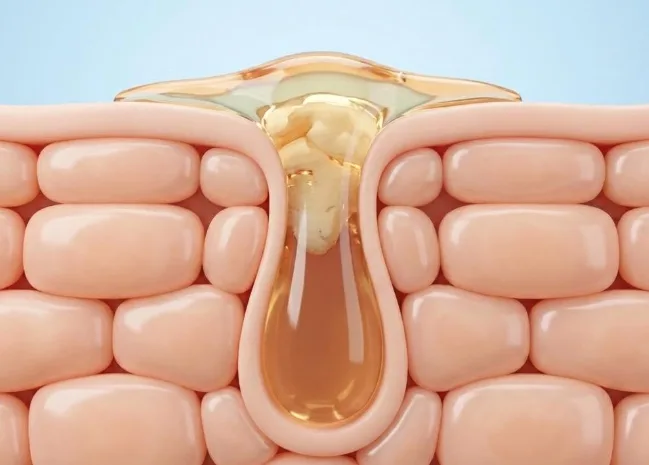
To clear congested pores without inflicting physical damage, it is essential to understand the biological composition of a pore plug, known in Japanese dermatology as kakusen:
70% Hardened Protein (Keratin): Unlike simple greasy oil plugs, the majority of a kakusen consists of dead, compacted keratinocytes shed from the follicular lining.
30% Oxidized Lipids (Sebum): Natural sebum mixes with dead cells, hardening into a stubborn solid matrix. When exposed to ambient oxygen at the skin surface, the tips oxidize into dark blackheads.
Because kakusen is predominantly structural protein, washing with simple foaming face wash or attempting to squeeze it like fluid grease cannot dislodge it safely. True clearing requires dissolving both the protein scaffolding and the fatty matrix simultaneously.
Scroll horizontally to view more
Extraction Method
Mechanism of Action
Potential Tissue Risks
Japanese Dermatological Verdict
Metal Loop Tool
Mechanical downward compression
Broken capillaries, scarring, bruising, PIH
Strongly discouraged for home use
Adhesive Pore Strips
High-tack polymer peeling
Epidermal stripping, heightened redness, flaking
Use sparingly or replace with gentle rinses
Japanese Cleansing Oil
Lipophilic dissolution of sebum lipids
Zero mechanical friction when emulsified
Recommended daily core ritual
Japanese Enzyme Powder
Proteolytic enzymatic breakdown of keratin
Mild, preserves surrounding barrier lipids
Recommended 1 to 2 times weekly
The Japanese Non-Invasive Pore Clearing Ritual
Rather than relying on brute force, Japanese dermatologists advocate a layered dissolution protocol that frees trapped plugs gradually without friction:
Step 1: Warm Towel Steaming (Mushi Taoru)
Dampen a soft hand towel with warm water, gently wring out excess liquid, and drape it across your face for 60 to 90 seconds. The gentle thermal vapor softens hardened sebum and relaxes rigid stratum corneum keratin, preparing pores for effortless cleansing.
Step 2: Cleansing Oil Emulsification
Pump a generous amount of Japanese mineral-oil or botanical-oil cleanser onto completely dry palms. Gently smooth the oil over your nose and chin with light circular finger pads for 60 seconds. Add a few drops of lukewarm water to emulsify the oil into a milky lotion, encapsulating dissolved surface lipids, then rinse thoroughly.
Once or twice a week, substitute your morning foam with a Japanese enzyme cleansing powder. Enzymes such as papain and subtilisin break peptide bonds holding dead keratin flakes together, gently loosening the protein core of kakusen without scrubbing.
Step 4: Hydration and Pore Conditioning
After washing, immediately replenish hydration with a watery Japanese lotion (keshosui) formulated with hyaluronic acid, dipotassium glycyrrhizate, or vitamin C derivatives to calm the pore area and support tissue suppleness.
Remember that sun exposure and ultraviolet radiation demand diligent daily defense measures[2], as oxidized squalene triggered by UV rays severely worsens pore clogging and dark spot formation.
Signs to Stop and When to See a Doctor
Managing pore congestion requires patience and careful barrier monitoring. Keep these dermatological guidelines in mind:
Redness, Bleeding, or Broken Skin: If you have previously used a pore tool and note scabbing, open sores, or spreading red halos, cease all physical manipulation immediately and apply pure petrolatum.
Topical Product Reactions: Contact dermatitis represents a common clinical diagnosis in outpatient dermatology[3]. If chemical exfoliants, peel mists, or new cleansing oils produce stinging hives or widespread flaking, rinse thoroughly and discontinue use.
When to Seek Professional Medical Care: If comedones evolve into painful cystic nodules, deep inflamed papules, or show signs of secondary bacterial infection, schedule a consultation with a qualified dermatologist for clinical evaluation.
FAQ
Q1. Why do dermatologists warn against metal pore extractors at home?
A. Unregulated manual pressure breaks capillaries and scars skin.(Details)
Unlike clinicians who utilize surgical loupes and sterile lancing under tangential light, home users tend to apply excessive perpendicular force. This crushes micro-vessels in the nose, tears fragile pore margins, and frequently causes persistent discoloration or indentations.
Q2. How does Japanese enzyme powder dissolve pore plugs?
A. Protease enzymes specifically target the protein core of plugs.(Details)
Because kakusen is 70 percent dead keratin protein, conventional foaming surfactants cannot break it apart alone. Japanese enzyme washes contain water-activated proteases that selectively dissolve the dead cellular glue, allowing trapped sebum to float away easily upon rinsing.
Q3. Can pores visibly shrink after clearing out plugs?
A. Pores have no muscles, but keeping them clear improves appearance.(Details)
Pores do not open and close like doors because they lack muscular tissue. However, removing oxidized plugs prevents pores from stretching wider. Supporting the surrounding collagen scaffold with proper hydration and sunscreen makes openings appear far smaller and tighter.
Q4. Are pore vacuum suction tools safer than metal loop wands?
A. No, suction devices frequently cause severe capillary bruising.(Details)
Home suction devices generate concentrated negative pressure that easily ruptures fragile superficial capillaries, resulting in petechiae and lingering bruising. Japanese skincare philosophy emphasizes gentle chemical and enzymatic dissolution over all mechanical extraction gadgets.
Q5. How often can I safely use a warm towel compress?
A. Two to three times weekly before cleansing is ideal.(Details)
Applying a comfortably warm towel for 60 seconds two to three times a week softens stubborn sebum without drying out the skin barrier. Ensure the towel is pleasantly warm rather than scalding hot, and follow immediately with oil cleansing and hydrating toner.
Summary and Key Takeaways
While stainless steel pore extractor tools promise quick satisfaction, the intense mechanical trauma they inflict risks burst capillaries, scarring, and long-lasting hyperpigmentation. Japanese skincare offers a proven, tissue-respecting alternative focused on dissolution rather than force. By combining gentle oil cleansing, weekly proteolytic enzyme washes, warm steaming, and daily sun protection, you can maintain smooth, refined pores while preserving your skin barrier's long-term health.
Disclaimer: This article is for general information and education about Japanese cosmetics and their labels. It is not a substitute for professional medical advice, diagnosis, or treatment. Skincare results vary from person to person. Product formulas, availability, prices, and regulations change, and products sold in Japan can differ from versions sold elsewhere, so always check the current label. Do a patch test before introducing a new product, and consult a doctor or dermatologist if you have a skin condition or specific concerns.