Japanese Post Sunburn Soothing Aloe and Gel Care Guide
ConcernsBy Seibun Lab Editorial Team
title: Japanese Post Sunburn Soothing Aloe and Gel Care Guide
slug: japanese-post-sunburn-soothing-aloe-and-gel
category: concerns
category_label: Concerns
published_at: '2026-11-24'
updated_at: '2026-11-24'
meta_description: Soothe accidental sunburn with Japanese after-sun care. Learn cooling aloe and gel methods, redness-calming actives, and when to seek medical attention.
description: Soothe accidental sunburn with Japanese after-sun care. Learn cooling aloe and gel methods, redness-calming actives, and when to seek medical attention.
lead_image: /images/stock/skincare-blue-gel-dispense-hands-step.webp
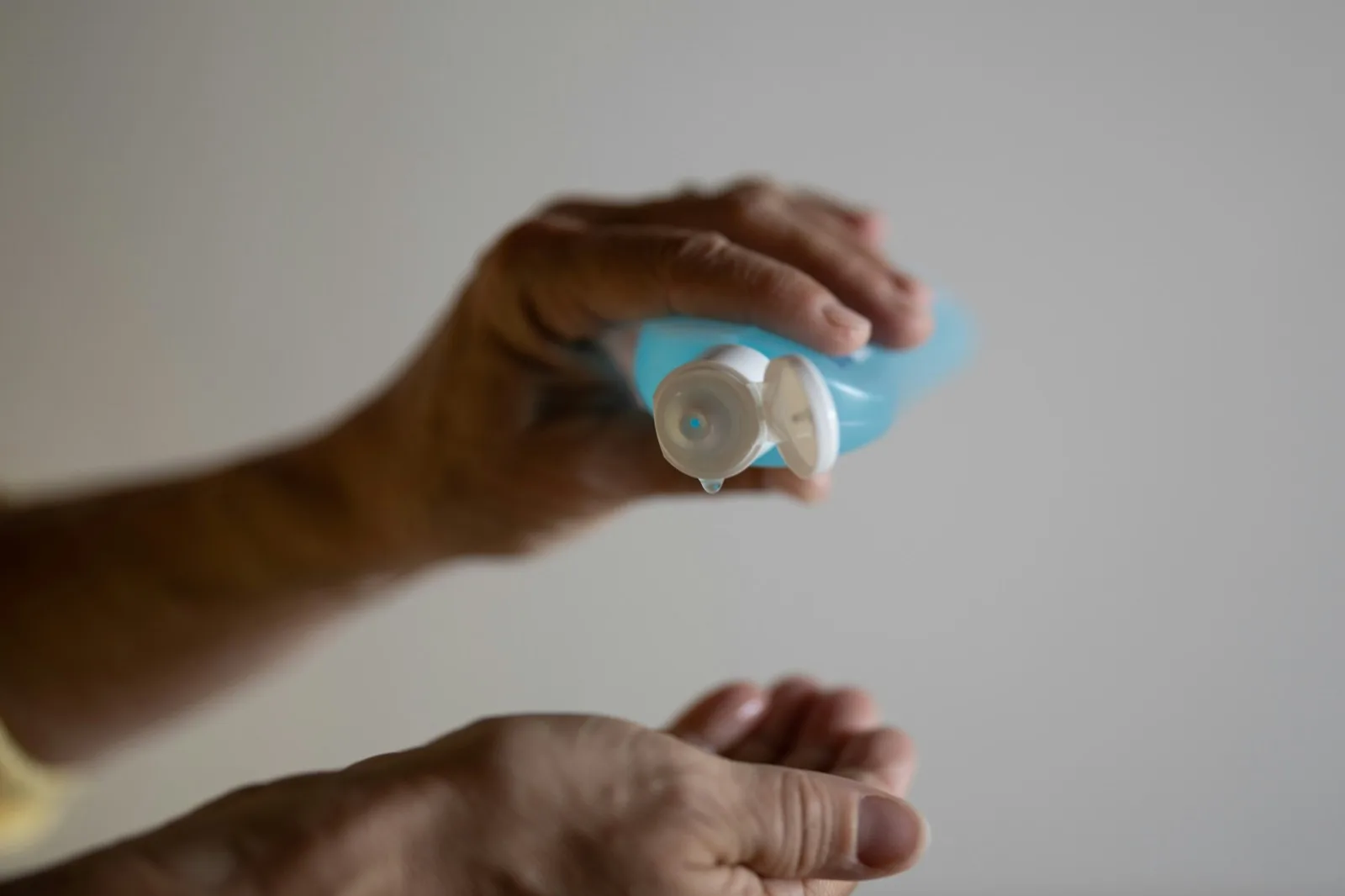
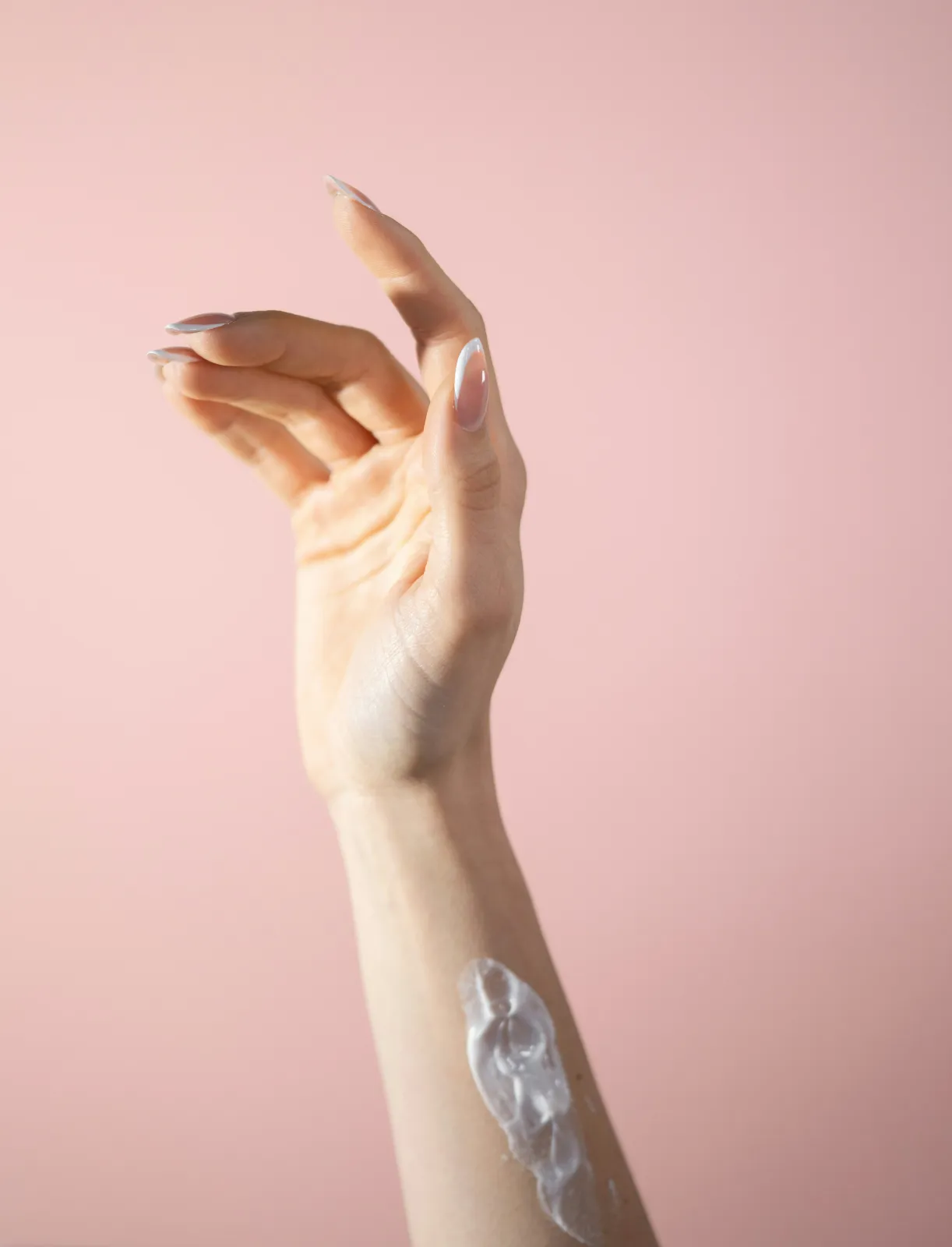
lead_image_alt: Dispensing refreshing cooling blue soothing gel into palms for post-sunburn skin relief
thumbnail: /images/stock/skincare-blue-gel-dispense-hands-step.webp
thumbnail_alt: Dispensing refreshing cooling blue soothing gel into palms for post-sunburn skin relief
author: Editorial Team
publish: true
Japanese Post Sunburn Soothing Aloe and Gel Care Guide
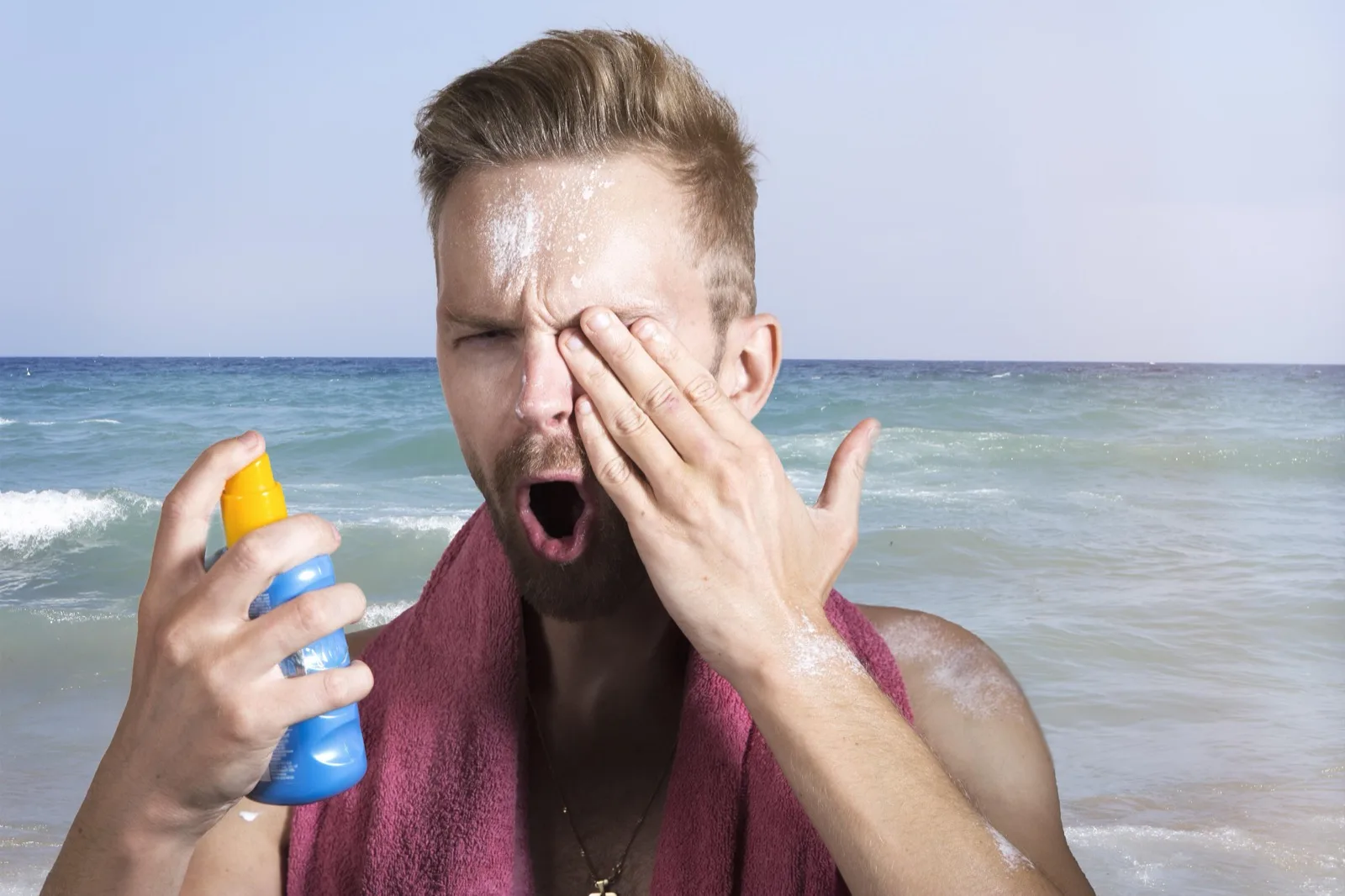
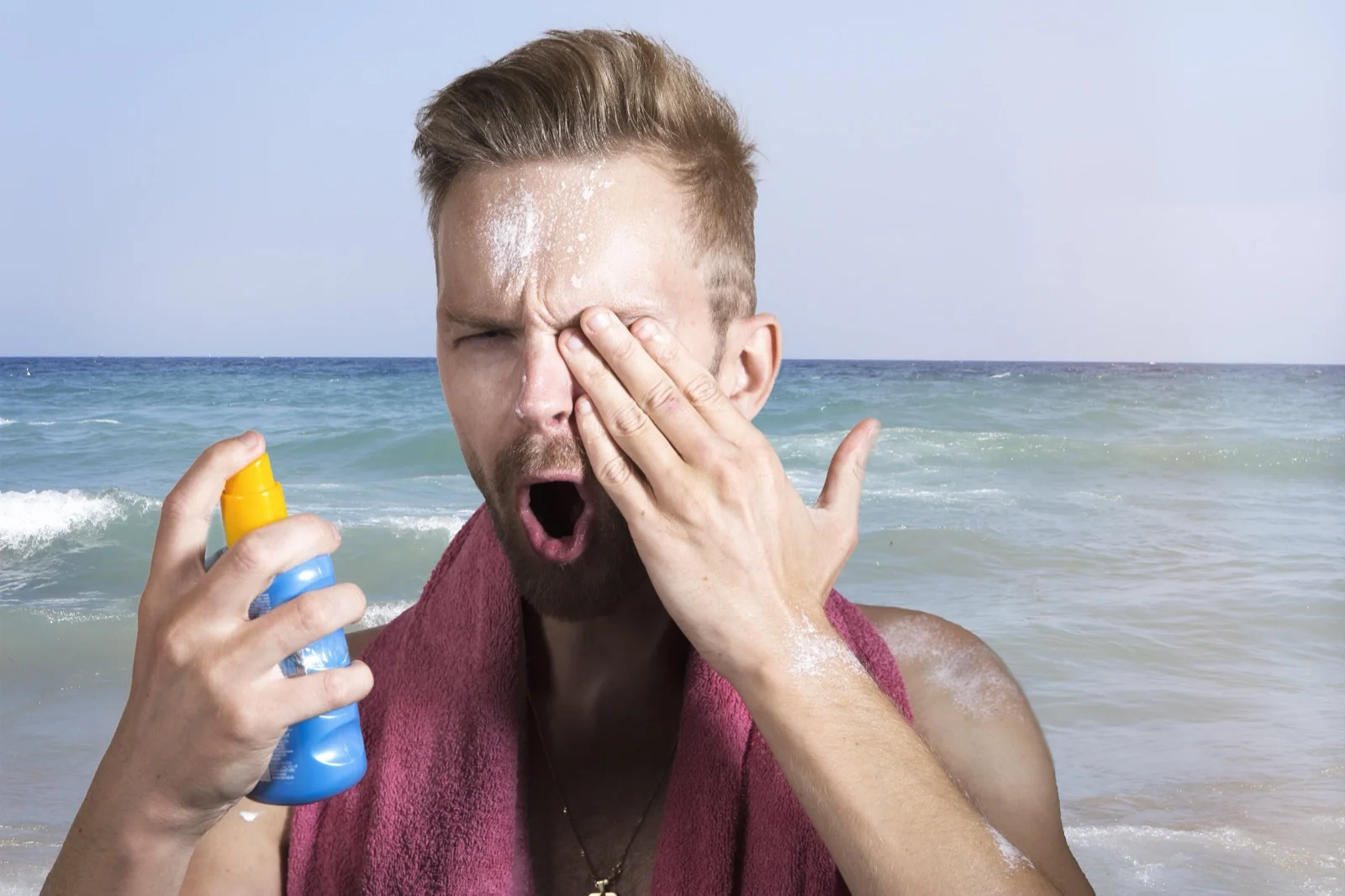
An unexpected day under intense summer sunlight often ends with acute redness, radiating heat (hoteri), and hypersensitive skin. In Japanese cosmetic culture, this accidental solar overexposure is handled through methodical, gentle after-sun steps. Rather than masking the discomfort with thick ointments or aggressive peeling agents, Japanese after-sun rituals focus on temperature reduction, aqueous rehydration, and botanical calming.
Knowing how to nurse heat-stressed skin during the crucial first 72 hours prevents long-term barrier dehydration and unwanted post-inflammatory discoloration. Here is your comprehensive guide to Japanese post-sunburn recovery using soothing aloe, botanical gels, and disciplined cooling techniques.
The Biology of Sunburn: What Happens Beneath the Surface
Sunburn (hiyake) is an acute inflammatory reaction triggered primarily by solar ultraviolet B (UVB) radiation:
1. The Erythema and Thermal Cascade
Within 2 to 6 hours of unprotected exposure, UVB photons induce DNA photolesions (cyclobutane pyrimidine dimers) in epidermal keratinocytes. Damaged cells release vasoactive prostaglandins (PGE2) and nitric oxide, causing cutaneous capillaries to dilate. This vascular rush produces visible redness (erythema), local swelling, and a distinct sensation of radiating heat.
2. Dehydration and Barrier Micro-Fissuring
As the epidermal inflammatory response peaks around 24 hours, cellular membrane integrity falters. Transepidermal water loss (TEWL) surges dramatically, leaving the skin feeling tight, parched, and rough. While cellular recovery capacity and natural pigment defense shift with cutaneous chronological aging over time[1], acute sun damage demands immediate temperature dissipation before cells can resume normal turnover.
The 3-Phase Japanese Protocol for Post-Sun Relief
Japanese dermatological advice categorizes after-sun care into three distinct physiological phases:
Scroll horizontally to view more
Timeline
Primary Objective
Recommended Japanese Solutions
Key Ingredients
Phase 1: 0 to 24 Hours
Physical cooling and thermal dissipation
Cold tap water compresses, chilled mist sprays
Pure mineral water, thermal spring water
Phase 2: 24 to 72 Hours
Aqueous rehydration and redness soothing
Alcohol-free aloe gels, botanical jelly packs
Aloe vera leaf juice, dipotassium glycyrrhizate, mugwort (*yomogi*)
Phase 3: Day 4 Onward
Lipid barrier reconstruction and peeling defense
Ceramide milk, squalane emulsion
Human-type ceramides (NP, AP), rice bran oil
Step-by-Step Cooling and Hydration Ritual
Executing proper post-sun care requires a gentle touch and zero friction:
Step 1: Immediate Cold Water Compress (Hiyashi)
The moment you return indoors, dampen soft clean cotton towels with cool tap water (around 15°C to 18°C) and gently drape them over sun-flushed skin for 10 to 15 minutes. Avoid applying direct ice packs, which cause extreme vasoconstriction followed by rebound vascular dilation and potential thermal shock.
Step 2: Calming Botanical Gel Application
Once skin feels cool to the touch, apply a generous layer of fragrance-free, alcohol-free Japanese aloe or dokudami (Houttuynia cordata) gel. Smooth the gel over the skin with flat palms without rubbing. Japanese botanical gels form a refreshing water-cushion that delivers humectants while allowing radiant heat to evaporate unhindered.
Step 3: Gentle Cleansing with Lukewarm Water
When bathing, avoid hot showers and foaming surfactant scrubs. Cleanse only with cool or lukewarm water and a mild amino acid wash. Let water cascade over sun-stressed areas without dragging loofahs or abrasive sponges.
Step 4: Hydrating Cotton Pack for Facial Flushes
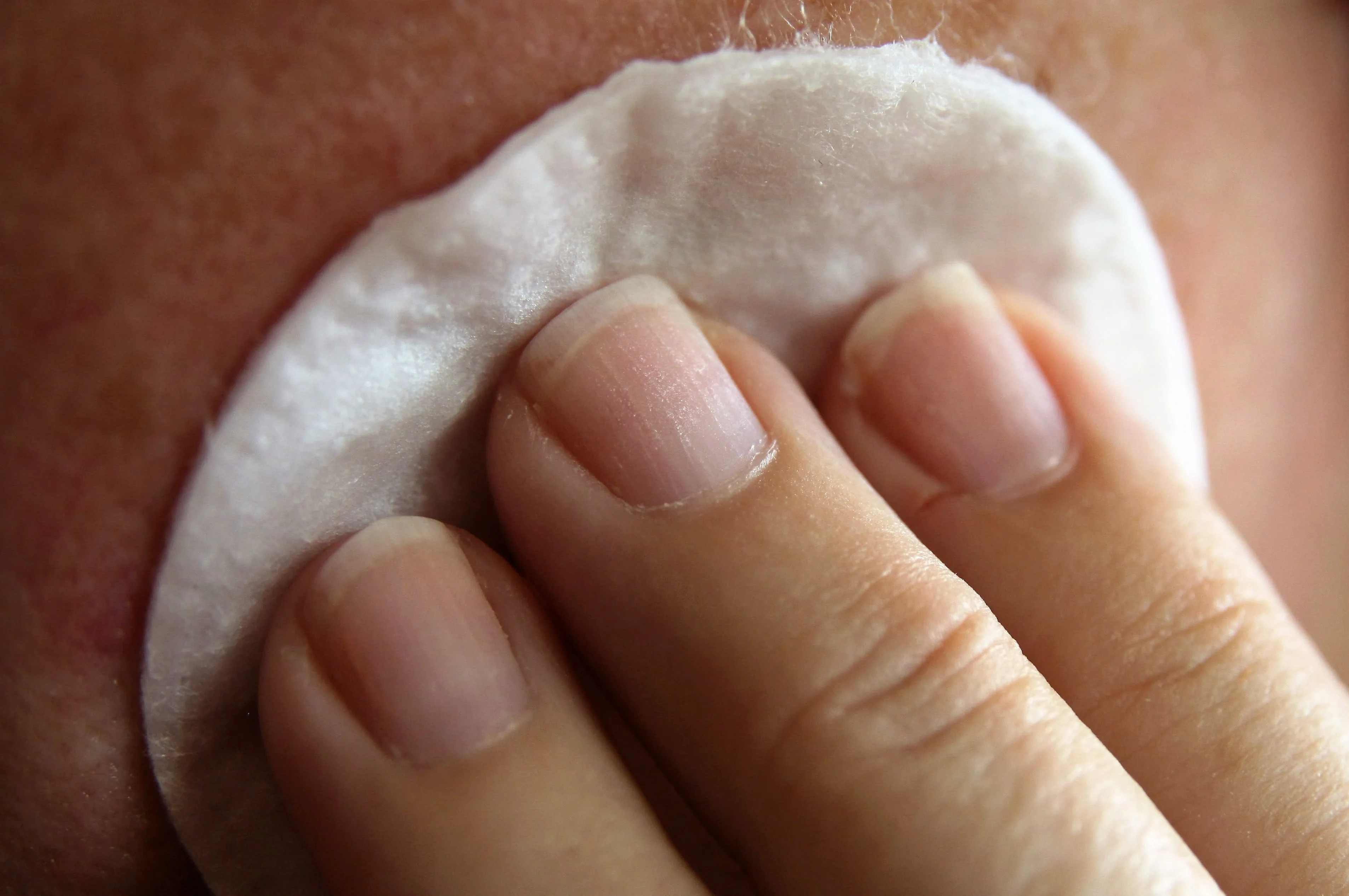
Soak unbleached cotton pads in a gentle, alcohol-free hatomugi (Job's tears) or ceramide conditioning lotion. Place the chilled pads across cheeks and forehead for 3 minutes to infuse deep aqueous moisture.
When venturing out in subsequent days, remember that rigorous daily morning broad-spectrum sunscreen application prevents cumulative UV photodamage and future complications[2].
Common Mistakes That Delay Sunburn Recovery
Misguided recovery efforts can prolong cutaneous sensitivity:
1. Applying Heavy Petroleum Ointments Immediately
Coating acutely hot, sunburned skin with heavy petrolatum or thick mineral oils traps internal thermal energy inside tissue, acting like a metabolic insulator that worsens inflammation. Reserve occlusive balms for Phase 3, after the radiating heat has fully dissipated.
2. Peeling Flaking Skin Manually
As damaged keratinocytes shed several days later, resist the urge to peel flakes with fingers or scrubs. Prematurely stripping adherent scales exposes immature basal cells, increasing vulnerability to bacterial colonization and patchy hyperpigmentation.
3. Using Menthol-Heavy Cooling Toners
Many commercial body mists achieve an artificial "cooling" sensation through high alcohol and menthol content. While temporarily refreshing, alcohol rapidly evaporates and dissolves delicate barrier lipids. Be aware that applying heavily fragranced lotions over acutely sunburned skin can trigger severe contact irritation[3].
Signs to Stop and When to See a Doctor
While mild solar redness resolves with home care, severe phototoxic reactions necessitate emergency medical attention:
1. Recognizing Normal Recovery vs Severe Sunburn
Mild First-Degree Sunburn (Manageable): Warm pinkish skin, minor tenderness, and light dryness that subsides within 3 to 5 days.
Severe Second-Degree Burn (Requires Medical Care): Formation of extensive fluid-filled blisters (suibukure), intense throbbing pain, or raw weeping skin.
2. Emergency Red Flags Requiring Immediate Medical Attention
Seek prompt evaluation from an emergency clinic or board dermatologist if you experience:
Blistering covering more than 10% of your body surface (e.g., an entire back, chest, or limbs).
Systemic symptoms including high fever, chills, dizziness, severe headache, confusion, or nausea (hallmarks of heatstroke or sun poisoning).
Signs of secondary bacterial infection: increasing warmth, throbbing pain, red streaking, or purulent yellow drainage from burst blisters.
Severe facial edema affecting the eyelids or impeding vision.
Never puncture, drain, or peel blistered skin at home.
FAQ
Q1. Why does Japanese after-sun care emphasize gels instead of rich creams?
A. Lightweight gels hydrate deeply while allowing trapped body heat to escape.(Details)
In the first 48 hours following sun exposure, cutaneous capillaries remain dilated and radiate excessive heat. Water-based botanical gels deliver intense humectant hydration through aloe and hyaluronic acid without creating an insulating oil film that traps heat inside damaged tissue.
Q2. Can I use Japanese sheet masks on freshly sunburned skin?
A. Only use fragrance-free, alcohol-free calming masks specifically designed for sensitive skin.(Details)
Standard sheet masks often contain delivery enhancers, fragrances, or brightening acids (such as pure vitamin C) that can severely sting acutely inflamed skin. If using a sheet mask, select a gentle fragrance-free ceramide or centella formulation, and chill it in the refrigerator for 10 minutes beforehand.
Q3. When can I resume using active ingredients like retinol or AHA?
A. Wait at least 7 to 10 days until all peeling and tenderness have completely resolved.(Details)
Introducing chemical exfoliants or retinoids onto newly revealed, recovering skin can cause chemical burns and post-inflammatory hyperpigmentation. Wait until the epidermal barrier has fully stabilized and shows no signs of flaking, redness, or sensitivity.
Q4. Does aloe vera gel actually help soothe sun redness?
A. Yes, aloe polysaccharides provide cooling moisture and reduce surface heat.(Details)
Aloe vera contains acemannan and polymannose polysaccharides that bind significant volumes of water. When spread over sun-stressed skin, these natural polymers create a cooling evaporative layer that reduces cutaneous temperature while calming superficial tightness.
Q5. How can I prevent peeling after getting a sunburn?
A. Consistent water hydration followed by gentle ceramide lotions minimizes visible peeling.(Details)
While severely damaged keratinocytes will naturally shed, keeping the stratum corneum thoroughly hydrated with soothing lotions and transitioning to lightweight ceramide emulsions on day 3 prevents dry, irregular flaking and supports smooth desquamation.
Summary and Key Takeaways
Compassionate after-sun recovery demands disciplined pacing and respect for heat-stressed skin:
Cool First: Dissipate surface heat with cool water compresses before applying topical skincare.
Hydrate with Light Gels: Saturate parched skin using alcohol-free aloe vera, dokudami, and mugwort gels.
Delay Heavy Occlusives: Avoid dense petroleum ointments during the first 48 hours to prevent heat retention.
Never Pick or Scrub: Allow peeling skin to shed naturally without mechanical tugging or abrasives.
Seek Medical Care for Blisters: Consult a doctor immediately for blistering burns, fever, chills, or dizziness.
By providing cooling relief and gentle hydration, you protect your skin's long-term resilience and restore lasting comfort.
References
The Japanese Dermatological Association. Sunburn Q&A on Photoaging and Biological Alterations in Aging Skin (Q5). https://www.dermatol.or.jp/qa/qa2/q05.html (Accessed 2026-11-24)
The Japanese Dermatological Association. Dermatological Q&A on Sunscreen Application for Long-Term Prevention (Q25). https://www.dermatol.or.jp/qa/qa3/q25.html (Accessed 2026-11-24)
The Japanese Dermatological Association. Dermatological Q&A on Contact Irritation and Scalp Friction Mechanisms (Q1). https://www.dermatol.or.jp/qa/qa4/q01.html (Accessed 2026-11-24)
Disclaimer: This article is for general information and education about Japanese cosmetics and their labels. It is not a substitute for professional medical advice, diagnosis, or treatment. Skincare results vary from person to person. Product formulas, availability, prices, and regulations change, and products sold in Japan can differ from versions sold elsewhere, so always check the current label. Do a patch test before introducing a new product, and consult a doctor or dermatologist if you have a skin condition or specific concerns.