Japanese Skincare for Dehydrated Oily Inner Dry Skin
ConcernsBy Seibun Lab Editorial Team
title: Japanese Skincare for Dehydrated Oily Inner Dry Skin
slug: japanese-skincare-for-dehydrated-oily-skin-inner-dry
category: concerns
category_label: Concerns
published_at: '2026-11-24'
updated_at: '2026-11-24'
meta_description: Discover the Japanese skincare method for inner dry skin. Balance surface oiliness while restoring deep stratum corneum moisture with lotion layering.
description: Discover the Japanese skincare method for inner dry skin. Balance surface oiliness while restoring deep stratum corneum moisture with lotion layering.
lead_image: /images/stock/hands-dispensing-clear-lotion-into-palm.webp
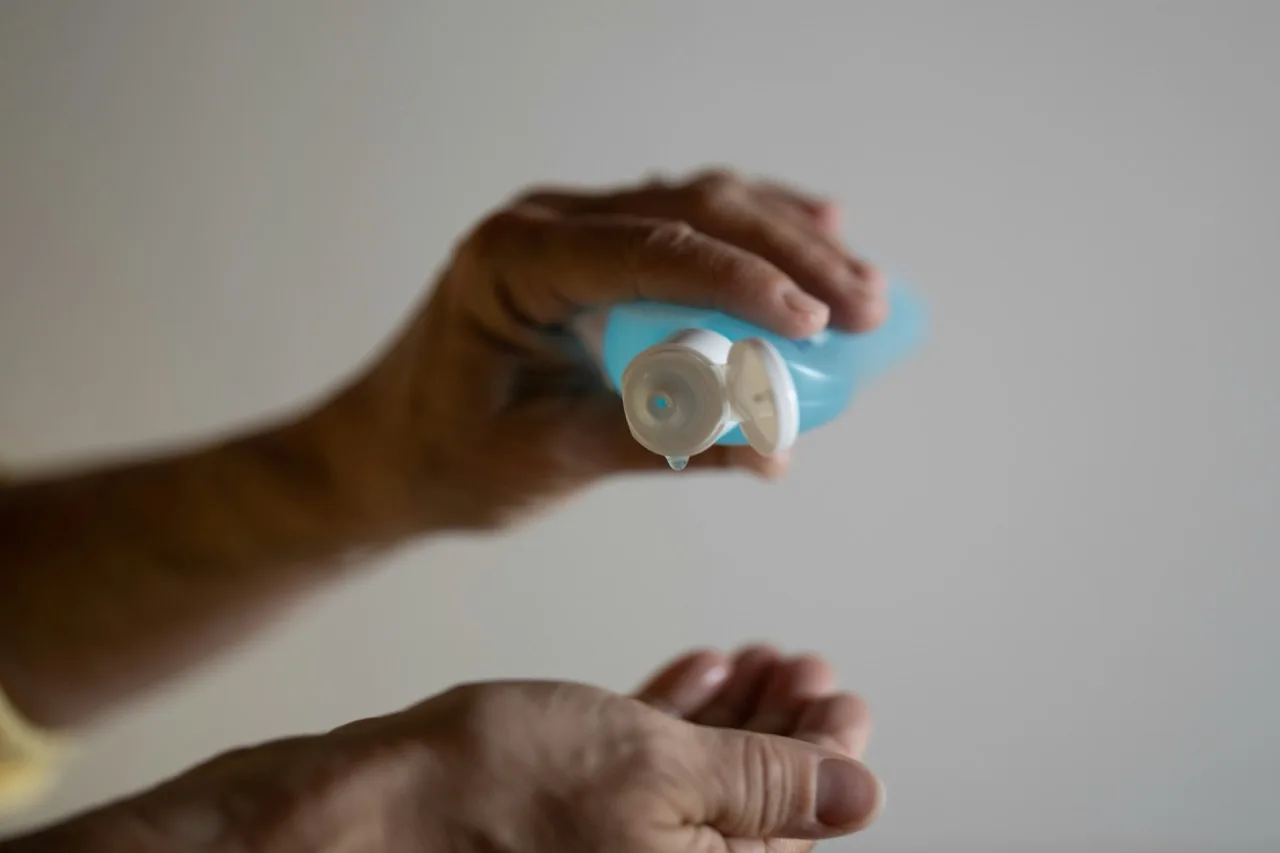
lead_image_alt: Dispensing hydrating Japanese watery conditioning lotion into open palms for inner dry skin care
thumbnail: /images/stock/hands-dispensing-clear-lotion-into-palm.webp
thumbnail_alt: Dispensing hydrating Japanese watery conditioning lotion into open palms for inner dry skin care
author: Editorial Team
publish: true
Japanese Skincare for Dehydrated Oily Inner Dry Skin
Many individuals struggle with a perplexing skin dilemma: their T-zone shines with excess oil by midday, yet their skin feels tight, uncomfortable, and prone to flaking beneath makeup. In Western cosmetic culture, this condition is frequently misdiagnosed as purely "oily skin," prompting people to use aggressive foaming cleansers, alcohol-heavy astringents, and oil-free gels.
In Japan, this common physiological condition has a dedicated term: inna-dorai (inner dry). Japanese cosmetic scientists recognize that surface oiliness is often a distress flare sent by a parched stratum corneum. When the deeper layers of the epidermal barrier lack essential water and intercellular lipids, sebaceous glands produce compensatory sebum to prevent further transepidermal water loss (TEWL). Here is how Japan's gentle, barrier-first philosophy rebalances inner dry skin from the ground up.
Understanding Inner Dry (Inna-Dorai) Biology
Distinguishing true oily skin from inner dry skin is essential for selecting the appropriate routine:
1. True Oily vs. Inner Dry Profiles
True Oily Skin (Shisei-hada): Characterized by abundant sebum production throughout the entire face, resilient barrier thickness, and rare sensations of tautness or post-wash tightness.
Inner Dry Skin (Kanso-shisei-hada): Displays high surface lipid shine accompanied by low stratum corneum hydration levels. After washing, the skin feels tight or parched, yet within hours an oily sheen appears over rough, flaky patches.
2. The Compensatory Sebum Mechanism
The stratum corneum relies on natural moisturizing factors (NMF) within corneocytes and structured lipid lamellae (ceramides, fatty acids, and cholesterol) to retain water. When harsh washing or climate exposure disrupts these lipids, moisture evaporates rapidly. While epidermal hydration retention and sebaceous regulation naturally decline with chronological aging over time[1], acute barrier disruption compels sebaceous glands into hyperactive overdrive to create an artificial barrier shield.
The Core Japanese Routine for Inner Dry Complexions
Restoring equilibrium requires saturating the epidermis with watery humectants before sealing it with a breathable lipid veil:
Scroll horizontally to view more
Routine Phase
Product Type
Biological Function
Key Japanese Actives
1. Mild Cleansing
Amino Acid Foam / Cleansing Milk
Removes oxidized surface sebum without stripping natural lipids
Protects barrier against environmental moisture loss
Encapsulated UV filters, sodium hyaluronate
The Art of Japanese Lotion Layering (Kaju-zuke)
For inner dry skin, a single quick swipe of toner is rarely sufficient. Japanese women practice kaju-zuke—applying multiple feather-light layers of hydrating lotion:
Step 1: The First Hydrating Veil
Pour a 500-yen coin-sized amount of alcohol-free watery lotion into clean palms. Warm it slightly between your hands and press it gently across your face. The initial application softens the outer keratin layers and prepares the intercellular pathways.
Step 2: The Second Infusion
Dispense a second smaller portion and gently pat it onto zones prone to both tightness and oiliness—the forehead, nose wings, and cheeks. Light, rhythmic palm pressing encourages even fluid distribution without mechanical friction.
Step 3: The 3-Minute Cotton Mask (Lotion Pack)
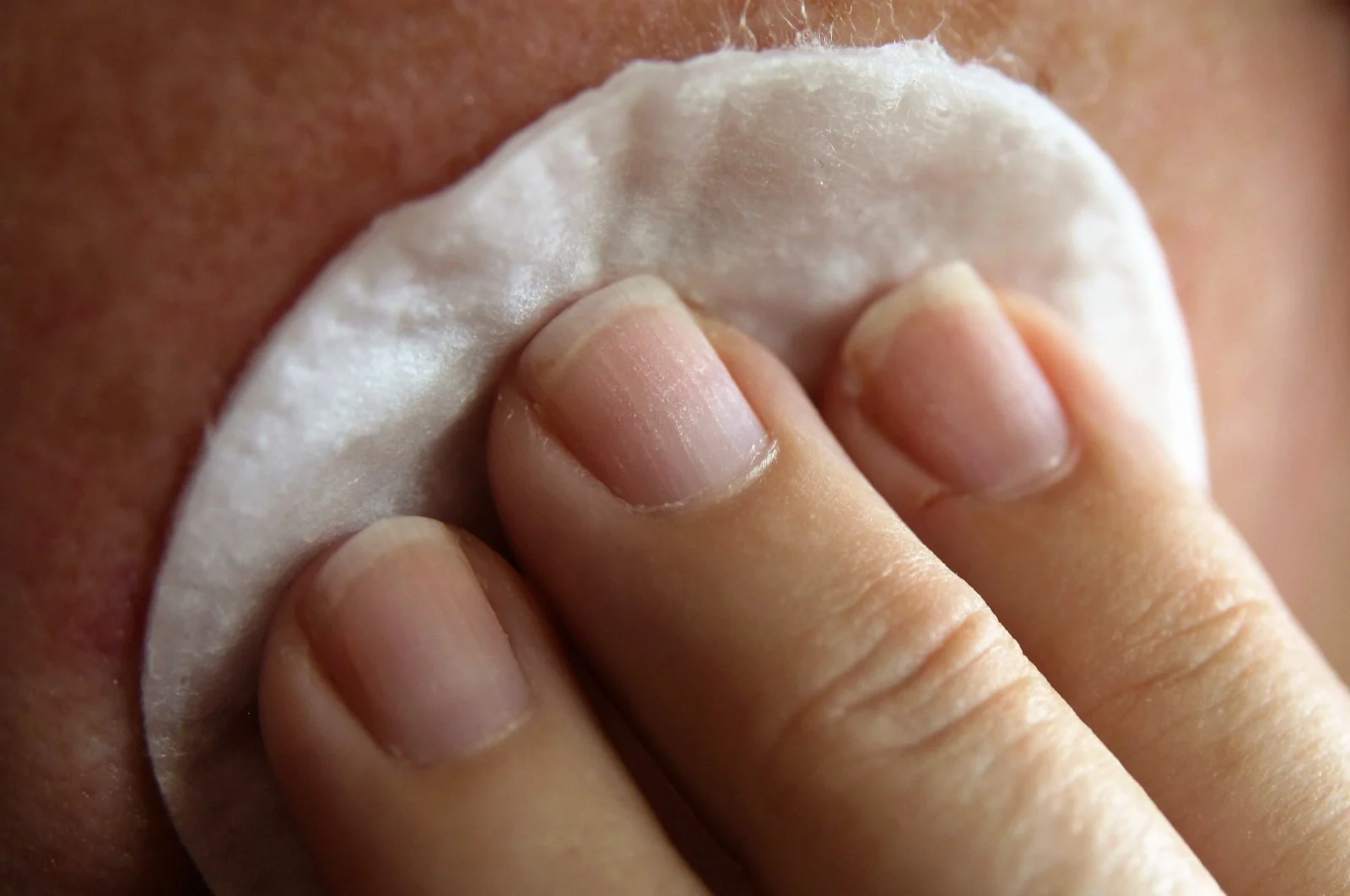
Once or twice weekly, saturate unbleached peelable cotton pads with your watery lotion and place them over cheeks and forehead for three minutes. This technique creates a temporary occlusive moisture bath that intensely hydrates corneocytes without adding pore-clogging oils.
Common Mistakes That Worsen Inner Dry Skin
Rebalancing requires unlearning habits that perpetuate the cycle of dryness and rebound oiliness:
1. Skipping Emulsion or Moisturizer
A frequent error among those with inner dry skin is omitting moisturizer out of fear of greasiness. Without a light lipid film (nyueki), the watery hydration you just applied evaporates into dry room air within minutes, leaving skin drier and prompting even greater sebum release.
2. Overusing Mattifying Clay and Blotting Papers
Excessive use of oil-absorbing paper sheets strips away the skin's protective surface shield, signaling glands to pump out more oil. Instead, gently press a clean tissue against the T-zone to lift excess shine without depleting underlying moisture.
3. Daily High-Strength Foaming Cleansers
Cleansers that leave the face feeling "squeaky clean" carry a high alkaline pH that strips vital intercellular ceramides. Transition to a weakly acidic (pH 5.5) amino acid cleanser that preserves moisture integrity.
Signs to Stop and When to See a Doctor
While inner dry skin responds remarkably well to disciplined hydration layering, skin irritation requires attentive care:
1. Distinguishing Dehydration from Dermatitis
Manageable Dehydration: Gradual evening of oiliness, improved makeup adherence, and softening of fine dry lines across 2 to 3 weeks.
Active Barrier Damage: Stinging upon applying plain water, spreading redness, itching, or persistent micro-bumps. Note that applying astringent alcohol toners over dehydrated complexions can provoke acute contact irritation[3].
2. When to Seek Professional Guidance
Consult a certified board dermatologist if you experience:
Persistent facial flushing and pustules around the central face, which could signify seborrheic dermatitis or rosacea rather than simple dehydration.
Oozing, cracking, or painful fissuring around the nose or mouth.
Failure of skin barrier discomfort to improve after three weeks of minimalist, fragrance-free moisturizing care.
Always remember that defending vulnerable recovering skin with daily morning broad-spectrum sunscreen prevents UV-induced lipid barrier breakdown[2].
FAQ
Q1. How can I tell if my skin is truly oily or inner dry?
A. Check how your bare skin feels 10 to 15 minutes after washing.(Details)
Cleanse your face with a mild cleanser and leave it bare for 15 minutes. If your skin feels uncomfortably tight, taut, or looks dull, yet develops an oily shine across the nose and forehead an hour later, you are experiencing inner dry skin rather than genuine oiliness.
Q2. Can a lightweight Japanese emulsion replace a heavy moisturizing cream?
A. Yes, Japanese emulsions provide balanced lipids without feeling heavy.(Details)
Japanese emulsions (*nyueki*) contain a sophisticated water-in-oil-in-water or oil-in-water micro-emulsion structure. They supply essential ceramides and squalane to seal in moisture without the dense, occlusive weight that can feel stifling on oily T-zones.
Q3. Why do alcohol-based toners make inner dry skin worse?
A. High alcohol concentrations dissolve essential intercellular lipids and accelerate evaporation.(Details)
While ethanol provides a temporary cooling, mattifying sensation, it rapidly evaporates and takes endogenous moisture with it. This disrupts the stratum corneum barrier, triggering reactive hyper-seborrhea as the skin attempts to shield itself.
Q4. How many times should I layer Japanese lotion for dehydrated skin?
A. Two to three light layers are ideal for everyday balance.(Details)
Applying two or three small amounts sequentially allows the stratum corneum to absorb water progressively without pooling on the skin. You will feel when your skin is sufficiently hydrated: it will feel cool to the touch and gently bounce under palm pressure.
Q5. How long does it take to rebalance inner dry skin?
A. Surface comfort returns within days, while full barrier recovery takes 28 days.(Details)
Skin tightness and midday shine noticeably diminish within the first week of proper lotion layering and mild cleansing. Complete cellular turnover and restoration of the ceramide lipid matrix align with a full 28-day epidermal cycle.
Summary and Key Takeaways
Rebalancing inner dry skin requires working with your skin's biological needs, not fighting surface oil:
Understand the Root Cause: Midday shine is frequently a defensive response to deep stratum corneum dehydration.
Abandon Harsh Stripping: Swap foaming alkaline soaps and high-alcohol astringents for gentle amino acid washes.
Layer Watery Moisture: Practice palm-pressing with alcohol-free kesho-sui to saturate parched corneocytes.
Always Seal with Emulsion: Apply a ceramide-rich nyueki milk to lock in hydration without clogging pores.
Shield Daily: Defend delicate lipid structures against ultraviolet stress with lightweight daytime sunscreen.
Through gentle consistency, you can transform taut, shiny skin into a calm, hydrated, and naturally balanced complexion.
References
The Japanese Dermatological Association. Sunburn Q&A on Photoaging and Biological Alterations in Aging Skin (Q5). https://www.dermatol.or.jp/qa/qa2/q05.html (Accessed 2026-11-24)
The Japanese Dermatological Association. Dermatological Q&A on Sunscreen Application for Long-Term Prevention (Q25). https://www.dermatol.or.jp/qa/qa3/q25.html (Accessed 2026-11-24)
The Japanese Dermatological Association. Dermatological Q&A on Contact Irritation and Scalp Friction Mechanisms (Q1). https://www.dermatol.or.jp/qa/qa4/q01.html (Accessed 2026-11-24)
Disclaimer: This article is for general information and education about Japanese cosmetics and their labels. It is not a substitute for professional medical advice, diagnosis, or treatment. Skincare results vary from person to person. Product formulas, availability, prices, and regulations change, and products sold in Japan can differ from versions sold elsewhere, so always check the current label. Do a patch test before introducing a new product, and consult a doctor or dermatologist if you have a skin condition or specific concerns.