Japanese Care for Maskne & Friction: Barrier Guide
ConcernsBy Editorial Team
title: Japanese Care for Maskne & Friction: Barrier Guide
slug: japanese-skincare-for-maskne-and-friction-rash
category: concerns
category_label: Skin Concerns & Types
published_at: '2026-11-23'
updated_at: '2026-11-23'
meta_description: Learn how Japanese skincare mitigates maskne and friction irritation. Discover barrier balms, anti-chafing skincare, and gentle non-comedogenic hydration.
description: Learn how Japanese skincare mitigates maskne and friction irritation. Discover barrier balms, anti-chafing skincare, and gentle non-comedogenic hydration.
hero_image: /images/stock/dry-sensitive-skin-barrier-damage.webp
hero_image_alt: Microscopic diagram of compromised skin barrier suffering from friction and moisture loss
thumbnail: /images/stock/dry-sensitive-skin-barrier-damage.webp
thumbnail_alt: Microscopic diagram of compromised skin barrier suffering from friction and moisture loss
reading_time: 6
author: Editorial Team
publish: true
Japanese Care for Maskne & Friction: Barrier Guide
Quick answer
Japanese skincare approaches maskne and friction rash not through aggressive stripping, but by establishing a physical moisture shield. By deploying micro-barrier balms, high-purity petrolatum veils, and quasi-drug soothing actives like dipotassium glycyrrhizate, J-beauty minimizes mechanical abrasion and balances the humid-dry microclimate inside protective facial coverings.
In Japan, daily face-covering wear has been an ingrained cultural norm during pollen seasons, winter flu periods, and train commutes for decades. Consequently, Japanese dermatologists and cosmetic laboratories have extensively researched the physiological triggers behind "maskne" and contact friction irritation.
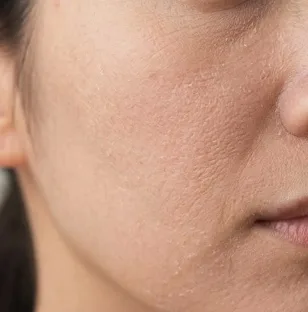
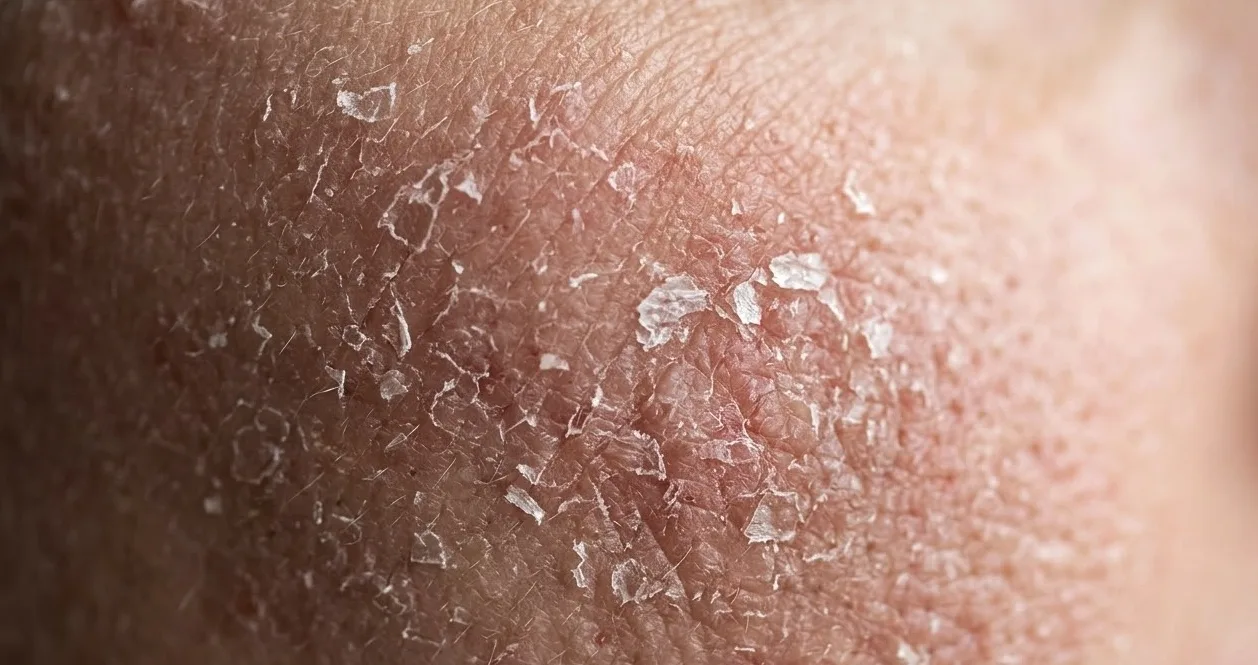
When facial coverings rub against delicate skin across hours of wear, two distinct stressors collide: mechanical chafing along the nasal bridge, jawline, and cheekbones, combined with rapid microclimate fluctuations. The trapped moisture from exhaled breath creates high humidity that swells stratum corneum corneocytes, followed by abrupt moisture evaporation whenever the mask is removed. This cycle leaches away intercellular lipids, leaving the cutaneous barrier sensitized. Here is the Japanese dermatological perspective on fortifying the skin against friction and keeping the moisture barrier resilient.
The Twofold Mechanism of Mask Friction & Blemishes
Understanding why protective masks provoke irritation is essential for selecting appropriate barrier formulas:
Mechanical Shear Stress (Masatsu): Every time you speak, swallow, or adjust your mask, non-woven polypropylene fibers rub against the epidermis. This repetitive friction disrupts the protective lipid bilayer, creating micro-abrasions that make skin feel raw and reactive.
The Evaporation-Rebound Cycle: Trapped humidity softens the skin barrier, allowing natural moisturizing factors (NMF) to leach out. When you remove the mask, surface moisture evaporates rapidly into ambient air, leaving underlying tissue more dehydrated than before.
Sebum Lipid Alteration: Warm, trapped moisture alters sebum composition, creating an ideal micro-environment for follicular congestion around the chin and jawline.
Scroll horizontally to view full table
Factor
Mechanical Mask Friction
Conventional Acne Breakouts
Primary Trigger
Physical fabric rubbing + humidity shifts
Hormonal fluctuations + excess sebum plugs
Affected Facial Zones
Cheek peaks, nasal bridge, jaw contour
T-zone, forehead, diffuse facial areas
Skin Barrier State
Compromised, thinned, highly reactive
Variable; often oily with hyperkeratinization
Formulation Focus
Anti-friction balms, soothing barrier shields
Keratolytic exfoliants, oil-clearing lotions
Common Pitfall
Over-drying with astringents; worsening rash
Under-cleansing or heavy pore-blocking oils
The Japanese Approach: Protective Anti-Friction Shields
Rather than applying strong drying acids that further weaken stripped skin, Japanese formulators focus on creating a low-friction slip between the skin surface and mask fabric:
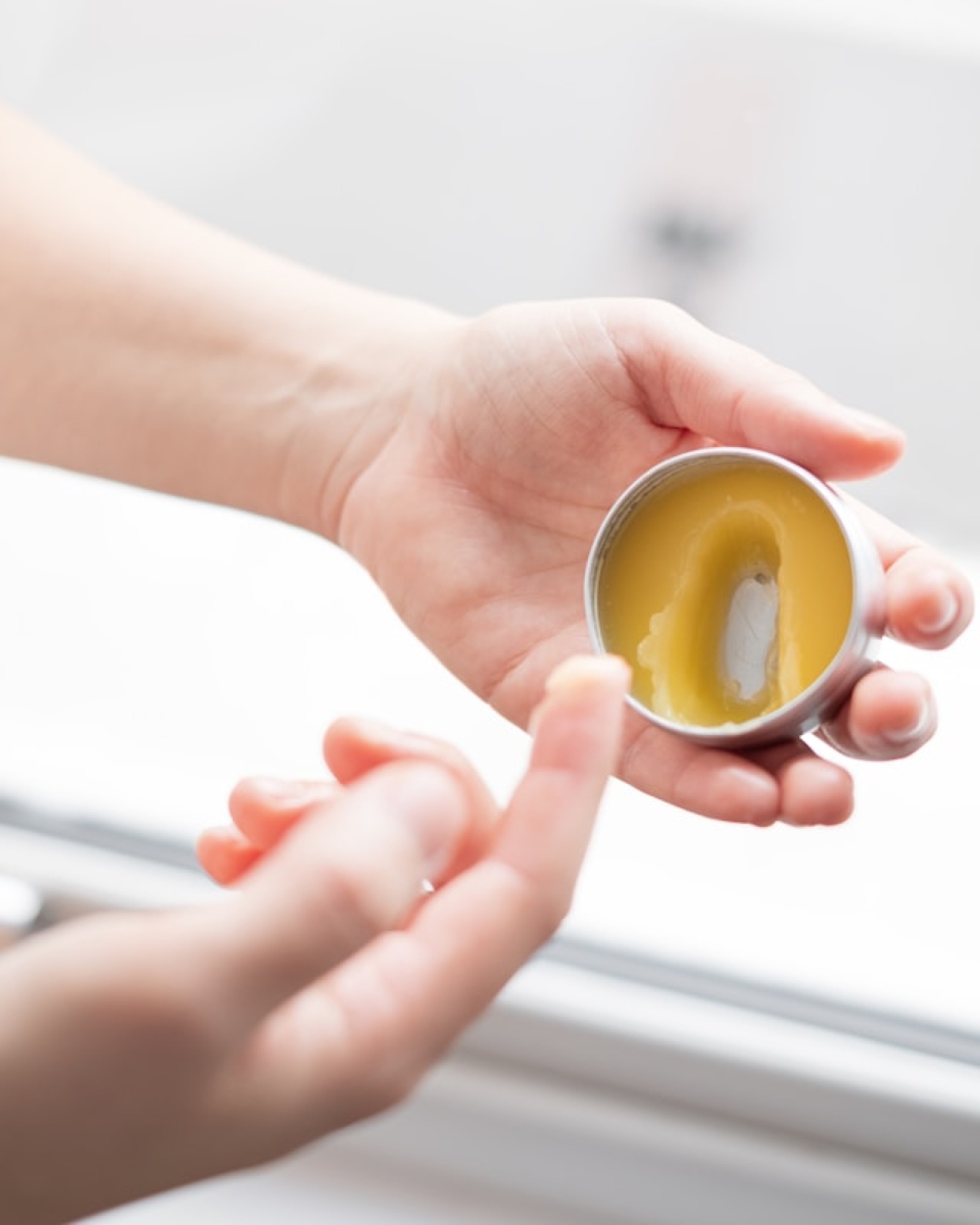
Medical-grade, highly purified petrolatum forms an inert physical barrier. Unlike cosmetic oils that may oxidize, high-purity petrolatum does not absorb into living strata; instead, it creates a flexible micro-veil that absorbs fabric friction and halts rapid moisture evaporation.
2. Quasi-Drug Soothing Actives (Iyaku-bukaihin)
Japanese quasi-drug lotions and emulsions frequently incorporate dipotassium glycyrrhizate (kanzo-ekisu) and allantoin. Approved under strict ministerial regulations for rough skin prevention (hada-are boshi), these ingredients soothe irritation without depressing cellular turnover.
3. Human-Type Ceramides & Squalane
Replenishing the intercellular lipid mortar with biocompatible ceramides (NP, AP, EOP) and pure hydrogenated squalane restores lipid cohesion, ensuring stratum corneum cells remain anchored despite repetitive mechanical rubbing.
Daily Routine for Mask-Wear Days
A proactive routine focuses on pre-wear friction defense and post-wear calming:
Morning: Cushion and Shield
Gentle Cleansing: Wash with lukewarm water or a low-foaming, amino acid-based face wash to avoid stripping natural lipids.
Hydrating Conditioning (Keshosui): Press a gentle ceramide-rich lotion into the face using soft palms.
Barrier Locking (Nyueki): Apply a lightweight moisturizing milk to seal moisture channels.
Targeted Barrier Balm: Lightly dab a high-purity petrolatum balm or anti-chafing stick directly onto contact zones: the bridge of the nose, upper cheekbones, and under the chin.
Broad-Spectrum Photoprotection: Layer broad-spectrum sunscreen over entire exposed and covered areas. Regarding sunscreens, their consistent daily use is strongly recommended from the medical standpoint of future skin damage and skin cancer prevention.[2]
Midday: Touch-Up Reset
If sweat accumulates beneath your mask, avoid rough wiping with dry paper tissues. Instead, gently press an oil-blotting sheet or soft damp cotton to absorb excess perspiration, then reapply a tiny dab of barrier balm over friction points.
Evening: Calm and Replenish
Cleanse with a low-friction cleansing milk or gentle oil that lifts sebum without aggressive rubbing.
Avoid physical facial scrubs, peeling gels, or high-strength chemical acids on visibly sensitized, friction-reddened zones.
Support overall epidermal longevity through gentle care, keeping in mind that normal biological aging involves the natural decline of physiological functions over time, whereas photoaging represents chronic, cumulative ultraviolet injury sustained by the skin tissue.[3]
Fabric Selection: Reducing Contact Stress
The physical mask material plays a significant role in mitigating cutaneous shear:
Silk or Cotton Inner Liners: Placing a washable, 100% natural silk or cotton gauze insert inside non-woven masks creates a smooth, low-friction surface against delicate skin.
Three-Dimensional (3D) Mask Designs: Japanese contoured masks (such as KF-style or diamond-fold designs) create an open breathing chamber, minimizing fabric contact across the lips and cheeks while securing firmly around the perimeter.
Proper Sizing: Masks that are too tight create excessive focal pressure, while overly loose masks shift constantly, causing continuous micro-friction with every head movement.
Signs to stop and when to see a doctor
Differentiating between temporary friction irritation and clinical skin disorders is crucial for appropriate care:
Immediate Cessation of Products: If new skincare formulations cause sharp burning, raised wheals, or worsening erythema, stop applying them and rinse gently with cool water.
Understanding Allergic Triggers: Contact dermatitis is a common condition encountered in dermatological practice, and if the specific triggering substance is identified and contact is discontinued, it is considered a condition that can be fully resolved.[1]
When to Seek Medical Attention: If redness becomes intense and hot to the touch, if honey-colored crusting or pus-filled lesions develop, or if rash-like symptoms spread beyond the mask perimeter, consult a board-certified dermatologist. These signs may indicate bacterial folliculitis, seborrheic dermatitis, or rosacea, which require prescription medical management rather than over-the-counter cosmetics.
FAQ
Q1. Should I pop or extract maskne blemishes?
A. No, squeezing blemishes exacerbates inflammation and delays recovery.(Details)
Squeezing or picking blemishes under a mask pushes bacteria deeper into irritated follicles and tears fragile epidermal tissue already weakened by friction. Applying a hydrocolloid blemish patch creates a protective shield that prevents fabric rubbing while allowing the skin to recover naturally.
Q2. Is it better to wear no makeup at all under a mask?
A. Skipping heavy liquid foundation is helpful, but a light powder helps.(Details)
Heavy oil-rich foundations can mix with trapped perspiration and clog pores. However, dusting a sheer, talc-free mineral or baby-grade setting powder over contact points helps absorb excess moisture and creates a silky surface that reduces fabric friction against the skin.
Q3. Can I use salicylic acid or retinoids while experiencing mask friction?
A. Pause potent exfoliating actives on chafed areas until the barrier stabilizes.(Details)
When the stratum corneum is physically abraded by mask fibers, applying keratolytic acids or retinoids can trigger severe stinging and chemical dermatitis. Temporarily suspend potent actives on affected cheek and jaw zones, prioritizing ceramide and petrolatum barrier replenishment.
Q4. Does washing cloth masks with standard laundry detergent cause irritation?
A. Yes, residual fragrances and optical brighteners can trigger contact rash.(Details)
Harsh surfactants, synthetic perfumes, and fabric softeners retained in cloth fibers transfer directly to moist skin during breathing. Wash reusable masks using fragrance-free, gentle laundry detergent, and rinse twice thoroughly with clean water before air-drying.
Q5. How does Japanese petrolatum differ from regular petroleum jelly?
A. Japanese medical-grade petrolatum undergoes specialized purification.(Details)
Products formulated with high-purity white petrolatum (*kodo seisei vaseline*) have trace impurities, aromatic compounds, and oxidation-prone precursors removed. This ultra-refined grade provides an inert, non-sensitizing barrier safe for cracked lips, eyelids, and delicate, chafed facial contours.
Summary
Managing maskne and friction discomfort requires gentle barrier defense rather than harsh exfoliation:
Acknowledge Dual Stressors: Recognize that physical fabric friction and humidity-evaporation cycles weaken the lipid barrier simultaneously.
Shield Friction Points: Apply high-purity petrolatum or targeted anti-chafing balm to nasal and cheek contours before putting on masks.
Soothe with Quasi-Drugs: Incorporate approved gentle actives like dipotassium glycyrrhizate to keep irritation from escalating.
Select Ergonomic Masks: Choose 3D structured masks or smooth silk inner linings to reduce abrasive contact.
Consult Professionals Promptly: Seek dermatological care if severe redness, blistering, or persistent lesions emerge.
References
The Japanese Dermatological Association. Dermatological Q&A on Contact Dermatitis: Pathophysiology and Identifying Causative Contact Triggers (Q1). https://www.dermatol.or.jp/qa/qa4/q01.html (Accessed 2026-11-23)
The Japanese Dermatological Association. Dermatological Q&A on Sunscreen Application for Long-Term Prevention (Q25). https://www.dermatol.or.jp/qa/qa3/q25.html (Accessed 2026-11-23)
The Japanese Dermatological Association. Sunburn Q&A on Photoaging and Biological Alterations in Aging Skin (Q5). https://www.dermatol.or.jp/qa/qa2/q05.html (Accessed 2026-11-23)
Disclaimer: This article is for general information and education about Japanese cosmetics and their labels. It is not a substitute for professional medical advice, diagnosis, or treatment. Skincare results vary from person to person. Product formulas, availability, prices, and regulations change, and products sold in Japan can differ from versions sold elsewhere, so always check the current label. Do a patch test before introducing a new product, and consult a doctor or dermatologist if you have a skin condition or specific concerns.