Japanese Skincare for Pollen Allergy and Hay Fever Skin
ConcernsBy Seibun Lab Editorial Team
title: Japanese Skincare for Pollen Allergy and Hay Fever Skin
slug: japanese-skincare-for-pollen-allergy-hay-fever-skin
category: concerns
category_label: Concerns
published_at: '2026-11-24'
updated_at: '2026-11-24'
meta_description: Shield seasonal itchy skin from spring pollen and yellow dust. Discover Japanese barrier mists, gentle cleansing, and non-friction skincare methods.
description: Shield seasonal itchy skin from spring pollen and yellow dust. Discover Japanese barrier mists, gentle cleansing, and non-friction skincare methods.
lead_image: /images/stock/dry-sensitive-skin-barrier-damage.webp
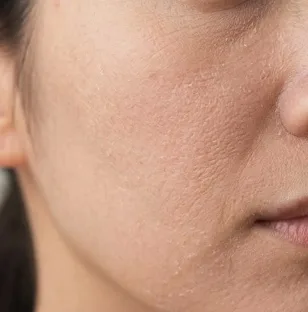
lead_image_alt: Close-up of delicate facial skin experiencing dryness and seasonal sensitivity during spring pollen season
thumbnail: /images/stock/dry-sensitive-skin-barrier-damage.webp
thumbnail_alt: Close-up of delicate facial skin experiencing dryness and seasonal sensitivity during spring pollen season
author: Editorial Team
publish: true
Japanese Skincare for Pollen Allergy and Hay Fever Skin
In early spring, millions across Japan prepare for kafun-sho (cedar and cypress pollen allergy). While runny noses and watery eyes are well-known symptoms, dermatologists observe an equally prevalent condition: kafun hifuen (pollen-induced skin irritation). When microscopic pollen grains, airborne desert dust (kosa), and PM2.5 particulates settle on facial contours, they compromise the delicate lipid barrier, causing persistent itching, rough flaky patches, and redness around the eyelids and neck.
Japanese cosmetic science does not attempt to provide medical allergy interventions through cosmetics. Instead, J-beauty formulators focus on physical barrier defense: preventing environmental particles from contacting bare skin, gently washing them away upon returning indoors, and restoring intercellular lipids. Here is your practical guide to navigating seasonal pollen irritation through Japanese cosmetic care.
Why Spring Pollen Triggers Skin Instability (Yuragi-Hada)
Understanding how environmental allergens interact with the epidermis reveals why standard routines often fall short during spring:
1. The Disrupted Corneocyte Seal
Under normal circumstances, the stratum corneum acts as an impervious brick-and-mortar shield. However, early spring weather brings drastic temperature fluctuations and arid winds. When barrier lipid density and natural moisture retention capacity experience steady physiological shifts over time[1], microscopic gaps develop between surface corneocytes, allowing pollen antigens (Cry j 1 and Cry j 2) to settle directly against reactive cutaneous nerve endings.
2. The Itch-Scratch-Friction Cycle
Pollen particles trigger localized histamine release and sensory itching. When individuals rub itchy eyelids or scrub repeatedly with abrasive towels, they strip healthy sebum and micro-tear the epidermal tissue. This mechanical damage accelerates moisture loss, creating a vulnerability cycle where pollen settles deeper across vulnerable layers and causes greater irritation.
The 3-Pillar Japanese Defense Against Pollen Skin Distress
Japanese skincare counters seasonal pollen sensitivity through three disciplined defensive measures:
Scroll horizontally to view more
Defensive Pillar
Primary Action
Recommended Japanese Products
Key Botanical & Functional Actives
1. Physical Shielding
Forms an electrostatic or polymer barrier to repel airborne particles
Electrostatic barrier spray (*kafun gado mist*), non-chemical UV base
Micro-polymer films, titanium dioxide, zinc oxide
2. Non-Friction Cleansing
Lifts pollen and dust away upon entering the home without rubbing
Protecting your skin throughout the day requires coordinated habits before leaving home and immediately after returning:
Morning: The Protective Shield
Gentle Splash Rinse: Wash with lukewarm water or a mild milk cleanser. Avoid alkaline soaps that strip protective morning sebum.
Hydrating Veil: Press an alcohol-free, fragrance-free conditioning lotion into the skin using flat palms.
Ceramide Barrier Milk: Apply a soothing emulsion rich in ceramides and allantoin to reinforce cell adhesion.
Non-Chemical Sunscreen: Choose a mineral sunscreen labeled shigaisen kyushuzai mutenkka (free from UV absorbers). Mineral powders create a physical shield over the epidermis.
Electrostatic Pollen Mist: Before stepping outside, close eyes and mouth, and mist an electrostatic barrier spray evenly from 20 cm away. These innovative Japanese sprays use patented polymer technology to repel charged pollen grains from adhering to skin and hair.
Evening: Prompt Allergen Removal
Cleanse Upon Arrival: Do not lounge on furniture while carrying airborne pollen on your face. Head directly to the sink.
Thick Gel or Oil Dissolution: Use a generous volume of cushioned cleansing gel. Let the product glide across skin without your fingers dragging against delicate tissue.
Lukewarm Water Rinse: Rinse with comfortable water (around 32°C). High water temperatures dissolve natural lipid matrices and exacerbate itchiness.
Pat Dry with Tissue: Lightly press a clean soft tissue against the face rather than rubbing with a terrycloth towel.
Calming Moisture Seal: Apply your hydrating lotion followed by a protective barrier balm over irritated areas such as the outer eye corners and nostrils.
Protecting fragile reactive skin with daily morning broad-spectrum sunscreen prevents UV-induced oxidative barrier stress[2] throughout the spring months.
Crucial Habits to Avoid During Pollen Season
Simple changes in daily routines can dramatically reduce allergen exposure:
1. Never Rub Itchy Eyelids
Friction breaks fragile periorbital skin. If eyelids feel itchy, apply a cold, clean damp compress for two minutes, followed by a thin layer of purified white petrolatum (sanhowaito).
2. Avoid Outdoor Laundry Drying
During peak pollination months (February to April in Japan), avoid hanging bath towels and bed linens outdoors. Pollen adheres tightly to cotton fibers, transferring allergens directly to your face while sleeping.
3. Pause Active Exfoliants and Harsh Acids
When skin feels sensitized, suspend retinol, glycolic acid, and rough scrub washes. Allow the stratum corneum to fully recover its protective density before reintroducing stimulating actives.
Signs to Stop and When to See a Doctor
Cosmetic products are designed solely for environmental shielding and everyday hygiene. Acute allergic responses require professional medical care:
1. Monitoring Cutaneous Reactions
Normal Seasonal Adjustment: Mild dryness or transient tickling sensations relieved by gentle moisturizing.
Contact Dermatitis Warning: Burning pain, spreading rash, oozing blisters, or localized swelling around the eyes. Note that rubbing itchy facial skin vigorously when pollen is present can provoke acute contact irritation[3].
2. Red Flags Requiring a Board Dermatologist or Allergist
Promptly consult a licensed medical physician if you encounter:
Severe eyelid edema that impairs normal eye movement.
Weeping eczema or yellowish crusting, which suggests secondary bacterial infection.
Itching accompanied by respiratory difficulty, wheezing, or facial hives (urticaria).
No improvement in skin barrier comfort after 7 days of non-irritating, minimalist barrier care.
FAQ
Q1. How do Japanese pollen-blocking mists actually work?
A. They coat the skin in an invisible electrostatic polymer mesh that repels airborne particles.(Details)
Patented Japanese barrier sprays deposit microscopic charged polymers over skin and hair. This micro-mesh creates an electrostatic repulsion field that deflects negatively charged pollen particles, dust, and PM2.5 particulates, preventing them from adhering to bare skin throughout the day.
Q2. Can I wear makeup when my skin is irritated by pollen?
A. Light mineral powder makeup is acceptable, but avoid heavy liquid foundations.(Details)
A light dusting of mineral powder can actually serve as an additional barrier against airborne particles. However, avoid thick water-in-oil foundations that require aggressive rubbing to remove. Prioritize gentle, soap-washable makeup during peak allergy weeks.
Q3. Why do my eyes and nostrils itch worse after taking a hot shower?
A. Hot water causes capillary dilation and accelerates transepidermal lipid loss.(Details)
High water temperatures strip intercellular ceramides and increase blood flow to sensitized nerve endings, triggering immediate mast cell degranulation and histamine release. Always wash facial skin with lukewarm water (below 34°C).
Q4. Are Japanese quasi-drug barrier balms safe for children during pollen season?
A. Highly purified petrolatum balms formulated for sensitive skin are generally well-tolerated.(Details)
Japanese drugstore balms formulated with high-purity medical-grade petrolatum (*sanhowaito*) contain zero fragrances, alcohols, or preservatives. They form a clean physical barrier that shields delicate childhood skin from pollen friction around the nose and mouth.
Q5. What is the difference between pollen-induced skin distress and normal dry skin?
A. Pollen distress involves prickling itchiness linked to outdoor exposure, not just flaking.(Details)
While standard dry skin feels uniformly tight, pollen-sensitized skin (*kafun hifuen*) exhibits localized tingling, prickling itchiness, and sudden redness that flares after being outside or standing near an open window during high-pollen days.
Summary and Key Takeaways
Managing seasonal pollen skin sensitivity centers on physical defense and zero-friction hygiene:
Prevent Particle Contact: Shield exposed skin with mineral UV filters and electrostatic polymer mists before venturing outdoors.
Cleanse Promptly Without Dragging: Wash away pollen upon returning home using abundant lukewarm water and cushioned cleansing gels.
Replenish Intercellular Lipids: Rebuild the stratum corneum barrier with human-type ceramides and protective balms.
Banish Mechanical Friction: Never rub, pick, or towel-scrub itchy eyelids or parched nasal contours.
Seek Medical Care When Needed: Consult a dermatologist for acute dermatitis or severe periorbital swelling.
By respecting your skin's natural barrier and adopting thoughtful shielding habits, you can enjoy the spring season with calm, comfortable skin.
References
The Japanese Dermatological Association. Sunburn Q&A on Photoaging and Biological Alterations in Aging Skin (Q5). https://www.dermatol.or.jp/qa/qa2/q05.html (Accessed 2026-11-24)
The Japanese Dermatological Association. Dermatological Q&A on Sunscreen Application for Long-Term Prevention (Q25). https://www.dermatol.or.jp/qa/qa3/q25.html (Accessed 2026-11-24)
The Japanese Dermatological Association. Dermatological Q&A on Contact Irritation and Scalp Friction Mechanisms (Q1). https://www.dermatol.or.jp/qa/qa4/q01.html (Accessed 2026-11-24)
Disclaimer: This article is for general information and education about Japanese cosmetics and their labels. It is not a substitute for professional medical advice, diagnosis, or treatment. Skincare results vary from person to person. Product formulas, availability, prices, and regulations change, and products sold in Japan can differ from versions sold elsewhere, so always check the current label. Do a patch test before introducing a new product, and consult a doctor or dermatologist if you have a skin condition or specific concerns.