Japanese Skincare Guide for Nose Sebaceous Filaments
ConcernsBy Seibun Lab Editorial Team
title: Japanese Skincare Guide for Nose Sebaceous Filaments
slug: japanese-skincare-for-sebaceous-filaments-nose
category: concerns
category_label: Concerns
published_at: '2026-11-24'
updated_at: '2026-11-24'
meta_description: Learn the gentle Japanese approach to nose sebaceous filaments. Dissolve stubborn plugs without aggressive squeezing or pore-stripping damage.
description: Learn the gentle Japanese approach to nose sebaceous filaments. Dissolve stubborn plugs without aggressive squeezing or pore-stripping damage.
lead_image: /images/stock/clogged-pores-closeup.webp
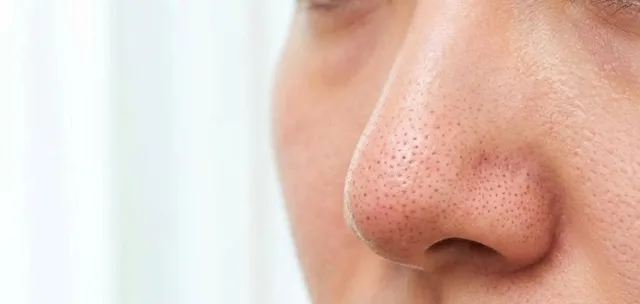
lead_image_alt: Close-up view of nose pores with sebaceous filaments and keratin plug accumulation
thumbnail: /images/stock/clogged-pores-closeup.webp
thumbnail_alt: Close-up view of nose pores with sebaceous filaments and keratin plug accumulation
author: Editorial Team
publish: true
Japanese Skincare Guide for Nose Sebaceous Filaments
Few cosmetic concerns cause as much frustration as the small, grayish-yellow dots dotting the bridge and wings of the nose. Frequently mistaken for persistent blackheads, these formations are primarily sebaceous filaments—natural, tube-like pathways that channel sebum from sebaceous glands to the skin surface.
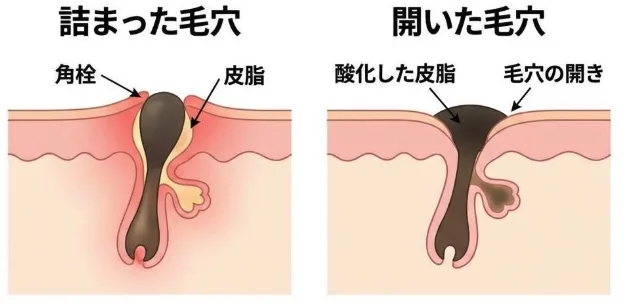
When sebum mixes with shed keratinized cells (kakushitsu), it congeals into a firm plug known in Japan as kakusen. The immediate instinct for many is aggressive intervention: squeezing with fingernails, applying adhesive pore strips, or scraping with metal extraction loops. However, in Japanese cosmetic philosophy (J-beauty), such mechanical force is recognized as the leading cause of lasting pore distension, broken capillaries, and chronic inflammation. Here is your definitive guide to managing nose sebaceous filaments through Japan's time-tested, barrier-respectful approach.
Sebaceous Filaments vs Blackheads: The Japanese Perspective
Before choosing skincare products, understanding the biological difference between benign filaments and true comedones is paramount:
1. Biological Composition
Sebaceous Filaments: Composed of approximately 70% dead keratinized protein and 30% oxidized lipids (triglycerides, squalene, and wax esters). They are flat, soft to the touch, and distributed evenly across sebaceous-dense zones like the nasal ala. They naturally refill within days because sebum production is continuous.
Open Comedones (Blackheads): Formed when a pore opening becomes completely blocked by abnormal hyperkeratinization, trapping oxidized melanin at the surface to form a dark, elevated, hardened plug.
2. The Danger of Mechanical Extraction
Forcefully squeezing or using peeling strips tears delicate epidermal margins around the follicular funnel. While cellular proliferation and glandular secretion rates alter as part of progressive cutaneous physiology over time[1], mechanical trauma causes micro-scarring that leaves pore openings visibly stretched. Furthermore, adhesive ripping strips away healthy stratum corneum cells, triggering rebound hyper-seborrhea as the skin attempts to shield itself.
The Gentle J-Beauty Protocol for Dissolving Kakusen
Japanese dermatological care emphasizes dissolving the lipid-and-protein matrix through biochemical affinity rather than mechanical violence:
Implementing the Japanese technique requires gentle hands and measured patience:
Step 1: Dry Oil Dissolution (The "Zero-Friction" Roll)
Apply two to three pumps of high-viscosity cleansing oil to completely dry skin. Using only the soft pads of your ring fingers, massage gently in small circular motions around the nose contours for 45 to 60 seconds. The lipophilic oil base dissolves hardened surface wax without dragging delicate tissue.
Step 2: Emulsification with Lukewarm Water
Wet your fingertips with lukewarm water (approximately 32°C to 34°C). Lightly massage your nose until the clear oil transforms into a milky white emulsion. This phase lifts suspended keratin-lipid complexes away from the pore canal. Rinse thoroughly with abundant water.
Step 3: Targeted Enzyme Wash (2 to 3 Times Weekly)
Substitute your daily foaming cleanser with a single-dose Japanese enzyme powder (kouso wash). Work the powder into a dense, meringue-like lather using a foaming net. Rest the foam cushion over your nose for 30 seconds to let protease enzymes digest surface proteins, then rinse without rubbing.
1. Strictly Avoid Forceful Squeezing and Peeling Strips
Never pinch nasal skin between fingernails or use metal extractors. The temporary satisfaction of an extracted plug is offset by capillary rupture and long-term dilation of the pore ring.
2. Guard Against Squalene Peroxidation
Unsaturated lipids in sebum readily oxidize under ultraviolet exposure and ambient air, turning pale plugs into dark, noticeable dots. Protecting fragile follicular openings with daily morning broad-spectrum sunscreen prevents UV-induced lipid peroxidation[2].
3. Maintain Optimal Epidermal Hydration
Dehydrated skin produces denser, more viscous sebum to compensate for moisture depletion. Saturating the T-zone with lightweight, humectant-rich lotions softens the surrounding pore walls, allowing sebum to flow freely rather than solidifying into stubborn plugs.
Signs to Stop and When to See a Doctor
While sebaceous filaments are benign, persistent inflammation warrants professional evaluation:
1. Recognizing Adverse Barrier Distress
Expected Adaptation: Gradual reduction in filament texture and smoother makeup application across 3 to 4 weeks.
Contact Reaction: Sudden erythema, burning sensations, swelling, or micro-pustules around the nostrils. Note that aggressive manual extraction or mechanical strip peeling can easily provoke severe contact irritation[3].
2. Red Flags Requiring Dermatological Care
Seek advice from a medical specialist if you experience:
Persistent inflammatory papules or cystic nodules across the nose.
Unresolved spreading redness with visible spider veins (telangiectasia), which may indicate rosacea rather than simple pore congestion.
Crusting, persistent weeping, or infection secondary to aggressive physical picking.
FAQ
Q1. Can sebaceous filaments be completely removed?
A. No, they are normal anatomical structures that naturally replenish.(Details)
Sebaceous filaments form continuous microscopic conduits lining the follicular canal. While you cannot completely eradicate them, consistent gentle cleansing and lipid-balancing skincare keep them clear, pale, and visually unobtrusive.
Q2. How often should I use Japanese enzyme powder wash for nose pores?
A. Limit enzyme washing to two to three times per week.(Details)
Enzyme cleansers utilize proteases that actively break down protein bonds. Using them daily can strip healthy stratum corneum proteins and disrupt your lipid barrier. Limiting application to two or three evenings per week delivers optimal clarity without irritation.
Q3. Why do pore strips make my nose pores look bigger over time?
A. Strong adhesive mechanical force damages elasticity around follicular margins.(Details)
Adhesive strips rip out follicular contents abruptly while tearing away surrounding epidermal cells. Repeated stripping stretches the pore opening, diminishes surrounding elastin support, and causes sebum to refill an even wider cavity.
Q4. Does oil cleansing clog pores or increase nose blackheads?
A. Proper emulsifying cleansing oils dissolve plugs without leaving residue.(Details)
Formulated Japanese cleansing oils contain surfactant emulsifiers that bind with water. As long as you thoroughly emulsify the oil into a milky liquid and rinse with lukewarm water, it washes away cleanly along with dissolved sebum deposits.
Q5. Can clay masks help manage sebaceous filaments?
A. Yes, mineral clays absorb surface sebum when used gently once weekly.(Details)
Japanese volcanic ash, bentonite, and tanakura clay absorb excess lipid build-up on the nose. Always rinse clay masks before they become bone-dry and cracked to prevent dehydrating the underlying epidermis.
Summary and Key Takeaways
Managing nose sebaceous filaments requires aligning with skin biology rather than fighting against it:
Respect Natural Anatomy: Recognize filaments as functional oil channels rather than dirt or defects.
Ditch Mechanical Violence: Avoid fingernail squeezing, vacuum extractors, and adhesive strips that induce long-term pore dilation.
Rely on Chemical Affinity: Dissolve stubborn lipid plugs with gentle botanical cleansing oils and weekly enzyme foams.
Maintain Barrier Moisture: Hydrate thoroughly with light conditioning lotions to keep follicular walls supple.
Shield with Morning SPF: Prevent lipid peroxidation and dark plug discoloration with daily sun protection.
Patience and gentle daily discipline will keep your T-zone smooth, luminous, and refined.
References
The Japanese Dermatological Association. Sunburn Q&A on Photoaging and Biological Alterations in Aging Skin (Q5). https://www.dermatol.or.jp/qa/qa2/q05.html (Accessed 2026-11-24)
The Japanese Dermatological Association. Dermatological Q&A on Sunscreen Application for Long-Term Prevention (Q25). https://www.dermatol.or.jp/qa/qa3/q25.html (Accessed 2026-11-24)
The Japanese Dermatological Association. Dermatological Q&A on Contact Irritation and Scalp Friction Mechanisms (Q1). https://www.dermatol.or.jp/qa/qa4/q01.html (Accessed 2026-11-24)
Disclaimer: This article is for general information and education about Japanese cosmetics and their labels. It is not a substitute for professional medical advice, diagnosis, or treatment. Skincare results vary from person to person. Product formulas, availability, prices, and regulations change, and products sold in Japan can differ from versions sold elsewhere, so always check the current label. Do a patch test before introducing a new product, and consult a doctor or dermatologist if you have a skin condition or specific concerns.