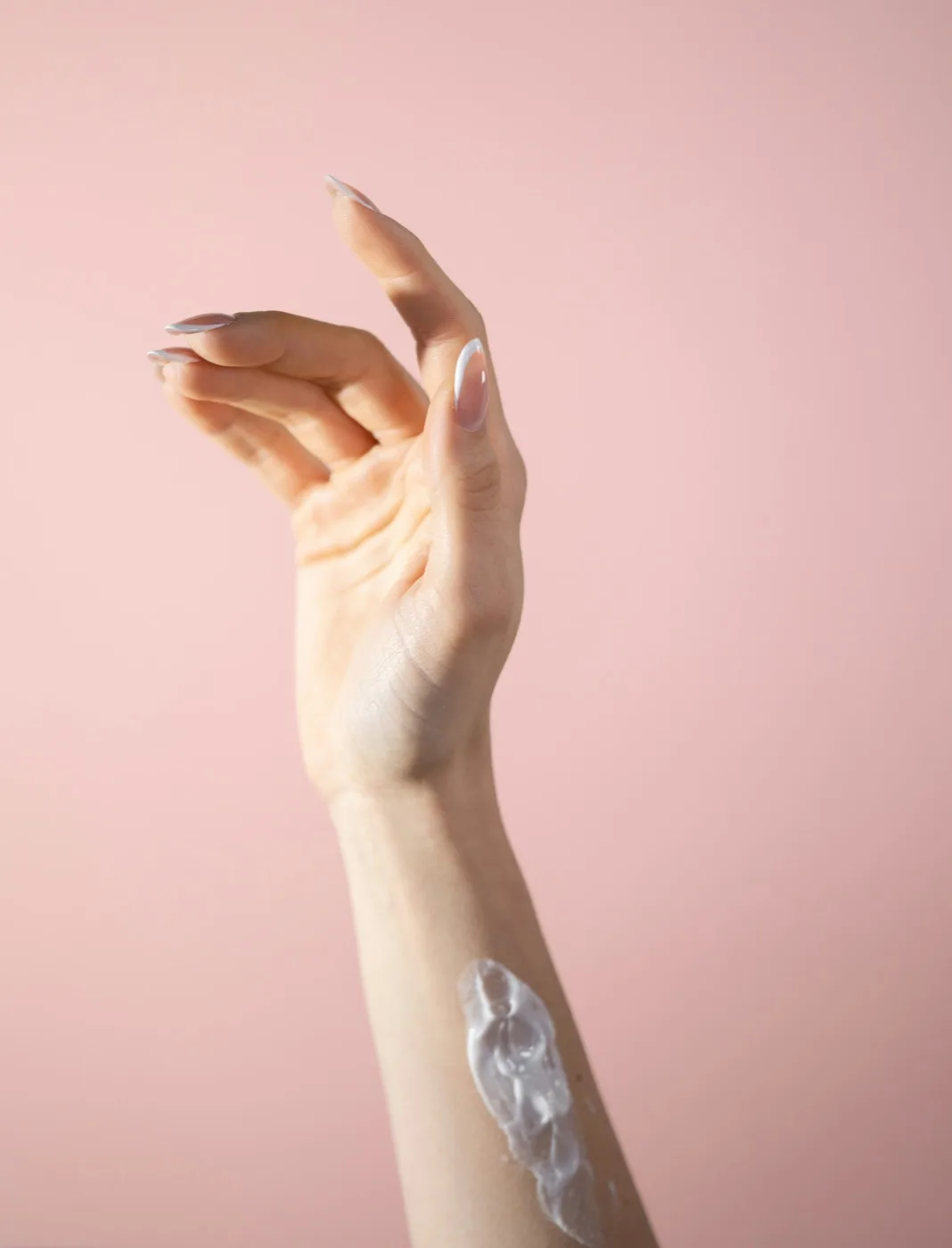
title: Japanese Care for Strawberry Legs & Keratosis: Guide slug: japanese-skincare-for-strawberry-legs-keratosis category: concerns category_label: Skin Concerns published_at: '2026-11-23' updated_at: '2026-11-23' meta_description: Learn the Japanese body care approach for strawberry legs and rough skin. Discover urea hydration, friction-free washing, and gentle post-bath rituals. description: Learn the Japanese body care approach for strawberry legs and rough skin. Discover urea hydration, friction-free washing, and gentle post-bath rituals. hero_image: /images/stock/skincare-body-cream-arm-application-pink.webp hero_image_alt: Woman gently applying hydrating body cream to skin following bath thumbnail: /images/stock/skincare-body-cream-arm-application-pink.webp thumbnail_alt: Woman gently applying hydrating body cream to skin following bath reading_time: 6 author: Editorial Team publish: true
Japanese Care for Strawberry Legs & Keratosis: Guide
Quick answer
The Japanese body care approach to "strawberry legs" and keratosis pilaris (rough, bumpy skin on arms and thighs) prioritizes gentle keratolytic softening over harsh physical scrubbing. Rather than abrading the skin with coarse body salts, Japanese routines utilize mild foaming cleansers, 10%–20% urea-infused medicated body lotions, and rapid post-bath hydration to gently soften hardened keratin plugs while preserving moisture barrier integrity.
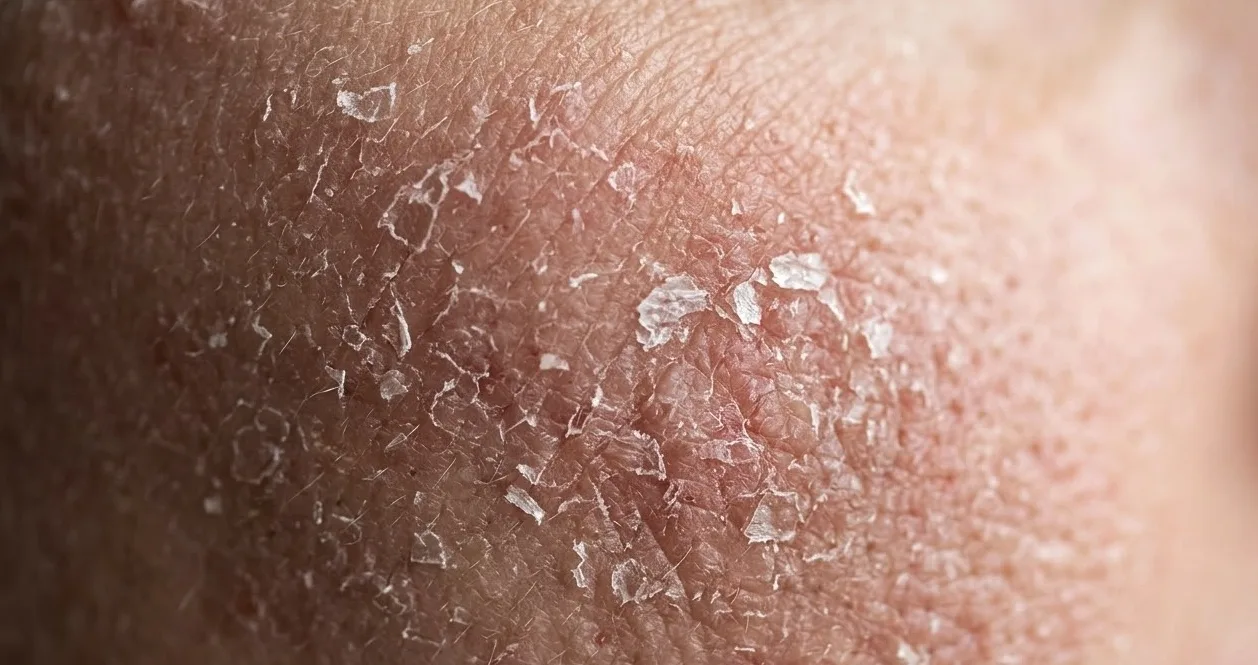
Rough, dotted skin across the thighs, calves, and upper arms is one of the most widespread cosmetic concerns worldwide. Commonly described in English as strawberry legs (referring to the dotted appearance resembling strawberry seeds) or clinically identified as keratosis pilaris (moukou-sei taisen), these small, granular bumps occur when dead skin cells accumulate inside follicular openings.
In many Western skincare routines, the conventional reaction is aggressive physical exfoliation: rubbing rough loofahs, stiff dry brushes, or jagged sugar scrubs across the skin. In Japan, however, dermatologists and cosmetic chemists strongly caution against physical friction (masatsu). Scrubbing raw bumps compromises the delicate cutaneous barrier, triggering low-grade inflammation and dark post-inflammatory pigmentation.
Instead, the Japanese philosophy focuses on chemical softening and profound barrier hydration. Here is your comprehensive guide to understanding what causes rough follicular bumps, how Japanese urea and ceramide formulas soften keratin plugs gently, and how to structure a friction-free bath ritual for smoother skin.
Anatomy of the Bump: What Causes "Strawberry Legs"?
To care for textured skin effectively, it helps to understand the underlying physiological mechanism:
1. Follicular Keratinization
Keratosis pilaris is a benign cosmetic condition linked to genetic predisposition and dry skin tendencies. Normally, dead keratinocytes shed invisibly from the stratum corneum. In individuals prone to keratosis, keratin hardens into compact micro-plugs that obstruct the hair follicle opening, forming a raised, sandpaper-like bump.
2. Oxidized Sebum and Shaving Shadows
When follicular plugs trap surface sebum and environmental debris, the exposed lipid core can oxidize into a darker dot, creating the classic "strawberry" visual pattern. Furthermore, aggressive shaving with dull multi-blade razors can slice hair shafts obliquely beneath the epidermal surface, causing curled ingrown hairs that intensify localized shadow points.
Medical authorities recommend daily sunscreen application as an essential preventive measure to shield cellular DNA against cumulative photoaging and long-term damage.[2] Exposing bumpy legs to unshielded solar radiation can darken follicular spots into persistent hyperpigmentation, making daytime photoprotection vital.
The Japanese Care Strategy: Soften, Never Scrub
Japanese body care adheres strictly to the zero-friction doctrine (masatsu-resu). When managing rough follicular texture, Japanese routines employ three scientific principles:
1. Keratolytic Urea (10% to 20%)
Rather than abrading skin with physical granules, Japanese quasi-drug body milks rely on pharmaceutical-grade urea. Urea is a natural component of the skin's Natural Moisturizing Factor (NMF). At concentrations between 10% and 20%, urea exhibits dual functionality:
- It breaks non-covalent hydrogen bonds within hard keratin proteins, dissolving rough follicular plugs smoothly.
- It acts as an intensive humectant, drawing moisture deep into the stratum corneum to prevent rebound roughness.
2. Micro-Foam Cleansing Without Abrasive Towels
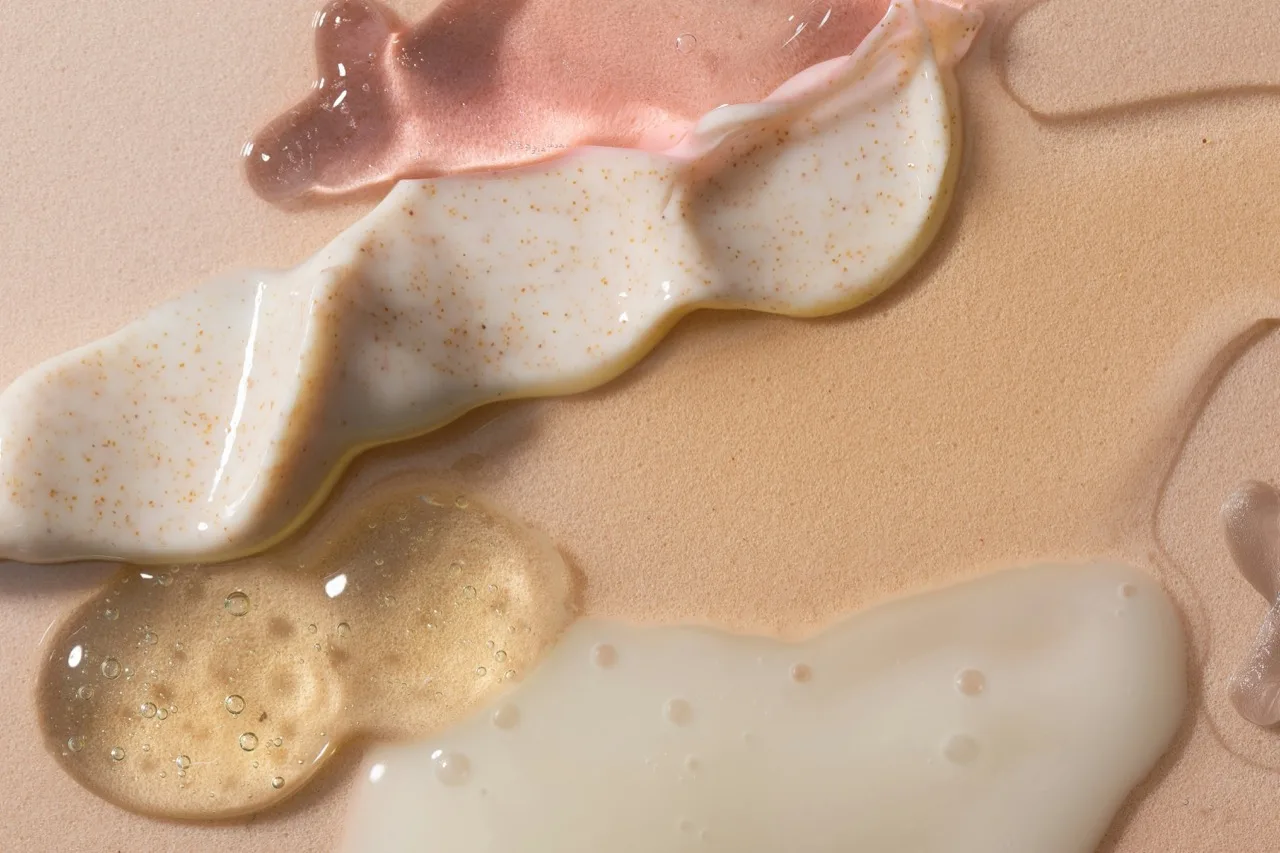
Traditional Japanese bathing once featured stiff nylon washcloths, but modern Japanese dermatologists actively discourage them for textured skin. Instead, bathers whip rich, amino-acid body washes into dense, self-supporting foam cushions. The lather is rolled gently across the skin with open palms, cleansing follicular oils without abrasive mechanical friction.
3. The 3-Minute Post-Bath Moisture Lock
Skin loses hydration rapidly through evaporation once stepping out of a warm Japanese bath (ofuro). Applying a lipid-rich lotion containing pseudo-ceramides and squalane within three minutes locks bath moisture into the softened keratin layer.

Detailed Comparison: Japanese Gentle Care vs. Western Harsh Scrubbing
The table below contrasts Japanese body care principles with conventional Western exfoliation methods:
Scroll horizontally to view full table
| Parameter | Japanese Moisture & Urea Care | Western Physical Body Scrub | High-Concentration Chemical Peels |
|---|---|---|---|
| Core Mechanism | Keratin-softening urea + barrier lipids | Mechanical abrasion with salt/sugar crystals | Acid dissolution of cellular bonds (AHA/BHA) |
| Friction Level | Zero friction; gentle palm smoothing | High friction; rubs and micro-scratches skin | Zero mechanical friction |
| Skin Barrier Impact | Reinforces lipid barrier and hydration | Disrupts barrier; provokes low-grade erythema | Can provoke severe irritation on dry skin |
| Hyperpigmentation Risk | Minimal; reduces post-inflammatory marks | Moderate to high; friction triggers melanin | Moderate if exposed to daylight without SPF |
| Sustainable Frequency | Daily morning and evening application | 1 to 2 times weekly maximum | 1 to 2 times weekly |