Japanese Bath Tablets: Why Carbonated Baths Rule J-Beauty
How Japan WorksBy Seibun Lab Editorial Team
title: Japanese Bath Tablets: Why Carbonated Baths Rule J-Beauty
slug: japanese-bath-bomb-and-fizzy-bath-tablets
category: how-japan-works
category_label: How Japan Works
published_at: '2026-11-23'
updated_at: '2026-11-23'
meta_description: Discover why Japanese carbonated bath tablets lead daily bath rituals. Learn CO2 bubbling science, warming circulation effects, and evening unwinding tips.
description: Discover why Japanese carbonated bath tablets lead daily bath rituals. Learn CO2 bubbling science, warming circulation effects, and evening unwinding tips.
lead_image: /images/stock/carbonated_bath.webp
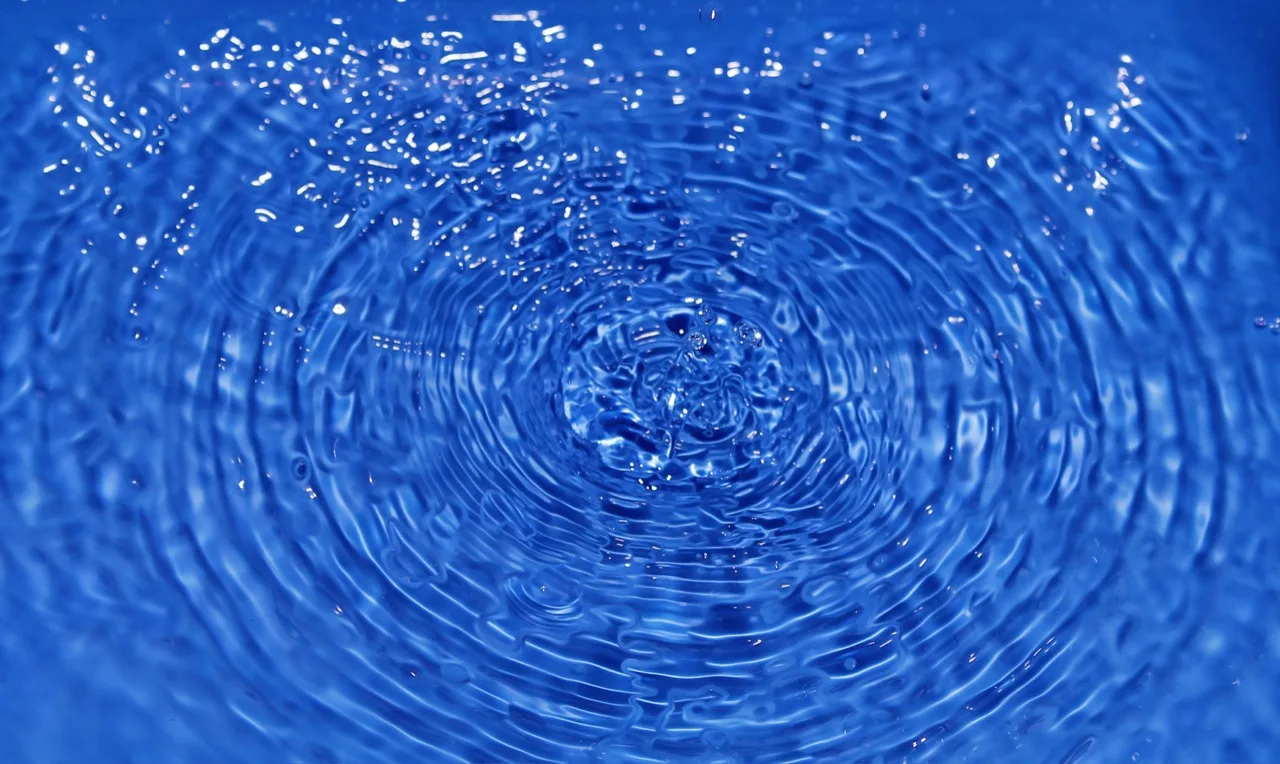
lead_image_alt: Close up of effervescent bubbles rising from a Japanese carbonated bath tablet in clear warm water
thumbnail: /images/stock/carbonated_bath.webp
thumbnail_alt: Close up of effervescent bubbles rising from a Japanese carbonated bath tablet in clear warm water
author: Editorial Team
publish: true
Japanese Bath Tablets: Why Carbonated Baths Rule J-Beauty
In many parts of the world, a bath bomb is an occasional indulgence—a fizzy, multi-colored sphere packed with glitter, bright dyes, and heavy perfume designed for festive weekend relaxation or playful photography. In Japan, however, the evening soak (ofuro) is not a novelty event. It is a vital daily health and recovery ritual practiced by tens of millions of households every single night.
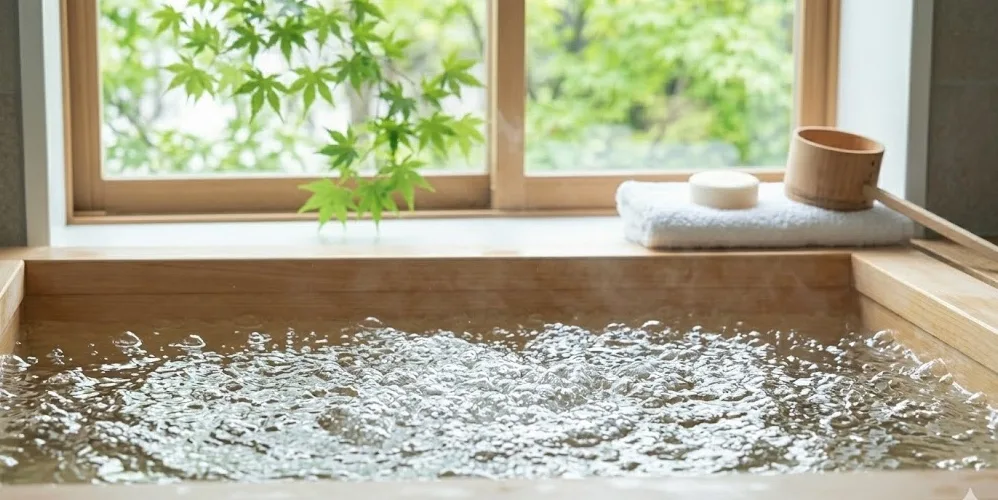
At the center of this deeply ingrained bath culture is the Japanese carbonated bath tablet (tansan nyuyokuzai). These compact, compressed squares or discs dissolve effervescently in the tub, transforming ordinary tap water into an enveloping thermal soak reminiscent of Japan’s famed natural hot spring (onsen) waters. Understanding how Japanese fizzy bath tablets work reveals a functional, science-driven approach to nighttime recovery, muscle easing, and epidermal nourishment.
The Philosophy of Japanese Evening Baths and Fizzy Tablets
To appreciate why carbonated tablets hold such a cherished place in Japanese home bathrooms, one must examine the role of bathing in Japanese life:
Baths Are for Soaking, Not Washing: Japanese bathrooms separate the washing area from the deep bathtub. Individuals scrub, shampoo, and rinse thoroughly on a shower stool before stepping into clean, crystal-clear water. Because the tub water remains spotless, bath additives function purely for physiological recovery and skin conditioning.
Onsen Heritage in Everyday Homes: For centuries, Japanese communities traveled to geothermal mineral springs to soothe tired limbs and soften dry skin. Modern Quasi-Drug (Iyakubugaihin) bath tablets bring the thermal and mineral properties of geothermal spas directly into urban apartments.
Mindful Stress Decompression: Ending the day immersed to the shoulders in warm, lightly bubbling water serves as a sensory transition from busy work hours to restorative sleep.
The Science of Dissolved Carbon Dioxide (CO2)
The true efficacy of a Japanese bath tablet does not come from the visible fizzing action itself, but from the microscopic carbon dioxide gas that dissolves directly into the water:
1. Dissolved Neutral Gas Absorption
When dropped into warm water, sodium bicarbonate and organic acids react to produce millions of micro-bubbles of CO2 gas. While dramatic splashing fizz is fun to watch, Japanese formulators engineer tablets to maximize dissolved carbonic acid concentration (yuri tansangasu) in the bathwater:
Dissolved CO2 molecules easily pass through the outer epidermal barrier.
Once in contact with peripheral capillaries beneath the skin, CO2 signals the body to release local vasodilating mediators.
Capillary vessels dilate, facilitating enhanced peripheral microcirculation and warmth that reaches icy fingertips and toes.
2. Sustained Core Warmth Without Extreme Heat
Soaking in scalding water (above 42°C) can cause thermal shock, elevate heart rate, and strip precious epidermal lipids. Carbonated water creates a deep thermal warming effect at a gentle, lukewarm temperature (38°C to 40°C), allowing long, relaxing soaks without overheating the body.
The delicate lipid matrix of the epidermal stratum corneum experiences progressive natural functional deceleration over time[1], making gentle, moisture-preserving water temperatures essential for mature skin.
Scroll horizontally to view more
Feature
Japanese Carbonated Bath Tablets
Western Novelty Bath Bombs
Primary Purpose
Therapeutic warming, muscle easing, and skin hydration
Sensory fun, fragrance, visual color swirls, and aromatherapy
Active Mechanism
High concentration of dissolved CO2 gas promoting microcirculation
Rapid surface bubbling from baking soda and citric acid
Skin Feel
Light, silky, residue-free, and moisturized
Fragrant, often containing rich oils, glitters, or heavy dyes
Regulatory Status
Often licensed as Quasi-Drugs (*Iyakubugaihin*) with verified benefits
Standard cosmetic or novelty body care products
Tub Maintenance
Easy to rinse, non-staining, and gentle on home piping
May leave colored oil rings or glitter requiring scrubbing
Quasi-Drug Formulation: Active Carbonate Ingredients
Japanese drugstore shelves feature an impressive variety of carbonated bath tablets categorized as Quasi-Drugs (Iyakubugaihin). These formulations adhere to strict Ministry of Health standards:
1. Sodium Bicarbonate and Organic Acid Pairs
The foundational effervescent core pairs pure sodium bicarbonate with organic acids such as succinic acid (kokohakusan) or malic acid. This precise chemical balance ensures neutral to mildly acidic bath pH, preventing the harsh dryness associated with highly alkaline waters.
2. Mineral Salt Synergies
Formulations frequently incorporate sodium sulfate (bou-sho) and magnesium sulfate. These mineral salts interact with keratin on the skin surface, forming an ultra-thin protective thermal veil that traps moisture and slows body heat loss after stepping out of the tub.
3. Gentle Botanical Extracts and Humectants
Unlike novelty bath bombs that rely on heavy synthetic perfumes, Japanese tablets feature subtle botanical aromatics—such as forest hinoki cypress, yuzu citrus, lavender, and chamomile—alongside humectants like jojoba oil, rice germ oil, and soluble collagen to nourish the epidermal stratum corneum.
Pairing restorative evening thermal bathing with daily morning broad-spectrum UV protection forms a comprehensive lifestyle wellness regimen[2], preserving skin elasticity from morning sun exposure to evening restoration.
How to Maximize Your Japanese Fizzy Bath Ritual
To achieve the full recovery and skin-conditioning benefits of a Japanese carbonated bath, follow this three-step evening protocol:
Step 1: Pre-Wash Thoroughly Before Soaking
Sit at the washing station and cleanse your hair and body before entering the tub. Entering the bath clean keeps the water pristine and allows the mineral-infused CO2 water to contact skin surface evenly without soap residue interference.
Step 2: Allow Complete Dissolution Before Entering
Drop one tablet into a tub filled with warm water (ideally 38°C to 40°C). Wait 2 to 3 minutes until the tablet has completely dissolved. While it is tempting to jump in during the bubbling spectacle, dissolved carbon dioxide gas remains active and evenly distributed in the water for up to two hours after full dissolution.
Step 3: Soak for 15 to 20 Minutes
Immerse yourself comfortably up to the collarbone. Relax for 15 to 20 minutes, taking slow breaths to inhale the gentle botanical vapor. Avoid staying in hot water beyond 20 minutes to prevent epidermal dehydration.
Step 4: Step Out Without Rinsing
Unless you have an acute sensitivity to mineral salts, avoid showering off with plain tap water immediately after stepping out. Leaving the mineral-protective veil on your body prolongs thermal warmth and keeps skin supple. Gently pat dry with a soft towel and apply body lotion within 5 minutes.
Signs to Stop and When to Consult a Specialist
While Japanese carbonated bath tablets are engineered for gentle daily use, listen closely to bodily signals:
Dizziness or Lightheadedness: If you feel dizzy, faint, or experience rapid heartbeat while soaking, carefully step out of the tub immediately. Sit down, wrap yourself in a towel, and sip room-temperature water. This usually indicates the bath water is too hot or the soak duration was too long.
Contact Dermatitis or Redness: Heavily fragranced or high-concentration dye bath additives may trigger contact irritation in individuals with compromised skin barrier integrity[3]. Discontinue use immediately if itching, stinging, or hives occur.
Cardiovascular Precaution: Individuals with chronic heart conditions, hypertension, or expectant mothers should consult a physician regarding safe bath temperatures and durations before using carbonated bath products.
If skin rash, swelling, or systemic dizziness does not resolve within 48 hours, seek consultation from a medical professional.
FAQ
Q1. Is it better to enter the bath while the tablet is still fizzing?
A. It is actually more effective to soak after the tablet has completely dissolved.(Details)
The primary therapeutic benefit comes from carbon dioxide gas dissolved molecularly in the water, not the surface bubbles. Once the tablet dissolves fully, the dissolved CO2 remains active in the tub for up to two hours.
Q2. Can children and individuals with sensitive skin use carbonated bath tablets?
A. Yes, but fragrance-free and mild formulations are recommended.(Details)
Many Japanese brands offer low-irritation, fragrance-free, and dye-free carbonated tablets specifically formulated for babies and sensitive skin. Always monitor water temperature around 38°C to prevent skin dryness.
Q3. How does a Japanese bath tablet differ from a Western bath bomb?
A. Japanese tablets prioritize circulation science and mineral wellness over visual novelty.(Details)
Western bath bombs often focus on vivid colors, glitters, and perfumed fragrances. Japanese carbonated tablets are regulated Quasi-Drugs formulated to enhance physical recovery, promote peripheral circulation, and soothe sore muscles without leaving tub residue.
Q4. Can I reuse the bathwater for laundry in Japan if I used a fizzy tablet?
A. Most Japanese tablets allow leftover water reuse for initial laundry washing cycles.(Details)
Because Japanese bathers wash before entering the tub, bathwater remains clean. Most bath tablet packaging notes that the mineral water can be pumped into washing machines for the main wash, though final rinsing should always be done with clean tap water.
Q5. What is the ideal water temperature for a carbonated bath?
A. A lukewarm temperature between 38°C and 40°C is optimal.(Details)
Because dissolved CO2 naturally promotes microcirculation and core body warmth, high water temperatures (above 41°C) can cause rapid fatigue and dry out natural skin lipids. Lukewarm water allows a deeply relaxing, comfortable soak.
Conclusion: Elevating Daily Recovery Through Japanese Bath Science
Japanese carbonated bath tablets reflect the sophisticated intersection of age-old hot spring wisdom and modern dermal science. By turning the humble evening bath into a restorative wellness haven, these effervescent tablets help melt away accumulated mental fatigue, boost peripheral circulation, and nourish delicate skin without harsh chemicals or messy tub residues. By embracing this mindful soaking ritual, you can transform ordinary bedtime preparation into a luxurious sanctuary of holistic renewal.
References
The Japanese Dermatological Association. Sunburn Q&A on Photoaging and Biological Alterations in Aging Skin (Q5). https://www.dermatol.or.jp/qa/qa2/q05.html (Accessed 2026-11-23)
The Japanese Dermatological Association. Dermatological Q&A on Sunscreen Application for Long-Term Prevention (Q25). https://www.dermatol.or.jp/qa/qa3/q25.html (Accessed 2026-11-23)
The Japanese Dermatological Association. Dermatological Q&A on Contact Irritation and Scalp Friction Mechanisms (Q1). https://www.dermatol.or.jp/qa/qa4/q01.html (Accessed 2026-11-23)
Disclaimer: This article is for general information and education about Japanese cosmetics and their labels. It is not a substitute for professional medical advice, diagnosis, or treatment. Skincare results vary from person to person. Product formulas, availability, prices, and regulations change, and products sold in Japan can differ from versions sold elsewhere, so always check the current label. Do a patch test before introducing a new product, and consult a doctor or dermatologist if you have a skin condition or specific concerns.