title: Japanese Cosmetic Naming & Volume Sizes: Label Guide slug: japanese-cosmetic-product-naming-and-volume-sizes category: how-japan-works category_label: How Japan Works published_at: '2026-11-24' updated_at: '2026-11-24' meta_description: Decode Japanese cosmetic naming, volume sizes (ml vs g), mini formats, and limited editions. Master product labels, refill math, and travel sizes. description: Decode Japanese cosmetic naming, volume sizes (ml vs g), mini formats, and limited editions. Master product labels, refill math, and travel sizes. lead_image: /images/stock/travel-friendly-cosmetic-tubes-and-creams.webp lead_image_alt: Assorted Japanese skincare bottles, travel miniatures, and volume sizes on display thumbnail: /images/stock/travel-friendly-cosmetic-tubes-and-creams.webp thumbnail_alt: Assorted Japanese skincare bottles, travel miniatures, and volume sizes on display author: Editorial Team publish: true
Japanese Cosmetic Naming & Volume Sizes: Label Guide
Navigating Japanese beauty (J-beauty) packaging can be confusing for international shoppers accustomed to western skincare nomenclature. A bottle prominently stamped "Lotion" in Tokyo is not a thick body moisturizer, and a product labeled "Milk" contains no dairy. Furthermore, deciphering metric volume designations (mL versus g), understanding refill economics, and identifying limited-run trial sizes require an understanding of Japanese labeling standards.
Regulated by Japan’s Pharmaceutical and Medical Device Act (PMD Act), domestic cosmetic manufacturers follow strict guidelines for volume disclosure, product classification, and ingredient naming. Here is a comprehensive guide to decoding Japanese skincare names, container measurements, and seasonal packaging variants.
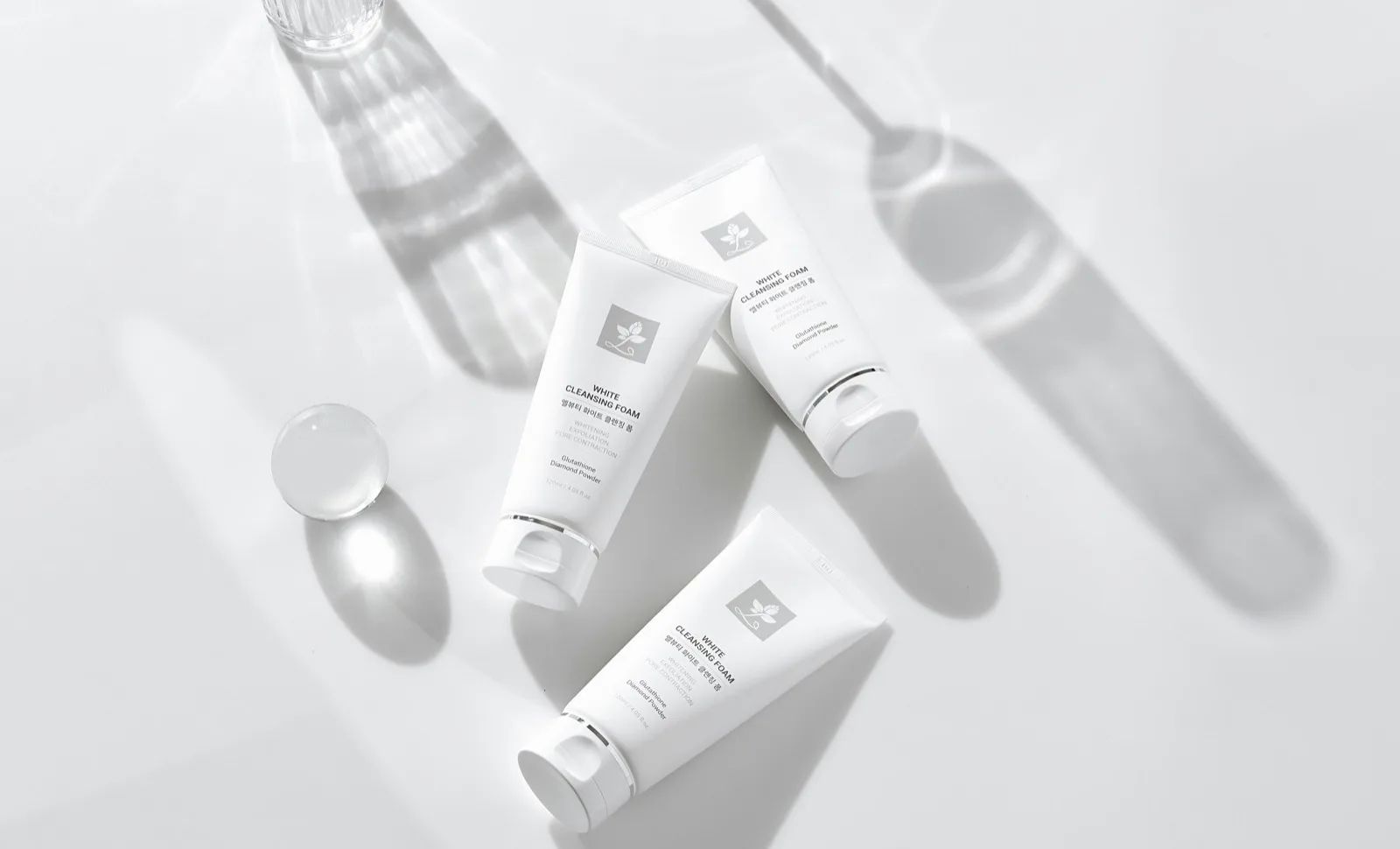
Decoding Japanese Skincare Terminology and Categories
Japanese routines are built on a layering philosophy that sequences textures from lightest fluid to richest lipid. Packaging terms directly mirror this architectural sequence:
1. Kesho-Sui — "Lotion" or "Skin Conditioner"
In western markets, "lotion" refers to a pump cream. In Japan, kesho-sui refers exclusively to a watery humectant fluid designed to replenish moisture immediately after cleansing. Terms like Lotion, Skin Conditioner, or Moisture Water indicate this watery first step.
2. Nyueki — "Emulsion" or "Milk"
Nyueki translates literally to "milky liquid." These are lightweight, fluid moisturizers designed to seal hydration without the heaviness of occlusive pomades. Western brands often classify these as day lotions or light fluid creams.
3. Biyoueki — "Essence" or "Serum"
Biyoueki refers to concentrated, targeted skincare formulas addressing specific skin goals such as hyperpigmentation defense, gentle texture refinement, or deep hydration. They are often packaged in smaller dropper bottles or hygienic pump dispensers.
The delicate lipid matrix of the epidermal stratum corneum experiences progressive natural functional deceleration over time[1], making a clear grasp of product classifications essential for maintaining proper moisture-to-lipid ratios.
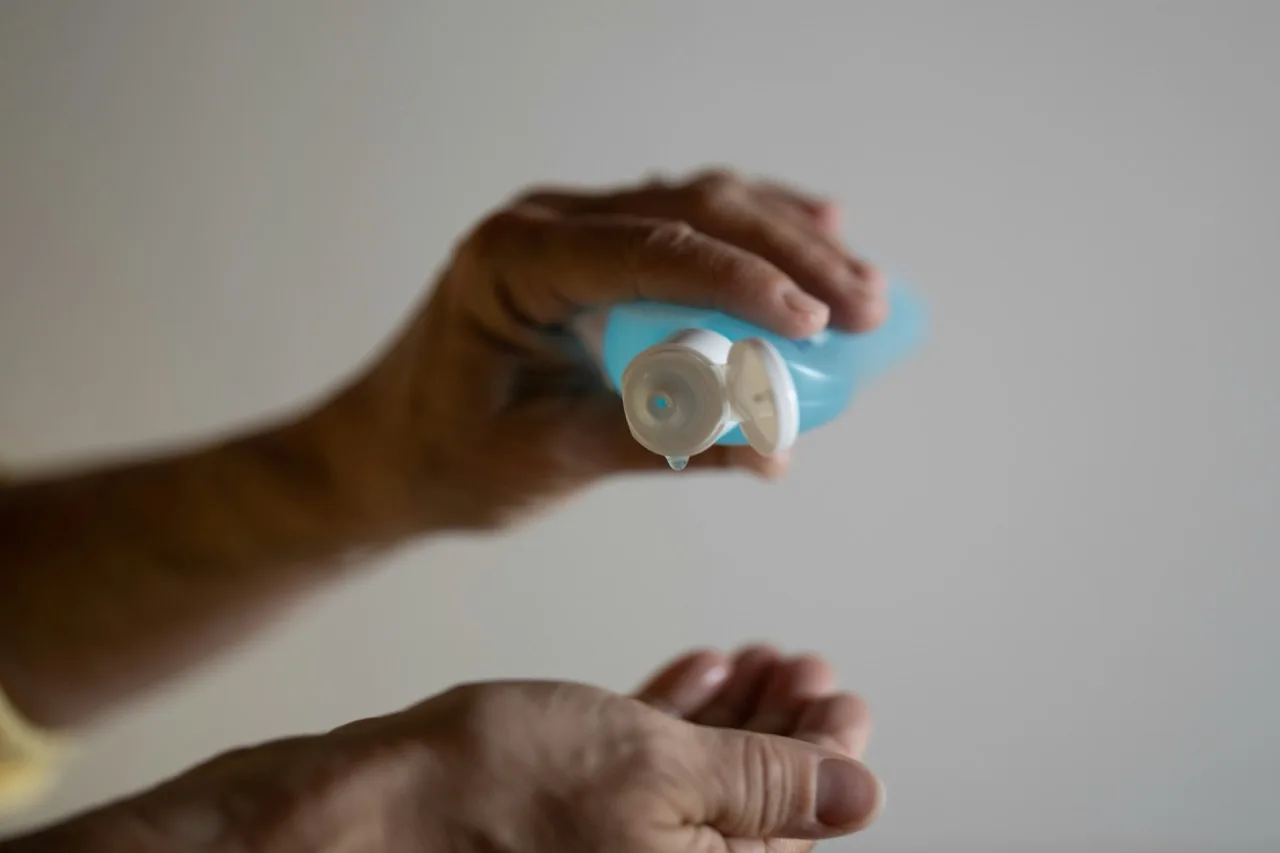
Volume Measurement Standards: Milliliters (mL) vs. Grams (g)
Japanese law requires all cosmetic products sold domestically to declare net volume or mass clearly on the exterior packaging and the immediate bottle:
- Liquids (mL): Watery lotions, liquid cleansers, micellar waters, and hair mists are uniformly declared in milliliters (mL or ml).
- Semisolids & Creams (g): Moisture creams, cleansing balms, solid soaps, and loose powders are declared in grams (g).
- The Sunscreen & Gel Exception: Many Japanese sunscreens and gel-creams are measured in grams (e.g., 50g, 90g) even when housed in squeeze tubes or pump bottles. This occurs because the formulation's physical density differs slightly from water, and Japanese manufacturing protocols favor gravimetric weighing during automated factory filling.
Understanding volume helps estimate usage timelines:
- Standard 150 mL Lotion: At an average application of 2.5 mL per day (two 500-yen coin portions), one bottle provides approximately 60 days of continuous use.
- Standard 100 mL Emulsion: Applied at 1.5 mL daily (a 10-yen coin portion), one bottle lasts roughly 65 to 70 days.
Pairing consistent morning measurement of sunscreen quantities with diligent morning broad-spectrum UV protection shields vulnerable skin from photoaging stress[2], ensuring the standard 0.8g to 1.0g facial dose is delivered.
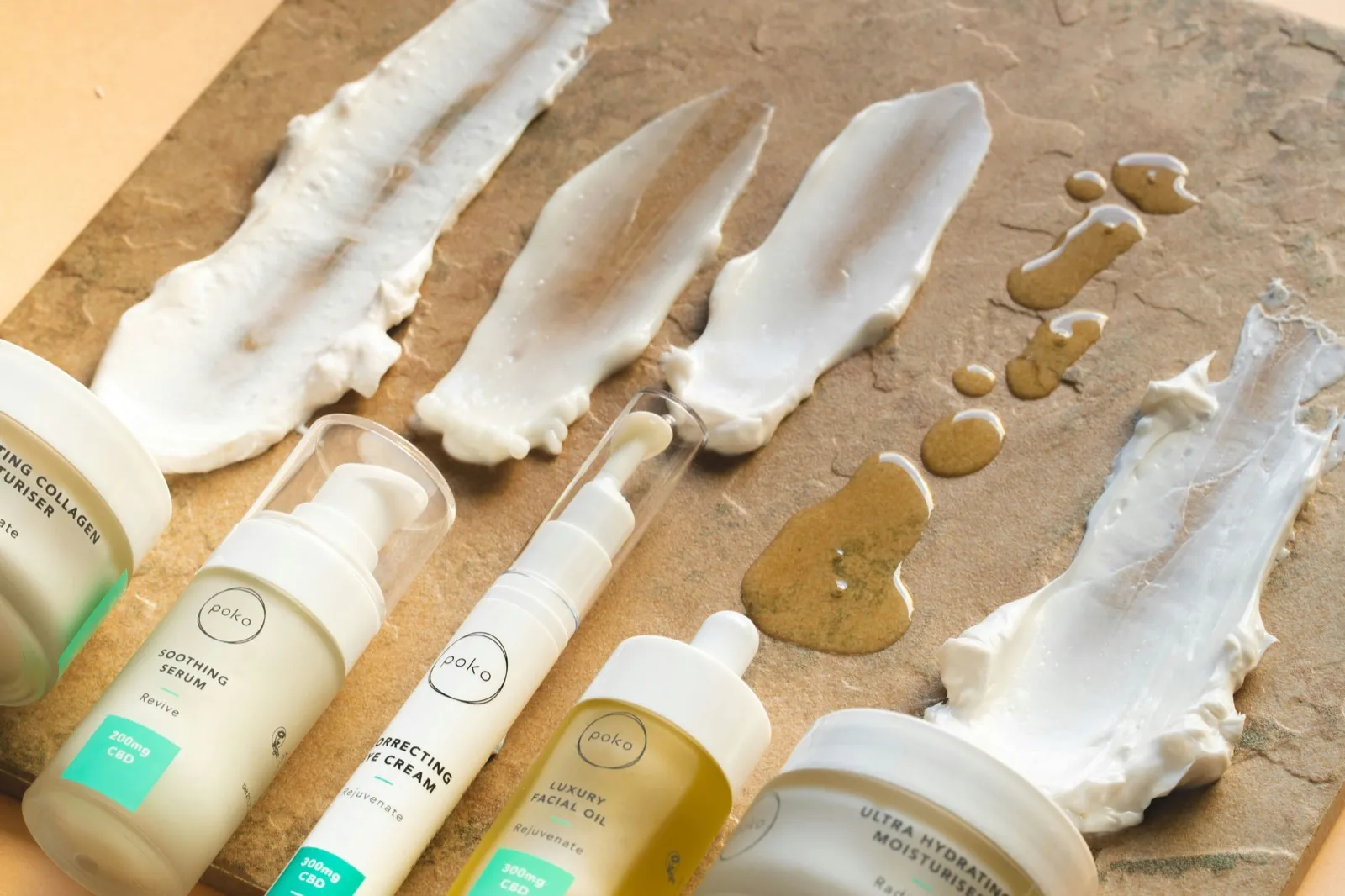
Size Categories Comparison: From Minis to Jumbo Refills
Japanese skincare products are available across four standardized size profiles:
Scroll horizontally to view more
| Format Type | Typical Volume | Common Japanese Label Terms | Ideal Use Case |
|---|---|---|---|
| Trial / Mini Set | 15 mL – 30 mL / 10 g – 20 g | Trial Set / Mini Size / Portable | 7 to 14-day routine trial, gym bags, carry-on flights |
| Standard Bottle | 120 mL – 200 mL / 50 g – 90 g | Honhin / Regular Size | Daily countertop routine for 2 to 3 months |
| Eco Refill Pouch | 130 mL – 180 mL / 70 g – 140 g | Tsumekae-yo / Refill | Sustainable replenishment at a 15% to 25% cost reduction |
| Jumbo / Pump Size | 300 mL – 500 mL / 150 g – 250 g | Daiyoryo / Pump Type / Value Size | Whole-family use, cotton pad masking, body layering |