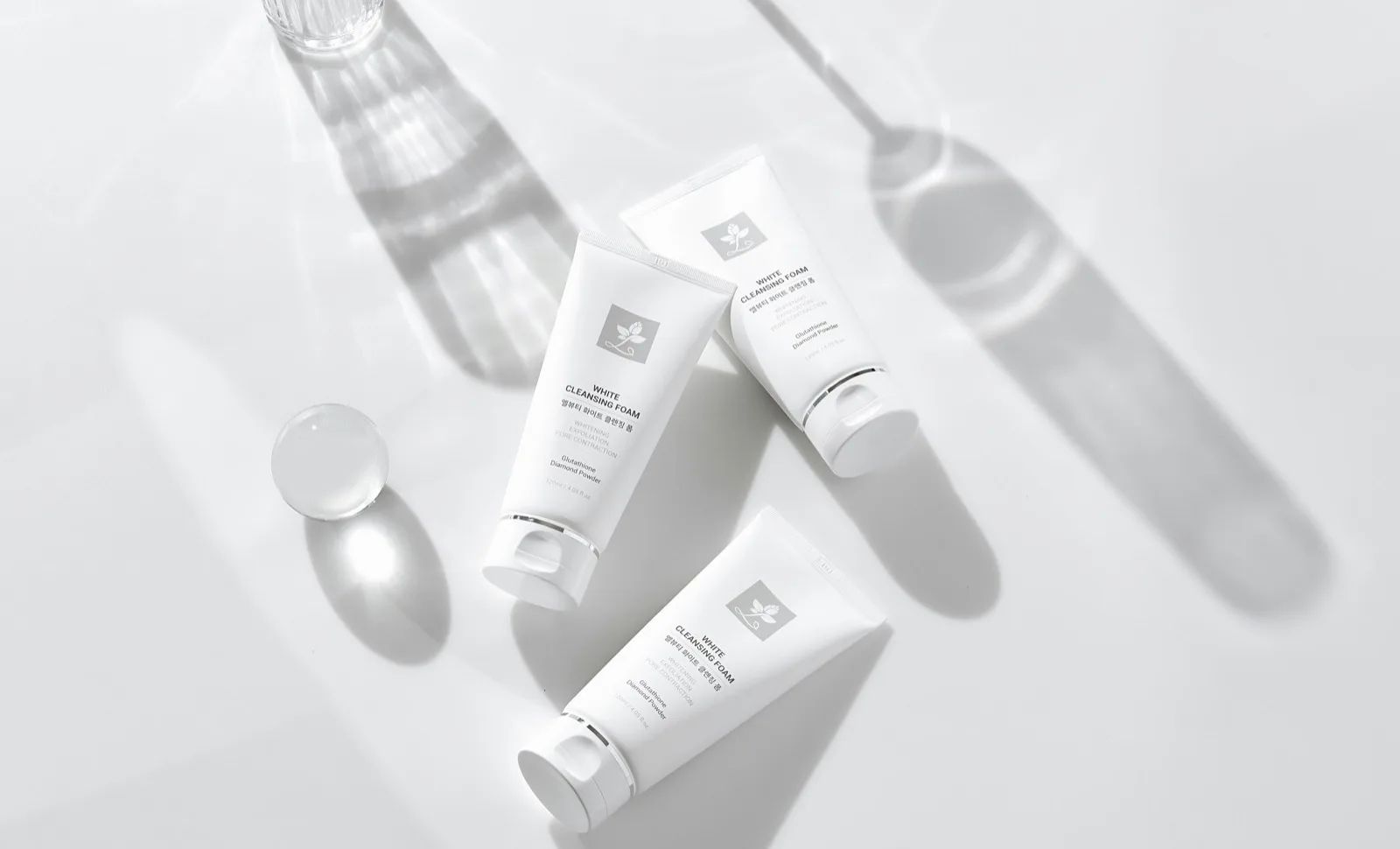
title: Japanese Minimalist Airless Pump Packaging Guide slug: japanese-minimalist-packaging-airless-pump category: how-japan-works category_label: How Japan Works published_at: '2026-11-24' updated_at: '2026-11-24' meta_description: Explore Japanese airless pump bottles and packaging. Learn how vacuum piston seals preserve actives, prevent oxidation, and reduce product waste. description: Explore Japanese airless pump bottles and packaging. Learn how vacuum piston seals preserve actives, prevent oxidation, and reduce product waste. lead_image: /images/stock/minimal-skincare-bottles-gentle-ingredients.webp lead_image_alt: Sleek Japanese minimalist skincare airless pump bottles engineered for oxidation defense thumbnail: /images/stock/minimal-skincare-bottles-gentle-ingredients.webp thumbnail_alt: Sleek Japanese minimalist skincare airless pump bottles engineered for oxidation defense author: Editorial Team publish: true
Japanese Minimalist Airless Pump Packaging Guide
When evaluating skincare efficacy, consumers naturally focus on active ingredients: ceramides, vitamin C, peptides, and botanical ferments. Yet in Japan, cosmetic formulation chemists view packaging engineering as an equal partner to the formula itself. Even the most sophisticated active compound degrades rapidly if exposed to atmospheric oxygen, humidity, ultraviolet light, and bacterial contamination each time a jar is unscrewed.
Japanese cosmetic engineering leads global standards in functional, minimalist packaging. Chief among these innovations is the airless pump container (earesu ponpu youki), a mechanical marvel designed to preserve fragile botanical freshness down to the final drop while embodying Japan's deep cultural aversion to waste (mottainai).

How Japanese Airless Pumps Work: Vacuum Physics Explained
Traditional cosmetic pump bottles rely on a plastic dip tube descending into an open liquid chamber. As you pump, formula is drawn up the straw, while an air intake hole allows outside air to replace the displaced fluid. This introduces oxygen, airborne spores, and ambient bathroom humidity into the formula with every dispense.
By contrast, an authentic Japanese airless pump operates through strict atmospheric physics:
- Non-Vented Dispensing Head: The actuator nozzle incorporates an elastomer check valve that opens solely under internal hydrostatic pressure and snaps shut instantly upon release, preventing backflow of atmospheric air.
- Rising Internal Piston: The container houses a precision-molded disc plate seated at the bottom of a smooth cylindrical chamber. With no dip tube present, depressing the pump creates a negative pressure differential (a partial vacuum) above the piston.
- Atmospheric Upward Drive: Ambient air pressure entering through micro-vents in the container's outer base pushes the piston upward, moving the entire product volume toward the dispensing orifice in uniform layers.
- Delamination Dual-Pouch Technology: In flexible bottle formats (such as soy sauce and modern Japanese emulsion dispensers), a double-layered bottle (nijyuu-kouzou) contracts an inner pouch inward as fluid vacates, leaving the outer bottle rigid and stable on bathroom counters.
Why Japanese Packaging Prioritizes Airless Technology
Airless dispensers provide decisive dermatological, environmental, and practical advantages over open jars and dropper bottles:
1. Oxygen Defense for Fragile Actives
Unstable active ingredients—such as pure L-ascorbic acid, retinol derivatives, polyphenols, and unsaturated botanical lipids—oxidize rapidly when exposed to air, losing potency and generating rancid byproducts. Hermetically sealed airless systems keep formulas in an inert state until the moment they touch your palm.
2. Lower Synthetic Preservative Loads
Because bathroom air and fingers never contact the internal reservoir, microbial inoculation is virtually impossible. This enables Japanese formulators to create gentle, low-irritation formulas with minimal paraben or phenoxyethanol concentrations, benefiting sensitive skin types.
3. The 98 Percent Evacuation Standard
Traditional pump bottles frequently leave 10 to 15 percent of viscous creams trapped along internal walls and bottom corners. Japanese airless piston walls scrape the container interior completely clean as they rise, dispensing up to 98 percent of contents and satisfying the mottainai ethos.
Scroll horizontally to view more
| Packaging Type | Air Exposure Level | Contamination Risk | Product Waste Rate |
|---|---|---|---|
| Japanese Airless Pump | Near zero (hermetic vacuum piston) | Extremely low (no backflow or finger contact) | Minimal (1% to 2% remaining) |
| Standard Dip-Tube Pump | Continuous (ambient air replaces fluid) | Moderate (airborne microbes drawn into chamber) | High (10% to 15% trapped at base) |
| Open Wide-Mouth Jar | Complete (full surface exposed to air) | Severe (repeated finger dips introduce bacteria) | Low, but high formula degradation |
| Dropper Bottle | High (pipette pulls ambient air repeatedly) | Moderate to high (pipette tip contact) | Moderate (residual pooling at bottom) |