title: Japanese Beauty Brands Expanding Globally: Formulation Facts slug: japanese-beauty-brands-expanding-globally-strategy category: how-japan-works category_label: How Japan Works published_at: '2026-11-24' updated_at: '2026-11-24' meta_description: Analyze how Japanese beauty brands adapt formulations for global markets. Explore regulatory compliance, climate tuning, and water hardness science. description: Analyze how Japanese beauty brands adapt formulations for global markets. Explore regulatory compliance, climate tuning, and water hardness science. lead_image: /images/stock/japanese-beauty-brands-global-clean-dropper-display.jpg lead_image_alt: Dropper bottles and clean formulations representing global Japanese beauty strategy thumbnail: /images/stock/japanese-beauty-brands-global-clean-dropper-display.jpg thumbnail_alt: Dropper bottles and clean formulations representing global Japanese beauty strategy author: Editorial Team publish: true
Japanese Beauty Brands Expanding Globally: Formulation Facts
The global expansion of Japanese beauty (J-beauty) is often perceived through the lens of brand marketing, sleek packaging, and minimalist aesthetics. However, for leading manufacturers like Shiseido, Kao Corporation, and KOSÉ, entering international markets requires deep chemical engineering and regulatory adaptations.
A facial cleanser or sunscreen formulated for domestic consumers in Tokyo cannot simply be shipped overseas without modifications. Differences in regional drug classifications, chemical safety regulations, ambient climate, and even municipal tap water chemistry compel Japanese laboratories to redesign formulas for international distribution. Based strictly on official corporate disclosures, pharmaceutical monographs, and cosmetic regulatory frameworks, here is an objective analysis of how Japanese beauty brands execute global formulation strategies.
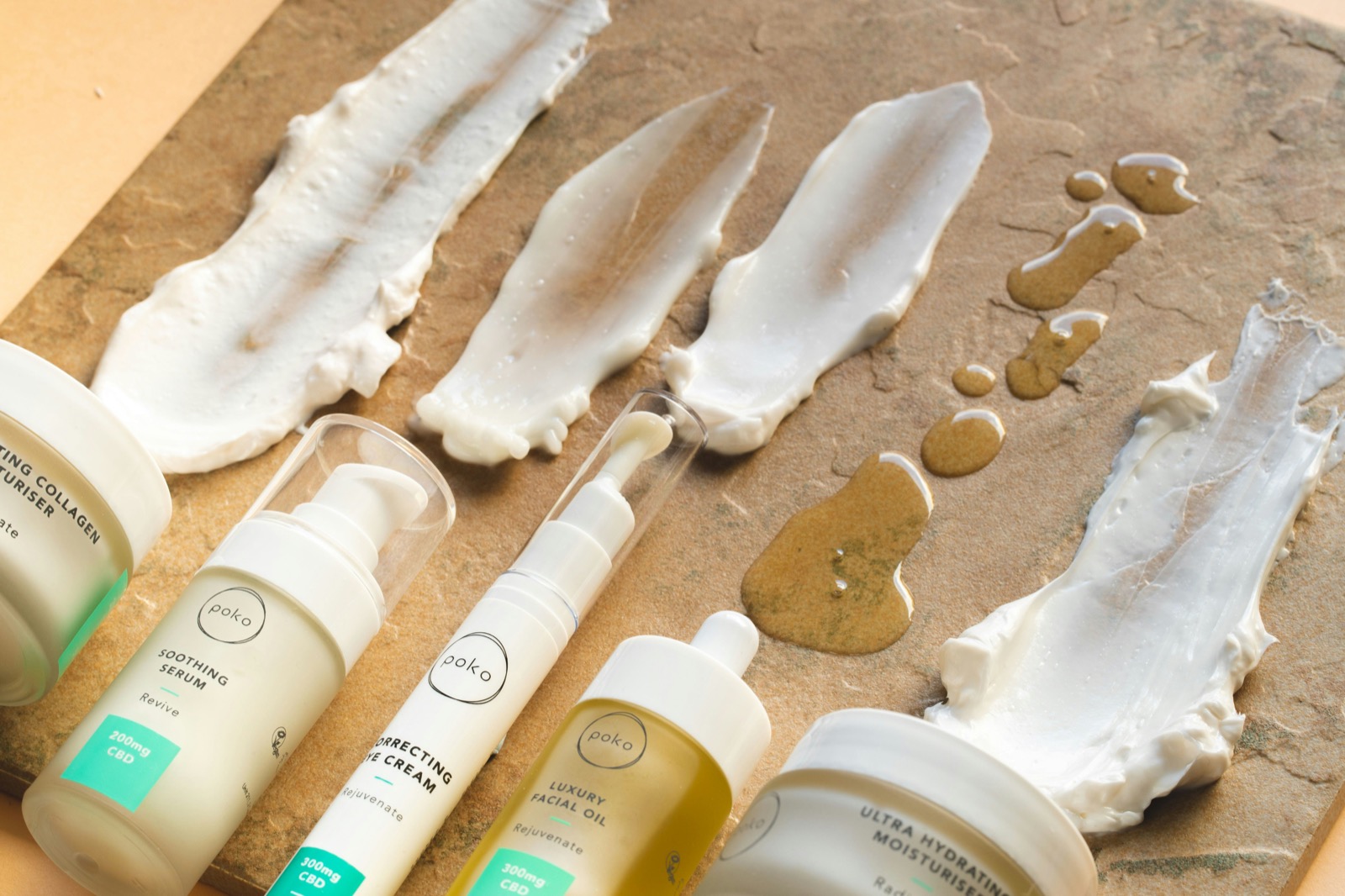
The Core Challenge: Why Domestic Japanese Formulas Must Be Adapted
Under Japan's Pharmaceutical and Medical Device Act (PMD Act), skincare products occupy a unique regulatory structure, notably the Quasi-Drug (iyakubugaihin) classification. Quasi-drugs allow pre-approved active ingredients (such as tranexamic acid, dipotassium glycyrrhizate, or m-tranexamic acid) to make specific approved functional claims.
However, international regulatory authorities do not recognize the Japanese quasi-drug framework:
- In the United States, products with physiological claims are classified either strictly as cosmetics or as over-the-counter (OTC) drugs regulated by the Food and Drug Administration (FDA).
- In the European Union, the European Commission Cosmetic Regulation (EC No 1223/2009) governs cosmetic safety, enforcing distinct permissible concentrations and allergen labeling mandates.
Consequently, when an iconic Japanese brand introduces a domestic staple into overseas retail corridors, corporate chemists must frequently formulate regional variations to maintain compliance while preserving the original sensory experience.
The delicate lipid matrix of the epidermal stratum corneum experiences progressive natural functional deceleration over time[1], guiding Japanese research centers to maintain fundamental barrier-support ingredients across all regional iterations.
Regulatory Navigation: US FDA vs. EU Cosmetic Regulations
Regulatory compliance across the Atlantic illustrates why Japanese formulas must branch into regional variants:
1. The Sunscreen Filter Divide in North America
Japanese sunscreens are globally celebrated for their watery, non-greasy textures. These sensory achievements rely heavily on modern organic chemical filters—such as Tinosorb S, Tinosorb M, Uvinul A Plus, and Mexoryl SX—which have been approved in Japan and Europe for years.
In contrast, the US FDA regulates sunscreens as OTC drugs under historical monographs. Because modern European and Japanese broad-spectrum filters have not yet received FDA OTC approval, Japanese manufacturers formulating for the US market must rely on older approved filters like avobenzone, homosalate, octisalate, and zinc oxide. Developing a weightless finish using only monographed US filters requires proprietary polymer architectures developed in US-based corporate laboratories.
2. European Preservative and Fragrance Directives
The European Union enforces rigorous limitations on specific preservatives (such as certain parabens and formaldehyde releasers) and requires individual label declarations for 26 recognized fragrance allergens. Formulations distributed across Europe must undergo dedicated toxicological safety assessments, leading Japanese brands to adjust stabilizer complexes and adopt allergen-screened aromatic profiles.
Pairing localized UV compliance with diligent morning broad-spectrum UV protection shields vulnerable skin from photoaging stress[2], regardless of whether domestic or overseas chemical filters are deployed.
Environmental Adaptation: Water Hardness and Climate Profiles
Beyond legal statutes, Japanese chemists formulate products tailored to the physical environments of global consumers:
Scroll horizontally to view more
| Market Region | Primary Environmental Variable | Japanese Cosmetic Formulation Adjustment |
|---|---|---|
| Western Europe | Hard mineral tap water (high calcium & magnesium) | Surfactant ratios adjusted to prevent mineral scum buildup |
| North America | Variable dry continental climates and indoor heating | Emollient fractions increased to reinforce surface barrier lipid layers |
| Southeast Asia | Year-round tropical humidity and heavy precipitation | Water-breaking polymers and lightweight matte finishes prioritized |
| Domestic Japan | Distinct 4-season transitions with soft tap water | Standard multi-step watery layering (kesho-sui followed by milk) |