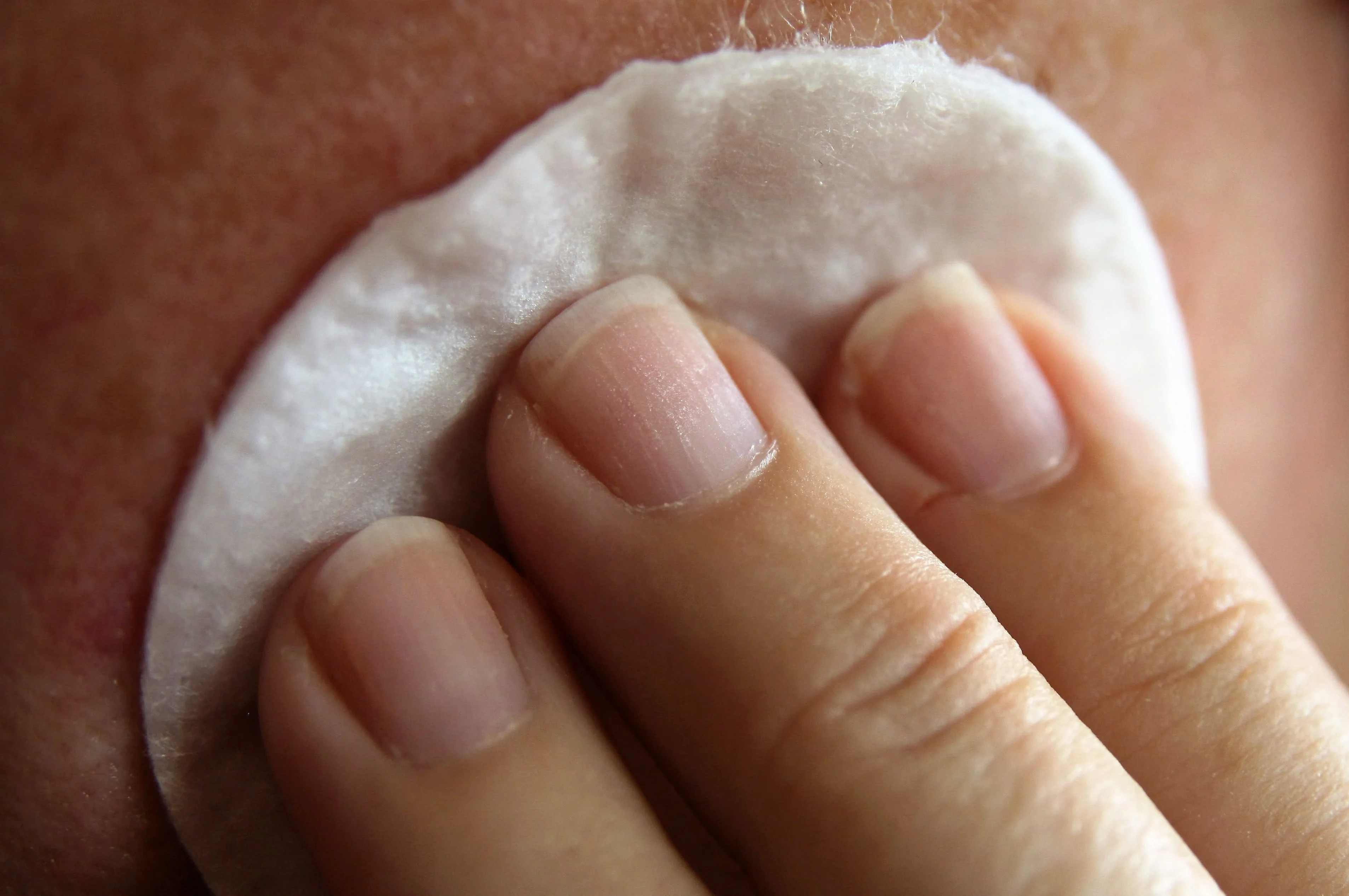
title: Why Japanese Cosmetics Fit Southeast Asian Climate & Skin slug: why-japanese-cosmetics-are-popular-in-southeast-asia category: how-japan-works category_label: How Japan Works published_at: '2026-11-24' updated_at: '2026-11-24' meta_description: Discover why Japanese cosmetics suit Southeast Asian climates. Explore lightweight watery formulas, humidity-resistant UV shields, and gentle barrier care. description: Discover why Japanese cosmetics suit Southeast Asian climates. Explore lightweight watery formulas, humidity-resistant UV shields, and gentle barrier care. lead_image: /images/stock/clean-refreshed-skin-humidity-prep.jpg lead_image_alt: Fresh clean skin prepared for hot humid weather with lightweight skincare thumbnail: /images/stock/clean-refreshed-skin-humidity-prep.jpg thumbnail_alt: Fresh clean skin prepared for hot humid weather with lightweight skincare author: Editorial Team publish: true
Why Japanese Cosmetics Fit Southeast Asian Climate & Skin
Consumers across Southeast Asia—from Singapore and Malaysia to Thailand, Indonesia, the Philippines, and Vietnam—have embraced Japanese beauty (J-beauty) products for decades. While global cosmetic trends frequently shift, Japanese sunscreens, watery lotions, and gentle cleansing formulas remain dependable daily staples on vanity tables throughout the region.
This enduring popularity is not merely a marketing phenomenon. It is fundamentally anchored in cosmetic engineering and shared environmental realities. Japan experiences intense subtropical summer weather marked by oppressive heat and heavy humidity, driving domestic manufacturers to formulate products that withstand sweltering moisture without feeling suffocating on the face. Here is an in-depth analysis of how Japanese cosmetic science meets the unique climatic and dermatological needs of Southeast Asian lifestyles.
Shared Climate Challenges: Tropical Heat, Humidity, and Indoor Chill
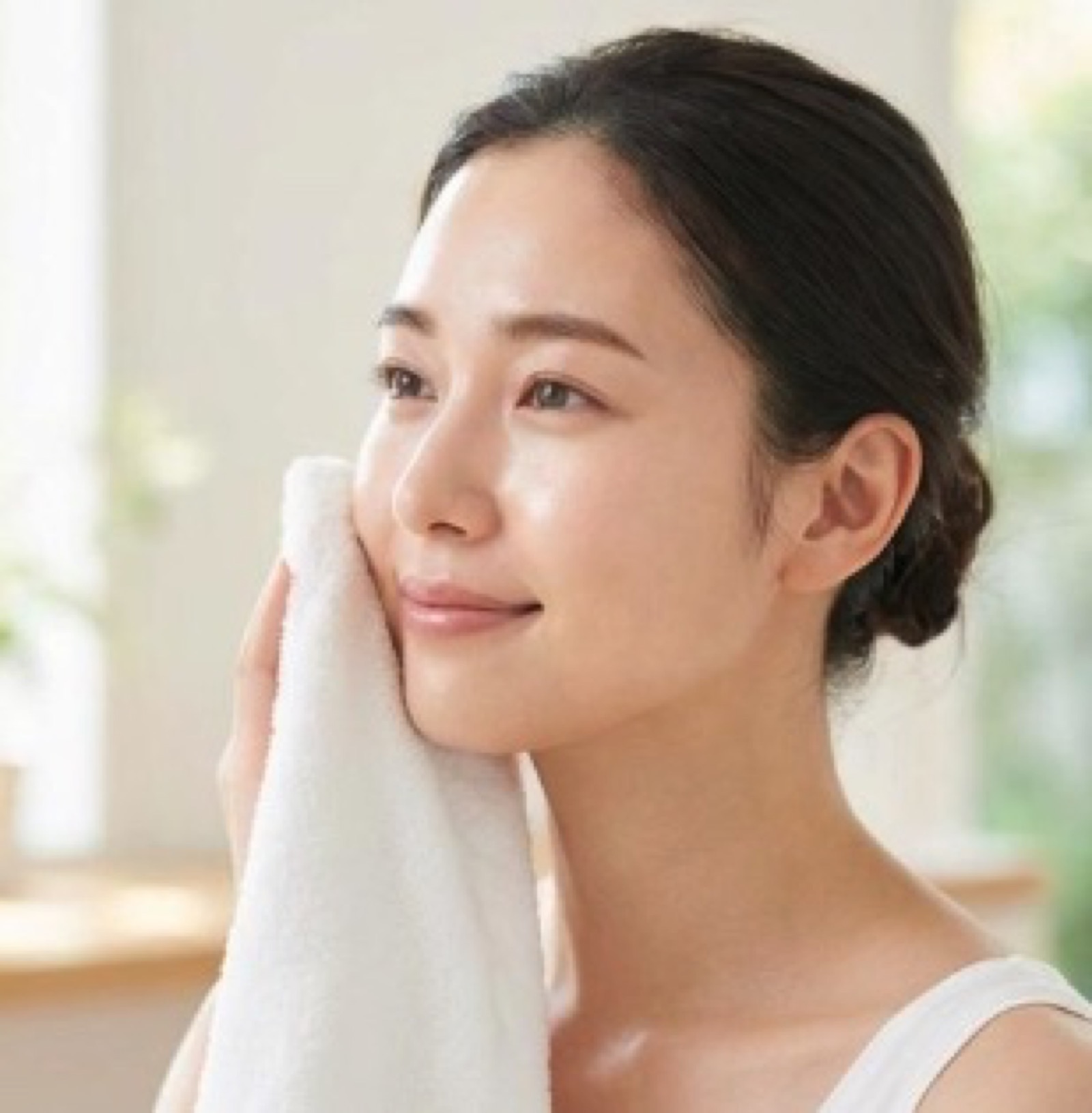
The primary factor connecting Japanese product development with Southeast Asian skin needs is the environmental environment. Japan's midsummer conditions closely mirror the year-round climate of Southeast Asian metropolises: ambient temperatures frequently exceed 33°C (91°F) accompanied by relative humidity levels surpassing 80%.
Under such conditions, human sebaceous glands ramp up sebum output while sweat glands release constant moisture to cool the body. When traditional heavy creams or occlusive oil bases are applied in this environment, they trap sweat beneath an impermeable film, resulting in persistent stickiness, midday makeup slippage, and pore congestion.
Moreover, urban life in Southeast Asia involves constant oscillation between outdoor tropical heat and intensely chilled, air-conditioned indoor spaces like offices, malls, and transit trains. This temperature shock triggers "hidden inner dryness" (known in Japan as in-na-dorai): surface grease masks an underlying epidermal moisture deficit caused by artificial indoor dehumidification. The delicate lipid matrix of the epidermal stratum corneum experiences progressive natural functional deceleration over time[1], demanding lightweight hydration that fortifies moisture without clogging pores.

Formulation Advantages: Why Japanese Textures Excel in the Tropics
To address summer stickiness without sacrificing essential hydration, Japanese cosmetic chemists pioneered texture architectures that distinguish J-beauty globally:
1. Water-Breaking Micro-Emulsion Lotions (Kesho-Sui)
In western skincare routines, toners are frequently designed for astringent cleansing. In contrast, Japanese kesho-sui functions as a primary delivery vehicle for water-soluble humectants. Japanese laboratories utilize fermented broths, amino acid complexes, and multi-weight hyaluronic acid molecules that dissolve into fluid bases indistinguishable from pure water. They absorb smoothly into the surface stratum corneum within seconds, leaving zero tacky residue.
2. Sweat- and Friction-Resistant UV Gels
Southeast Asia receives intense equatorial ultraviolet radiation year-round. Traditional physical sunblocks containing unmicronized zinc oxide often feel heavy and leave a noticeable chalky white cast on deeper Asian skin tones. Japanese UV developers revolutionized sun protection by encapsulating UV filters inside micro-aqueous capsules. Products glide on like chilled water and set into transparent, flexible protective films engineered with super-waterproof and friction-resistant polymers that hold up against heavy perspiration.
Pairing daily humidity-resistant skincare with diligent morning broad-spectrum UV protection shields vulnerable skin from photoaging stress[2], maintaining skin clarity under intense equatorial sunlight.
Climate Comparison: How Japanese Formulations Solve Tropical Skin Needs
The following table outlines how specific climate pressures encountered across Southeast Asia align with Japanese formulation solutions:
Scroll horizontally to view more
| Skin Concern | Tropical / SE Asian Condition | Japanese Cosmetic Formulation Solution |
|---|---|---|
| Excess Sebum & Shine | High ambient heat and humidity trigger oil production | Silica-infused sebum-absorbing powders and watery balancing toners |
| Inner Dehydration | Constant transition into icy air-conditioned interiors | Multi-molecular hyaluronic acid and ceramides in fluid lotions |
| Heavy Sunscreen Feel | Daily intense UV index causing greasy or chalky residue | Water-breaking chemical and physical hybrid gels that feel weightless |
| Congested Pores | Pollution, sweat, and makeup accumulation | Mild double-cleansing oils and amino-acid foaming washes |