title: Japanese Cooling Neck Ring Guide: Ice Loop Summer Heat Care slug: japanese-cooling-neck-ring-ice-loop-japan category: how-japan-works category_label: How Japan Works published_at: '2026-11-23' updated_at: '2026-11-23' meta_description: Discover how Japanese cooling neck rings (PCM ice loops) provide portable heat relief. Learn 28°C freeze points, zero condensation, and safe usage specs. description: Discover how Japanese cooling neck rings (PCM ice loops) provide portable heat relief. Learn 28°C freeze points, zero condensation, and safe usage specs. lead_image: /images/stock/woman-neck-collarbone-bare-skin.webp lead_image_alt: Woman showcasing bare neck and collarbone area suited for Japanese cooling neck ring wear thumbnail: /images/stock/woman-neck-collarbone-bare-skin.webp thumbnail_alt: Woman showcasing bare neck and collarbone area suited for Japanese cooling neck ring wear author: Editorial Team publish: true
Japanese Cooling Neck Ring Guide: Ice Loop Summer Heat Care
Visit Tokyo, Osaka, or Kyoto during midsummer, and you will immediately notice an unexpected fashion accessory worn by business commuters, cyclists, and school children alike: a sleek, horseshoe-shaped collar nestled snugly against the nape of the neck. Known locally as nekku kuuraa, aisuruupu, or PCM cooling neck rings, these lightweight rings have evolved into a viral sensation across East Asia.
Unlike noisy battery-operated neck fans or melting ice packs that drip water across clothing, Japanese cooling neck rings rely on passive thermal engineering. Utilizing specialized Phase Change Material originally researched for aerospace suits, these rings freeze at comfortable ambient room temperatures. Understanding how this technology works, its precise physical specifications, and correct daily usage helps you maintain personal comfort throughout sweltering summer days.
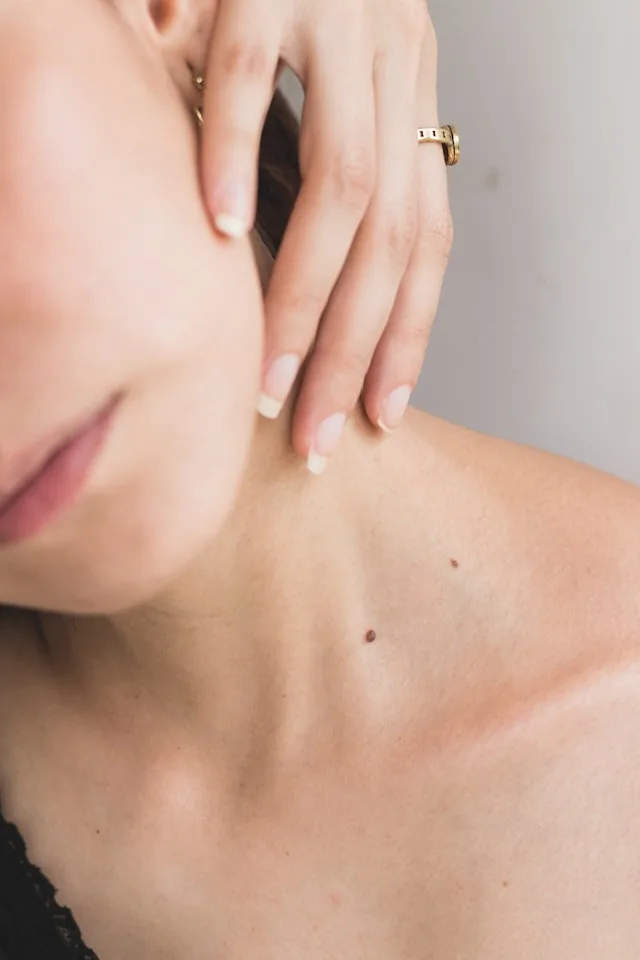
The Japanese Summer Phenomenon: Why Ice Loops Took Over Tokyo
Japanese summers are characterized by sustained temperatures above 35°C (95°F) combined with relative humidity often exceeding 75%. To navigate these conditions while commuting on foot or waiting on train platforms, urban dwellers need hands-free thermal mitigation:
- Hands-Free Commuting: Holding an electric handheld fan (handi fan) occupies a hand needed for train straps, umbrellas, or shopping bags. A cooling ring stays securely in place without motor vibrations.
- Silent and Discreet: Because Japanese train cars and libraries prioritize quiet, the whisper-silent operation of passive PCM rings complies with public transit etiquette.
- Targeted Carotid Placement: The ring gently contacts the lateral surfaces of the neck, where superficial blood vessels circulate close to the skin surface, absorbing localized warmth without shivering.
Phase Change Material (PCM) Physics: How It Freezes at Room Temperature
The core innovation of Japanese cooling rings is not traditional water ice, but advanced Phase Change Material (PCM)—typically derived from highly purified plant-based fatty acids or synthetic paraffins:
1. Latent Heat Absorption at Constant Temperature
Standard ice melts at 0°C, absorbing heat until it turns to liquid water. PCM formulations are chemically tuned to change phases (from solid to liquid) at exact designated temperatures:
- 28°C (82°F) Standard Model: Solidifies naturally in air-conditioned rooms, cold tap water, or refrigerator compartments. As long as ambient skin temperature is higher than 28°C, the solid ring absorbs thermal energy, melting gradually over 60 to 120 minutes while maintaining a stable, pleasant 28°C surface.
- 18°C (64°F) Fast-Chill Model: Freezes faster in freezer compartments, providing a sharper, cooler sensation for intense outdoor sports or construction work.
2. Zero Condensation (Ketsuro-Nashi)
Traditional frozen gel packs condense atmospheric water vapor because their surface temperature plunges far below the dew point, leaving collars soaking wet. Because 28°C PCM rings remain near ambient room temperature:
- Zero moisture droplets form on the outer casing.
- Business shirts, blouses, and backpacks stay completely dry.
- Minimizes the risk of frostbite or cold-induced capillary spasms (ice burn).
The delicate lipid matrix of the epidermal stratum corneum experiences progressive natural functional deceleration over time[1], and extreme thermal shock can stress fragile surface capillaries. Gentle 28°C cooling moderates surface heat safely.

Comparison Table: 28°C PCM Ring vs 18°C Fast-Freeze Ring vs Wet Towel
To identify the right summer thermal accessory, consider this physical specification matrix:
Scroll horizontally to view more
| Cooling Method | Freezing / Setting Point | Outdoor Duration | Condensation & Moisture Profile |
|---|---|---|---|
| 28°C Standard PCM Ring | 28°C (freezes in AC rooms or cold tap water) | Approx. 60–120 min (moderate comfort) | Zero condensation; shirts stay 100% dry |
| 18°C Intense PCM Ring | 18°C (requires refrigerator or ice water) | Approx. 45–90 min (sharper cooling) | Minimal condensation in high humidity |
| Evaporative Cooling Towel | Dependent on water temperature and evaporation | 15–30 min (requires frequent re-wetting) | Damp fabric; wets shirt collars and hair ends |