Japanese Deodorant Wipes vs Roll-On: Sweat Care in Japan
How Japan WorksBy Seibun Lab Editorial Team
title: Japanese Deodorant Wipes vs Roll-On: Sweat Care in Japan
slug: japanese-deodorant-wipes-and-roll-on-japan
category: how-japan-works
category_label: How Japan Works
published_at: '2026-11-23'
updated_at: '2026-11-23'
meta_description: Discover how Japanese deodorant wipes and roll-on antiperspirants handle summer humidity. Learn quasi-drug active ingredients, layering, and skin tips.
description: Discover how Japanese deodorant wipes and roll-on antiperspirants handle summer humidity. Learn quasi-drug active ingredients, layering, and skin tips.
lead_image: /images/stock/outdoor-exercise-students-sweat-care.webp
lead_image_alt: Outdoor activities in Japanese summer heat requiring portable deodorant wipes and roll-on care
thumbnail: /images/stock/outdoor-exercise-students-sweat-care.webp
thumbnail_alt: Outdoor activities in Japanese summer heat requiring portable deodorant wipes and roll-on care
author: Editorial Team
publish: true
Japanese Deodorant Wipes vs Roll-On: Sweat Care in Japan
Anyone who has experienced a Japanese summer knows that the combination of soaring temperatures and extreme humidity creates a unique perspiration challenge. On packed morning commuter trains and in quiet, air-conditioned offices, personal freshness is regarded as essential civic courtesy (etiquette).
Rather than relying on heavy colognes or masking fragrances—which can quickly turn cloying in humid enclosed spaces—Japanese cosmetic consumers prioritize clean, functional perspiration management. In convenience stores and pharmacies across the country, two distinct product categories dominate the shelves: portable deodorant body wipes (ase-fuki shi-to) and precision roll-on antiperspirants (roru-on). Understanding how these formats operate, alongside Japan’s regulatory classification of Quasi-Drugs versus general cosmetics, supports effortless all-day freshness.
The Etiquette of Freshness: Summer Humidity and Smeliquette in Japan
Japanese workplace culture places strong emphasis on "smell etiquette" (sumeriketto). Masking body odor with heavy synthetic perfumes is widely frowned upon because strong scents can cause discomfort to coworkers in tight office spaces:
The Odor Mechanism: Fresh perspiration produced by eccrine glands is naturally odorless and mostly water. Odor arises when resident skin bacteria metabolize sweat components and surface sebum, generating volatile fatty acids over hours.
The Japanese Approach: Instead of covering odor after it develops, J-beauty focuses on two primary interventions: preventing excessive perspiration at the source with targeted antiperspirants, and physically wiping away sweat and bacteria before oxidation occurs.
Regulatory Standards: Quasi-Drugs (Iyakubugaihin) vs General Cosmetics
A vital distinction when shopping for Japanese sweat care is the legal regulatory framework established by Japan's Ministry of Health, Labour and Welfare (MHLW). The delicate lipid matrix of the epidermal stratum corneum experiences progressive natural functional deceleration over time[1], making ingredient awareness crucial for sensitive skin:
1. Quasi-Drugs (Iyakubugaihin)
Products labeled as Quasi-Drugs contain government-approved active ingredients (yuukou seibun) at clinically verified concentrations:
Antiperspirant Actives: Compounds such as Aluminum Chlorohydrate (ACH) or natural burnt alum (yakumyouban) that temporarily constrict sweat pore openings to curb perspiration flow.
Bactericidal Actives: Agents such as Isopropyl Methylphenol (IPMP) or Benzalkonium Chloride that inhibit the proliferation of odor-causing surface microbes (Corynebacterium).
Most Japanese Roll-Ons and Sticks: Typically hold Quasi-Drug status to legally claim targeted antiperspirant and antimicrobial protection.
2. General Cosmetics (Keshouhin)
Products categorized as general cosmetics focus on cleanliness, sensory comfort, and surface hydration without claiming physiological suppression of sweat glands:
Sensory Cooling Agents: Menthol, mint distillates, and alcohol fractions that provide immediate refreshing chills during sweltering heat.
Sebum-Absorbing Powders: Micro-fine silica and spherical starch polymers that absorb residual stickiness, leaving skin feeling silky smooth (sarachika).
Standard Body Wipes: While some specialized wipes carry Quasi-Drug bactericidal certification, standard summer cooling wipes are classified as cosmetics designed for rapid midday cleansing.
Comparison Table: Japanese Deodorant Wipes vs Roll-On Antiperspirants
To understand when and how to utilize each format, consider this comparative breakdown:
Scroll horizontally to view more
Feature
Japanese Deodorant Body Wipes
Japanese Roll-On Antiperspirant
Regulatory Class
Cosmetics or Quasi-Drugs (bactericidal type)
Primarily Quasi-Drugs (antiperspirant active)
Core Function
Physically removes sweat, sebum, and microbes
Suppresses sweat secretion and halts microbial growth
Key Active Ingredients
Menthol, alcohol, silica powder, optional IPMP
Aluminum Chlorohydrate, alum, IPMP
Optimal Timing
Midday, post-commute, after sports, before meetings
Morning after shower or evening before bedtime
Target Body Zones
Neck, chest, back, arms, behind knees
Targeted underarms and localized sweat zones
Sensory Finish
Instant crisp cooling, powdery dry feel
Invisible, non-whitening, fast-drying film
How to Layer for Complete All-Day Sweat Management
For comprehensive protection throughout humid summer days, Japanese personal care relies on complementary layering:
1. Morning Foundation: The Roll-On Shield
Apply your Quasi-Drug roll-on antiperspirant directly onto clean, thoroughly dried underarms immediately following your morning shower:
Roll a generous, uniform liquid layer across the entire axillary vault.
Allow 60 to 90 seconds for the clear formula to completely dry before putting on shirts to prevent fabric transfer.
2. Midday Refresh: The Body Wipe Reset
When perspiration accumulates during your morning commute or outdoor walking:
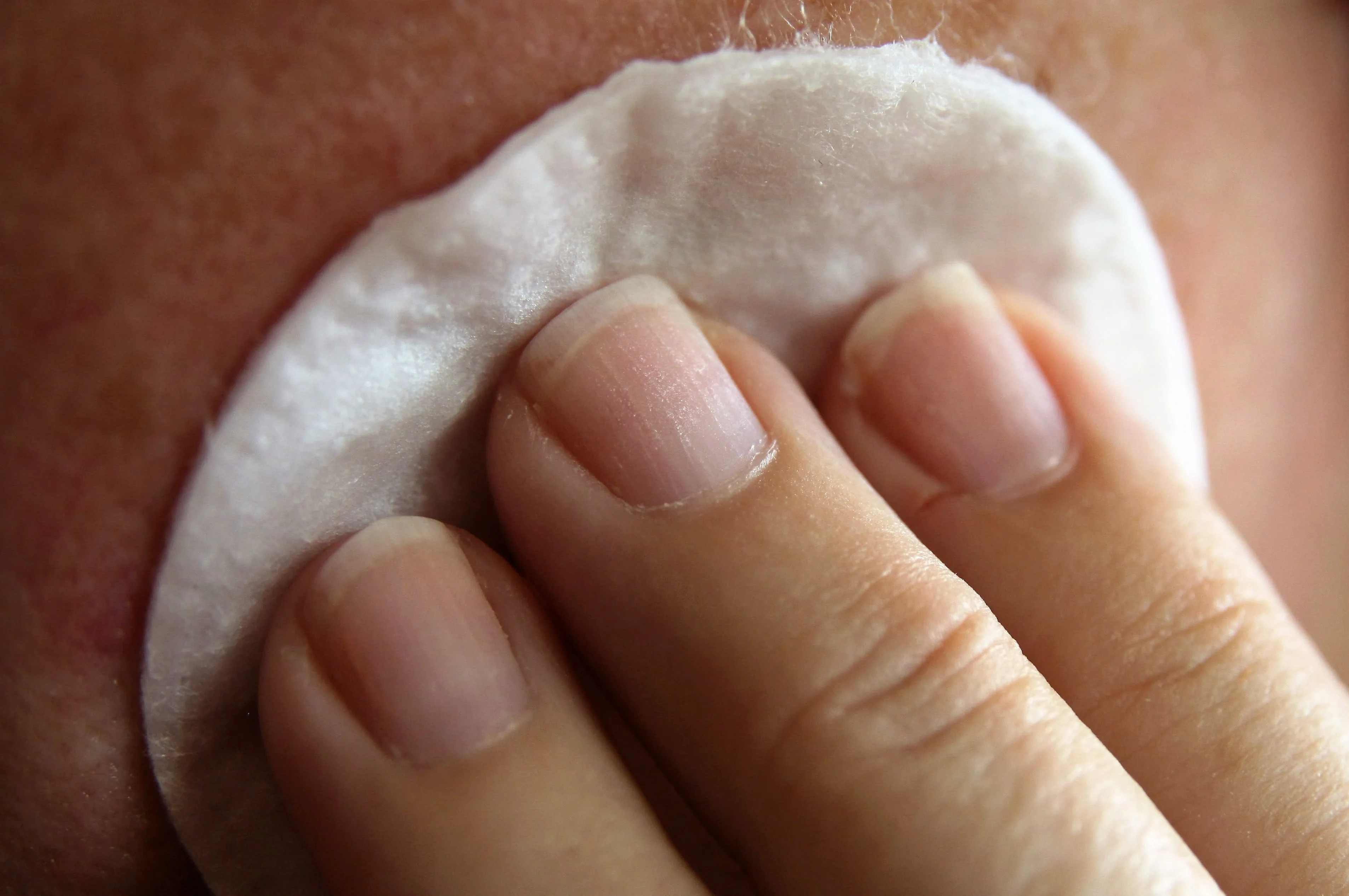
Pull out a thick, embossed body wipe and gently sweep down the back of the neck, collarbones, and chest.
Do not scrub aggressively; a single deliberate glide lifts away sweat salts and surface sebum, preventing midday odor formation and resetting skin temperature.
Pairing daily daytime hygiene with broad-spectrum UV protection creates a resilient defense against sun-induced dryness[2], ensuring that skin refreshed with cleansing wipes remains shielded from midday solar radiation.
Signs to Stop and When to Consult a Specialist
Because antiperspirants and cooling sheets contain active astringents and evaporating alcohols, respecting skin tolerance is essential:
Post-Shaving Caution: Never apply alcohol-rich body wipes or aluminum antiperspirants immediately after shaving or waxing underarms. Freshly exfoliated hair follicles are highly susceptible to chemical stinging and folliculitis.
Alcohol and Menthol Sensitivity: Unrefined fragrance compounds or concentrated botanicals in body wipes may trigger contact irritation in individuals with compromised barrier integrity[3]. If cooling wipes induce stinging or red wheals, switch to alcohol-free, non-mentholated baby wipes.
Persistent Axillary Dermatitis: If underarms become persistently itchy, discolored, or flaky, discontinue all active antiperspirants and moisturize with a bland ceramide cream.
If underarm rash, painful lumps, or allergic contact dermatitis persists beyond 72 hours, consult a board-certified dermatologist.
FAQ
Q1. What is the difference between Japanese Quasi-Drug deodorants and cosmetic body sheets?
A. Quasi-Drugs contain active ingredients that inhibit sweat glands, while cosmetics cleanse.(Details)
Japanese Quasi-Drug deodorants must contain verified actives like aluminum chlorohydrate or IPMP to legally claim antiperspirant and bactericidal efficacy. Cosmetic wipes focus on physical dirt removal and sensory cooling without altering sweat production.
Q2. Should I apply roll-on before or after wiping with body sheets?
A. Apply roll-on in the morning on dry skin, and use wipes midday to refresh.(Details)
Roll-on antiperspirants need direct contact with clean, dry skin to form an effective barrier plug inside sweat ducts. If re-applying roll-on midday, wipe the area clean first, ensure it is completely dry, and then roll on fresh product.
Q3. Can I use deodorant body wipes on my face?
A. No, body wipes contain high alcohol and menthol levels unsuitable for facial skin.(Details)
Body wipes are formulated with cooling concentrations that can cause intense stinging around delicate eye and lip contours. Look specifically for dedicated Japanese facial cleansing sheets (*feisu shi-to*) formulated with gentler humectants for face use.
Q4. Can I apply roll-on antiperspirant immediately after shaving?
A. It is advisable to wait at least 12 to 24 hours after razor shaving.(Details)
Shaving creates micro-abrasions in the stratum corneum. Applying aluminum salts or antimicrobial agents directly onto freshly shaved skin frequently leads to stinging, razor burn, and inflammatory contact dermatitis.
Q5. Why are unscented deodorants so popular in Japan?
A. Unscented options respect communal spaces and avoid clashing with personal fragrances.(Details)
In Japanese culture, neutral cleanliness is the ultimate goal. Unscented (*mukouryou*) formulas minimize the risk of heavy artificial aromas mixing unfavorably with summer sweat in crowded trains, offering subtle, discreet confidence.
Conclusion: Freshness Engineered for Humid Climates
The smart interplay between Japanese deodorant wipes and precision roll-on antiperspirants showcases the practical genius of J-beauty hygiene. By deploying active Quasi-Drug roll-ons to shield underarms and utilizing convenient portable wipes to lift midday sweat, you can navigate even the most humid urban environments with calm, clean composure. Honoring these balanced habits ensures all-day comfort and effortless personal freshness from morning commute to evening rest.
References
The Japanese Dermatological Association. Sunburn Q&A on Photoaging and Biological Alterations in Aging Skin (Q5). https://www.dermatol.or.jp/qa/qa2/q05.html (Accessed 2026-11-23)
The Japanese Dermatological Association. Dermatological Q&A on Sunscreen Application for Long-Term Prevention (Q25). https://www.dermatol.or.jp/qa/qa3/q25.html (Accessed 2026-11-23)
The Japanese Dermatological Association. Dermatological Q&A on Contact Irritation and Scalp Friction Mechanisms (Q1). https://www.dermatol.or.jp/qa/qa4/q01.html (Accessed 2026-11-23)
Disclaimer: This article is for general information and education about Japanese cosmetics and their labels. It is not a substitute for professional medical advice, diagnosis, or treatment. Skincare results vary from person to person. Product formulas, availability, prices, and regulations change, and products sold in Japan can differ from versions sold elsewhere, so always check the current label. Do a patch test before introducing a new product, and consult a doctor or dermatologist if you have a skin condition or specific concerns.