Japanese Foot Peeling Mask Guide: Safe Callus Exfoliation
How Japan WorksBy Seibun Lab Editorial Team
title: Japanese Foot Peeling Mask Guide: Safe Callus Exfoliation
slug: japanese-foot-peeling-mask-calluses-baby-foot
category: how-japan-works
category_label: How Japan Works
published_at: '2026-11-23'
updated_at: '2026-11-23'
meta_description: Discover how Japanese foot peeling masks shed rough calluses. Learn AHA science, essential peeling phase care, sun protection rules, and safety warnings.
description: Discover how Japanese foot peeling masks shed rough calluses. Learn AHA science, essential peeling phase care, sun protection rules, and safety warnings.
lead_image: /images/stock/foot_bath.webp
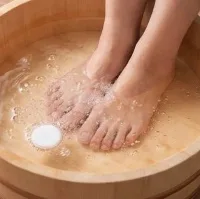
lead_image_alt: Woman soaking feet in warm water preparing for gentle Japanese foot care routine
thumbnail: /images/stock/foot_bath.webp
thumbnail_alt: Woman soaking feet in warm water preparing for gentle Japanese foot care routine
author: Editorial Team
publish: true
Japanese Foot Peeling Mask Guide: Safe Callus Exfoliation
Thick, cracked heels and stubborn yellow calluses on the balls of the feet are common consequences of modern footwear, high friction, and daily standing. For decades, the standard response was physical pumice stones, metal rasps, or motorized sanders—tools that often create uneven micro-tears and prompt skin to rebound with even thicker protective hyperkeratosis.
In Japan, foot care underwent a revolutionary shift with the invention of the bootie-style chemical foot peeling mask (popularized globally by brands such as Baby Foot). By enveloping the feet in a calibrated fruit acid solution, these masks dissolve the microscopic protein glues that anchor hardened dead skin cells. However, achieving smooth, supple soles safely requires strict adherence to biological timelines, disciplined post-peel hydration, and mandatory UV precautions.
The Chemistry of Japanese Foot Peeling: How Bootie Masks Work
To understand why chemical foot peels produce dramatic, sheet-like peeling, one must examine the unique anatomy of plantar skin:
The Plantar Stratum Corneum: The stratum corneum on the soles of our feet is the thickest on the entire body, comprising up to 50 layers of compact dead corneocytes designed to absorb mechanical impact.
Desmosome Dissolution: Plantar dead skin cells are welded together by microscopic protein structures called desmosomes. Japanese foot masks formulate Alpha Hydroxy Acids (AHAs like Lactic and Glycolic Acids) alongside Beta Hydroxy Acid (Salicylic Acid) at a calibrated acidic pH to dissolve these protein welds without mechanical scraping.
Natural Desquamation: Once desmosomes are dissolved, the dead outer strata detach from the underlying living epidermis, allowing natural daily walking friction to shed the loosened layers effortlessly.
The Peeling Timeline: What to Expect Day by Day
The peeling process requires patience. Do not expect immediate results on the evening of application:
Day 1: The Application Protocol
Slip your clean, washed feet into the plastic gel-filled booties and secure them with the adhesive tabs. Relax for the exact duration indicated on the package (typically 60 minutes). Afterward, wash your feet thoroughly with lukewarm water and mild soap to remove all residual acid gel.
Days 2 to 4: The Latent Tightening Phase
For the first few days, virtually nothing visible occurs. Your feet may feel slightly dry, tight, or papery, and calluses may take on a dull, crinkled appearance. The acids are silently loosening deeper cellular bonds.
Days 5 to 10: The Active Shedding Phase
Peeling begins, often starting around the arch and spreading across the heels and toes. Dead skin begins to detach in flakes or sheets during showers and while walking.
Days 11 to 14: The Fresh Epidermal Reveal
Shedding naturally concludes, unveiling radiant, soft, and flexible skin across your soles and heels.
The delicate lipid matrix of the epidermal stratum corneum experiences progressive natural functional deceleration over time[1], making gentle chemical desquamation far less traumatic to mature dermal structures than aggressive metal scraping.
60-minute soak followed by 7 to 10 days of shedding
10-minute manual scrubbing every shower
Safety Profile
Safe when left to shed naturally; requires patch test
Risk of accidental lacerations, bleeding, and nicks
Non-Negotiable Safety Rules: Never Force Peeling
The single most critical instruction for anyone using a Japanese foot peeling mask is: never peel, pull, or tear shedding skin manually.
1. The Medical Risk of Forced Peeling
While seeing peeling sheets of skin can trigger an overwhelming urge to peel them away like sunburn flakes, resist the temptation. Pulling attached skin can rip into immature, living epidermal layers that have not yet formed their protective barrier, causing open wounds, bleeding, infection, and severe post-inflammatory hyperpigmentation.
2. How to Manage Peeling Safely
Let friction do the work: Daily warm showers naturally soften detached edges, allowing them to slough off during gentle toweling.
Wear socks indoors: Wearing breathable 100% cotton socks around the house prevents shedding flakes from scattering across floors while protecting vulnerable skin from carpet friction.
Trim trailing flaps: If a large flap of dead skin catches on clothing, use clean, sanitized rounded manicure scissors to trim the loose dangling edge without pulling the attached base.
Post-Peel Recovery: Intensive Hydration and Mandatory Sun Protection
Once your feet have fully shed their hardened callused armor, the newly exposed stratum corneum requires dedicated protective care:
1. Barrier Hydration
During active peeling, avoid heavy, occlusive greasy balms that can interfere with natural shedding. However, once shedding is complete, apply a daily moisturizing foot cream containing ceramides, squalane, or mild 5% urea to reinforce the lipid barrier and keep skin supple.
2. Mandatory Sunscreen Protection
Alpha Hydroxy Acids temporarily increase cutaneous photosensitivity. When wearing open-toed sandals, flip-flops, or walking barefoot outdoors, newly exposed foot skin is exceptionally prone to acute sunburn and pigment alterations. Apply a broad-spectrum sunscreen with SPF 30+ to the tops, arches, and exposed margins of your feet every morning.
Pairing regular chemical exfoliation with diligent morning broad-spectrum UV protection safeguards newly exposed epidermal layers from photoaging stress[2], preserving resilient skin health from head to toe.
Signs to Stop and When to Consult a Specialist
Because chemical foot masks utilize active organic acids, strict contraindications must be respected:
Diabetic Foot Precaution: Individuals with diabetes, poor peripheral circulation, or neuropathy should never use chemical foot peeling masks. Impaired sensation and compromised wound recovery make minor skin breakdowns highly dangerous.
Open Cuts or Athlete's Foot (Tinea Pedis): Do not use peels over active fungal infections, weeping blisters, open cracks, or cuts. Acid solutions reaching open dermal fissures cause extreme pain and chemical irritation.
Severe Allergic Reactions: High concentrations of exfoliating fruit acids, excessive soaking times, and premature forced peeling can trigger acute chemical irritation and contact dermatitis[3]. Discontinue use and rinse immediately if intense burning or hives develop during the soaking phase.
If foot redness, swelling, burning, or oozing continues past 48 hours, seek prompt consultation from a board-certified dermatologist or podiatrist.
FAQ
Q1. Can I moisturize my feet while they are actively peeling?
A. Light, oil-free hydration is acceptable, but avoid heavy occlusive balms.(Details)
Heavy oil-rich creams can glue shedding dead skin back onto the foot, slowing down the natural detachment process. If feet feel uncomfortably dry, apply a light, water-based hydrating lotion or soak feet briefly in warm plain water.
Q2. How can I speed up the peeling process safely?
A. Soaking feet in warm water for 10 to 15 minutes daily accelerates natural shedding.(Details)
Warm water hydrates the loosened dead corneocytes, helping them slide off effortlessly through daily shower friction without needing to pull or peel skin manually.
Q3. How often can I use a Japanese foot peeling mask?
A. Wait at least 1 to 2 months between applications.(Details)
Plantar skin requires ample time to rebuild a resilient, mature stratum corneum. Using chemical foot peels more frequently than once every 6 to 8 weeks can over-thin the skin, causing severe tenderness when walking.
Q4. Can I exercise or go to the gym while my feet are peeling?
A. Yes, but wear clean moisture-wicking socks to minimize blister risk.(Details)
Intense running or repetitive friction can shear partially detached skin flaps prematurely. Wear snug cotton athletic socks to cushion feet, and avoid public pools or communal saunas until peeling is completely finished.
Q5. Why did my feet not peel after using the mask?
A. Peeling can take up to 7 to 10 days to begin, or calluses were already minimal.(Details)
In individuals with well-hydrated soles, dead skin may slough away invisibly during daily showers in microscopic particles rather than large dramatic sheets. Be patient and soak feet in warm water daily.
Conclusion: Achieving Supple Soles Through Science and Patience
Japanese foot peeling masks represent an elegant union of biochemical precision and personal pampering. By trading the abrasive friction of metal rasps for the uniform, enzyme-like action of fruit acids, you can shed accumulated seasonal roughness and rediscover touchably soft, flexible feet. Remember that safety is built on restraint: resist the urge to peel flakes manually, keep new skin generously hydrated, and protect your fresh soles with daily sunscreen for long-lasting, radiant results.
References
The Japanese Dermatological Association. Sunburn Q&A on Photoaging and Biological Alterations in Aging Skin (Q5). https://www.dermatol.or.jp/qa/qa2/q05.html (Accessed 2026-11-23)
The Japanese Dermatological Association. Dermatological Q&A on Sunscreen Application for Long-Term Prevention (Q25). https://www.dermatol.or.jp/qa/qa3/q25.html (Accessed 2026-11-23)
The Japanese Dermatological Association. Dermatological Q&A on Contact Irritation and Scalp Friction Mechanisms (Q1). https://www.dermatol.or.jp/qa/qa4/q01.html (Accessed 2026-11-23)
Disclaimer: This article is for general information and education about Japanese cosmetics and their labels. It is not a substitute for professional medical advice, diagnosis, or treatment. Skincare results vary from person to person. Product formulas, availability, prices, and regulations change, and products sold in Japan can differ from versions sold elsewhere, so always check the current label. Do a patch test before introducing a new product, and consult a doctor or dermatologist if you have a skin condition or specific concerns.