Japanese Foot Roller Guide: Bamboo & Acupressure Care
How Japan WorksBy Seibun Lab Editorial Team
title: Japanese Foot Roller Guide: Bamboo & Acupressure Care
slug: japanese-foot-roller-and-massage-stick-pressure-points
category: how-japan-works
category_label: How Japan Works
published_at: '2026-11-23'
updated_at: '2026-11-23'
meta_description: Discover Japanese foot reflexology: Aodake fumi bamboo rollers and tsubo sticks. Learn acupressure points, circulation benefits, and safe usage rules.
description: Discover Japanese foot reflexology: Aodake fumi bamboo rollers and tsubo sticks. Learn acupressure points, circulation benefits, and safe usage rules.
lead_image: /images/stock/lifestyle-aromatherapy-massage-oil-towel.webp
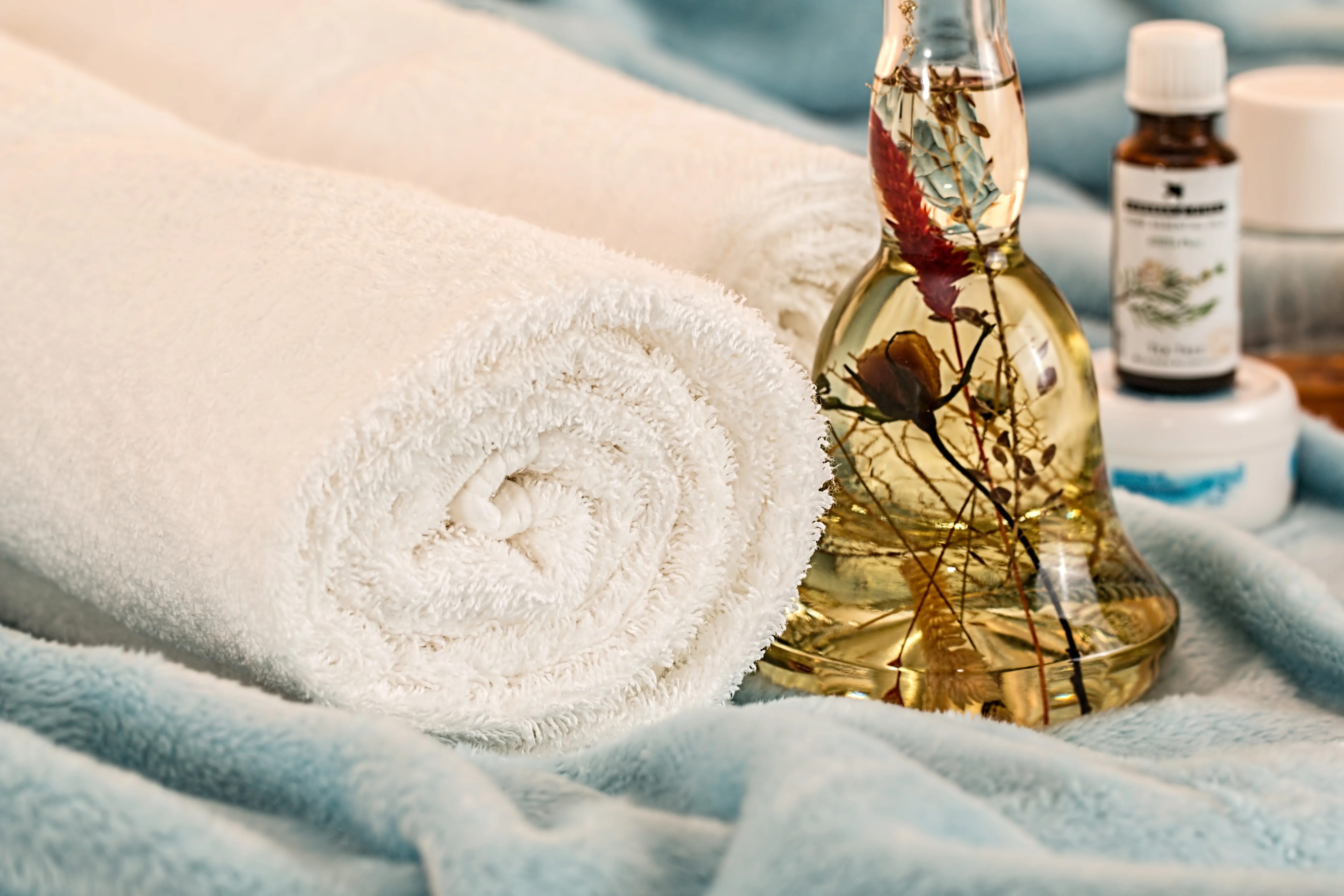
lead_image_alt: Serene reflexology space with rolled towels and natural massage oils for Japanese foot care
thumbnail: /images/stock/lifestyle-aromatherapy-massage-oil-towel.webp
thumbnail_alt: Serene reflexology space with rolled towels and natural massage oils for Japanese foot care
author: Editorial Team
publish: true
Japanese Foot Roller Guide: Bamboo & Acupressure Care
In countless Japanese homes, ryokan inns, and modern office break rooms, you will spot an deceptively simple tool resting on the floor: a smooth, split-bamboo cylinder known as Aodake fumi (literally "green bamboo stepping"). Alongside handheld wooden acupressure sticks (tsubo-oshi bo), these traditional self-care implements form the backbone of everyday Japanese foot reflexology.
In Japanese wellness philosophy, the soles of the feet are revered as the body's "second heart" (dai-ni no shinzou). Because blood pumped to the lower extremities must overcome gravity to return to the heart, stimulating the deep plantar muscles acts as a natural mechanical pump. Understanding how to use bamboo arches and wooden pressure sticks allows you to ease tired arches, stimulate key meridian points, and foster deep nighttime relaxation.
The Tradition of Japanese Foot Reflexology: Aodake Fumi and Tsubo Sticks
Long before electric vibrating foot massagers existed, Japanese households relied on natural botanical materials to soothe weary feet after long days of walking:
The Genius of Aodake Fumi: Bamboo possesses natural tensile strength and a gentle organic curvature that contours perfectly to the arch of the human foot. Stepping onto the rounded surface uses your own body weight to deliver calibrated compression across plantar tendons.
Precision Tsubo-Oshi Sticks: Crafted from dense hardwoods (such as maple or camellia wood), these pointed wooden wands allow pinpoint stimulation of localized meridian acupoints (tsubo) that broad rollers cannot reach.
The "Second Heart" Concept: Plantar contractions compress deep vein plexuses beneath the sole, promoting sluggish lymphatic drainage and warming cold extremities before bedtime.
Key Japanese Acupressure Points (Tsubo) on the Soles
According to Japanese acupressure tradition, the soles contain reflex zones corresponding to physiological organ networks:
1. Yusen (Bubbling Spring / Kidney 1)
Located in the depression formed when you curl your toes downward, roughly one-third of the way down from the base of the second toe:
Widely stimulated in Japan to counter physical exhaustion, improve lower-limb circulation, and promote morning vitality.
Apply steady pressure with the blunt rounded tip of a tsubo-oshi stick while exhaling slowly for 5 seconds.
2. Shitsumin (Insomnia Point)
Positioned in the exact center of the heel pad:
Traditionally pressed in the evening to calm an overstimulated nervous system and support deep, tranquil sleep.
Most comfortably stimulated through moderate tapping or firm, sustained thumb pressure rather than sharp pointed prodding.
3. The Longitudinal Arch Zone
The inner curved arch corresponding to the digestive and spinal reflex zones:
Stepping gently on an Aodake fumi bamboo log rolls this entire fascial band, releasing accumulated tension from standing in hard shoes.
The delicate lipid matrix of the epidermal stratum corneum experiences progressive natural functional deceleration over time[1], making gentle, friction-free pressure far safer for mature skin than abrasive mechanical vibration.
Scroll horizontally to view more
Feature
Aodake Fumi Bamboo Arch
Handheld Tsubo-Oshi Stick
Primary Motion
Dynamic bodyweight stepping and rolling
Static, focused manual compression
Area of Focus
Broad plantar fascia and arch curvature
Pinpoint meridian nodes (*Yusen*, *Shitsumin*)
Pressure Control
Adjusted by shifting your standing weight
Controlled manually by hand and wrist force
Portability
Floor stationary (entryway, desk, kitchen)
Compact travel size (fits in small pouches)
Session Duration
3 to 5 minutes of rhythmic stepping
10 to 15 seconds per specific acupoint
How to Practice Aodake Fumi Safely: Pressure and Posture
Because bodyweight exerts considerable force, adopting disciplined safety habits is essential to protect plantar tendons:
Step 1: Stability on a Non-Slip Mat
Place your bamboo arch or foot roller on a textured yoga mat or non-slip rug. Never place it on slick hardwood floors, where sudden slippage could lead to falls.
Step 2: Start with Socks On
If your arches are tight or unaccustomed to deep tissue stimulation, wear thick cotton socks during initial sessions. Direct barefoot contact can feel intensely tender on tight plantar fascia.
Step 3: Gentle Alternating Steps
Hold onto a stable wall, chair, or doorframe for balance. Step onto the bamboo arch with the balls of your feet, shifting weight gently from left to right. Gradually roll the contact point back into the deep arch, then toward the heels. Limit your stepping routine to 3 to 5 minutes per session. More is not better; excessive stepping can bruise bone tissue.
Integrating Foot Acupressure into Daily J-Beauty Routines
To maximize physiological recovery and skin suppleness, pair pressure-point work with evening bathing:
1. The Post-Bath Sweet Spot
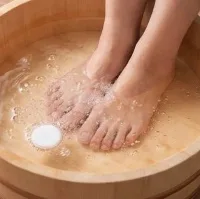
The ideal time for foot reflexology is immediately after a warm evening soak (ofuro) or foot bath (ashiyu). Warm water relaxes rigid tendon fibers and increases tissue pliability, allowing acupressure tools to work deeper with less pain.
2. Post-Massage Deep Moisturization
Acupressure friction can accelerate dry heel flaking. After finishing your rolling session, massage a rich Japanese foot cream containing ceramides, botanical squalane, or 10% urea into the soles, pulling on clean cotton socks overnight to lock in moisture.
Pairing restorative evening body care with diligent morning broad-spectrum UV protection safeguards exposed skin from cumulative environmental damage[2], preserving overall bodily vitality throughout every season.
Signs to Stop and When to Consult a Specialist
While traditional bamboo stepping is a safe home wellness ritual for healthy adults, respect these strict medical boundaries:
Plantar Fasciitis or Acute Heel Spurs: If you experience sharp, stabbing pain in your heel upon taking your first steps in the morning, do not step on hard bamboo rollers. Compressing inflamed fascial insertions worsens micro-tears.
Bruising or Localized Tenderness: Excessive focal pressure, aggressive unlubricated friction, and rough wooden splinters can trigger acute mechanical bruising, calluses, and contact irritation[3]. If the bottoms of your feet feel bruised to the touch, pause all roller use for at least 7 days.
Diabetic Neuropathy: Individuals with diabetes or peripheral vascular disease must avoid hard acupressure tools due to diminished pain sensation and high ulceration risk.
If localized foot pain, swelling, or redness persists past 5 days, seek clinical consultation from a licensed podiatrist or orthopedist.
FAQ
Q1. Why does stepping on Aodake fumi feel painful at first?
A. Tight plantar fascia and accumulated metabolic fluid create localized sensitivity.(Details)
Modern supportive shoes often weaken intrinsic foot muscles, leaving tendons stiff. When the bamboo presses into these tight bands, it stimulates sensitive nerve endings. Wear thick socks and hold onto a chair to reduce bodyweight pressure until tissues adapt.
Q2. How often should I step on a Japanese bamboo foot roller?
A. Once or twice daily for 3 to 5 minutes per session is optimal.(Details)
Short, consistent sessions—such as 3 minutes while brushing your teeth in the morning and 3 minutes after your evening bath—produce superior circulatory benefits compared to infrequent, overly intense sessions.
Q3. Can I use a tennis ball or golf ball instead of a bamboo arch?
A. A tennis ball offers gentle arch relief, but bamboo provides stable anatomical curvature.(Details)
Tennis balls are excellent pliable substitutes for seated rolling. However, the stationary cylindrical shape of bamboo allows balanced standing weight distribution across both feet simultaneously without rolling away.
Q4. What is the difference between real bamboo and plastic Aodake fumi?
A. Natural bamboo offers organic warmth, while plastic models often feature acupressure nodules.(Details)
Traditional dried bamboo is breathable, smooth, and naturally hygienic. Modern Japanese plastic versions often incorporate raised acupressure knobs or magnets to intensify targeted stimulation.
Q5. Should I press tsubo points before or after meals?
A. Practice at least 30 minutes before meals or one hour after eating.(Details)
Deep acupressure stimulates autonomic blood flow. Practicing immediately after heavy meals can divert blood flow away from digestive organs, causing mild stomach discomfort. Post-bath relaxation is the ideal timing.
Conclusion: Restoring Whole-Body Vitality from the Soles Up
The enduring popularity of Aodake fumi and tsubo-oshi sticks in contemporary Japan stands as a testament to the wisdom of simple, natural self-care. By taking just five minutes each evening to connect with the foundational arch of your feet, you promote venous circulation, relieve systemic fatigue, and anchor your mind in tranquil body awareness. Let this humble bamboo ritual ground your daily routine, restoring comfort and bounce to every step you take.
References
The Japanese Dermatological Association. Sunburn Q&A on Photoaging and Biological Alterations in Aging Skin (Q5). https://www.dermatol.or.jp/qa/qa2/q05.html (Accessed 2026-11-23)
The Japanese Dermatological Association. Dermatological Q&A on Sunscreen Application for Long-Term Prevention (Q25). https://www.dermatol.or.jp/qa/qa3/q25.html (Accessed 2026-11-23)
The Japanese Dermatological Association. Dermatological Q&A on Contact Irritation and Scalp Friction Mechanisms (Q1). https://www.dermatol.or.jp/qa/qa4/q01.html (Accessed 2026-11-23)
Disclaimer: This article is for general information and education about Japanese cosmetics and their labels. It is not a substitute for professional medical advice, diagnosis, or treatment. Skincare results vary from person to person. Product formulas, availability, prices, and regulations change, and products sold in Japan can differ from versions sold elsewhere, so always check the current label. Do a patch test before introducing a new product, and consult a doctor or dermatologist if you have a skin condition or specific concerns.