Japanese Peel-Off Gel Nail Base Coat: Home Manicure Guide
How Japan WorksBy Seibun Lab Editorial Team
title: Japanese Peel-Off Gel Nail Base Coat: Home Manicure Guide
slug: japanese-gel-nail-peel-off-base-coat-home
category: how-japan-works
category_label: How Japan Works
published_at: '2026-11-23'
updated_at: '2026-11-23'
meta_description: Discover Japanese peel-off gel nail base coats for easy home manicures. Learn gentle removal techniques, nail damage prevention, and essential prep tips.
description: Discover Japanese peel-off gel nail base coats for easy home manicures. Learn gentle removal techniques, nail damage prevention, and essential prep tips.
lead_image: /images/stock/hand-nails-delicate-care.webp
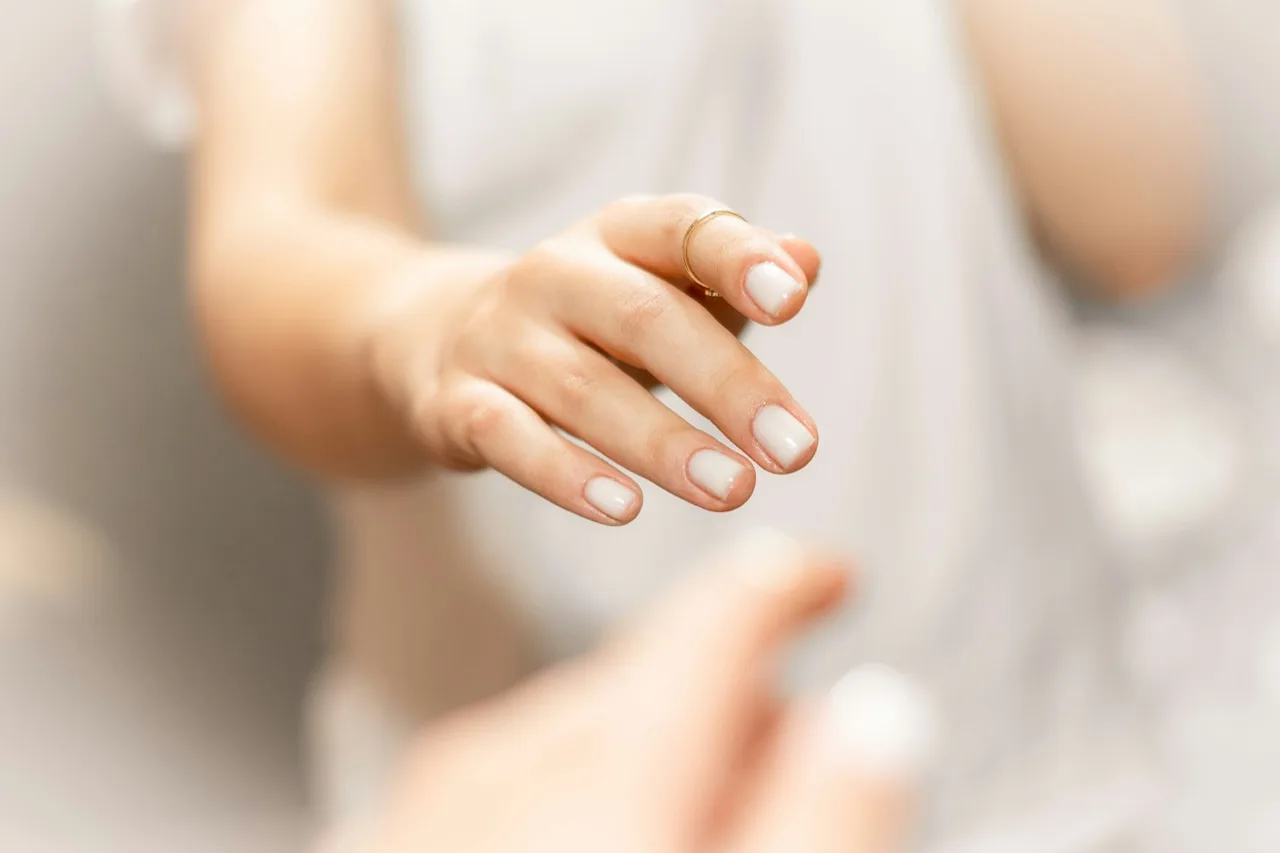
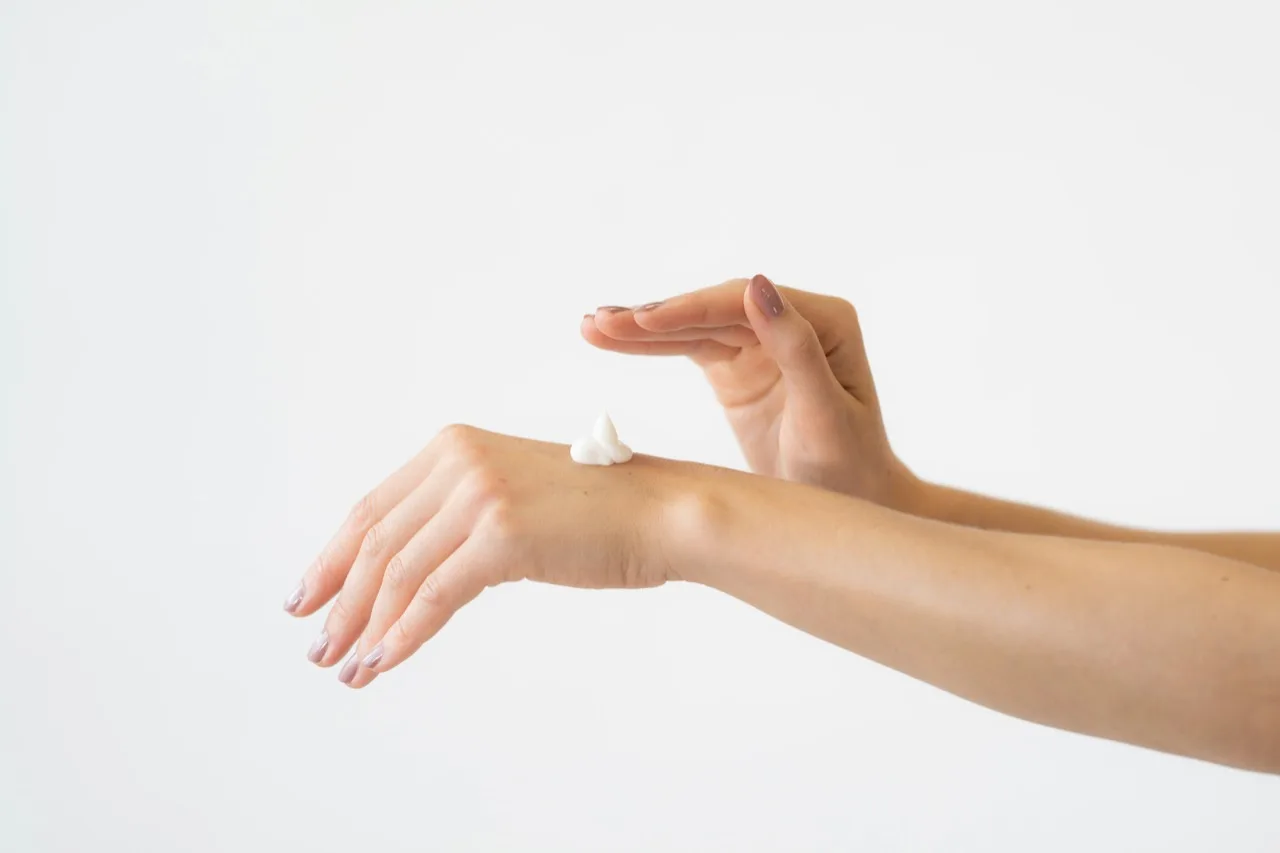
lead_image_alt: Well-maintained natural nails showcasing Japanese peel-off gel manicure finish
thumbnail: /images/stock/hand-nails-delicate-care.webp
thumbnail_alt: Well-maintained natural nails showcasing Japanese peel-off gel manicure finish
author: Editorial Team
publish: true
Japanese Peel-Off Gel Nail Base Coat: Home Manicure Guide
In Japan, nail aesthetics are celebrated for their intricate creativity and high-gloss perfection. However, strict professional dress codes in traditional corporate offices, healthcare settings, and schools mean many people cannot wear vibrant manicures throughout the workweek. For years, enjoying gel nails meant committing to multi-week salon wear or enduring tedious, drying acetone wraps to remove them on Sunday evenings.
This social dynamic sparked a technological revolution in Japanese drugstore cosmetics: the home peel-off gel nail base coat (pi-ru obu je-ru be-su). Designed to harden under compact LED lamps yet peel away cleanly like a flexible vinyl sticker, these formulations have democratized self-manicures (serufu neiru). Yet, improper mechanical peeling can damage natural nail keratin. Mastering proper application and gentle removal protocols ensures stunning weekend nails without sacrificing plate strength.
The Japanese Self-Nail Revolution: Weekend Manicures Made Simple
The appeal of Japanese peel-off base coats centers on unprecedented convenience and rapid turnaround:
Acetone-Free Freedom: Traditional soak-off gel removal requires abrasive file buffing and 15 to 20 minutes of 100% acetone soaking under aluminum foil, which severely strips surrounding cuticles and dries out nail plates.
Zero Surface Sanding: Unlike professional salon gels that require mechanical buffing (san-dingu) to create rough microscopic grooves for adhesion, Japanese peel-off bases bond securely to smooth, unfiled nail plates.
The "Friday-to-Sunday" Lifestyle: Office workers can paint and harden a glossy gel design on Friday evening and effortlessly peel it off before Monday morning staff meetings.
Formula Physics: How Peel-Off Base Coats Bond Without Rough Sanding
How can a liquid gel adhere firmly through daily dishwashing yet detach on command? The engineering lies in specialized polymer elasticity:
Flexible Urethane Acrylates: Conventional hard gel forms a rigid, glass-like crystalline lattice that shatters if bent. Peel-off base coats incorporate flexible polyurethane oligomers that bend with the natural flexibility of the human nail plate.
Selective Interfacial Tension: The base coat establishes strong surface tension against smooth keratin, resisting lateral peeling during ordinary typing and handwashing.
LED Hardening Dynamics: Under a 365–405nm LED lamp, photoinitiators polymerize the liquid within 30 to 60 seconds into a continuous, elastic silicone-like film rather than a brittle shell.
The delicate lipid matrix of the epidermal stratum corneum experiences progressive natural functional deceleration over time[1], and periungual fingertip skin is especially prone to chemical dehydration from solvents. Peel-off bases avoid harsh solvent exposure altogether.
Comparison Table: Japanese Peel-Off Gel vs Traditional Soak-Off Gel vs Regular Polish
To help choose the right home nail routine, consider this comparative breakdown:
Scroll horizontally to view more
Manicure System
Drying / Hardening Method
Average Longevity
Removal Method & Chemical Impact
Japanese Peel-Off Gel
LED lamp hardening (30–60 sec)
3 to 7 days (weekend or weekly)
Gentle peel with oil/warm water; zero acetone needed
Traditional Soak-Off Gel
UV/LED lamp hardening (60 sec)
2 to 4 weeks
Surface filing + 15 min pure acetone soak; high drying effect
Regular Nail Lacquer
Ambient air drying (15–30 min)
3 to 5 days (prone to tip chips)
Quick wipe with nail polish remover; mild solvent drying
Step-by-Step Safe Removal: Protecting Natural Keratin from Peeling
The primary hazard of peel-off gel is the temptation to rip the hardened coating off dry with fingernails. The dorsal surface of the nail plate is composed of flat, compact keratin scales. Forceful dry peeling can tear away surface keratin layers (sou-haku-ri), resulting in chalky white spots, rough thinning, and split tips. Follow this gentle Japanese removal protocol:
1. Step 1: Pre-Soak in Warm Water or Bathtub
Warm water temporarily expands and softens natural nail keratin while loosening the adhesive base film. The optimal time to remove peel-off gel is at the end of an evening bath.
2. Step 2: Flood the Margin with Botanical Oil
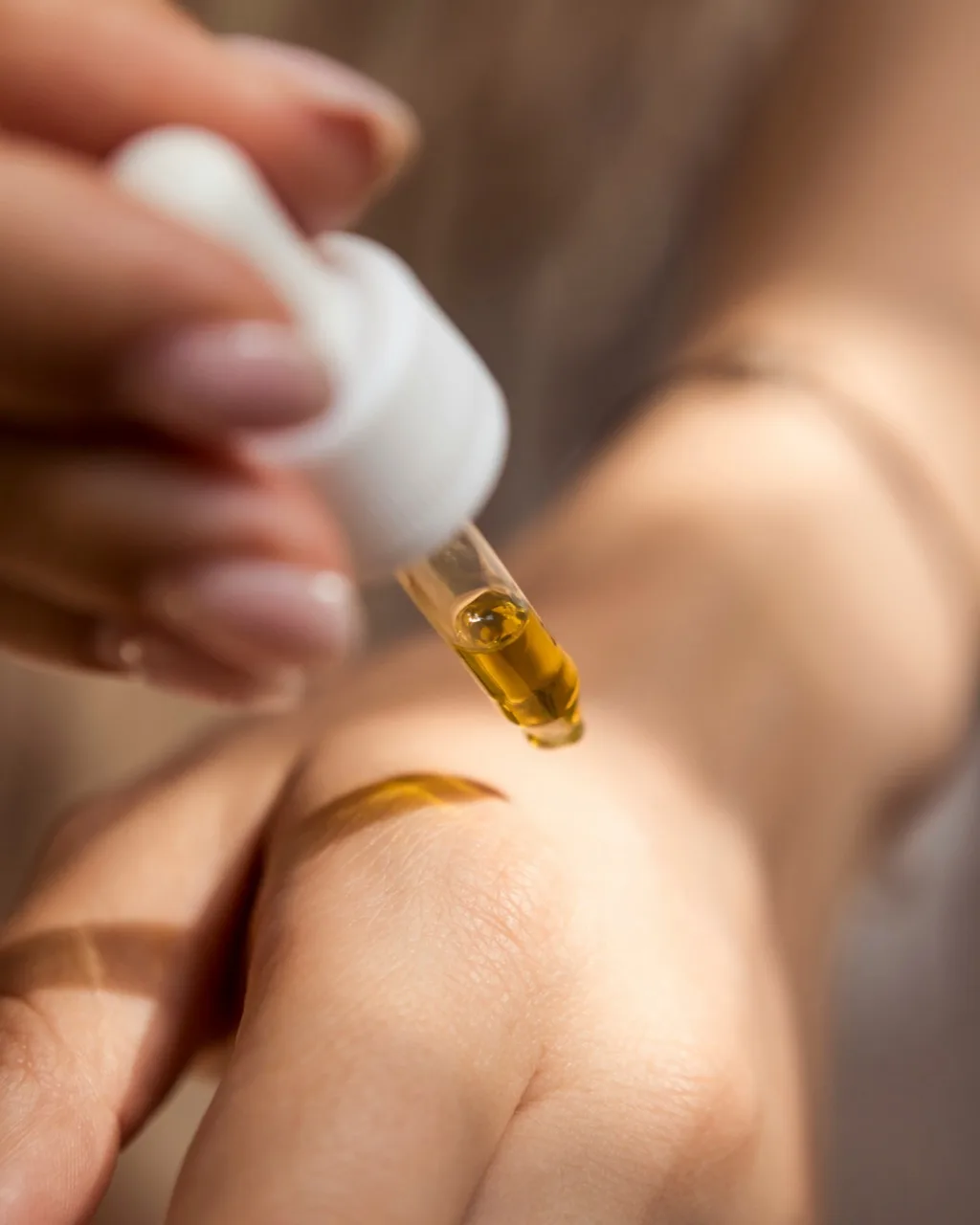
Dispense a generous droplet of cuticle oil (camellia, squalane, or jojoba) along the cuticle margin and sidewalls.
3. Step 3: Gentle Leverage with an Orange Wood Stick
Never use metal scrapers. Take the slanted edge of an orange wood stick soaked in oil, gently nudge the edge of the gel near the cuticle until a small pocket lifts, and let oil seep underneath.
4. Step 4: Glide and Roll Slowly
Slowly work the stick beneath the gel sheet, allowing the oil to dissolve the adhesive bond. The gel should roll off in a single intact piece without resisting.
Pairing daily daytime nail care with broad-spectrum UV protection creates a resilient defense against sun-induced dryness[2], preserving youthful cuticle and skin tone around the hands.
Signs to Stop and When to Consult a Specialist
While peel-off bases avoid harsh removers, attentive nail care remains necessary:
White Opaque Patches (Keratin Damage): If your nails show white surface peeling after removal, the gel was pulled off too aggressively. Pause all polish applications for 2 to 3 weeks and apply nourishing keratin oil daily.
Onycholysis (Nail Lifting): If the pink nail bed begins separating from the free edge, cease all nail enhancements immediately to prevent moisture and bacteria from becoming trapped.
Chemical Sensitivity: Unrefined cosmetic solvents and repetitive mechanical friction may trigger contact irritation in individuals with compromised barrier integrity[3]. Discontinue if red, itchy swelling develops along the proximal nail fold.
If nail plate thinning leads to persistent throbbing pain or signs of fungal infection appear, consult a certified dermatologist.
FAQ
Q1. How long does a Japanese peel-off gel manicure typically last?
A. Most formulas remain intact for 3 to 7 days depending on nail preparation.(Details)
For weekend wear, applying base coat right to the nail center provides an easy 2-to-3-day lift. For full-week wear, capping the free edge with top coat and dehydrating the plate thoroughly with rubbing alcohol extends wear past 7 days.
Q2. Do I need to buff or sand my natural nail before applying peel-off base?
A. No, sanding is strictly counter-productive for peel-off gels.(Details)
Peel-off base coats are designed for smooth natural nails. Filing or buffing the surface creates jagged crevices that trap the gel too tightly, making it difficult to peel away safely and increasing the risk of keratin tears.
Q3. Can I peel off the gel without any oil or water?
A. It is not recommended; dry peeling frequently causes superficial nail thinning.(Details)
Even though the product is labeled "peel-off," tearing it away dry pulls at delicate dorsal keratin layers. Always soften the bond with warm water, bath steam, or a generous drop of nourishing cuticle oil first.
Q4. Why did my peel-off gel pop off after just one day?
A. Residual natural oils or moisture on the nail plate before application is the most common cause.(Details)
Before applying the base coat, wipe each nail thoroughly with an alcohol prep pad to remove surface hand cream and natural sebum. Avoid touching the freshly wiped plate with bare fingertips before painting.
Q5. Can I use regular gel color over a peel-off base coat?
A. Yes, any standard LED/UV gel color and top coat works over a peel-off base.(Details)
As long as the foundation layer directly touching your natural nail plate is the peel-off base coat, you can layer your favorite color gels, glitters, and wipe-free top coats on top without affecting removal ease.
Conclusion: Fun, Flexible Nail Styling Without Compromising Health
Japanese peel-off gel nail base coats offer the ideal bridge between stunning salon-quality gloss and modern lifestyle flexibility. By freeing consumers from aggressive acetone soaks and rough surface sanding, this innovative J-beauty technology allows you to reinvent your nail style whenever inspiration strikes. By pairing smart chemical prep with mindful, oil-cushioned removal, you can enjoy vibrant, professional-looking color while maintaining resilient, healthy natural nails beneath.
References
The Japanese Dermatological Association. Sunburn Q&A on Photoaging and Biological Alterations in Aging Skin (Q5). https://www.dermatol.or.jp/qa/qa2/q05.html (Accessed 2026-11-23)
The Japanese Dermatological Association. Dermatological Q&A on Sunscreen Application for Long-Term Prevention (Q25). https://www.dermatol.or.jp/qa/qa3/q25.html (Accessed 2026-11-23)
The Japanese Dermatological Association. Dermatological Q&A on Contact Irritation and Scalp Friction Mechanisms (Q1). https://www.dermatol.or.jp/qa/qa4/q01.html (Accessed 2026-11-23)
Disclaimer: This article is for general information and education about Japanese cosmetics and their labels. It is not a substitute for professional medical advice, diagnosis, or treatment. Skincare results vary from person to person. Product formulas, availability, prices, and regulations change, and products sold in Japan can differ from versions sold elsewhere, so always check the current label. Do a patch test before introducing a new product, and consult a doctor or dermatologist if you have a skin condition or specific concerns.