Japanese Konjac Body Sponge: Gentle Exfoliation Guide
How Japan WorksBy Seibun Lab Editorial Team
title: Japanese Konjac Body Sponge: Gentle Exfoliation Guide
slug: japanese-konjac-sponge-body-wash-sensitive-skin
category: how-japan-works
category_label: How Japan Works
published_at: '2026-11-23'
updated_at: '2026-11-23'
meta_description: Discover how Japanese konjac body sponges cleanse sensitive skin. Learn water-barrier science, gentle bathing tips, mold prevention, and replacement rules.
description: Discover how Japanese konjac body sponges cleanse sensitive skin. Learn water-barrier science, gentle bathing tips, mold prevention, and replacement rules.
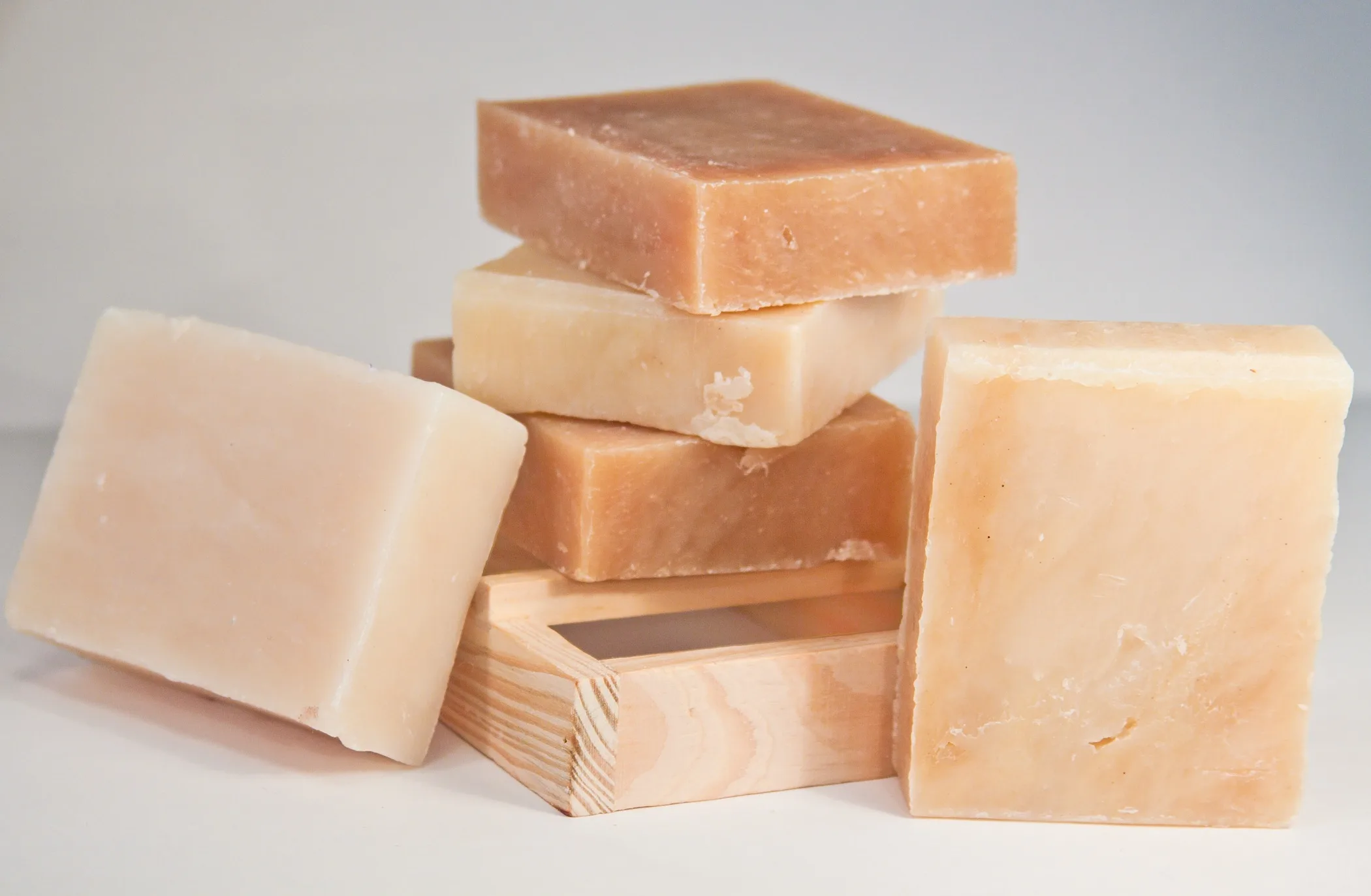
lead_image: /images/stock/skincare-handmade-soap-bars-natural.webp
lead_image_alt: Natural botanical handmade soap bars and gentle cleansing materials in a Japanese bath setting
thumbnail: /images/stock/skincare-handmade-soap-bars-natural.webp
thumbnail_alt: Natural botanical handmade soap bars and gentle cleansing materials in a Japanese bath setting
author: Editorial Team
publish: true
Japanese Konjac Body Sponge: Gentle Exfoliation Guide
In many global bathing cultures, cleansing the body is synonymous with vigorous mechanical scrubbing—using rough plastic loofahs, stiff nylon towels, or abrasive salt scrubs to scour away dead skin. While this aggressive approach produces temporary smoothness, it frequently leaves sensitive skin red, stinging, and stripped of vital epidermal lipids.
In Japan, where bath culture revolves around frictionless respect for the skin barrier (masatsu-resu), natural konjac body sponges (konnyaku suponji) offer a gentle alternative. Originally created by Japanese parents over a century ago to bathe delicate infant skin, konjac sponges cleanse through biochemistry rather than abrasive friction. Understanding how konjac fiber creates a protective water barrier—and mastering critical mold-prevention storage habits—allows individuals with sensitive, eczema-prone skin to enjoy smooth, refreshed body skin every day.
The Botanical Heritage of Konjac: From Baby Care to Body Wellness
To appreciate why konjac sponges feel silky and jelly-soft, one must look at the unique chemistry of the plant:
100% Plant-Derived Fiber: Konjac sponges are crafted from the edible root of the konjac potato (Amorphophallus konjac), a perennial plant long cultivated in Gunma and Hiroshima Prefectures.
The Glucomannan Water Cushion: Dried konjac fiber consists almost entirely of glucomannan, a water-soluble dietary fiber. When soaked in warm water, the network swells to hold many times its weight in water, creating a slippery gelatinous film on the sponge surface.
Zero Direct Fiber Contact: Because the gelatinous water layer completely envelops the vegetable mesh, the fibers never directly scrape against bare skin. You are essentially gliding a thick cushion of mineral-rich water across your body.
The Biochemical Cleansing Mechanism: Mild Alkalinity Without Harsh Surfactants
What makes a Japanese konjac body sponge effective even without heavy chemical cleansers is its natural pH synergy:
1. Weak Alkalinity Cleanses Acidic Sebum
Natural konjac fiber is slightly alkaline. Human sweat, oxidized sebum, and dead surface skin cells are mildly acidic. When the alkaline water film of the sponge meets acidic body impurities, it gently neutralizes and lifts dirt without requiring harsh synthetic foaming agents.
2. Physical De-Puffing of Dead Corneocytes
As the sponge glides over dry patches on shoulders, elbows, and knees, the continuous hydration softens keratin bonds, gently sweeping away loose surface flakes without abrading the living skin beneath.
The delicate lipid matrix of the epidermal stratum corneum experiences progressive natural functional deceleration over time[1], making low-friction botanical bathing far safer for mature, barrier-compromised skin than rough plastic towels.
Scroll horizontally to view more
Feature
Japanese Natural Konjac Sponge
Synthetic Nylon Bath Towel
Material Source
100% biodegradable natural konjac root
Petroleum-derived woven nylon or polyester
Skin Contact Feel
Plump, squishy, jelly-soft water cushion
Rough, scratchy, and abrasive mesh
Cleansing Mode
Biochemical neutralization and gentle lift
High-friction mechanical sanding
Soap Dependency
Functions effectively with or without body soap
Requires heavy foaming soap to create glide
Barrier Safety
Protects epidermal lipids; zero micro-tears
Prone to causing friction melanosis and redness
The Mindful Bath Ritual: How to Use a Konjac Body Sponge
To preserve the delicate plant mesh and maximize cleansing benefits, follow this gentle bathing protocol:
Step 1: Fully Rehydrate in Warm Water
When dry, a konjac sponge is rock-hard and brittle. Never rub a dry or partially hard sponge against your skin. Submerge the sponge in warm bathwater for 3 to 5 minutes until it expands completely into a soft, squishy ball.
Step 2: Lather or Use Pure Water
For Dry, Highly Sensitive Skin: Glide the saturated sponge across your skin using plain warm water alone. The natural alkalinity provides gentle daily cleansing.
For Standard Body Cleansing: Apply a small dollop of gentle body wash to the sponge and gently squeeze between your palms to generate a cloud of dense, micro-fine lather.
Step 3: Gentle Circular Glides
Sweep the sponge across your limbs and torso in slow, circular motions. Do not press into the skin with force; the weight of the water-logged sponge is sufficient to lift impurities.
Step 4: Expel Water Gently (Never Wring)
After showering, rinse the sponge thoroughly under running water until all soap residue is gone. Place the sponge flat between the palms of your open hands and press firmly to expel excess water. Never wring, twist, or squeeze with your knuckles, as twisting tears the delicate internal glucomannan network.
Non-Negotiable Hygiene: Mold Prevention and Replacement Timeline
Because natural konjac fiber is 100% organic vegetable matter, it is completely biodegradable—and highly attractive to household mold spores if left in damp environments:
1. The Humid Bathroom Hazard
Never leave your wet konjac sponge sitting on a shower ledge or hanging inside a warm, steamy bathroom. Trapped bathroom humidity causes dark Aspergillus or Cladosporium mold to colonize the porous interior within days.
2. The Japanese Refrigerator Storage Method (Recommended)
The single most hygienic, mold-free way to store a konjac sponge between uses is in your refrigerator:
After gently pressing out excess water with your palms, place the damp sponge inside a clean, airtight container or clean zipper bag.
Store it on a refrigerator shelf until your next bath.
The cold, low-humidity environment halts mold proliferation completely while keeping the sponge moist and plump.
3. Alternative: Fast-Drying Airy Suspension
If refrigerator storage is inconvenient, hang the sponge by its string in a breezy, sunlit, well-ventilated room outside the bathroom. It will dry into a hard, sterile puck that you simply re-soak before the next shower.
4. Replacement Timeline: 4 to 6 Weeks
Even with pristine care, natural vegetable fibers naturally break down over time. Replace your konjac body sponge every 4 to 6 weeks. Discard the sponge immediately if you notice:
Frayed, disintegrating edges or structural thinning
Loss of its signature bouncy elasticity
Any black, gray, or green spots (mold contamination)
A sour or musty odor
Pairing gentle daily body cleansing with diligent morning broad-spectrum UV protection safeguards newly smoothed skin from photoaging stress[2], preserving overall bodily firmness and comfort.
Signs to Stop and When to Consult a Specialist
While pure konjac is gentle, remain mindful of personal skin boundaries:
Mold Allergy and Rashes: Aggressive scrubbing with abrasive bath towels, mold-contaminated washcloths, and harsh synthetic soaps can trigger acute barrier breakdown and contact dermatitis[3]. If you develop itchy red bumps, hives, or stinging patches after using an older sponge, discard the sponge and consult a physician.
Active Weeping Eczema or Open Wounds: Do not use any sponges or mechanical cleansing over infected skin, weeping eczema flares, or severe sunburns until the skin barrier recovers completely.
Preservative Sensitivities: Budget konjac sponges packaged pre-moistened in plastic bags often contain synthetic chemical preservatives to prevent mold in transit. Choose dry-packed 100% pure konjac sponges to avoid chemical preservative reactions.
If skin redness, burning, or rash persists past 5 days, seek professional evaluation from a board-certified dermatologist.
FAQ
Q1. Can I use a facial konjac sponge on my body?
A. Yes, but body-sized sponges cover broad areas much more efficiently.(Details)
The material is identical, but Japanese body konjac sponges are molded in larger ergonomic shapes (rectangular or large wave shapes) designed to fit comfortably in your palm and cover limbs quickly.
Q2. How can I disinfect my konjac sponge if it smells slightly stale?
A. Soak the sponge in boiling water for 2 minutes to sanitize natural fibers.(Details)
Submerging the rehydrated sponge in boiling water for two minutes neutralizes surface microbes. However, if visible dark mold spots appear, boiling will not remove spores; discard and replace it immediately.
Q3. Can people with severe eczema use a konjac body sponge?
A. Yes, using plain warm water without soap provides frictionless cleansing.(Details)
Because the gelatinous water cushion shields delicate skin, dermatologists in Japan often recommend plain konjac sponges for atopic or dry skin that reacts poorly to conventional surfactants.
Q4. What is the difference between white, black, and green konjac sponges?
A. Colors come from natural botanical additives like bamboo charcoal or green clay.(Details)
White sponges are 100% pure konjac root. Black sponges incorporate fine bamboo charcoal for mild oil absorption, and green sponges blend in green tea extract or French green clay for soothing properties.
Q5. How do I dispose of an old konjac sponge responsibly?
A. Konjac sponges are 100% biodegradable and can be composted in garden soil.(Details)
Because pure konjac is edible vegetable fiber, you can bury your retired sponge in garden compost or potting soil, where it naturally breaks down into organic matter within a few weeks.
Conclusion: Embracing Zero-Friction Plant Softness in Your Bath
The Japanese konjac body sponge proves that effective skin care does not require aggressive abrasion or synthetic scouring pads. By harnessing the remarkable water-trapping power of natural glucomannan fibers, this humble vegetable tool transforms your daily shower into a soothing, barrier-honoring ritual. Store your sponge in the refrigerator, press it gently between open palms, and replace it regularly to enjoy radiant, velvety body skin with every bath.
References
The Japanese Dermatological Association. Sunburn Q&A on Photoaging and Biological Alterations in Aging Skin (Q5). https://www.dermatol.or.jp/qa/qa2/q05.html (Accessed 2026-11-23)
The Japanese Dermatological Association. Dermatological Q&A on Sunscreen Application for Long-Term Prevention (Q25). https://www.dermatol.or.jp/qa/qa3/q25.html (Accessed 2026-11-23)
The Japanese Dermatological Association. Dermatological Q&A on Contact Irritation and Scalp Friction Mechanisms (Q1). https://www.dermatol.or.jp/qa/qa4/q01.html (Accessed 2026-11-23)
Disclaimer: This article is for general information and education about Japanese cosmetics and their labels. It is not a substitute for professional medical advice, diagnosis, or treatment. Skincare results vary from person to person. Product formulas, availability, prices, and regulations change, and products sold in Japan can differ from versions sold elsewhere, so always check the current label. Do a patch test before introducing a new product, and consult a doctor or dermatologist if you have a skin condition or specific concerns.