Japanese Aburatorigami Guide: Stop Sebum Rebound Daily
How Japan WorksBy Seibun Lab Editorial Team
title: Japanese Aburatorigami Guide: Stop Sebum Rebound Daily
slug: japanese-oil-blotting-paper-aburatorigami
category: how-japan-works
category_label: How Japan Works
published_at: '2026-11-23'
updated_at: '2026-11-23'
meta_description: Master Japanese oil blotting paper (aburatorigami). Learn how to prevent sebum rebound hyper-secretion, gentle press technique, and smart midday touch-ups.
description: Master Japanese oil blotting paper (aburatorigami). Learn how to prevent sebum rebound hyper-secretion, gentle press technique, and smart midday touch-ups.
lead_image: /images/stock/uv-compact-powder-touchup-flatlay.webp
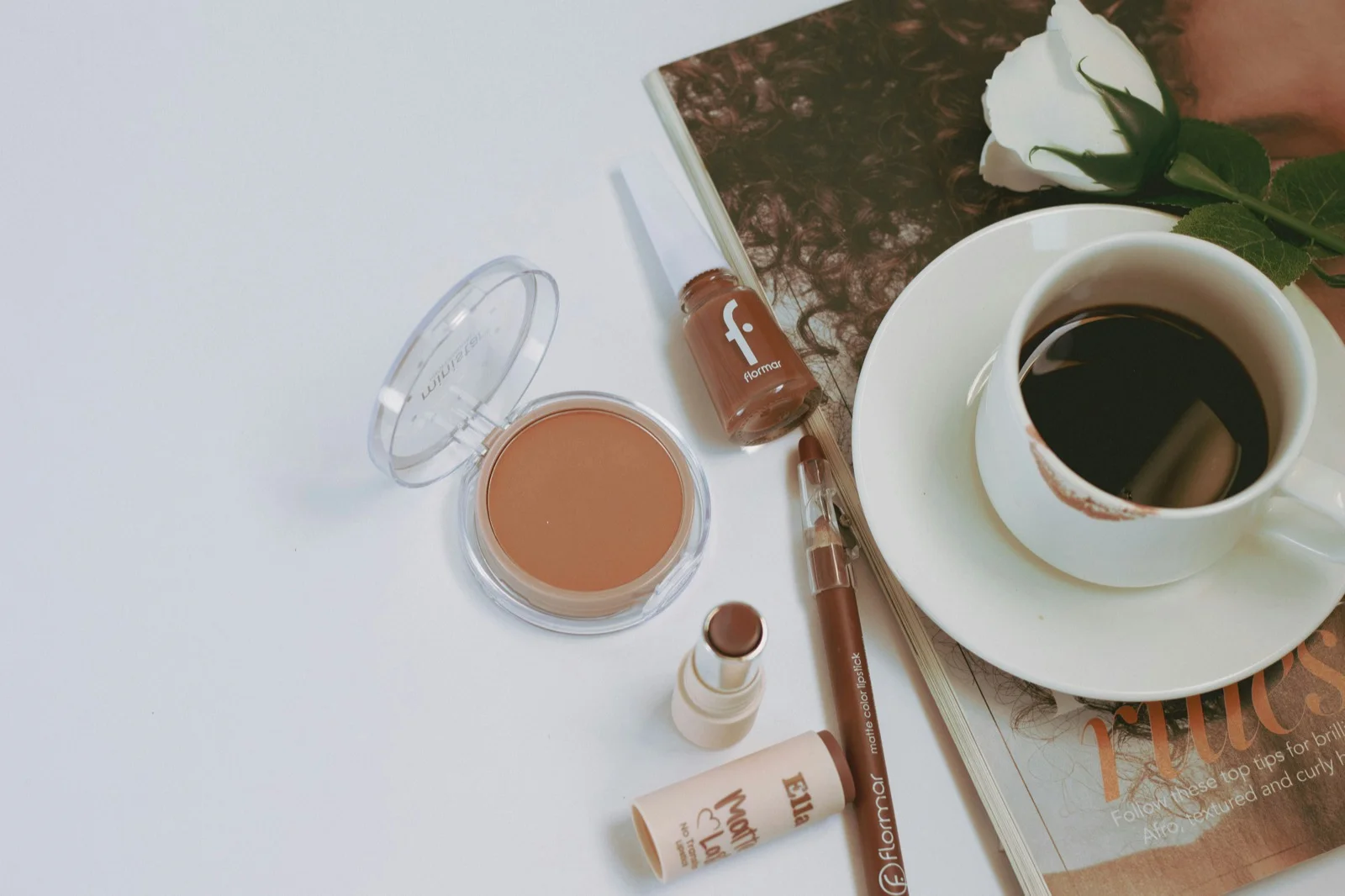
lead_image_alt: Midday Japanese touchup essentials including compact powder and natural blotting sheets
thumbnail: /images/stock/uv-compact-powder-touchup-flatlay.webp
thumbnail_alt: Midday Japanese touchup essentials including compact powder and natural blotting sheets
author: Editorial Team
publish: true
Japanese Aburatorigami Guide: Stop Sebum Rebound Daily
In the bustling mid-afternoon humidity of Tokyo or Osaka, reaching into your purse for a pack of oil blotting paper (aburatorigami) is a reflexive habit. With a single sheet, unwanted shine vanishes, leaving makeup looking fresh, matte, and renewed.
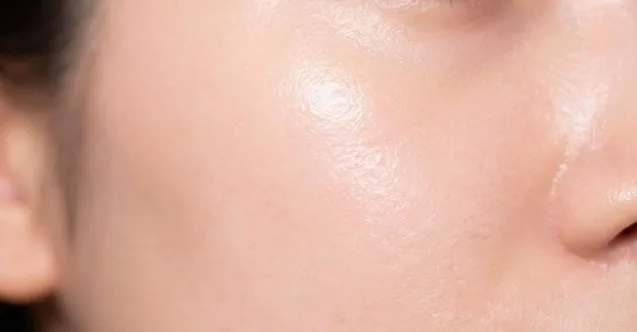
Yet, many daily users find themselves trapped in an exasperating cycle: the more frequently they blot away shine throughout the day, the faster and greasier their skin seems to become. This frustrating phenomenon is driven by biological compensatory sebum rebound. In Japanese dermatological philosophy, sebum is not an enemy to be scoured away, but an essential lipid shield. Understanding the heritage of traditional gold-beater washi paper, practicing gentle static pressing, and avoiding over-blotting allows you to maintain a velvety, shine-free complexion without destabilizing your moisture barrier.
The Kyoto Heritage of Aburatorigami: From Gold Beaters to Geisha Vanity
Long before modern synthetic blotting films appeared in Western drugstores, Japanese artisans had perfected natural oil absorption over three centuries ago:
The Gold Leaf Origin (Haku-uchi-gami): In Kyoto and Kanazawa, gold beaters layered raw gold between sheets of specialized handmade washi paper, pounding them thousands of times with mechanical hammers to produce micro-thin gold leaf. This relentless pounding mashed the hemp and flax fibers, creating a dense micro-capillary structure with astonishing oil-drawing power.
The Geisha Discovery: Traditional Kabuki actors and geisha discovered that discarded gold-beater papers effortlessly blotted oily perspiration without disturbing their heavy, powdered stage makeup (oshiroi).
Breathable Washi vs. Plastic Film: Unlike modern polypropylene blue plastic sheets that aggressively vacuum all surface oils, authentic Japanese washi absorbs oxidized surface shine while leaving essential moisture intact within the stratum corneum.
The Biological Risk of Over-Blotting: Sebum Rebound Hyper-Secretion
The most critical mistake made by oily and combination skin types is using blotting paper five, six, or seven times a day:
1. The Compensatory Feedback Loop
Sebum consists of beneficial lipids—including squalene, wax esters, and triglycerides—that form an acidic film defending skin against environmental pathogens. When you strip this layer repeatedly, the skin's moisture receptors register a critical barrier crisis. The sebaceous glands receive emergency neurological signals to accelerate lipid production, leading to rebound hyper-secretion.
2. The Inner-Dry (In-naa Dorai) Trap
Over-blotting strips surface lipids while doing nothing to replenish underlying water levels. Over time, the skin develops an inner-dry condition: the deep stratum corneum becomes dehydrated, rough, and tight, while the surface overcompensates by pumping out an oily slick.
3. Enlarged Pores and Oxidation
Constantly over-stimulated sebaceous glands expand pore openings, and the excess oil quickly oxidizes upon contact with ambient air, forming stubborn blackheads and localized blemishes.
The delicate lipid matrix of the epidermal stratum corneum experiences progressive natural functional deceleration over time[1], making lipid preservation far more important than aggressive stripping as skin matures.
Scroll horizontally to view more
Feature
Traditional Japanese Washi Paper
Synthetic Blue Plastic Film
Material Base
100% natural beaten hemp/linen fibers
Petroleum-derived polypropylene film
Absorption Profile
Absorbs excess surface oil; preserves moisture
Aggressively vacuums all surface lipids
Skin Rebound Risk
Low when used 1 to 2 times daily
High; easily triggers compensatory oil surges
Makeup Impact
Leaves foundation and powder undisturbed
Can lift pigment and cause patchy base gaps
Skin Sensation
Soft, velvety, and naturally balanced
Tight, chalky, or squeaky dry immediately
The 3 Golden Rules of Proper Aburatorigami Application
To enjoy a clean, matte finish without falling into the rebound trap, follow these three non-negotiable Japanese rules:
Rule 1: Limit Use to 1 or 2 Times Daily
Reserve blotting for genuine midday shine peaks—typically once around 1:00 to 2:00 PM after lunch, and optionally once before evening plans. Never pull out blotting sheets out of boredom or nervous habit.
Rule 2: Static Pressing Only (Zero Rubbing or Wiping)
Never rub, drag, or slide the paper across your face like a napkin. Rubbing causes physical friction that breaks down makeup, shears delicate skin cells, and smears dissolved pigments across pores.
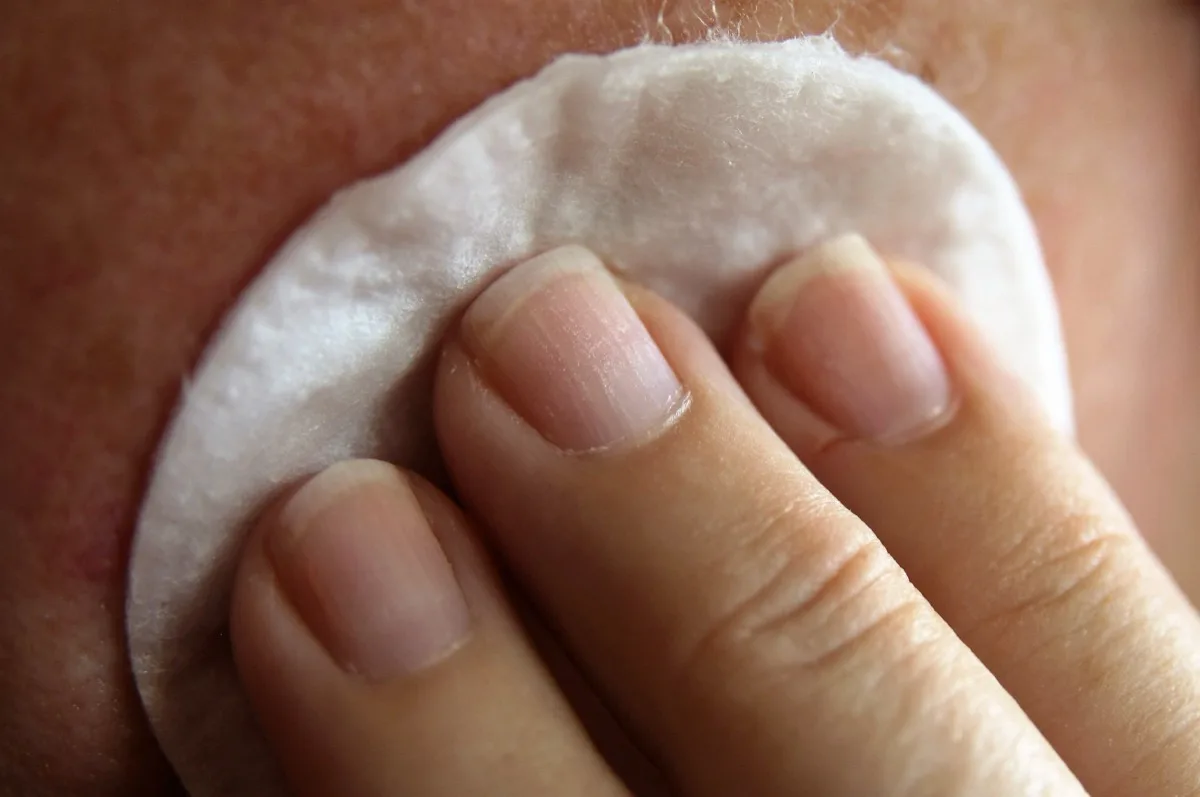
Place the sheet flat against the skin.
Press gently with the soft pads of two or three fingers for 2 to 3 seconds.
Lift the sheet straight off. The transparent oil window confirms absorption.
Rule 3: Target the T-Zone Exclusively
Sebaceous glands are densely concentrated along the central T-zone (forehead, bridge of the nose, and center of the chin). The cheeks and orbital eye contours (the U-zone) naturally produce far less sebum. Never blot dry cheeks, as doing so rapidly accelerates flaking and dehydration lines.
The Smart Midday Refresh Sequence: Blot, Mist, and Powder
Rather than repeatedly blotting with paper throughout the afternoon, Japanese makeup artists recommend this balanced 60-second touch-up routine:
Step 1: Single-Sheet T-Zone Press
Take one sheet of natural washi aburatorigami and press it over the sides of the nose and forehead to absorb oxidized midday shine.
Step 2: The Hydration Palm Press
Hold a bi-phase hydrating mist roughly 25 centimeters away, spray a light cloud upward, and let it settle on your skin. Gently press with clean palms to replenish water levels and prevent compensatory oil surges.
Step 3: Minimalist Mineral Powder Lock
Using a soft puff or fluffy mini brush, lightly dust a sheer mineral translucent setting powder or UV powder across the T-zone. Mineral powders gently absorb subsequent sebum as it appears without stripping skin lipids.
Pairing midday sebum control with diligent morning broad-spectrum UV protection shields vulnerable pores from oxidative environmental damage[2], preventing oxidized lipids from darkening into stubborn blackheads.
Signs to Stop and When to Consult a Specialist
While aburatorigami is safe when used correctly, pay close attention to adverse skin reactions:
Tightness Accompanied by Extreme Shininess: If your skin feels painfully tight and stinging when smiling, yet looks visibly slick and greasy within 30 minutes of blotting, you have developed severe inner-dryness. Stop all blotting paper use for 2 weeks and switch to barrier-nourishing ceramide emulsions.
Flaking Around the Nose and Cheeks: Excessive degreasing, aggressive paper friction, and mineral powder overload can trigger acute barrier disruption and contact irritation[3]. Discontinue blotting and apply soothing petrolatum balm to flaking margins.
Powdered Paper Sensitivities: Some mass-market blotting sheets are coated with synthetic talc or kaolin powder. If you notice tiny red bumps or clogged pores, switch to 100% pure, unpowdered Kyoto washi sheets.
If chronic facial redness, burning, or adult acne breakouts do not subside within 14 days, seek professional consultation from a board-certified dermatologist.
FAQ
Q1. Is it better to use blotting paper or tissue paper to remove shine?
A. Clean facial tissue is a gentle alternative, while washi paper offers superior precision.(Details)
Splitting a 2-ply tissue in half and pressing it gently over the face lifts surface sweat and mild oil without over-stripping. Traditional Japanese washi blotting paper is more compact and absorbs sebum with greater capillary efficiency without lifting powder.
Q2. Does using oil blotting paper cause pores to enlarge?
A. Over-blotting causes rebound sebum that can stretch pore openings.(Details)
Blotting paper itself does not stretch pores. However, blotting excessively strips the lipid barrier, prompting sebaceous glands to overproduce oil. This chronic surge in oil flow can cause pore walls to slacken and appear larger.
Q3. Can I reuse a clean section of a blotting sheet?
A. Yes, but never reuse sheets between separate touch-up sessions.(Details)
During a single touch-up, you can flip or shift the paper to use an unabsorbed corner on your chin. However, always discard the sheet immediately afterward; saving used, sebum-soaked sheets in your purse harbors bacteria.
Q4. What is the difference between brown, gold, and white aburatorigami?
A. Color indicates fiber origin and traditional beating methods.(Details)
Brown or tan sheets are raw, unrefined natural hemp or linen. Golden sheets reflect traditional gold-leaf beating heritage. White sheets are often purified wood pulp or blended with bamboo charcoal for oil control.
Q5. Should I apply powder before or after using blotting paper?
A. Always blot excess surface oil first before dusting on touch-up powder.(Details)
Applying powder directly over pooled surface oil creates a muddy, cakey paste that clogs pores and looks patchy. Blotting away excess shine first allows fresh powder to adhere smoothly and evenly.
Conclusion: Achieving Balanced, Shine-Free Radiance Without Depletion
Japanese aburatorigami is a celebrated testament to the power of thoughtful, low-friction grooming. By unlearning the destructive impulse to wipe away every trace of natural sebum and adopting the mindful rhythm of 1 or 2 static T-zone presses daily, you respect the protective role of your skin's lipid barrier while keeping afternoon shine gracefully in check. Pair traditional washi with light misting and delicate powdering, and enjoy the effortless elegance of balanced, comfortable skin all day long.
References
The Japanese Dermatological Association. Sunburn Q&A on Photoaging and Biological Alterations in Aging Skin (Q5). https://www.dermatol.or.jp/qa/qa2/q05.html (Accessed 2026-11-23)
The Japanese Dermatological Association. Dermatological Q&A on Sunscreen Application for Long-Term Prevention (Q25). https://www.dermatol.or.jp/qa/qa3/q25.html (Accessed 2026-11-23)
The Japanese Dermatological Association. Dermatological Q&A on Contact Irritation and Scalp Friction Mechanisms (Q1). https://www.dermatol.or.jp/qa/qa4/q01.html (Accessed 2026-11-23)
Disclaimer: This article is for general information and education about Japanese cosmetics and their labels. It is not a substitute for professional medical advice, diagnosis, or treatment. Skincare results vary from person to person. Product formulas, availability, prices, and regulations change, and products sold in Japan can differ from versions sold elsewhere, so always check the current label. Do a patch test before introducing a new product, and consult a doctor or dermatologist if you have a skin condition or specific concerns.