Japanese Silicone Mask Cover: Sheet Mask Lock-In Guide
How Japan WorksBy Seibun Lab Editorial Team
title: Japanese Silicone Mask Cover: Sheet Mask Lock-In Guide
slug: japanese-silicone-face-mask-cover-sheet-mask
category: how-japan-works
category_label: How Japan Works
published_at: '2026-11-23'
updated_at: '2026-11-23'
meta_description: Discover how Japanese silicone mask covers enhance sheet masks. Learn anti-evaporation science, ear-loop hands-free wear, bath steaming, and hygiene rules.
description: Discover how Japanese silicone mask covers enhance sheet masks. Learn anti-evaporation science, ear-loop hands-free wear, bath steaming, and hygiene rules.
lead_image: /images/stock/woman-applying-sheet-mask-bathroom.webp
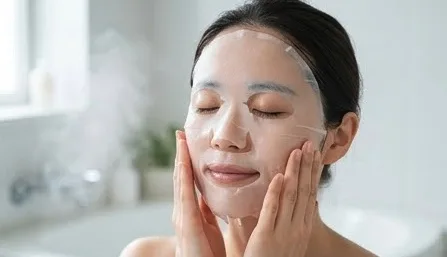
lead_image_alt: Woman adjusting a hydrating Japanese sheet mask in bathroom mirror before overlaying silicone cover
thumbnail: /images/stock/woman-applying-sheet-mask-bathroom.webp
thumbnail_alt: Woman adjusting a hydrating Japanese sheet mask in bathroom mirror before overlaying silicone cover
author: Editorial Team
publish: true
Japanese Silicone Mask Cover: Sheet Mask Lock-In Guide
Sheet masks are a beloved staple of Japanese skincare rituals, delivering concentrated doses of hyaluronic acid, ceramides, and fermented rice extracts directly to parched complexions. However, anyone who has relaxed with a sheet mask in an air-conditioned room or during dry winter months knows the frustrating limitations: within 10 to 15 minutes, the edges dry into stiff paper, the cotton slides down your chin if you sit upright, and valuable essence evaporates into thin air.
In Japan, this common annoyance inspired a cult-classic beauty innovation found in 100-yen convenience shops (like Daiso and Seria) and corner drugstores alike: the 3D silicone face mask cover (shirikon feisu masuku). By overlaying a flexible, washable silicone shield over any wet sheet mask, Japanese consumers transformed an easily evaporated routine into an intensive, hands-free occlusive spa ritual.
The 100-Yen Genius Invention: Why Silicone Mask Covers Went Viral
To understand the enduring popularity of this inexpensive beauty tool, one must examine the physics of conventional sheet masking:
The Reverse Osmosis Hazard: When a fabric sheet mask begins drying out, the moisture gradient reverses. Rather than delivering hydration into your skin, the drying paper fibers begin drawing moisture out of the stratum corneum, leaving the skin tighter and drier than before.
The Evaporation Barrier: Silicone is an inert, non-porous elastomer. Placed over a wet sheet mask, it forms an impermeable seal that halts ambient evaporation completely. Even after 20 minutes, the underlying sheet mask remains as dripping wet as the moment you opened the foil packet.
Hands-Free Ear Loops: Featuring flexible molded ear hooks, the silicone cover physically anchors the wet mask against the contours of your nose, chin, and jawline. You can fold laundry, prepare a meal, or read a book without the sheet peeling or slipping downward.
The Twin Mechanisms: Occlusive Lock-In and Bath Steaming
Japanese beauty enthusiasts utilize silicone mask covers for two distinct skincare objectives:
1. Sheet Mask Occlusion (Serum Lock-In)
When layered over a regular serum-soaked mask, the silicone cover prevents volatile water molecules from escaping into room air. This physical occlusion traps body warmth and gentle vapor pressure against the epidermis, softening stratum corneum cells and facilitating thorough humectant absorption across the entire facial plane.
2. In-Bath Steaming (Steam Masking)
During evening bath time (ofuro), you can wear the silicone mask cover directly over clean, bare skin without any sheet mask underneath. As you soak in the warm tub, hot bathroom steam collects beneath the silicone, acting like a miniature sauna that softens stubborn pore sebum and eases facial muscle tension.
The delicate lipid matrix of the epidermal stratum corneum experiences progressive natural functional deceleration over time[1], making airtight hydration seals exceptionally beneficial for locking in moisture in mature skin.
Scroll horizontally to view more
Factor
Standard Sheet Mask Alone
Sheet Mask + Japanese Silicone Cover
Evaporation Rate
Rapid (edges dry out in 10–12 minutes)
Zero evaporation; remains fully moist
Mobility
Limited; must recline to prevent slipping
Completely hands-free (secure ear loops)
Facial Adhesion
Gaps form around nose bridge and jawline
Snug 3D compression across all facial planes
Environmental Waste
Single-use sheet discarded after wear
Silicone cover is washable and reused indefinitely
Achieving optimal results requires a smooth, comfortable fit without excessive tension on the ears:
Step 1: Smooth the Underlying Sheet Mask
After cleansing and toning, unfold your favorite Japanese sheet mask and press it evenly onto your face. Smooth out all major air bubbles, particularly along the sides of the nose and upper lip.
Step 2: Overlay the Silicone Cover
Hold the silicone cover by the outer edges and align the eye, nose, and mouth cutouts directly over your facial features. Gently smooth the silicone outward from the center of your face toward your temples.
Step 3: Hook the Ear Loops (Customizing the Fit)
Stretch the silicone ear loops gently over your ears.
Fit Adjustment Tip: If the ear loops pull uncomfortably tight or cause your ears to fold forward, examine the ear loops closely. Japanese silicone masks feature pre-molded trim lines on the outer loop edges. Use clean household scissors to snip along these lines, enlarging the ear hole for a custom, relaxed fit.
Step 4: Relax for 15 to 20 Minutes
Wear the combined mask for 15 to 20 minutes. Even though the mask will remain wet, avoid wearing it beyond 20 minutes to prevent cutaneous over-hydration (maceration). Remove the cover, peel off the sheet mask, and pat remaining essence gently into your skin.
Cleaning, Disinfection, and Material Care
Because high-grade silicone is non-porous and naturally resistant to mold, maintaining your mask cover is effortless:
1. Wash Immediately After Every Session
Rinse the cover thoroughly under warm running tap water immediately after removal. Use a small drop of mild, fragrance-free dish soap or foaming hand soap to wash away residual serum lipids and facial oils.
2. Air-Dry in a Shaded, Ventilated Space
Pat the mask dry with a clean cotton towel and hang it by an ear loop or lay it flat on a drying rack. Never place silicone in direct sunlight or near hot radiators, as prolonged UV and heat exposure can degrade the polymer elasticity and cause yellowing.
3. Periodic Sanitization
Once a month, wipe the silicone surface with an alcohol-soaked cotton pad or rinse briefly with boiling water (silicone is heat-resistant up to 200°C) to ensure comprehensive hygienic cleanliness.
Pairing deep evening sheet mask hydration with diligent morning broad-spectrum UV protection safeguards newly plumped epidermal layers from sun-induced dehydration[2], maintaining a resilient, radiant complexion.
Signs to Stop and When to Consult a Specialist
While silicone is biologically inert and widely tolerated, mind these practical dermatological boundaries:
Heat Rash and Folliculitis: Excessive occlusive moisture trapping, prolonged sweat accumulation, and tight ear-loop friction can trigger acute folliculitis and contact dermatitis[3]. If you experience itchy red bumps (miliaria or prickly heat) after masking, reduce wearing time to 10 minutes and avoid wearing silicone covers in hot baths.
Ear Cartilage Soreness or Tension Headaches: If the ear straps pull your ears forward and cause throbbing temple soreness, trim the adjustment lines immediately or switch to a two-piece adjustable silicone mask.
Active Inflamed Acne: Avoid using heavy occlusive silicone covers over active, weeping acne lesions, as sealing in moisture and facial heat creates an anaerobic haven for bacteria.
If persistent facial redness, pustules, or itching lasts past 4 days, seek consultation from a board-certified dermatologist.
FAQ
Q1. Can I use a silicone mask cover without a sheet mask underneath?
A. Yes, wearing it alone in the bath creates a gentle steaming effect.(Details)
In Japan, wearing the bare silicone mask in a hot bathtub traps rising steam, opening pores and softening dead surface corneocytes before your regular cleansing or sheet mask routine.
Q2. How long does a Japanese silicone mask cover last?
A. With proper washing and drying, a single cover lasts for several years.(Details)
High-quality cosmetic silicone is tear-resistant and non-degradable under normal room temperatures. Replace the mask only if the ear loops stretch out or tear from rough handling.
Q3. Does the silicone cover make sheet masks work more effectively?
A. Yes, preventing evaporation significantly boosts epidermal humectant absorption.(Details)
By locking in moisture and preventing evaporation, the silicone shield forces watery essences to stay in continuous contact with the stratum corneum, maximizing the skin-plumping benefits of every sheet mask.
Q4. What should I do if the silicone mask smells like plastic when opened?
A. Wash it with mild soap and soak in warm water before initial use.(Details)
Inexpensive silicone items can harbor a faint harmless manufacturing scent when first unsealed from plastic wrappers. Soaking the mask in warm, soapy water for 15 minutes and air-drying removes the odor completely.
Q5. Can I sleep with a silicone mask cover on?
A. No, overnight wear can cause severe skin maceration and barrier breakdown.(Details)
Leaving an impermeable occlusive sheet over facial skin for several hours traps sweat and carbon dioxide, leading to tissue maceration, clogged pores, and acute contact dermatitis. Always remove after 20 minutes.
Conclusion: Maximizing Sheet Mask Efficiency on an Everyday Budget
The Japanese silicone mask cover is a shining example of how a simple, budget-friendly beauty tool can dramatically upgrade your existing skincare arsenal. By solving the age-old problem of sheet mask evaporation, this reusable silicone shield ensures that every drop of precious essence is absorbed by your skin rather than lost to the room air. With comfortable ear customization and mindful cleaning habits, you can turn ordinary weekly sheet masking into an indulgent, high-performance ritual of radiant hydration.
References
The Japanese Dermatological Association. Sunburn Q&A on Photoaging and Biological Alterations in Aging Skin (Q5). https://www.dermatol.or.jp/qa/qa2/q05.html (Accessed 2026-11-23)
The Japanese Dermatological Association. Dermatological Q&A on Sunscreen Application for Long-Term Prevention (Q25). https://www.dermatol.or.jp/qa/qa3/q25.html (Accessed 2026-11-23)
The Japanese Dermatological Association. Dermatological Q&A on Contact Irritation and Scalp Friction Mechanisms (Q1). https://www.dermatol.or.jp/qa/qa4/q01.html (Accessed 2026-11-23)
Disclaimer: This article is for general information and education about Japanese cosmetics and their labels. It is not a substitute for professional medical advice, diagnosis, or treatment. Skincare results vary from person to person. Product formulas, availability, prices, and regulations change, and products sold in Japan can differ from versions sold elsewhere, so always check the current label. Do a patch test before introducing a new product, and consult a doctor or dermatologist if you have a skin condition or specific concerns.