What Is Mochi Skin in Japanese Beauty? The Definitive Guide
How Japan WorksBy Miho Tanaka
Over the past decade, global beauty trends have celebrated various idealized skin textures, from "dewy" radiance to the mirror-like reflections of "glass skin." In Japan, however, the benchmark for exceptional skin has remained constant for generations: mochi-hada (mochi skin).
Named after the beloved traditional Japanese rice cake, mochi skin represents the harmony of deep inner moisture and a soft, touchable surface. Understanding what mochi skin is—and the precise physiological steps required to cultivate it—helps you achieve a plump, resilient complexion without relying on heavy face oils or reflective makeup tricks.
Quick answer: In Japanese beauty (J-Beauty), mochi skin (mochi-hada) refers to a complexion that looks and feels like a freshly made Japanese rice cake—plump, supple, deeply hydrated, and springy, with a soft velvety satin finish. Unlike the glassy, reflective high-shine finish popularized by Korean glass skin trends, mochi skin prioritizes inner stratum corneum hydration and delicate barrier nourishment with zero greasy surface glare.
The Meaning and Cultural Roots of Mochi Skin
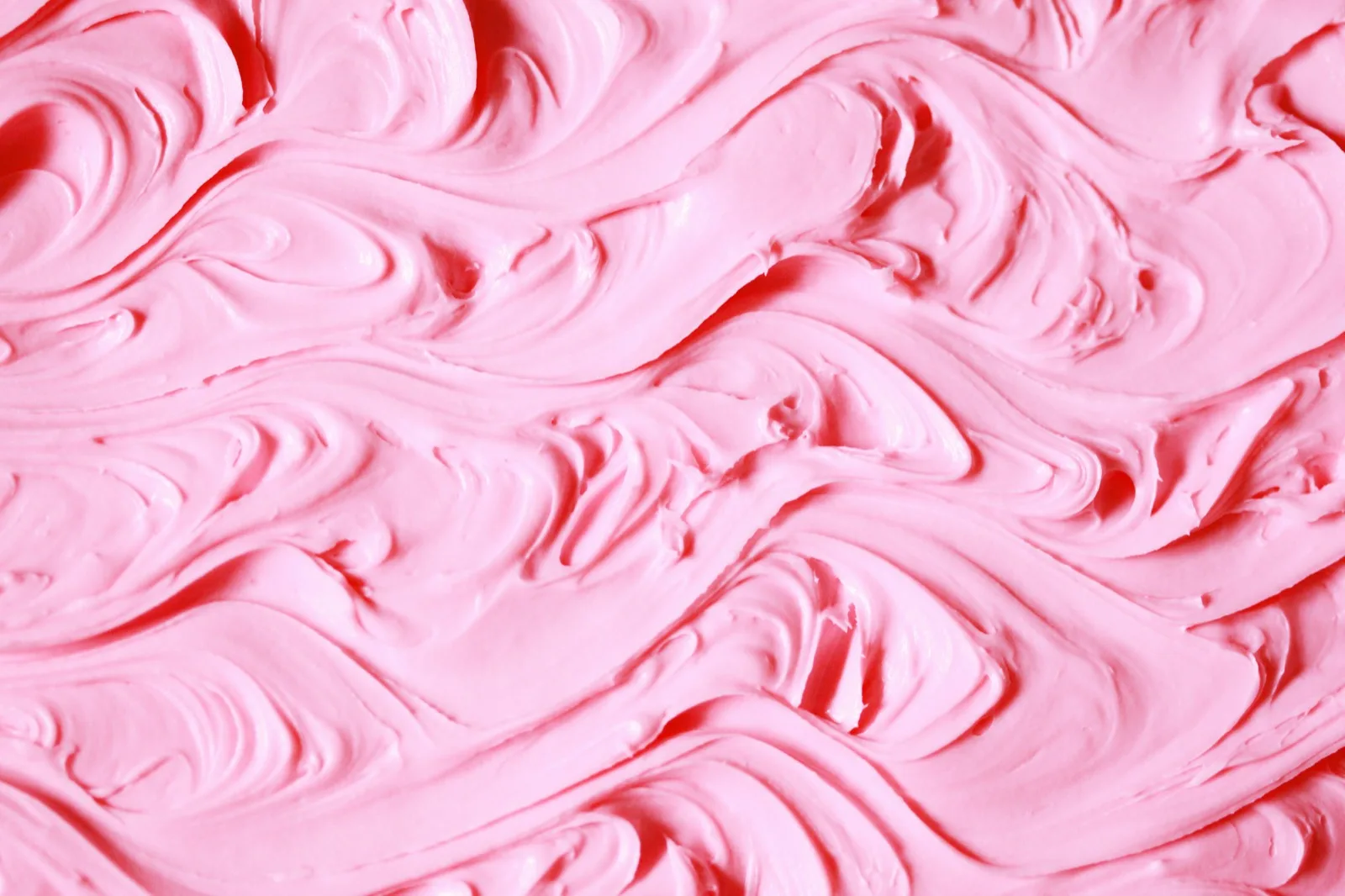
To understand mochi skin, consider the physical qualities of freshly pounded rice dough (mochi). Fresh mochi is firm yet yielding, completely free of rough dryness, and springs back immediately when pressed with a fingertip. Crucially, its surface is dusted with a fine layer of starch, giving it a soft, smooth, non-sticky feel rather than a wet or glossy shine.
Translated to skincare, mochi skin embodies three defining tactile and visual traits:
Pillowy Fullness: The outer stratum corneum is thoroughly saturated with water-binding humectants, giving the face a plump, well-rested appearance.
Elastic Bounce: The skin possesses youthful elasticity, springing back smoothly without creasing or sagging.
Velvety Satin Finish: The skin surface is smooth, clean, and semi-matte. It radiates a quiet, healthy glow from within rather than an oily, shiny surface film.
In Japanese culture, this aesthetic reflects the value placed on understated elegance (shibui). Rather than drawing attention through intense artificial highlights, mochi skin conveys calm health, meticulous hygiene, and long-term barrier care.
Mochi Skin vs Glass Skin: Understanding the Difference
While both Japanese mochi skin and Korean glass skin celebrate exceptional skin health, their aesthetic ideals and formulation choices diverge significantly.
Multi-layer hydration with repeated toner coats and dewy serums
Surface Oiliness
Zero greasy residue; absorbs cleanly into the skin
Noticeable dewy moisture layer remaining on the skin surface
Cultural Value
Understated natural wellness and barrier resilience
High-impact radiance and luminous glass-like clarity
Where glass skin aims for an almost translucent, wet-look reflection, mochi skin aims for tactile suppleness. For a comprehensive look at how Japanese and Korean skincare philosophies differ, see our in-depth analysis on J-Beauty vs K-Beauty differences.
The Science Behind Mochi Skin: Hydration and Lipids
Achieving mochi skin requires understanding epidermal physiology. The plump, bounce-back sensation of mochi skin cannot be produced by slathering oil onto dry skin, nor can it be achieved with water alone.
Why Water and Lipids Must Work in Tandem
The outer layer of your skin, the stratum corneum, consists of skin cells (corneocytes) surrounded by intercellular lipids composed primarily of ceramides, cholesterol, and fatty acids.
If you apply only water or watery toners, the water rapidly evaporates into dry ambient air, leaving the skin tighter than before.
If you apply only heavy oils or occlusives over dehydrated skin, the surface looks temporarily shiny, but the underlying cells remain shriveled and flat.
Mochi skin requires a balanced two-step process: saturating the corneocytes with humectants, and immediately locking that water in place with a breathable lipid shield.
Curél (Kao Corporation) highlights this scientific balance on its facial milk formulation documentation, stating: "This lightweight, milky formula helps to replenish the skin’s ceramide reservoir, strengthen its natural moisture barrier, and deeply hydrate your skin to reveal a soft, radiant complexion."[2]
When skin requires richer barrier care in drier weather, following with a cream creates the velvety resilience characteristic of mochi skin. Curél describes its Intensive Moisture Facial Cream as a complementary sealing step: "As the second step in Curél’s Japanese double moisturising routine, this rich yet light-as-air texture locks in moisture to leave skin feeling soft, supple and with a radiant glow."[1]
How to Achieve Mochi Skin: Essential Routine Steps
Cultivating mochi skin does not require a complex multi-stage ritual. It requires applying the right textures in the proper progression.
1. Low-Friction Cleansing
Aggressive scrubbing disrupts intercellular ceramides and creates surface roughness that prevents skin from feeling cushion-soft.
Curél emphasizes this foundational approach: "Japanese skincare is rooted in two-step cleansing and moisturizing rituals that work gently to prepare skin for hydration, while preserving its natural ceramides."[2] Work your cleanser into an airy lather in your hands, press the foam gently against your face, and rinse with lukewarm water.
2. Deep Stratum Corneum Hydration (Keshosui)
Immediately after cleansing, flood your skin with a generous amount of watery hydrating lotion (keshosui). Patting the liquid into your skin with warm palms infuses the outer cells with water-soluble humectants like hyaluronic acid and glycerin. To learn why Japanese watery lotions differ from Western astringents, explore our guide to Japanese lotion vs Western toner.
3. Locking Moisture with an Emulsion or Cream
Once the watery lotion has settled, immediately apply a milky emulsion (nyuueki) or cream. Emulsions provide lightweight lipids that restore oil-water balance without surface stickiness.
If your skin leans dry or you are exposed to dry indoor heating, layering a richer cream ensures full occlusion. The American Academy of Dermatology (AAD) notes that: "Ointments and creams add more moisture to skin and are more effective than lotions."[4] To decide whether a fluid milk or richer cream suits your skin type, see our breakdown of Japanese emulsion vs moisturizer.
4. Consistent Daily UV Protection
Ultraviolet radiation degrades collagen and elastin fibers in the dermis, compromising the springy bounce essential to mochi skin.
Rohto Hada Labo Tokyo summarizes this critical layering principle, instructing users to arrange products by "starting with the lightest weight product."[3] The brand emphasizes: "Always end with applying a sunscreen lotion to protect the skin from premature aging and help prevent skin cancer."[3]
For targeted benefits such as preventing dark spots or rough texture, many Japanese consumers incorporate medicated quasi-drugs (yakuyou). The Pharmaceuticals and Medical Devices Agency (PMDA) explains that: "products contain active ingredients are generally classified as quasi-drugs in Japan"[5].
Signs to Stop and When to See a Doctor
While working toward mochi skin, pay close attention to your skin's biological signals to avoid over-nourishing or clogging pores:
Mochi plumpness vs allergic swelling: True mochi skin feels comfortable, soft, and flexible. If your skin feels tight, warm, itchy, or puffy, you may be experiencing an allergic reaction or contact dermatitis rather than healthy hydration.
Signs of over-moisturizing: If small white bumps (milia) form around the eyes, your pores look congested, or your daytime sunscreen pills when applied, your moisturizer may be overly occlusive for your climate. Switch to a lighter milky emulsion.
Medical consultation guidance: If persistent redness, stinging, contact hives, or burning occurs after introducing any new product, discontinue use immediately. Consult a board-certified dermatologist or healthcare provider if irritation fails to subside after several days.
Safe patch testing protocol: When introducing any new Japanese lotion, emulsion, or cream, test a pea-sized amount on your jawline or inner forearm for 48 hours to confirm tolerability.
Summary
The mochi skin ideal: Mochi skin (mochi-hada) describes a complexion inspired by fresh Japanese rice cakes—plump, elastic, deeply hydrated, and soft, with a clean velvety satin finish.
Mochi skin vs glass skin: While glass skin seeks a high-shine reflective sheen, mochi skin prioritizes inner moisture, cushion-like bounce, and zero greasy residue.
Dual-phase hydration: Plumpness requires both deep watery humectants (keshosui) and sealing lipids (nyuueki or cream) working together to maintain the stratum corneum barrier.
Gentle daily habits: Non-stripping cleansing, friction-free patting, and mandatory year-round sun protection protect natural ceramides and sustain lifelong skin elasticity.
FAQ
Q1. Can oily skin achieve mochi skin without looking greasy?
A. Yes, mochi skin is inherently non-greasy and well-suited for oily complexions.(Details)
Because mochi skin emphasizes a velvety semi-matte surface rather than a wet or shiny glaze, oily skin types can achieve it easily. Focus on layering lightweight humectant-rich lotions followed by a light, oil-balanced emulsion (*sappari* formula) that seals in water without contributing to excess surface sebum.
Q2. Is mochi skin achievable without makeup?
A. Yes, mochi skin is fundamentally a bare-skin skincare achievement rather than a cosmetic illusion.(Details)
Unlike cosmetic trends that rely on liquid highlighters, pearlescent primers, or strobing creams, mochi skin is cultivated entirely through consistent barrier care, deep hydration, and gentle handling. When properly hydrated and protected, bare skin naturally exhibits the pillowy softness and subtle satin radiance of mochi.
Q3. How is mochi skin different from dewy skin?
A. Dewy skin features visible wet-look surface shine, while mochi skin features a soft, velvety satin finish.(Details)
Dewy skin relies on facial oils, moisture mists, or gloss-inducing balms that reflect light directly off the skin surface. Mochi skin, in contrast, absorbs all products completely into the stratum corneum, creating a cushion-soft, supple touch with a soft-focus satin appearance that feels dry to the touch without being dehydrated.
Q4. What ingredients help create mochi skin?
A. Multi-molecular [hyaluronic acid](/en/ingredients/multi-molecular-hyaluronic-acid-japanese-lotion), ceramides, glycerin, and squalane form the cornerstone of mochi skin.(Details)
Humectants such as hyaluronic acid, glycerin, and amino acids flood the corneocytes with water to create plumpness. Biomimetic ceramides, squalane, and cholesterol replenish intercellular lipids to lock that water into place, giving the epidermis its characteristic springy resilience.
Q5. How long does it take to see mochi skin texture?
A. Surface softness and hydration improve within days, while elasticity compounds over full skin turnover cycles.(Details)
With consistent double moisturizing, immediate surface plumping and reduced tightness can be felt after a single routine. Sustained, springy bounce and improved barrier resilience become noticeably established across a 28 to 40 day cellular renewal cycle, particularly when paired with daily sun defense.
Disclaimer: This article is for general information and education about Japanese cosmetics and their labels. It is not a substitute for professional medical advice, diagnosis, or treatment. Skincare results vary from person to person. Product formulas, availability, prices, and regulations change, and products sold in Japan can differ from versions sold elsewhere, so always check the current label. Do a patch test before introducing a new product, and consult a doctor or dermatologist if you have a skin condition or specific concerns.