Japanese Body Milk vs Body Lotion: Lightweight Guide
HydrationBy Seibun Lab Editorial Team
title: Japanese Body Milk vs Body Lotion: Lightweight Guide
slug: japanese-body-milk-vs-body-lotion-lightweight
category: hydration
category_label: Hydration
published_at: '2026-11-23'
updated_at: '2026-11-23'
meta_description: Compare Japanese body milk and body lotion textures. Learn water-to-oil ratios, quick absorption, zero stickiness, and seasonal body hydration tips.
description: Compare Japanese body milk and body lotion textures. Learn water-to-oil ratios, quick absorption, zero stickiness, and seasonal body hydration tips.
lead_image: /images/stock/forearm-three-cream-swatches-patch-test.webp
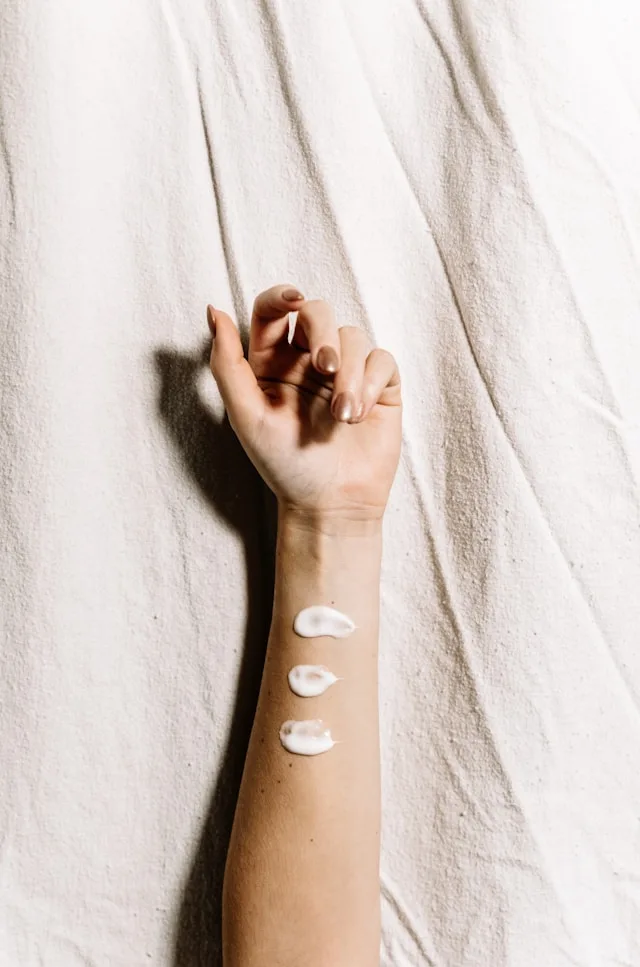
lead_image_alt: Comparison swatches of Japanese lightweight body milk and watery body lotion on skin
thumbnail: /images/stock/forearm-three-cream-swatches-patch-test.webp
thumbnail_alt: Comparison swatches of Japanese lightweight body milk and watery body lotion on skin
author: Editorial Team
publish: true
Japanese Body Milk vs Body Lotion: Lightweight Guide
Navigating Japanese body care aisles can easily surprise international shoppers. In Western cosmetics, the word "body lotion" almost universally refers to a pumpable, creamy white emulsion designed to moisturize limbs. However, step into a Tokyo drugstore or lifestyle boutique, and you will discover distinct shelves labeled separately as body lotion (bodi roshon) and body milk (bodi miruku).
In Japanese formulation terminology, these two product categories serve fundamentally different functions within a body care ritual. Understanding how Japanese cosmetic formulators balance water-to-oil ratios, humectants, and fast-absorbing emollients allows you to choose the exact hydration weight your skin requires without dealing with unwanted residue or greasiness.
The Japanese Body Hydration Spectrum: Clarifying Nomenclature
To choose effectively, it is essential to translate Japanese cosmetic classifications:
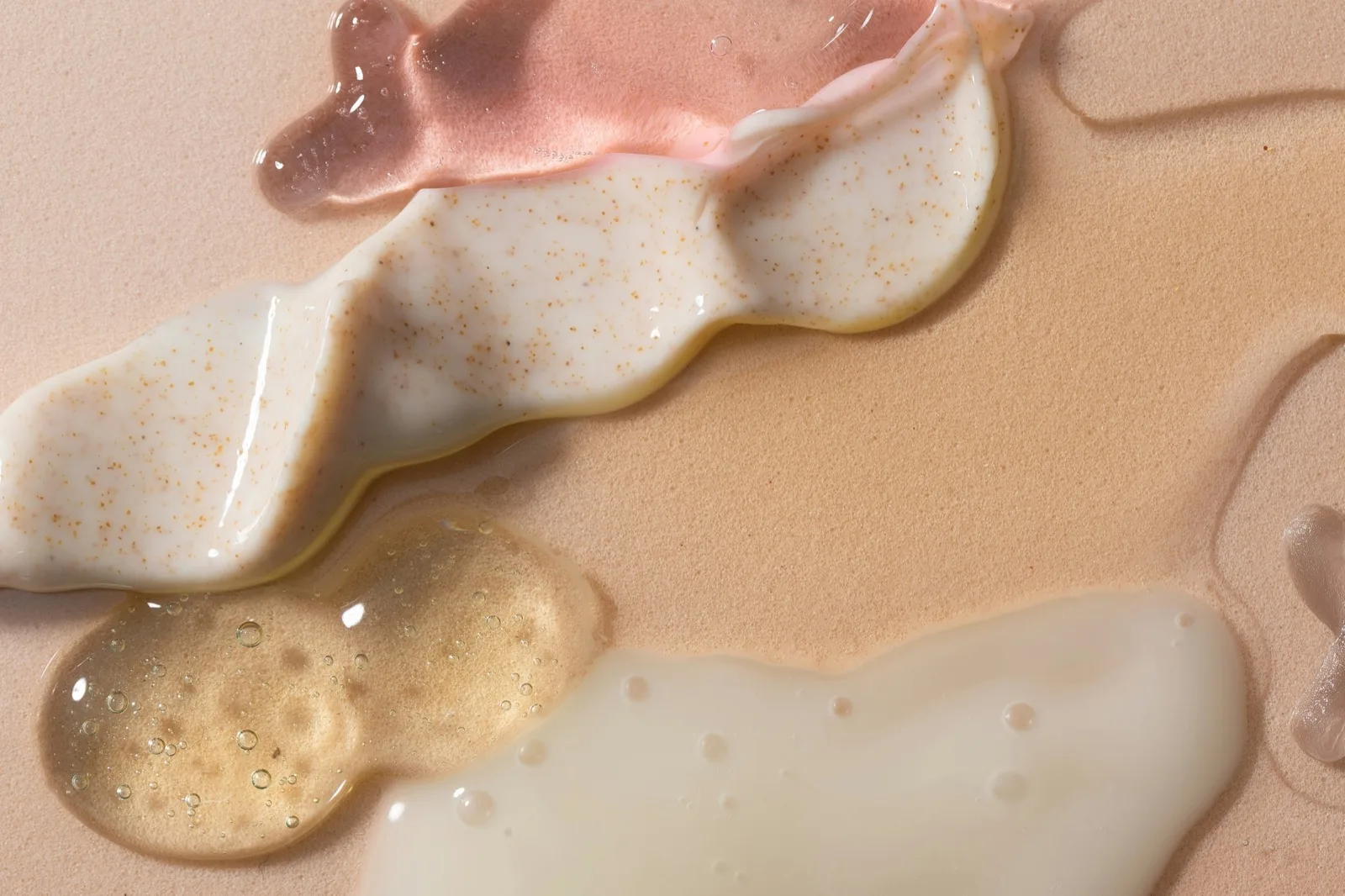
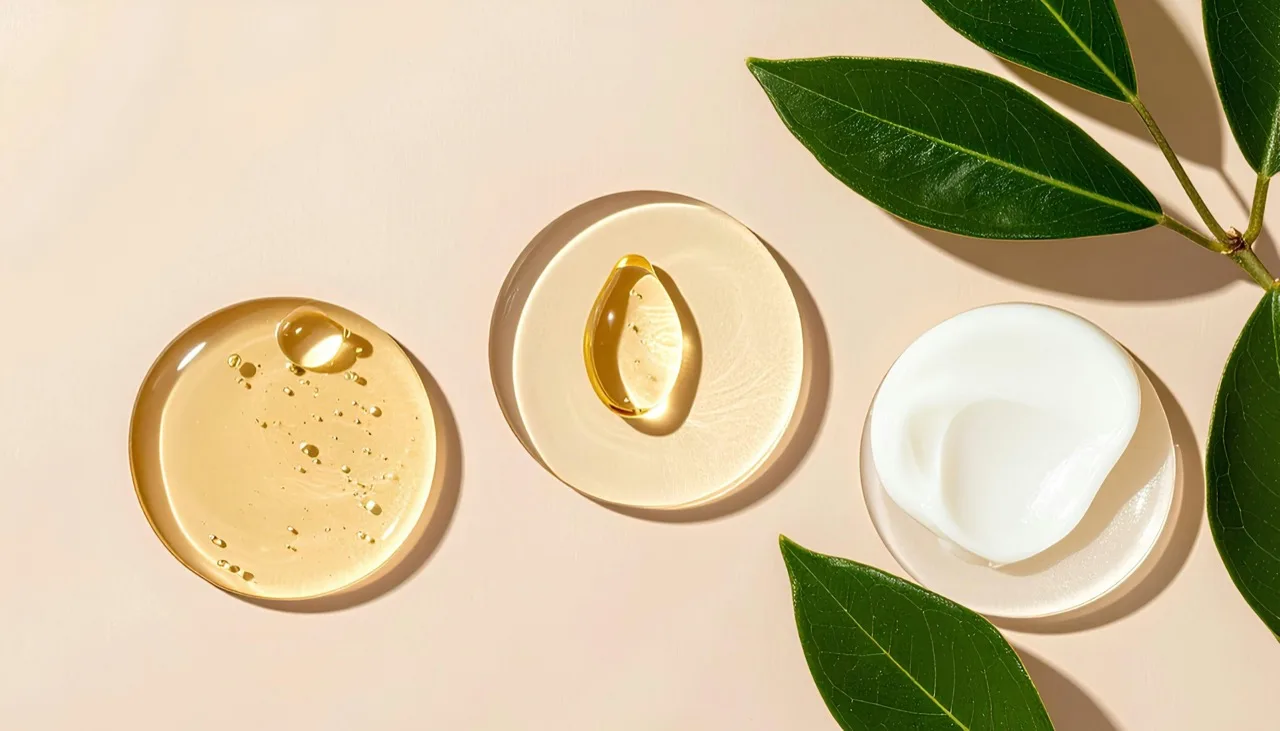
Japanese Body Lotion (Bodi Roshon): Mirrors the watery philosophy of facial keshou-sui. These formulas are ultra-light liquids, fine mists, or fluid water-gels that flood thirsty outer skin layers with moisture. Containing minimal or zero occlusive oils, they absorb within seconds, leaving zero tackiness.
Japanese Body Milk (Bodi Miruku): Corresponds to facial emulsions (nyueki). Body milks blend purified water with lightweight emollient lipids (such as squalane, light botanical oils, or gentle esters). They provide a smooth, milky fluid slip that cushions the skin and seals in hydration without the thick, suffocating weight of heavy body butters.
While body lotion prioritizes pure, refreshing hydration, body milk delivers balanced protection by combining water-binding humectants with a delicate lipid shield.
Formula Architecture: Water-to-Oil Ratios and Absorption Kinetics
The physiological difference between Japanese body milk and body lotion centers on lipid distribution. The delicate lipid matrix of the epidermal stratum corneum experiences progressive natural functional deceleration over time[1], and bodily areas such as shins, elbows, and forearms produce far fewer sebaceous lipids than the face:
Japanese Body Lotion: High-Water, Low-Oil Hydration
Body lotions rely heavily on water-soluble humectants—including glycerin, dipropylene glycol (DPG), hyaluronic acid, and botanical waters:
Instant Quenching: Watery molecules disperse rapidly across expansive surface areas like the back, chest, and arms.
Immediate Dry-Down: Because there is virtually no heavy wax or mineral butter, clothing can be slipped on immediately after towel-drying without fabric clinging or transfer.
Cooling Comfort: Many Japanese summer lotions incorporate gentle cooling herbs or aloe extract, providing immediate relief from humid sticky heat.
Japanese Body Milk: Oil-in-Water (O/W) Emulsion
Body milks utilize advanced emulsification technology to suspend fine micro-droplets of oil inside a refreshing water matrix:
Biphasic Conditioning: Upon skin contact, the outer water phase breaks first, delivering deep hydration, while the inner lipid phase gently blankets the stratum corneum with protective smoothness.
Long-Lasting Suppleness: Formulated with skin-identical ceramides, plant squalane, or jojoba, body milks prevent transepidermal water loss (TEWL) throughout dry indoor heating cycles.
Weightless Cushion: Unlike dense petrolatum ointments, body milk maintains an airy, spreadable fluidity that glides effortlessly over broad limbs.
Comparison Table: Japanese Body Milk vs Japanese Body Lotion
To help match the right formula to your daily routine, consider this comparative breakdown:
Selecting between body milk and body lotion in Japan often revolves around the seasonal calendar (kisetsukan):
1. The Humid Summer Approach: Body Lotion
During muggy July and August days in Japan, ambient humidity is high, yet air conditioning saps moisture from exposed limbs:
Spritz or smooth a watery body lotion across the torso, neck, and arms straight after your evening shower.
It cools skin down, counters sweat evaporation dryness, and allows pajamas to glide on comfortably without sticking.
2. The Chilly Winter Approach: Body Milk
From November through March, cold outdoor winds and dry indoor heaters strip skin lipids, leaving shins looking chalky and itchy:
Warm a generous pump of body milk between your hands and massage upward from ankles to thighs while skin remains slightly damp from the bath.
The emollient lipid veil locks in moisture until morning.
Pairing daily body hydration with broad-spectrum UV protection creates a resilient defense against sun-induced dryness[2], maintaining smooth, supple body skin throughout changing seasonal cycles.
Signs to Stop and When to Consult a Specialist
While Japanese body formulations are celebrated for their gentle tolerability, paying attention to skin feedback ensures healthy barrier function:
Persistent Stinging or Flaking: If an alcohol-infused cooling body lotion provokes burning or increases surface tightness, switch to an alcohol-free hydrating milk.
Follicular Bumps: If heavy emollient milks exacerbate body breakouts across the upper back or chest, substitute with an oil-free clarifying lotion.
Fragrance Sensitivities: Unrefined fragrance compounds or concentrated botanicals in body emulsions may trigger contact irritation in individuals with compromised barrier integrity[3]. Perform a small patch test on the inner elbow before full body use.
If itching, persistent hives, or eczema-like scaling continues for more than 48 hours, seek advice from a certified dermatologist.
FAQ
Q1. Can I put on clothing immediately after applying Japanese body milk?
A. Yes, Japanese body milks are engineered for quick absorption within 1 to 2 minutes.(Details)
Unlike Western body butters that leave a greasy film, Japanese body milks prioritize high water content and lightweight esters. They sink into skin rapidly, allowing you to dress almost immediately without leaving oil stains on clothing.
Q2. Is body lotion alone hydrating enough during cold winter months?
A. Usually not for very dry limbs; low-oil lotions lack sufficient lipids to prevent winter evaporation.(Details)
While watery body lotions supply needed water, dry winter air pulls moisture back out if no occlusive lipids are present. In freezing weather, pairing lotion with body milk or choosing body milk directly provides essential barrier sealing.
Q3. Can I layer Japanese body lotion and body milk together?
A. Yes, this two-step layering mirrors the classic Japanese double-moisturizing facial method.(Details)
For severely parched areas like shins and elbows, applying a splash of watery body lotion first to saturate the keratin layer, followed by a gentle seal of body milk, delivers exceptional plumpness and long-lasting softness.
Q4. Can I use Japanese body milk on my face?
A. It is generally safer to use dedicated facial emulsions formulated for delicate facial pores.(Details)
While gentle body milks will not harm body skin, facial skin has significantly higher pore density and greater reactivity. Specialized facial emulsions undergo distinct comedogenic testing and texture optimization for facial zones.
Q5. Which texture is better for bumpy skin or strawberry legs?
A. Lightweight body milk formulated with mild urea or ceramides is ideal for softening follicular roughness.(Details)
Bumpy skin often results from a buildup of dry keratin plugs around hair follicles. A hydrating body milk containing mild urea softens keratin without heavy pore-clogging oils, promoting a smoother leg surface.
Conclusion: Finding Your Ideal Lightweight Daily Comfort
The distinct separation between Japanese body milk and body lotion reflects the thoughtful nuance of Japanese cosmetic engineering. Rather than forcing a one-size-fits-all heavy cream upon diverse body climates, J-beauty empowers you to tailor hydration weights precisely: refreshing, water-rich body lotions for humid summer ease, and silky, protective body milks for smooth, supple nourishment. By aligning formula architecture with your daily lifestyle, you can enjoy petal-soft, beautifully balanced skin all year long.
References
The Japanese Dermatological Association. Sunburn Q&A on Photoaging and Biological Alterations in Aging Skin (Q5). https://www.dermatol.or.jp/qa/qa2/q05.html (Accessed 2026-11-23)
The Japanese Dermatological Association. Dermatological Q&A on Sunscreen Application for Long-Term Prevention (Q25). https://www.dermatol.or.jp/qa/qa3/q25.html (Accessed 2026-11-23)
The Japanese Dermatological Association. Dermatological Q&A on Contact Irritation and Scalp Friction Mechanisms (Q1). https://www.dermatol.or.jp/qa/qa4/q01.html (Accessed 2026-11-23)
Disclaimer: This article is for general information and education about Japanese cosmetics and their labels. It is not a substitute for professional medical advice, diagnosis, or treatment. Skincare results vary from person to person. Product formulas, availability, prices, and regulations change, and products sold in Japan can differ from versions sold elsewhere, so always check the current label. Do a patch test before introducing a new product, and consult a doctor or dermatologist if you have a skin condition or specific concerns.