Japanese Facial Mist Guide: Stop Rebound Dryness Daily
HydrationBy Seibun Lab Editorial Team
title: Japanese Facial Mist Guide: Stop Rebound Dryness Daily
slug: japanese-facial-mist-spray-techniques
category: hydration
category_label: Hydration
published_at: '2026-11-23'
updated_at: '2026-11-23'
meta_description: Master Japanese facial mist spray techniques for all-day hydration. Learn how to prevent rebound dryness with hand pressing and essential oil sealing.
description: Master Japanese facial mist spray techniques for all-day hydration. Learn how to prevent rebound dryness with hand pressing and essential oil sealing.
lead_image: /images/stock/skincare-leaf-water-dew-drop-hydration.webp
lead_image_alt: Clear dew droplets on green botanical leaf representing deep hydration mist chemistry
thumbnail: /images/stock/skincare-leaf-water-dew-drop-hydration.webp
thumbnail_alt: Clear dew droplets on green botanical leaf representing deep hydration mist chemistry
author: Editorial Team
publish: true
Japanese Facial Mist Guide: Stop Rebound Dryness Daily
When mid-afternoon office fatigue sets in and dry air conditioning leaves cheeks feeling tight, reaching for a portable facial mist seems like the ultimate instant relief. A quick spray feels delightfully cool and refreshing, providing an immediate sensation of dewy comfort.
Yet, within twenty minutes of spritzing, many people notice their skin feels even tighter, flakier, and drier than before. This common phenomenon is known in dermatological science as evaporative rebound dryness. In Japan, where moisture retention is pursued with scientific rigor, beauty formulators and estheticians have perfected the art of daytime misting. By combining fine aerosol halo dispensing with mandatory hand-pressing (hando puresu) and lipid-sealing steps, Japanese facial mist routines provide lasting daytime hydration without disturbing your base makeup.
The Paradox of Facial Mists: Why Spraying Water Dries Your Skin
To use facial mists effectively, one must understand the physics of moisture evaporation on human skin:
The Mechanism of Evaporative Rebound Dryness: When plain water or simple thermal spring mist is sprayed onto warm facial skin in a low-humidity room, the external water droplets evaporate rapidly. As water molecules transition from liquid to gas, they draw intrinsic moisture out from the upper stratum corneum alongside them, leaving the natural moisturizing factor (NMF) depleted.
The Mineral Salt Crust: Mists high in unbuffered mineral salts can leave tiny crystalline residues behind as the water evaporates. These salt crystals pull additional cellular water to the surface, creating uncomfortable tightness.
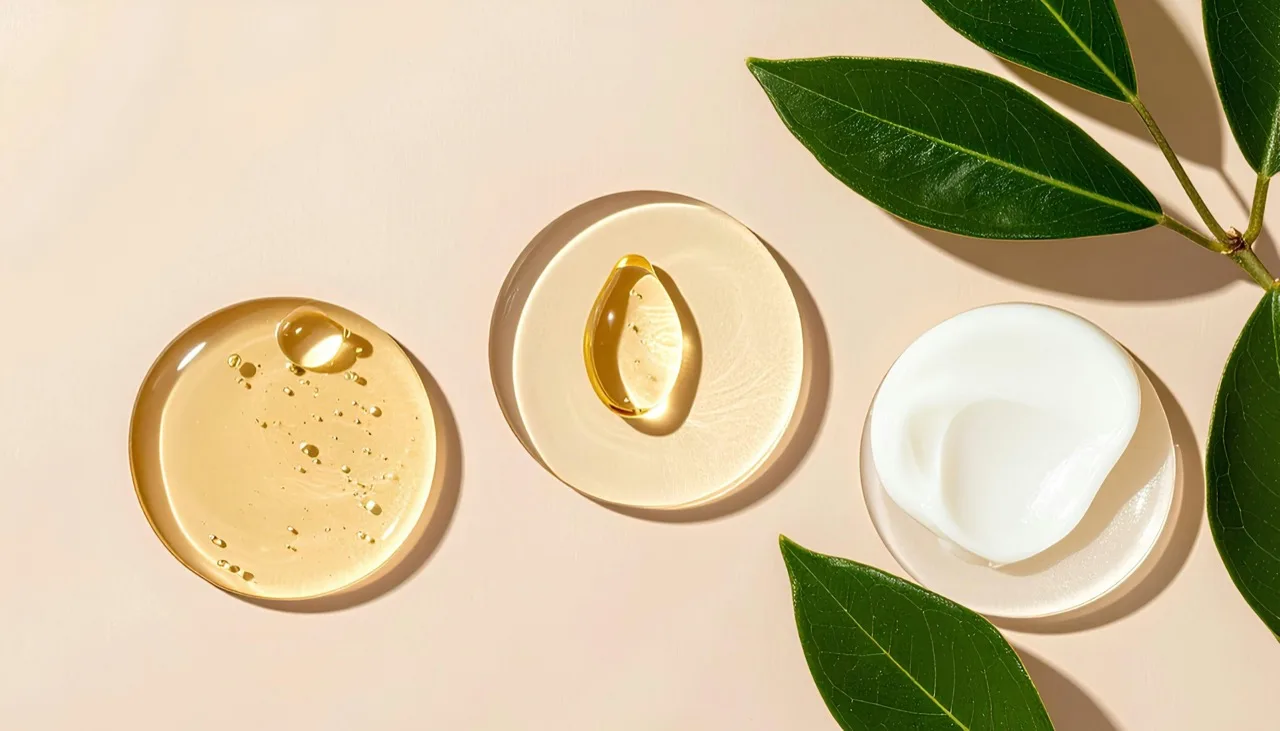
The Bi-Phase Solution: Rather than relying purely on water, modern Japanese mists frequently feature bi-phase (ni-sou) formulations—a balanced blend of watery humectants (hyaluronic acid, rice ferment) topped with a light layer of nourishing plant squalane or camellia oil that must be shaken before spraying.
The Two Essential Rules: Hand Pressing and Oil Sealing
Whenever you use a facial mist during the day, following these two foundational Japanese rules is recommended to support true barrier nourishment:
Rule 1: The Gentle Hand-Pressing Protocol (Hando Puresu)
Never simply spray a mist and let the droplets air-dry on your face:
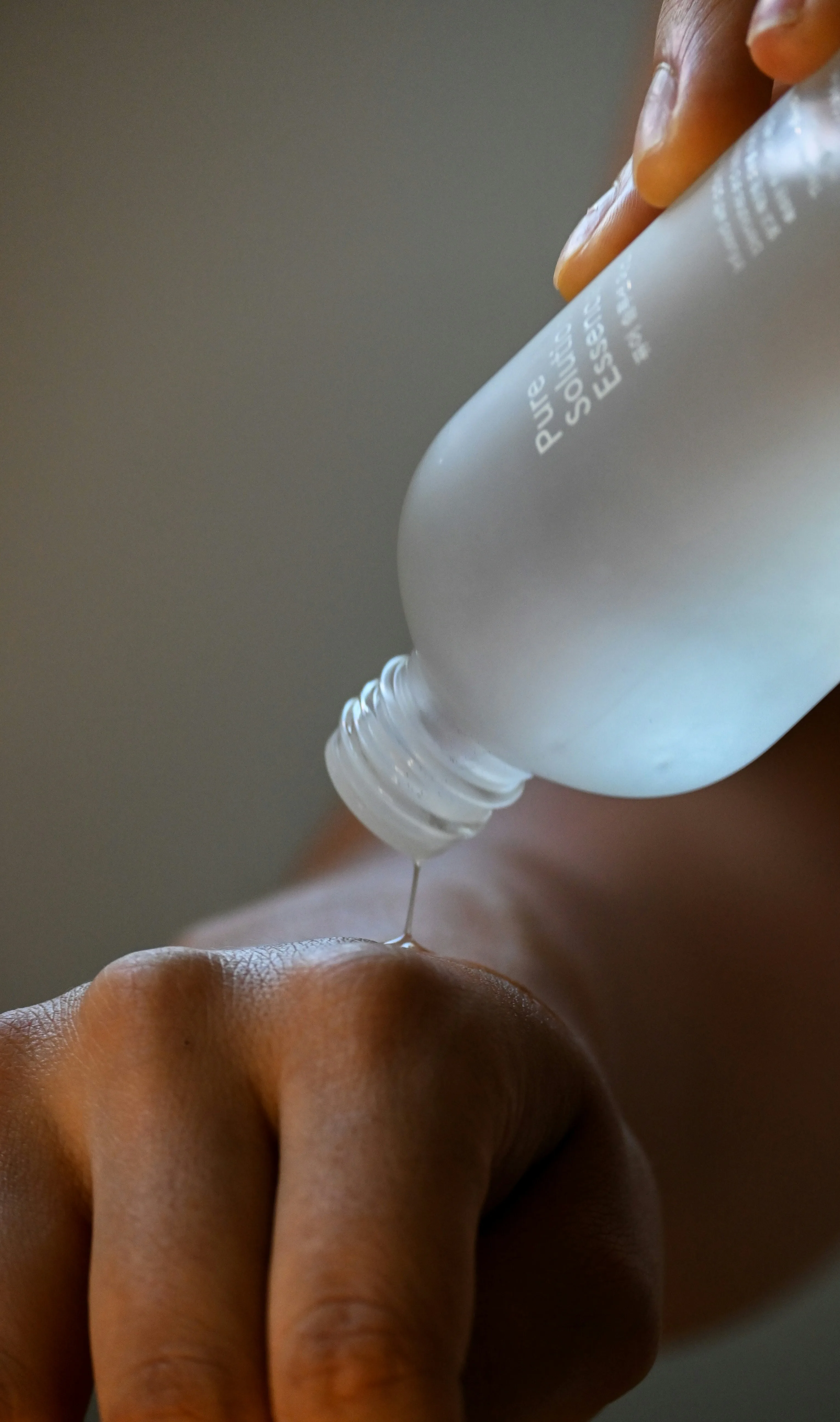
Immediately after spritzing, cup the clean palms of your hands and press them gently against your cheeks, forehead, and chin.
The warmth of your palms encourages micro-droplets to spread uniformly across the epidermal surface, preventing bead formation.
If large visible droplets remain on the skin surface, take a clean tissue, fold it, and gently blot away excess moisture to prevent evaporative water loss.
Rule 2: Mandatory Lipid Sealing (Abura-bun no Kabaa)
Water alone cannot hydrate skin long-term; it requires an occlusive lipid veil to lock moisture into place:
If Using a Watery Mist: Follow up immediately by dispensing a pea-sized drop of lightweight Japanese emulsion (nyueki) or soothing balm into your palms. Rub hands together to warm the product, then gently press your palms over your makeup.
If Using a Bi-Phase Mist: Shaking the bottle thoroughly disperses microscopic oil droplets throughout the water phase. When sprayed, it deposits hydration and an ultra-thin protective lipid film simultaneously, reducing the need for a separate cream step.
The delicate lipid matrix of the epidermal stratum corneum experiences progressive natural functional deceleration over time[1], making deliberate lipid sealing essential for defending mature skin against climate-controlled dryness.
Scroll horizontally to view more
Feature
Plain Thermal Water Mist Alone
Japanese Bi-Phase Oil-in-Mist
Formulation Base
100% water and dissolved minerals
Watery humectants layered with plant squalane/oil
Evaporation Risk
High; causes evaporative rebound dryness
Low; lipid phase seals moisture onto skin
Application Method
Spritzed and left to evaporate naturally
Shaken, misted, and gently palm-pressed
Makeup Impact
Can bead up and dissolve foundation lines
Micro-fine aerosol sets and refreshes makeup
Hydration Longevity
Temporary coolness lasting 5–10 minutes
Sustained dewy suppleness lasting hours
The 3-Step Office Hydration Routine: Freshening Over Makeup
To revive mid-day dry patches without melting your foundation or concealer, follow this three-step studio technique:
Step 1: Create an Upward Halo Mist
Hold the mist bottle roughly 20 to 30 centimeters away from your face. Tilt your chin slightly upward, spray 2 to 3 pumps into the air slightly above your face, and let the gentle cloud of micro-fine droplets fall naturally onto your complexion. Spraying directly at point-blank range creates heavy water beads that disrupt foundation pigments.
Step 2: The Soft Palm Press
Warm your palms together for two seconds. Gently press both hands against your cheeks for three seconds, then over your forehead and chin. Do not rub, drag, or pat briskly. This static compression bonds the micro-mist with your existing makeup base, smoothing powdery settlement around fine expression lines.
Step 3: Targeted Cushioning on Dry Zones
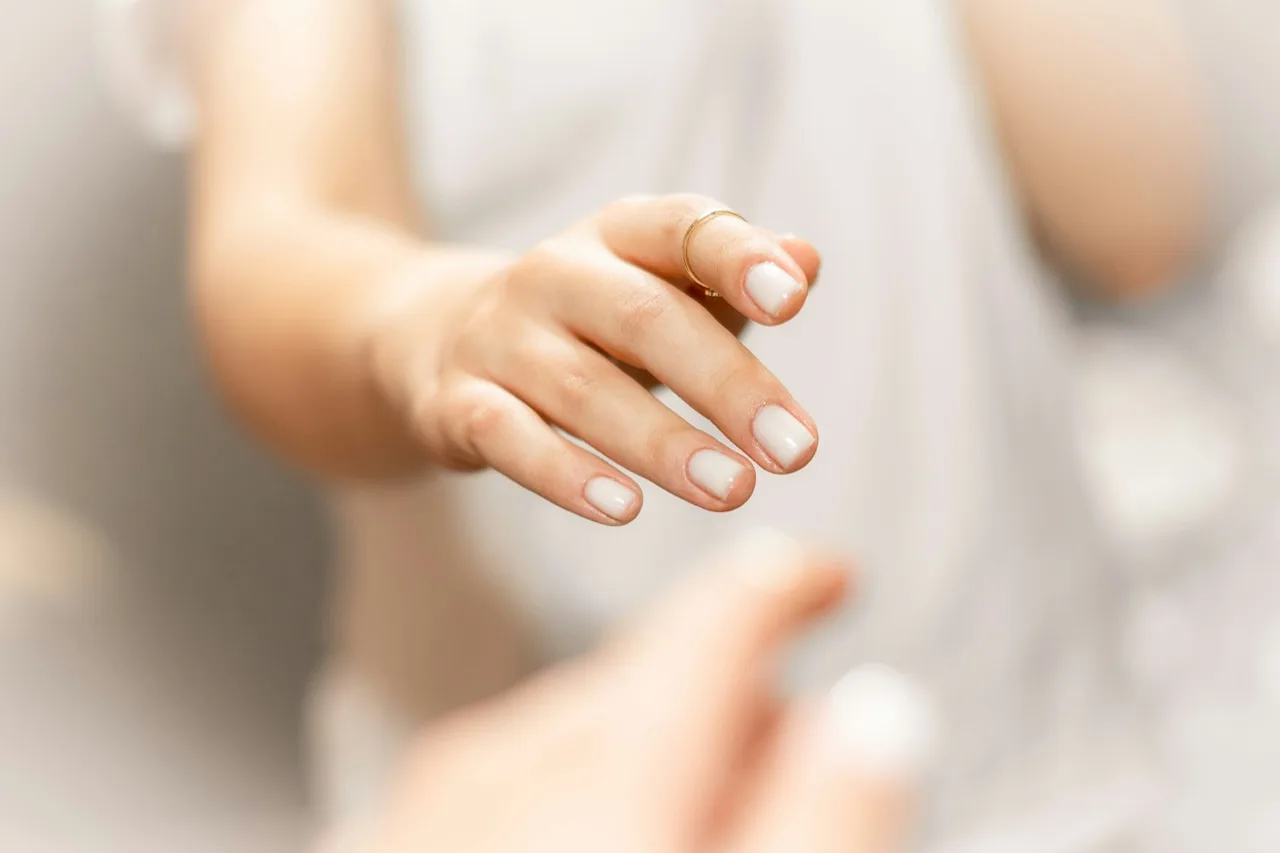
If your under-eye area or corners of the mouth still feel tight, take a tiny pinhead of hydrating serum balm or lightweight emulsion on your ring finger and gently tap it onto the localized dry zone.
Pairing daily daytime mist hydration with diligent morning broad-spectrum UV protection shields vulnerable skin barrier lipids from cumulative photoaging damage[2], preserving elasticity and youthful radiance.
Key Skincare Ingredients in Japanese Hydrating Mists
Japanese cosmetic chemists formulate daytime mists with high-performance skincare actives that cater to barrier comfort:
1. Fermented Rice Filtrate and Amino Acids
Rich in natural peptides and minerals, fermented rice sake extract mimics the skin’s natural moisturizing factors, binding moisture to epidermal keratin.
2. Multi-Molecular Hyaluronic Acid
Low-molecular-weight hyaluronic acid fragments reach shallow stratum corneum layers, while high-molecular-weight polymers form a breathable, non-sticky moisture shield on the surface.
3. Dipotassium Glycyrrhizate (GK2)
Extracted from licorice root, GK2 calms irritation caused by dry office air, seasonal pollen, and temperature fluctuations between indoor heat and chilly outdoor winds.
4. Botanical Squalane and Camellia Seed Oil
These lightweight, biomimetic lipids integrate smoothly with human sebum, providing protective gloss and water-sealing resilience without clogging pores.
Signs to Stop and When to Consult a Specialist
While hydrating facial mists are generally well-tolerated, heed these common warning flags:
Stinging from Alcohol-Cooling Formulas: Mists designed for summer heat that contain high concentrations of menthol or ethanol provide a temporary chilling sensation, but rapidly strip epidermal lipids. Discontinue immediately if stinging occurs.
Aerosol Propellant Reactions: Repeated evaporation cycles, cooling alcohol mists, and synthetic aerosol propellants can trigger acute barrier compromise and contact irritation[3]. If red patches, burning, or flaking appears, switch to non-aerosol pump mists formulated without fragrance.
Over-Misting Habituation: Spritzing your face ten or more times a day can disrupt the natural sebum-hydration equilibrium. Limit misting to 2 to 4 times daily, focusing on morning prep, post-lunch touch-up, and evening commute transition.
If facial burning, redness, or peeling persists for more than 5 days, seek professional evaluation from a board-certified dermatologist.
FAQ
Q1. Why does my skin feel tighter after using a thermal spring water spray?
A. Evaporation pulls intrinsic water from the stratum corneum without oil to lock it in.(Details)
Pure water contains no lipids or occlusive agents. When exposed to low indoor humidity, water molecules evaporate rapidly, taking your skin’s natural moisture with them. Always press the mist in and seal it with a light emulsion or balm.
Q2. How can I use a facial mist without ruining my makeup?
A. Mist from 25 cm away in an upward arc, then gently press with clean palms.(Details)
Holding the bottle too close creates heavy water droplets that streak foundation. Spraying into the air and letting the fine cloud drift down, followed by gentle palm pressing, actually sets powder and blends base makeup naturally.
Q3. What is the difference between a setting spray and a hydrating mist?
A. Setting sprays use film-forming polymers for hold, while hydrating mists deliver skincare nourishment.(Details)
Makeup setting sprays contain acrylic or PVP polymers designed to glue makeup in place and control shine. Hydrating mists focus on humectants and botanical oils that replenish stratum corneum moisture throughout the day.
Q4. Can I make my own hydrating mist by diluting toner with water?
A. Commercial mists are formulated with specialized atomizers and safe preservative systems.(Details)
Diluting regular toner with tap or distilled water dilutes the preservative system, allowing bacterial growth within days. Furthermore, standard spray bottles create large, uneven drops, whereas Japanese mists utilize micro-diffusing nozzles engineered for fine clouds.
Q5. When is the optimal time to use a facial mist during the day?
A. Mid-afternoon around 2:00 to 3:00 PM when indoor humidity and skin hydration dip.(Details)
Circadian skin barrier function and office humidity typically reach their lowest points in the mid-afternoon. A quick, mindful mist and palm press at your desk resets skin comfort and combats dullness.
Conclusion: True Dewy Comfort Through Balanced Moisture Locking
The Japanese approach to facial mists demonstrates that hydration is a dynamic dialogue between water and protective lipids. By letting go of the habit of passive air-drying and embracing the mindful two-step rhythm of hand pressing and oil sealing, you protect your skin against the harsh demands of modern indoor environments. With the right bi-phase formulation and feather-light technique, a simple mid-day spritz becomes a restorative sanctuary of radiant, lasting suppleness.
References
The Japanese Dermatological Association. Sunburn Q&A on Photoaging and Biological Alterations in Aging Skin (Q5). https://www.dermatol.or.jp/qa/qa2/q05.html (Accessed 2026-11-23)
The Japanese Dermatological Association. Dermatological Q&A on Sunscreen Application for Long-Term Prevention (Q25). https://www.dermatol.or.jp/qa/qa3/q25.html (Accessed 2026-11-23)
The Japanese Dermatological Association. Dermatological Q&A on Contact Irritation and Scalp Friction Mechanisms (Q1). https://www.dermatol.or.jp/qa/qa4/q01.html (Accessed 2026-11-23)
Disclaimer: This article is for general information and education about Japanese cosmetics and their labels. It is not a substitute for professional medical advice, diagnosis, or treatment. Skincare results vary from person to person. Product formulas, availability, prices, and regulations change, and products sold in Japan can differ from versions sold elsewhere, so always check the current label. Do a patch test before introducing a new product, and consult a doctor or dermatologist if you have a skin condition or specific concerns.