Japanese Urea Foot Cream Guide: Soften Rough Cracked Heels
HydrationBy Seibun Lab Editorial Team
title: Japanese Urea Foot Cream Guide: Soften Rough Cracked Heels
slug: japanese-foot-cream-urea-cracked-heels
category: hydration
category_label: Hydration
published_at: '2026-11-23'
updated_at: '2026-11-23'
meta_description: Discover how Japanese urea foot creams soften rough cracked heels. Learn keratolytic mechanisms, 10% vs 20% urea strengths, and essential foot care safety.
description: Discover how Japanese urea foot creams soften rough cracked heels. Learn keratolytic mechanisms, 10% vs 20% urea strengths, and essential foot care safety.
lead_image: /images/stock/foot_bath.webp
lead_image_alt: Relaxing warm Japanese foot bath preparing dry heels for targeted urea moisturizing cream
thumbnail: /images/stock/foot_bath.webp
thumbnail_alt: Relaxing warm Japanese foot bath preparing dry heels for targeted urea moisturizing cream
author: Editorial Team
publish: true
Japanese Urea Foot Cream Guide: Soften Rough Cracked Heels
Few bodily discomforts are as persistent as hardened, chalky heels that catch on bedsheets or split painfully during winter walking. In Japan, where entering homes, traditional restaurants, and tatami rooms requires removing shoes, maintaining smooth, dignified feet is a core aspect of personal grooming.
Rather than resorting to harsh metal foot graters that risk lacerating the skin, Japanese foot care relies heavily on the scientific power of urea (nyouso). Widely available across Japanese pharmacies in controlled 10% to 20% therapeutic concentrations, Japanese urea foot creams deliver dual-action care: gently dissolving excess keratin buildup while deeply hydrating vulnerable fissures. Understanding the keratolytic properties of urea, alongside vital safety rules, ensures smooth, supple steps all year round.
The Plantar Stratum Corneum: Why Heels Become Hard and Cracked
To understand why heels develop thick calluses, one must look at the unique anatomy of the soles:
Extraordinary Stratum Corneum Thickness: While facial skin features a stratum corneum roughly 10 to 20 micrometers thick, plantar heel skin can exceed 1,000 micrometers (over 1 millimeter)—the thickest skin on the entire human body.
Zero Sebaceous Follicles: The soles of the feet possess zero oil-producing sebaceous glands. They depend exclusively on sweat glands and external emollients to prevent desiccation.
Continuous Compressive Friction: Every step places intense downward pressure and lateral shear force across the heel pad. When dehydrated skin loses natural elasticity, this constant mechanical strain causes rigid outer keratin sheets to split into painful vertical fissures.
Dual-Action Chemistry: How Urea Softens Thickened Keratin
Urea is not a synthetic foreign chemical; it is an endogenous physiological component that constitutes roughly 7% of human skin's natural moisturizing factor (NMF). The delicate lipid matrix of the epidermal stratum corneum experiences progressive natural functional deceleration over time[1], amplifying dryness. What makes urea extraordinary in dermatology is its dual mechanism of action, which varies by concentration:
At 10% concentration, urea functions primarily as an intensive water magnet:
Unfolds water-binding domains within intracellular keratin molecules, enabling the stratum corneum to retain moisture despite freezing outdoor air.
Soothes mild surface flaking and maintains baseline skin flexibility across feet and calves.
Ideal for general dry skin maintenance and preventing mild seasonal roughness.
2. High Concentration (20% Urea): Keratolytic Keratin Dissolution
At 20% concentration (frequently formulated within Japanese Quasi-Drugs and over-the-counter medicinal creams):
Breaks Hydrogen Bonds: Urea disrupts the rigid hydrogen bonds stabilizing hyperkeratotic keratin proteins, gently loosening the adhesive glue holding dead epidermal cells together.
Softens Hardened Calluses: Without requiring sharp bladed rasps, 20% urea softens tough, horn-like heel skin over several consecutive days of use, allowing thick dead layers to naturally shed away during washing.
Cushions Dry Crevices: Deeply hydrates the walls of fissures, encouraging surrounding skin to regain pliability and close naturally.
Comparison Table: 10% Urea vs 20% Urea vs Chemical Peeling Socks
To choose the right foot care intervention for your heel condition, consider this comparative breakdown:
Scroll horizontally to view more
Product Type
Primary Active Mechanism
Target Heel Condition
Application Frequency & Usage Caution
10% Urea Foot Cream
Humectant moisture retention, mild barrier support
Mild roughness, dry winter soles, daily upkeep
Daily morning and night; safe for broad continuous use
20% Urea Intensive Cream
Keratolytic protein softening + deep hydration
Rigid calluses, yellowed heel pads, deep fissures
Apply strictly to callused spots for 2–3 weeks, then taper
Exfoliating Foot Peeling Socks
High-percentage AHA/lactic acid soak
Massive whole-foot shedding of old skin
Once every 2–3 months; causes dramatic peeling sheets
The Japanese Nighttime Foot Care Ritual: Bath to Bed
Japanese foot care is most effective when synchronized with the evening bathing ritual (ofuro):
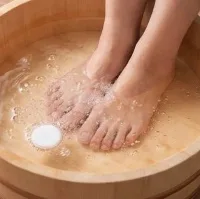
1. Step 1: Warm Water Soak
Soak feet in a warm bath or dedicated foot tub (38°C to 40°C) for 10 to 15 minutes. The warm water saturates rigid keratin sheets, making them significantly more receptive to topically applied urea.
2. Step 2: Thorough Towel Drying
Gently pat feet dry with a clean towel, paying special attention to the spaces between toes where moisture must not linger.
3. Step 3: Targeted Urea Massage
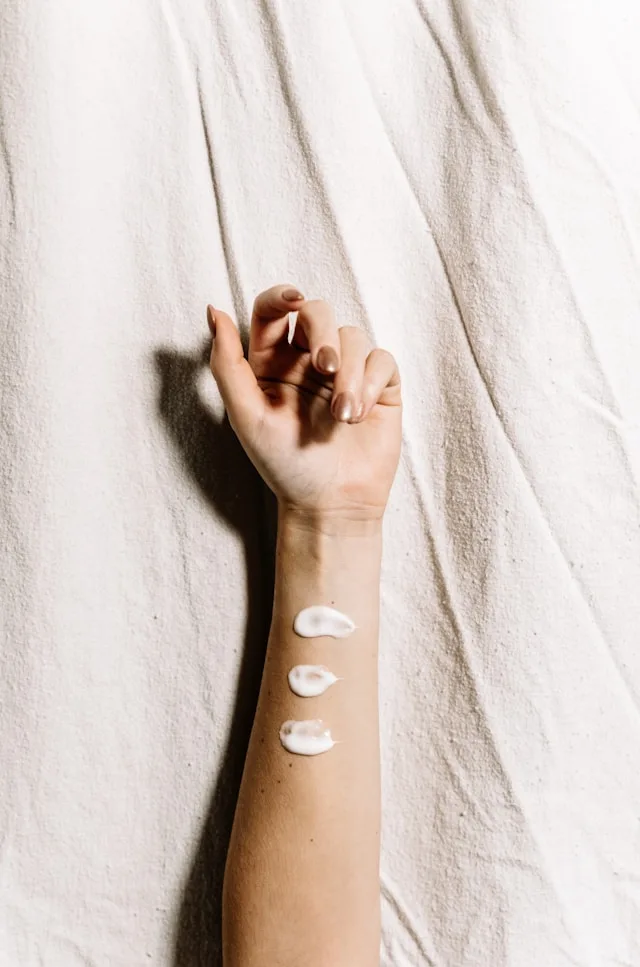
Take a nickel-sized amount of 20% urea cream and massage firmly into the heel perimeter using small circular thumb motions. Focus strictly on thick, callused zones.
4. Step 4: Cotton Sock Occlusion
Immediately slip on breathable 100% cotton socks or specialized Japanese silicone-lined heel socks. This creates a gentle occlusive wrap that prevents the cream from rubbing off onto bedsheets while trapping moisture overnight.
Pairing daily daytime foot care with broad-spectrum UV protection creates a resilient defense against sun-induced dryness[2], maintaining skin health when wearing open sandals during summer.
Signs to Stop and When to Consult a Specialist
Because high-strength urea exerts potent keratolytic action, adhering to clinical safety rules is essential:
Open or Bleeding Fissures: Never apply high-concentration urea directly onto raw, bleeding, or deeply cracked skin. High-strength urea can cause intense, burning pain and acute contact irritation on exposed dermal nerves. For open cracks, use plain white petrolatum until the split seals.
Thin Skin Areas: Do not spread 20% urea cream across the delicate top of the foot, around ankles, or between toes. Overusing keratolytic agents on thin skin can erode the normal protective barrier.
Contact Dermatitis: Concentrated keratolytic agents and high urea concentrations may trigger contact irritation in individuals with compromised barrier integrity[3]. Discontinue if redness, itching, or swelling develops.
Suspected Athlete's Foot (Mizumushi): Chronic, thickened peeling on heels that does not respond to moisturizers can sometimes be hyperkeratotic tinea pedis (fungal infection). If accompanied by scaling or tiny blisters, seek clinical diagnosis.
If deep fissures do not show improvement within 14 days of dedicated care, consult a board-certified dermatologist for professional assessment.
FAQ
Q1. How long should I continue using a 20% urea foot cream?
A. Use 20% urea for 2 to 3 weeks, then transition to a gentler moisturizing cream.(Details)
Once stubborn calluses soften and normal skin texture returns, switch to a 10% urea lotion or a ceramide-rich barrier cream for ongoing maintenance. Prolonged continuous use of 20% urea on softened skin can make tissue overly thin and sensitive.
Q2. Can I apply urea foot cream to bleeding heel cracks?
A. No, avoid applying urea to open wounds as it causes intense stinging.(Details)
Urea contacts raw dermis aggressively, triggering severe burning sensations. First protect bleeding fissures with medical ointment or pure petrolatum until the split closes, then introduce urea cream to soften the surrounding dry edges.
Q3. What is the difference between a foot peeling mask and urea foot cream?
A. Peeling masks trigger dramatic shedding, while urea cream progressively softens.(Details)
Acid peeling socks cause whole-foot skin to shed in massive sheets over 7 to 10 days, which can be harsh for sensitive skin. Urea cream offers a controlled, daily progressive softening process focused strictly on stubborn heel calluses.
Q4. Can I use urea cream on my entire foot including between the toes?
A. No, keep high-concentration urea away from thin interdigital skin.(Details)
The skin between the toes is exceptionally thin, warm, and prone to moisture accumulation. Applying keratolytic urea there can weaken the skin barrier and foster fungal growth. Reserve 20% urea strictly for thick heel pads.
Q5. Can thickened heel skin be a sign of athlete's foot (tinea pedis)?
A. Yes, moccasin-type tinea pedis mimics stubborn dry callused heels.(Details)
Non-itchy, dry, thickened heel scaling that fails to soften with standard moisturizers may be fungal. In such cases, cosmetic moisturizers alone will not resolve the underlying condition, requiring antifungal evaluation by a dermatologist.
Conclusion: Restoring Supple Steps with Targeted Care
Japanese urea foot creams embody the thoughtful elegance of Japanese functional dermatology. Rather than damaging the skin barrier through aggressive rasping, J-beauty uses the targeted biomimetic power of urea to break down hardened calluses while restoring vital moisture to dehydrated crevices. By following a consistent nighttime ritual and respecting proper concentration guidelines, you can transform rough, painful heels into smooth, resilient skin with every step you take.
References
The Japanese Dermatological Association. Sunburn Q&A on Photoaging and Biological Alterations in Aging Skin (Q5). https://www.dermatol.or.jp/qa/qa2/q05.html (Accessed 2026-11-23)
The Japanese Dermatological Association. Dermatological Q&A on Sunscreen Application for Long-Term Prevention (Q25). https://www.dermatol.or.jp/qa/qa3/q25.html (Accessed 2026-11-23)
The Japanese Dermatological Association. Dermatological Q&A on Contact Irritation and Scalp Friction Mechanisms (Q1). https://www.dermatol.or.jp/qa/qa4/q01.html (Accessed 2026-11-23)
Disclaimer: This article is for general information and education about Japanese cosmetics and their labels. It is not a substitute for professional medical advice, diagnosis, or treatment. Skincare results vary from person to person. Product formulas, availability, prices, and regulations change, and products sold in Japan can differ from versions sold elsewhere, so always check the current label. Do a patch test before introducing a new product, and consult a doctor or dermatologist if you have a skin condition or specific concerns.