Japanese Cuticle Oil Pen Guide for Dry Nails and Cuticles
HydrationBy Seibun Lab Editorial Team
title: Japanese Cuticle Oil Pen Guide for Dry Nails and Cuticles
slug: japanese-cuticle-oil-pen-for-dry-nails
category: hydration
category_label: Hydration
published_at: '2026-11-23'
updated_at: '2026-11-23'
meta_description: Discover how Japanese cuticle oil pens nourish dry nails and cuticles. Learn lightweight brush-pen designs, camellia oils, and portable daily nail habits.
description: Discover how Japanese cuticle oil pens nourish dry nails and cuticles. Learn lightweight brush-pen designs, camellia oils, and portable daily nail habits.
lead_image: /images/stock/hand-nails-delicate-care.webp
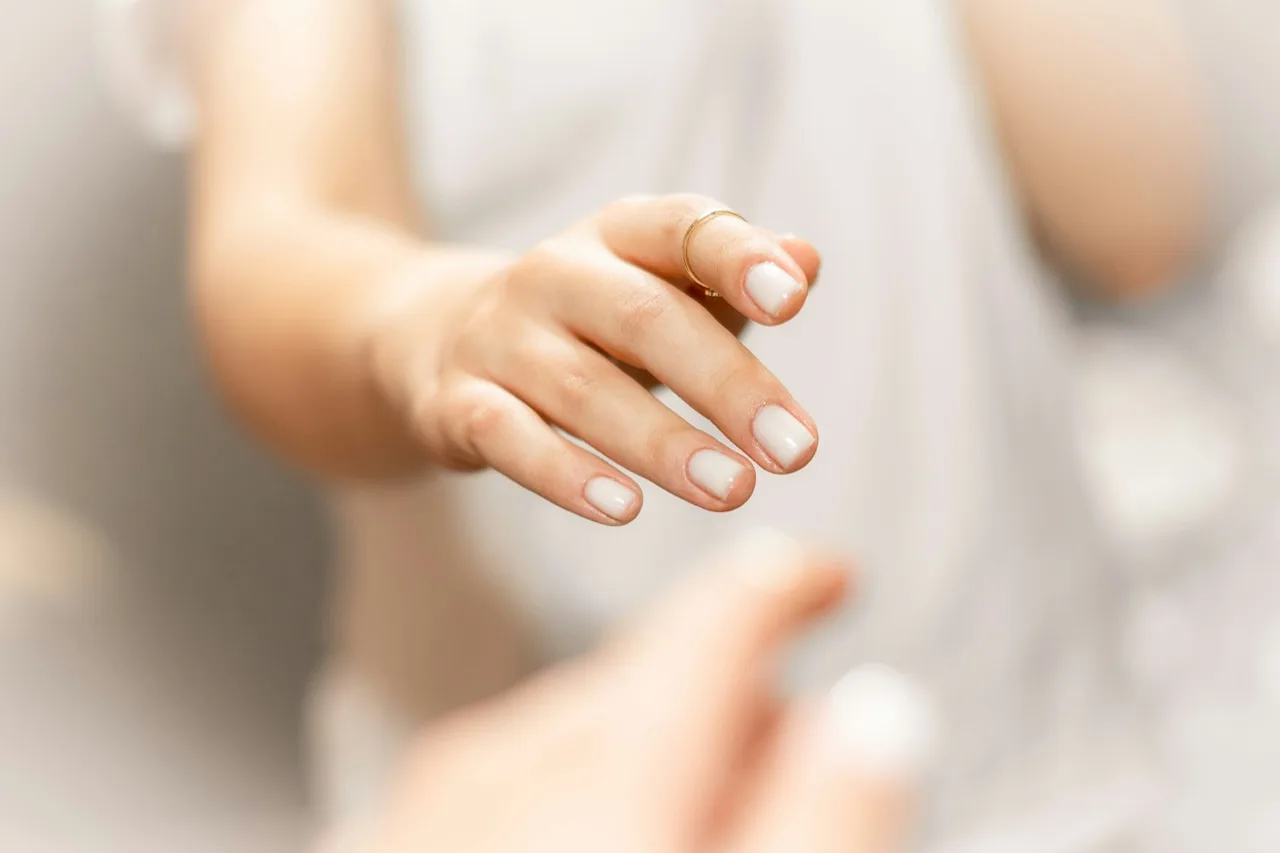
lead_image_alt: Well-cared Japanese fingernails receiving targeted botanical cuticle oil application
thumbnail: /images/stock/hand-nails-delicate-care.webp
thumbnail_alt: Well-cared Japanese fingernails receiving targeted botanical cuticle oil application
author: Editorial Team
publish: true
Japanese Cuticle Oil Pen Guide for Dry Nails and Cuticles
Whether typing on office keyboards, commuting on metropolitan trains, or handling frequent hand sanitization, our fingertips endure relentless daily friction. In Japan, meticulous nail grooming is not reserved exclusively for salon visits; it is an everyday self-care ritual integrated into school pencil cases, office desks, and cosmetic pouches.
Central to this everyday nail grooming culture is the Japanese cuticle oil pen (neiru oiru pen). Unlike traditional glass bottles that risk messy spills inside bags, these sleek twist-brush applicators deliver micro-drops of concentrated botanical nourishment directly to dehydrated nail perimeters. By prioritizing dry-touch lipid chemistry that absorbs within seconds, Japanese nail pens keep delicate cuticles supple without leaving fingerprint smears on smartphone screens.
The Modern Commuter Staple: Why Japanese Nail Pens Dominate
In Tokyo stationery boutiques, variety stores (Plaza, Loft), and neighborhood drugstores, twist-click nail oil pens occupy prime display counters. Several design factors explain their enduring popularity:
Precision Brush Tip (Fude-gata): Inspired by traditional Japanese calligraphy brushes, the flexible nylon bristles allow users to trace the curving eponychium (cuticle line) and nail sidewalls without flooding surrounding finger pads with excess grease.
Dial-Controlled Dosing: A twist or click dial at the base releases exact micro-droplets, preventing leaks during air travel or daily transit in handbags.
Mess-Free On-the-Go Care: Because busy professionals frequently touch laptops, paperwork, and digital devices, Japanese formulators balance quick-spreading plant squalane with silky esters, ensuring fingers dry down to a velvety satin touch in under a minute.
Formula Architecture: Fast-Absorbing Botanical Lipids vs Heavy Greases
Nail plates and surrounding periungual skin have unique structural needs. The delicate lipid matrix of the epidermal stratum corneum experiences progressive natural functional deceleration over time[1], and frequent washing strips keratinized nail plates of natural protective ceramides:
1. Traditional Camellia (Tsubaki) and Rice Bran Oils
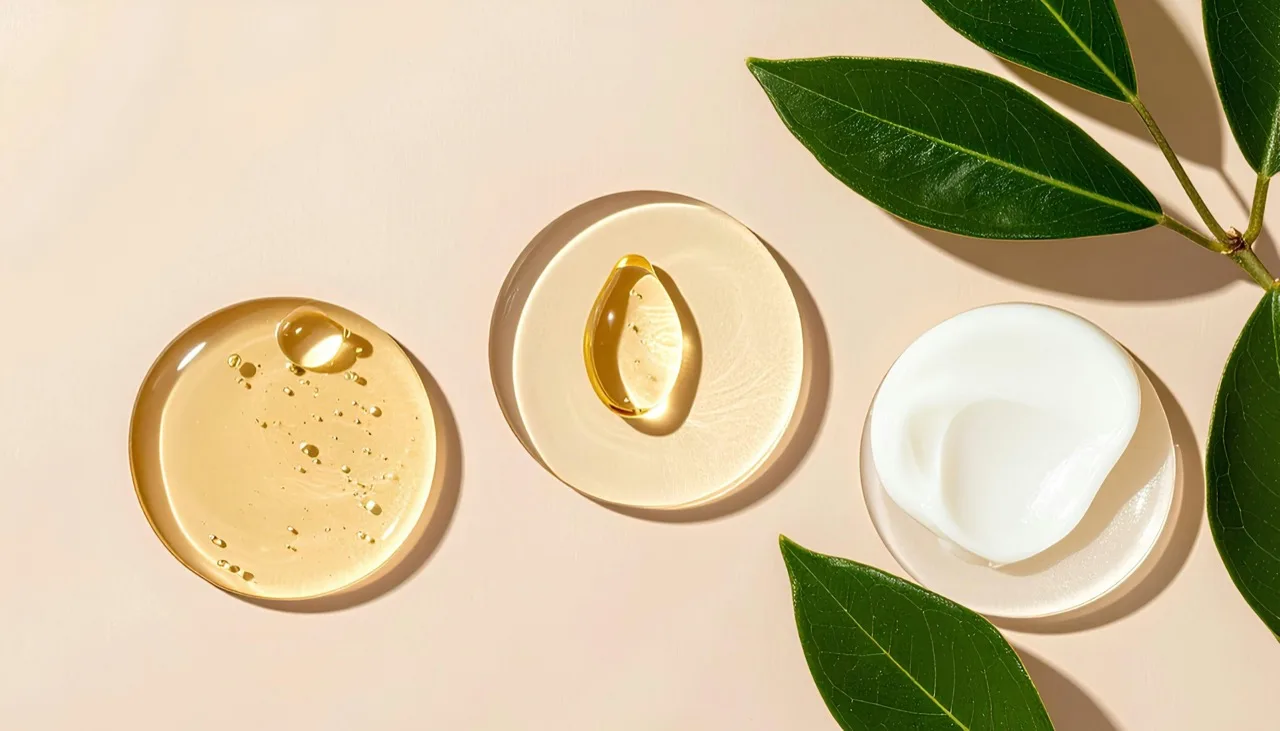
Japanese cuticle oils frequently spotlight native cold-pressed lipids. High in oleic acid and natural vitamin E, tsubaki oil softens stubborn, hardened cuticle margins while providing long-lasting flexibility to brittle nail keratin.
2. High-Purity Plant Squalane and Jojoba
Rather than heavy mineral greases or sticky castor oils, modern Japanese pens utilize botanical squalane and golden jojoba wax esters:
Matches the molecular structure of human sebum, absorbing swiftly into periungual tissue.
Transports moisture-binding humectants deep into the nail matrix—the living tissue beneath the proximal nail fold where new nail growth originates.
Prevents painful split hangnails (sasakure) by keeping surrounding skin pliable.
3. Keratin-Nourishing Hydrolyzed Silk and Ceramides
Advanced formulations incorporate lipid-soluble ceramides and silk amino acids that coat micro-grooves along the nail plate, imparting a natural, healthy buffed luster without synthetic lacquers.
Comparison Table: Japanese Brush Pen vs Dropper Bottle vs Nail Balm
To select the most convenient format for your lifestyle, consider this comparative breakdown:
Scroll horizontally to view more
Packaging Format
Application Mechanism
Portability & Leak Risk
Primary Usage Context
Japanese Twist-Brush Pen
Dial-click twist, soft precision nylon brush
Maximum portability, zero leak risk in bags
Commuting, office desk, midday touch-ups, travel
Glass Dropper Bottle
Glass pipette dispensing loose oil drops
Stationary use, moderate spill risk if tipped
Evening vanity ritual, professional manicure prep
Solid Nail Balm / Butter Jar
Finger scooping from compact jar or tin
Pocket-friendly, but can trap lint or finger dust
Heavy nighttime barrier occlusive for cracked heels/fingers
How to Build an Effortless On-the-Go Nail Care Habit
Integrating a cuticle oil pen into your daily flow requires only a few intentional seconds throughout the day:
1. The Post-Handwash Moment
Every time you wash your hands, detergent removes surface lipids from fingertip margins. Keep a pen by your computer mouse or in your pocket, twisting one click to trace along cuticles while skin remains slightly receptive.
2. Don't Forget the Underside (Hyponychium)
To encourage strong nail bed attachment and prevent nail peeling, sweep the brush tip underneath the free edge of each nail. This conditions the hyponychium—the sensitive seal beneath the nail plate.
3. Gentle Circular Thumb Massage
Use the pad of your thumb to lightly massage the oil into the cuticle fold, pushing toward the knuckle rather than backward toward the tip, stimulating healthy local microcirculation.
Pairing daily hand care with broad-spectrum UV protection creates a resilient defense against sun-induced dryness[2], preserving youthful smoothness across fingers and hands against chronic photoaging.
Signs to Stop and When to Consult a Specialist
While botanical nail oils offer gentle conditioning, monitoring periungual skin for adverse reactions is important:
Redness, Throbbing, or Heat: If a fingertip margin becomes intensely red, swollen, or throbs painfully, suspect acute paronychia (a localized bacterial infection) rather than simple dry skin. Never apply cosmetic oils to infected nail borders.
Fragrance Reactivity: Unrefined fragrance compounds or concentrated botanicals in nail oils may trigger contact irritation in individuals with compromised barrier integrity[3]. Discontinue use if small itchy blisters form along the cuticle edge.
Severe Nail Dystrophy: If nail plates develop deep discoloration, severe crumbling, or lifting from the nail bed, consult a specialist for fungal evaluation.
If nail inflammation or severe swelling does not improve within 48 to 72 hours, seek clinical assessment from a board-certified dermatologist.
FAQ
Q1. How many times a day should I apply a Japanese cuticle oil pen?
A. Applying 2 to 3 times daily delivers optimal results.(Details)
Because the pen format is mess-free and fast-absorbing, applying once in the morning, once after afternoon handwashing, and once before sleeping provides continuous barrier nourishment against dry indoor air.
Q2. Can I apply cuticle oil over gel nails or regular nail polish?
A. Yes, cuticle oil actually prolongs the lifespan of manicures.(Details)
Applying oil around the perimeter keeps natural nail plates flexible underneath rigid gel coatings, preventing premature lifting and peeling caused by brittle, dehydrated nail shrinkage.
Q3. Will a Japanese nail oil pen leave grease on my smartphone screen?
A. Japanese formulations prioritize dry-touch squalane that absorbs in seconds.(Details)
Unlike heavy Western castor-based salves, Japanese pens utilize lightweight ester bases and plant squalane engineered for immediate absorption, allowing you to use touchscreen devices almost immediately.
Q4. Where exactly should I apply the brush tip?
A. Trace the U-shaped cuticle frame and the sensitive skin under the nail tip.(Details)
Trace the cuticle fold (eponychium), both lateral side walls, and sweep lightly across the underside of the nail tip (hyponychium). Massage any remaining oil across the entire nail plate.
Q5. Can a cuticle oil pen prevent painful hangnails (sasakure)?
A. Yes, softening dry skin margins is the most effective preventative measure.(Details)
Hangnails occur when dehydrated lateral skin tears under daily friction. Maintaining pliable, well-moisturized skin folds with daily oil pen applications minimizes the hardened ridges that snag and rip.
Conclusion: Polished Confidence at Your Fingertips
The Japanese cuticle oil pen exemplifies how smart, portable cosmetic design transforms essential hygiene into an enjoyable moment of daily mindfulness. By swapping messy dropper bottles for sleek, pocket-sized twist pens infused with native camellia and squalane, J-beauty makes maintaining healthy, supple fingertips effortless. Embracing this simple pocket habit ensures your hands reflect polished poise and quiet refinement with every gesture.
References
The Japanese Dermatological Association. Sunburn Q&A on Photoaging and Biological Alterations in Aging Skin (Q5). https://www.dermatol.or.jp/qa/qa2/q05.html (Accessed 2026-11-23)
The Japanese Dermatological Association. Dermatological Q&A on Sunscreen Application for Long-Term Prevention (Q25). https://www.dermatol.or.jp/qa/qa3/q25.html (Accessed 2026-11-23)
The Japanese Dermatological Association. Dermatological Q&A on Contact Irritation and Scalp Friction Mechanisms (Q1). https://www.dermatol.or.jp/qa/qa4/q01.html (Accessed 2026-11-23)
Disclaimer: This article is for general information and education about Japanese cosmetics and their labels. It is not a substitute for professional medical advice, diagnosis, or treatment. Skincare results vary from person to person. Product formulas, availability, prices, and regulations change, and products sold in Japan can differ from versions sold elsewhere, so always check the current label. Do a patch test before introducing a new product, and consult a doctor or dermatologist if you have a skin condition or specific concerns.