Japanese Booster Serums: The Pre-Lotion Essence Guide
HydrationBy Seibun Lab Editorial Team
title: Japanese Booster Serums: The Pre-Lotion Essence Guide
slug: japanese-booster-serum-pre-lotion-essence
category: hydration
published_at: '2026-11-27'
updated_at: '2026-11-27'
meta_description: Discover how Japanese booster serums (donyu eki) work before lotion. Learn the stratum corneum softening science that optimizes moisture absorption.
keywords:
japanese booster serum pre lotion essence
donyu eki pre lotion skincare
japanese first step essence
skin softening hogushi booster
decorte liposome booster routine
author: Seibun Lab Editorial Team
Japanese Booster Serums: The Pre-Lotion Essence Guide
In standard Western skincare regimens, the sequence of application follows a universal rule of thumb: cleanse, tone, apply targeted serum, and finish with moisturizer. When international beauty enthusiasts browse Japanese cosmetic counters, one product recommendation frequently triggers confusion: a concentrated serum formulated to be applied before lotion.
Known variously as pre-lotion essence, tuning serum, or introductory liquid (dōnyū eki), this preparatory step anchors prestige and drugstore routines across Japan. Flagship products from Decorte, Shiseido, Sofina, and Muji have turned booster application into a daily standard.
Why do Japanese cosmetic chemists prioritize applying an essence onto freshly washed skin before watery toners? Supporting natural barrier resilience and moisture retention requires preparing dry corneocytes to accept fluid hydration smoothly.[1] Here is the biophysical science behind Japanese booster serums, the mechanics of skin softening (hogushi), and how to integrate a pre-lotion essence into your routine.
The Biophysics of Corneocyte Softening: The "Hogushi" Principle
To understand why Japanese formulators position a serum before watery lotion, one must consider the condition of the stratum corneum immediately after cleansing.
When skin experiences chronic dehydration, UV photodamage, or low seasonal humidity, outer corneocytes lose natural flexibility. Intercellular lipids become tightly packed, rigid, and hydrophobic:
The Surface Tension Barrier: When you apply a pure water lotion (keshosui) onto dehydrated, hardened skin, high surface tension causes the liquid to bead up on top of the skin. Much of the moisture evaporates into the ambient air before entering cellular crevices.
The Softening Concept (Hogushi): In Japanese aesthetic terminology, hogushi describes loosening stiff, tense tissue. Booster serums are designed to temporarily expand microscopic spaces between dried corneocytes, preparing a welcoming pathway for subsequent humectants.
Amphiphilic Chemistry: Quality boosters combine water-loving (hydrophilic) and oil-loving (lipophilic) molecular groups. By reducing surface tension, they bridge the gap between aqueous lotions and the natural lipid barrier, facilitating smooth fluid spread across every contour.
Scroll horizontally to view full comparison
Routine Step
Viscosity & Vehicle
Primary Function
Absorption Synergy
1. Booster (*Dōnyū Eki*)
Ultra-fluid / micro-emulsion
Softens rigid stratum corneum
Lowers surface tension for next step
2. Lotion (*Keshosui*)
Water-dominant humectant
Drenches corneocytes with water
Flows deeply into pre-softened pathways
3. Milky Emulsion (*Nyueki*)
Fluid oil-in-water emulsion
Replenishes intercellular lipids
Seals aqueous hydration under light veil
4. Barrier Cream
Dense occlusive matrix
Halts trans-epidermal water loss
Locks in all preceding functional layers
Three Primary Formulations in Japanese Boosters
Japanese pre-lotion essences approach the softening challenge through three distinct technological architectures:
1. Multi-Lamellar Liposomal Boosters
Pioneered by heritage Japanese luxury brands, liposomal serums encapsulate active humectants and ceramides within microscopic phospholipid spheres measuring approximately 0.1 to 0.2 microns. Because liposome membranes mirror the bilayer structure of human cell membranes, they fuse smoothly with the stratum corneum upon contact, releasing hydration gradually while softening intercellular pathways.
2. Micro-Carbonated Effervescent Foams
High-tech Japanese aerosol boosters dispense dense, mousse-like micro-bubbles infused with 100% gaseous carbon dioxide. The microscopic carbonated bubbles—smaller than facial pores—melt into liquid upon contact with skin heat. The effervescence provides gentle tactile stimulation, promoting local skin circulation and priming the surface for instant lotion acceptance.
3. Bi-Phase and Fluid Emulsion Boosters
Formulated with balanced ratios of squalane, botanical seed oils, and amino acid humectants, these lightweight milky liquids condition rough, flaky patches. Rather than repelling water, modern non-ionic emulsifiers allow the fine oil droplets to slip between brittle skin cells, restoring immediate suppleness before the watery lotion touches the face.
How to Incorporate a Booster into Your Daily Regimen
To maximize absorption synergy, apply your Japanese booster using this disciplined method:
1. The 10-Second Post-Wash Window
Apply your booster immediately after patting your face dry with a clean towel. Within 10 to 30 seconds after cleansing, residual dampness remains in the stratum corneum, creating optimal conditions for amphiphilic delivery agents to spread cleanly.
2. Warm in Palms and Hand-Press
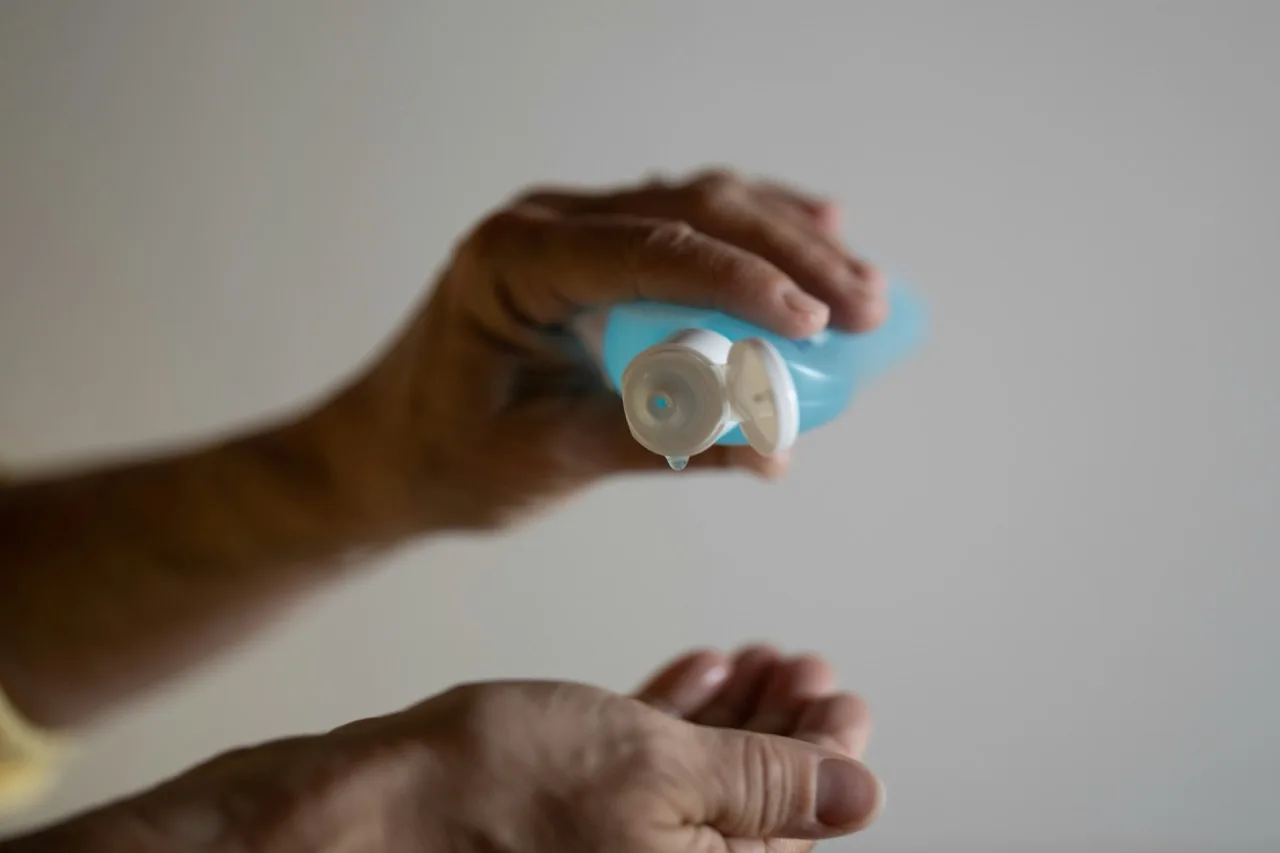
Dispense two to three pumps (or a coin-sized portion) into the palms of your clean hands:
Rub palms lightly together for two seconds to bring the essence to body temperature.
Gently press your open palms over your cheeks, forehead, and chin.
Hold stationary for three to five seconds per zone, allowing skin heat to encourage uniform distribution without mechanical rubbing.
3. Layer Lotion Without Delay
Do not wait for the booster to dry down completely. While your skin is still supple and slightly dewy, apply your hydrating conditioning lotion (keshosui). You will observe that the watery lotion spreads noticeably faster and feels more deeply absorbed than when applied to bare, unprimed skin.
Signs to Stop and When to See a Doctor
While booster serums are formulated for gentle daily preparation, layering additional functional steps can occasionally challenge reactive skin barriers.
Watch for these warning signs:
Immediate burning, tingling, or flushing sensations upon spreading the essence.
Sudden clusters of tiny itchy bumps or contact irritation around the jawline and temples.
Feeling of surface tightness that worsens despite subsequent lotion application.
Discontinue use immediately and consult a medical professional if adverse contact dermatitis or booster-related irritation develops.[2] If your barrier becomes sensitized, halt multi-step layering, return to a basic lukewarm water rinse and minimalist ceramide moisturizer, and seek guidance from a licensed dermatologist.
FAQ
Q1. Is a booster serum strictly necessary in a Japanese skincare routine?
A. It is an optional preparatory booster, ideal for chronically dry or mature skin.(Details)
A booster is not an absolute requirement for youthful, balanced, or resilient skin. If your conditioning lotion already absorbs smoothly without beading up, a two-step lotion and emulsion routine is fully sufficient. Boosters provide greatest value when your skin feels rough, leathery, or resistant to regular moisture.
Q2. What is the difference between a booster serum and a toner?
A. Toners drench or clarify, while boosters condition the physical permeability of the barrier.(Details)
Western astringent toners wipe away residue, while Japanese hydrating lotions (keshosui) deliver large volumes of water and humectants. Boosters (donyu eki) do neither; they act as physical and chemical primers that loosen surface tension so that subsequent lotions can perform at full capacity.
Q3. Can a booster serum replace my targeted functional serums?
A. No, boosters prepare the canvas while specialized serums target specific concerns.(Details)
Pre-lotion boosters focus primarily on stratum corneum softening and moisture distribution. If you use targeted serums for hyperpigmentation (tranexamic acid), collagen care (retinol), or antioxidant defense (pure vitamin C), those specialized actives should still be applied in their proper sequence—typically after your lotion step.
Q4. Will an oil-based booster repel my watery lotion?
A. Japanese pre-lotion oils use specialized micro-emulsifiers that blend cleanly with water.(Details)
Unlike pure heavy facial oils that create an occlusive slick, Japanese introductory oils are formulated with amphiphilic esters and hydrophilic surfactants. When watery lotion is pressed over them, the oil droplets spontaneously micro-emulsify on the skin surface, drawing moisture into the barrier rather than pushing it away.
Q5. Can sensitive skin types use Japanese pre-lotion boosters?
A. Yes, provided you select fragrance-free, alcohol-free ceramide or liposomal formulas.(Details)
Sensitive complexions benefit significantly from bio-compatible liposomal boosters, which reinforce depleted lipid lamellae without abrasive friction. However, avoid carbonated effervescent foams or formulas with high ethanol content, as rapid thermal or chemical activity can provoke stinging in delicate skin.
Summary and Key Takeaways
Japanese booster serums (dōnyū eki) represent an intelligent solution to stubborn surface dehydration:
Strategic Sequence: Applied immediately after cleansing and before lotion to prepare the stratum corneum.
The Softening Action: Relieves surface tension and loosens rigid intercellular spaces (hogushi).
Advanced Architecture: Deploys liposomes, micro-bubbles, or amphiphilic emulsions for smooth fluid delivery.
Immediate Layering: Follow immediately with hydrating lotion (keshosui) and milky emulsion (nyueki) for synergistic absorption.
Daytime Photoprotection: Conclude every morning regimen with broad-spectrum daily sunscreen defense to preserve youthful cellular resilience.[3]
By preparing your skin barrier with a gentle booster, you maximize the full hydrating potential of your favorite Japanese lotions and creams, cultivating a soft, receptive, and radiant complexion.
Disclaimer: This article is for general information and education about Japanese cosmetics and their labels. It is not a substitute for professional medical advice, diagnosis, or treatment. Skincare results vary from person to person. Product formulas, availability, prices, and regulations change, and products sold in Japan can differ from versions sold elsewhere, so always check the current label. Do a patch test before introducing a new product, and consult a doctor or dermatologist if you have a skin condition or specific concerns.