Japanese Emulsion Milk vs Western Moisturizer Guide
HydrationBy Seibun Lab Editorial Team
title: Japanese Emulsion Milk vs Western Moisturizer Guide
slug: japanese-emulsion-milk-vs-western-moisturizer
category: hydration
published_at: '2026-11-27'
updated_at: '2026-11-27'
meta_description: Compare Japanese emulsion milks and Western moisturizers. Discover how nyueki balances water and lipids to soften and hydrate skin without heavy grease.
keywords:
japanese emulsion milk vs western moisturizer
nyueki vs face cream
milky lotion japanese skincare
two-step hydration j-beauty
emollient softening science
author: Seibun Lab Editorial Team
Japanese Emulsion Milk vs Western Moisturizer Guide
When international consumers transition to Japanese skincare, one product step frequently triggers confusion: milky emulsion (nyūeki). To those accustomed to Western skincare shelves dominated by thick tubs of "moisturizing cream" or light "gel creams," a runny, milky fluid feels neither like a toner nor like a conventional moisturizer.
Many assume nyueki is merely an unnecessary intermediate step or a diluted face cream. In reality, Japanese emulsion represents a sophisticated cosmetic philosophy: decoupling pure water hydration from emollient lipid sealing.
Why do Japanese dermatologists and formulators separate hydration into a two-step ritual, how does an emulsion's fluid chemistry soften the skin barrier, and how does it compare to standard Western creams? Here is the biophysical science behind Japanese emulsion milk.
The Core Philosophy: Two-Step Balancing vs All-in-One Occlusion
To appreciate the distinct function of nyueki, one must contrast two different dermatological traditions:
1. The Western "All-in-One" Moisturizer Model
In standard Western routines, moisturizers are formulated as comprehensive single emulsions:
Heavy Oil Phase: Typically contains 30% to over 50% lipid content, relying on petrolatum, mineral waxes, dimethicone, or dense plant butters (like shea or cocoa butter).
Surface Occlusion Focus: Designed primarily to coat the skin surface in a thick lipid film that physically traps existing moisture inside.
Formulation Challenge: Because thick creams contain high oil ratios, water humectants struggle to move quickly into dehydrated corneocytes, often leaving skin greasy on top while feeling tight underneath.
2. The Japanese "Two-Step Balancing" Model
Japanese skincare views skin hydration as two separate biological tasks:
Step 1 (Keshosui): Drenches corneocytes with pure water humectants (amino acids, hyaluronic acid, saccharides), fully saturating the stratum corneum.
Step 2 (Nyueki): Applies a fluid emulsion containing 15% to 25% softening lipids. Rather than forming a suffocating blanket, the fluid droplets slide between corneocytes, replenishing intercellular lamellar lipids and sealing the watery foundation.
Scroll horizontally to view full comparison
Formulation Dimension
Japanese Emulsion Milk (*Nyueki*)
Western Moisturizing Cream
Oil-Phase Concentration
15% to 25% (Lightweight fluid)
30% to 50%+ (Semi-solid cream/butter)
Primary Function
Skin softening (*junan*) & lipid balance
Heavy surface occlusion & TEWL defense
Routine Position
Always applied over damp *keshosui*
Often applied directly over dry or serum skin
Finish / Texture
Velvety, bouncy cushion, zero shine
Rich, dewy to greasy, substantial drag
Sunscreen / Makeup Wear
Absorbs in 60s; ideal under SPF
Can cause sunscreen sliding or makeup pilling
Formulation Science: Emollient Fluidity and the 20% Oil Sweet Spot
The secret behind nyueki's signature sensory finish lies in its microscopic dispersion engineering:
1. The Skin-Softening Mechanism (Junan Kouka)
When the stratum corneum suffers from dehydration, surface keratin protein bundles become rigid and brittle, creating a rough, flaky texture.
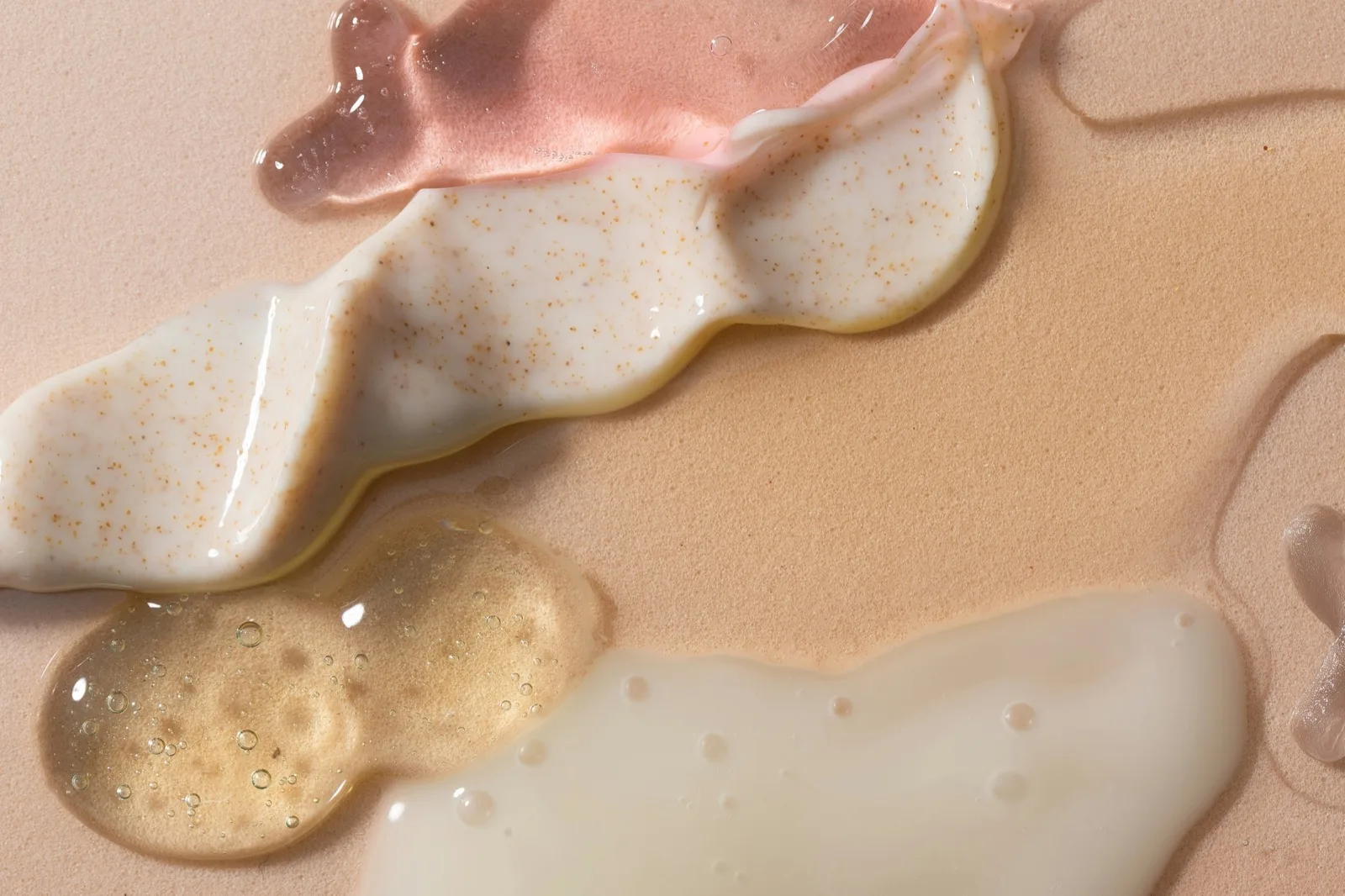
Japanese formulators design nyueki around emollients—fine lipid molecules such as squalane, jojoba oil, caprylic/capric triglycerides, and human-type ceramides. Because the emulsion has high fluidity, these micro-emulsified droplets slip effortlessly into the intercellular lipid matrix. They lubricate corneocyte margins, restoring biological elasticity and suppleness without needing heavy petrolatum.
2. Preventing Occlusive Suffocation
Heavy occlusive waxes can trap sweat and ambient heat against the skin, especially in warm climates or under face masks, provoking follicular congestion. The 15% to 25% oil phase of nyueki creates a breathable, semi-permeable film. It curtails excessive trans-epidermal water loss (TEWL) while allowing natural skin respiration and perspiration to function smoothly.
As natural aging and cutaneous lipid depletion[1] diminish sebum production from the late twenties onward, delivering calibrated lipids via fluid milk maintains barrier comfort.
How to Choose and Layer: Tailoring to Your Climate and Skin Type
Understanding an emulsion's role allows you to customize your routine dynamically across changing seasons:
1. Humid Seasons or Oily Skin Types: Emulsion as the Final Step
During summer months or for individuals with combination to oily complexions, layering a heavy Western cream leads to midday grease and clogged pores. In this scenario, keshosui followed by nyueki provides complete, balanced hydration. The emulsion seals moisture effectively without adding unnecessary heavy waxes.
2. Arid Winters or Very Dry Skin: The Three-Step Sandwich
During dry winter months or in desert climates where relative humidity drops below 30%, nyueki serves as the vital softening bridge between lotion and a rich cream (kuriimu):
Hydrate: Pat two layers of conditioning lotion (keshosui) onto clean skin.
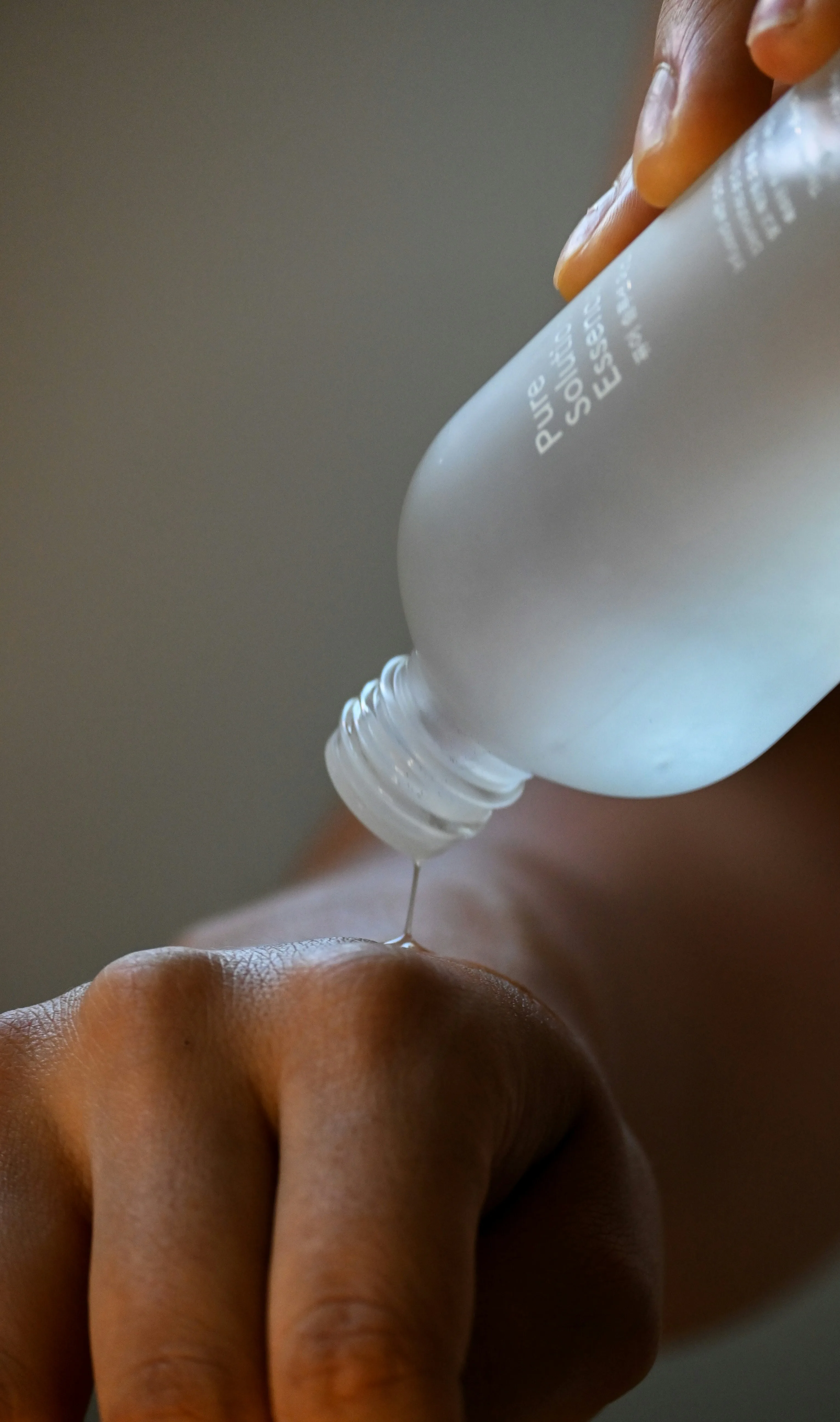
Soften: Press one nickel-sized pump of emulsion milk (nyueki) across the face to soften the stratum corneum and replenish lamellar lipids.
Lock: Dab a small amount of rich ceramide cream or pure squalane oil over the cheeks to establish a heavy environmental barrier.
Signs to Stop and When to See a Doctor
Japanese emulsions are engineered for high biocompatibility, but individual sensitivities can occasionally emerge:
Midday Oil Slick: If your T-zone looks excessively shiny within two hours of application, you are using a "Rich" (shittori) grade emulsion when your skin requires a "Light" (sappari) formula.
Tiny Bumps Along the Hairline: Follicular congestion can indicate an intolerance to specific emulsifiers or heavy botanical esters.
Pruritus or Redness: Itching shortly after application suggests adverse contact dermatitis or vehicle intolerance[2] to added fragrances or preservatives.
[!WARNING]
If you develop acute swelling, persistent weeping contact dermatitis, or widespread hives, rinse thoroughly with cool water, discontinue usage, and consult a dermatologist. To guard delicate lipid structures against photo-oxidative breakdown, always complete your morning skincare routine with broad-spectrum daily sunscreen defense[3].
FAQ
Q1. Can I use a Japanese emulsion without a lotion (keshosui)?
A. While possible, applying emulsion over lotion delivers significantly better hydration.(Details)
Emulsions contain lipids designed to seal in moisture. Applying an emulsion directly to dry skin provides softening oils, but misses the deep stratum corneum water replenishment that a watery conditioning lotion provides first.
Q2. Is an emulsion the same thing as a lightweight Western lotion?
A. The terms are similar, but Japanese formulations prioritize stratum corneum softening over thick wax coatings.(Details)
In the West, "lotion" usually describes a lighter version of a body cream. In Japan, "lotion" (keshosui) refers to a watery toner, while "emulsion" (nyueki) specifically refers to a balanced milky fluid designed to restore lipid elasticity.
Q3. Will an emulsion milk provide enough moisture during dry winter months?
A. For very dry complexions, layering a cream over the emulsion provides optimal winter comfort.(Details)
In humid conditions, an emulsion is completely sufficient. However, in severe winter cold or dry indoor heating, very dry skin types benefit from following their emulsion with a rich cream or a drop of squalane oil to reinforce occlusion.
Q4. Can people with oily or acne-prone skin use Japanese nyueki?
A. Yes, choosing a "Light" or oil-free emulsion prevents dehydration-induced rebound oiliness.(Details)
Oily skin often suffers from internal dehydration, prompting sebaceous glands to overproduce oil. Lightweight Japanese emulsions hydrate without heavy pore-clogging waxes, helping normalize sebum production smoothly.
Q5. Why do Japanese beauty brands offer multiple emulsion grades (e.g., Light vs Moist)?
A. Japanese brands calibrate lipid-to-water ratios so users can match seasonal humidity precisely.(Details)
Brands like Shiseido and Albion typically offer Light (sappari), Moist (shittori), and Extra Moist (totemo shittori) tiers. This allows consumers to maintain their favorite active ingredients while adjusting lipid heaviness between humid summers and dry winters.
Summary and Key Takeaways
Japanese emulsion milk (nyueki) represents a mindful, balanced approach to skin barrier hydration:
Two-Step Balance: Separating water humectants (keshosui) from fluid emollient lipids (nyueki) provides precise, customizable hydration.
The 20% Oil Ratio: Delivers essential barrier-softening lipids without suffocating pores under heavy wax films.
Flawless Layering: Absorbs quickly into a velvety finish that never pills under daily sunscreen or foundation.
By integrating a refined Japanese emulsion into your daily regimen, you provide your skin with the harmonious balance of water and oil needed to stay resilient, comfortable, and naturally radiant across every season.
Disclaimer: This article is for general information and education about Japanese cosmetics and their labels. It is not a substitute for professional medical advice, diagnosis, or treatment. Skincare results vary from person to person. Product formulas, availability, prices, and regulations change, and products sold in Japan can differ from versions sold elsewhere, so always check the current label. Do a patch test before introducing a new product, and consult a doctor or dermatologist if you have a skin condition or specific concerns.