title: Japanese Cotton Pad Patting vs Bare Hands Guide slug: japanese-cotton-pad-patting-vs-bare-hands category: hydration published_at: '2026-11-27' updated_at: '2026-11-27' meta_description: Compare Japanese cotton pad patting and bare-hand pressing for toner. Discover which lotion application method suits your skin type to avoid friction. keywords:
- japanese cotton pad patting vs bare hands
- keshosui application method
- hand press skincare japan
- cotton pad toner friction
- j-beauty lotion technique author: Seibun Lab Editorial Team
Japanese Cotton Pad Patting vs Bare Hands Guide
When stepping up to a Japanese department store beauty counter—or browsing iconic pharmacy aisles—you will encounter two deeply passionate skincare philosophies regarding conditioning lotion (keshosui): the cotton pad school and the bare-hand press school.
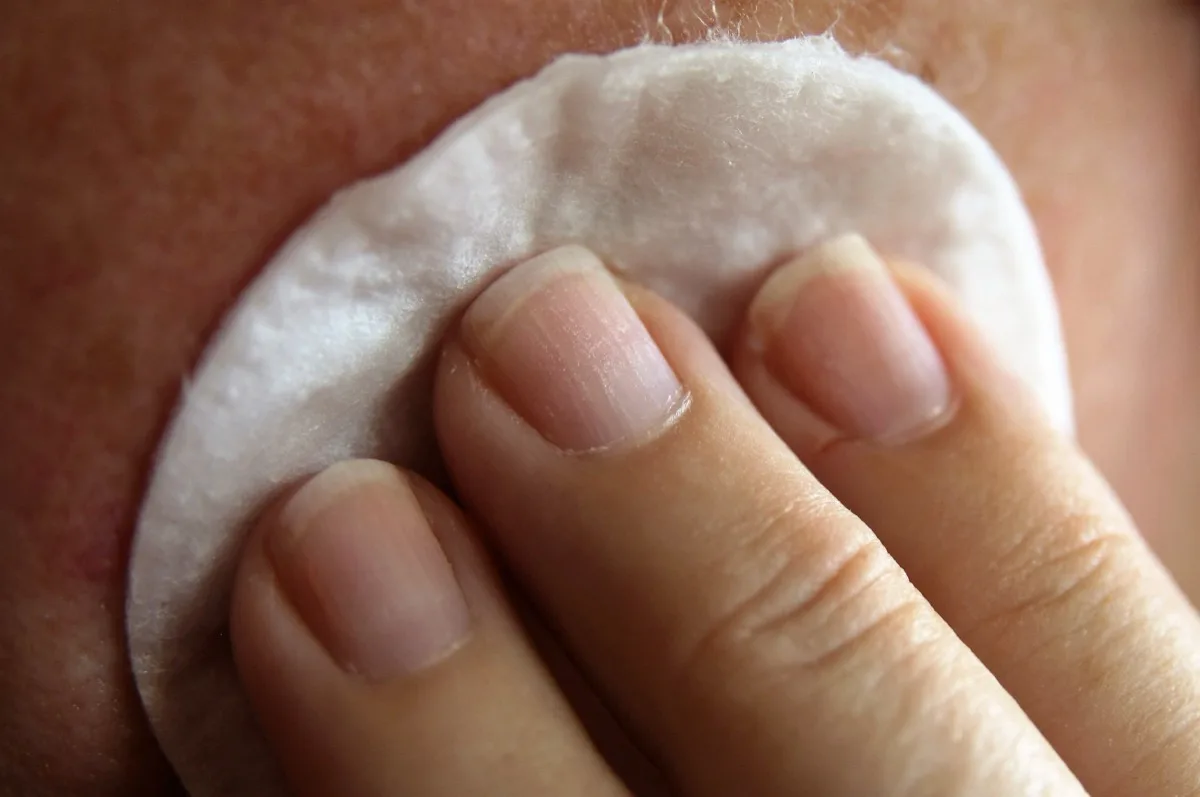
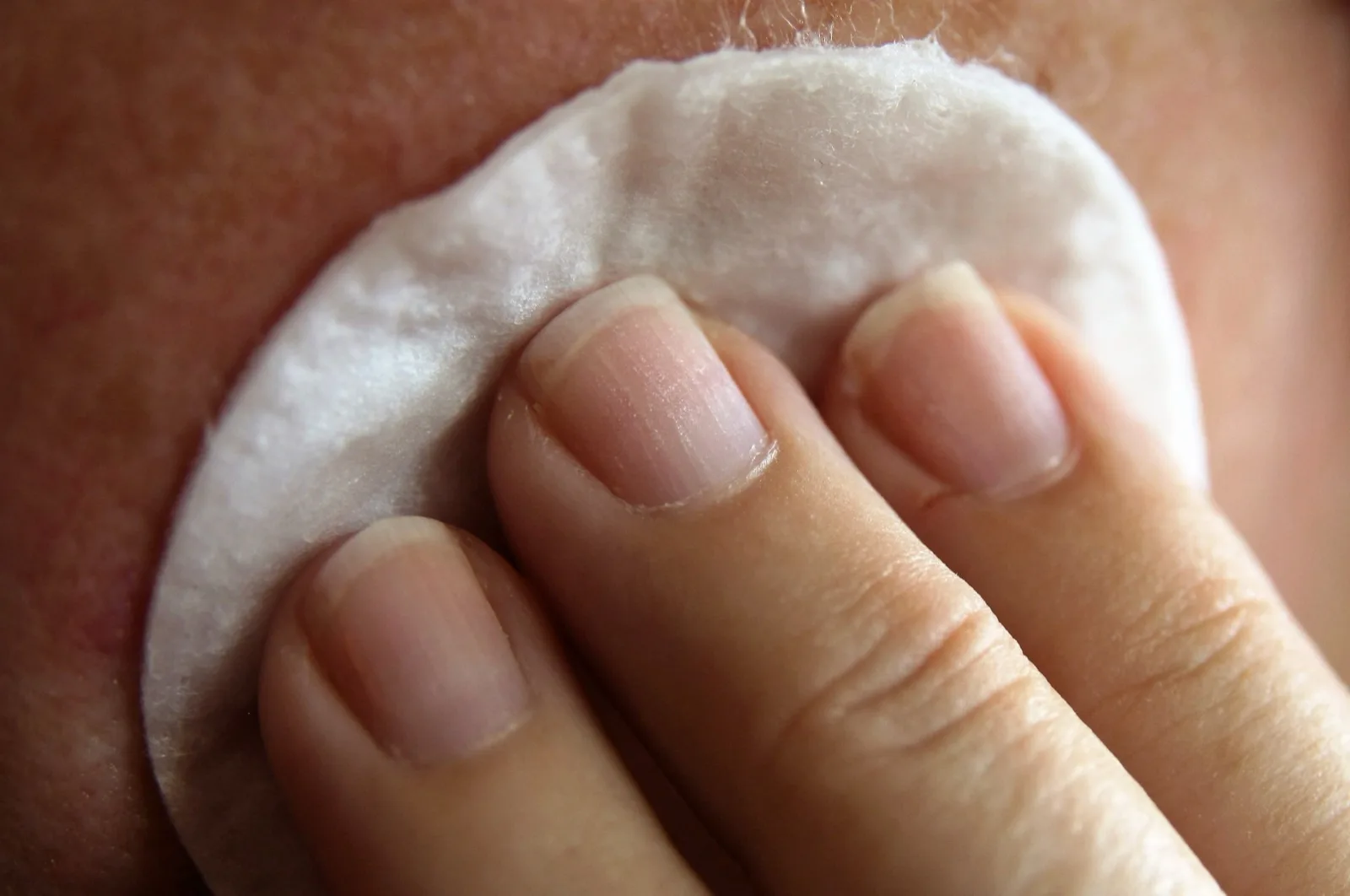
Heritage cosmetic houses often instruct customers to apply watery lotions and emulsions using thick, unbleached cotton pads, insisting that cotton fibers deposit fluid into microscopic skin crevices evenly. Meanwhile, Japanese clinical dermatologists advocate exclusively for warm bare-hand pressing, warning that repeated cotton swiping causes microscopic friction that gradually thins fragile barriers.
Which method is right for your daily ritual? Here is the biophysical science behind both techniques, how mechanical friction impacts the stratum corneum, and how to tailor your lotion application to your skin's immediate biological needs.
The Great J-Beauty Debate: Cotton Pads vs Warm Bare Hands
To evaluate each method objectively, we must understand the physical mechanisms at work during application:
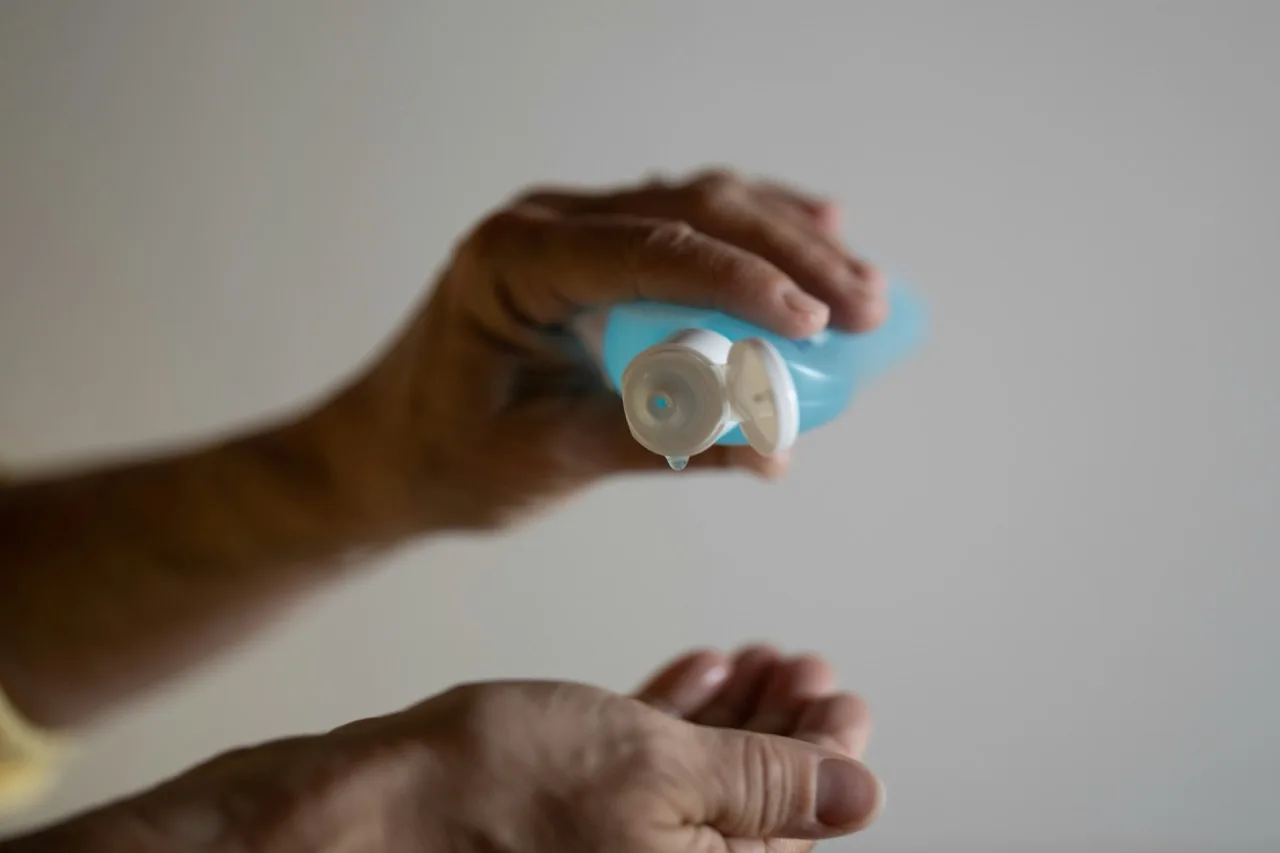
1. The Physics of the Bare-Hand Press (Hando Puresu)
The bare-hand press utilizes the natural physiology of human palms:
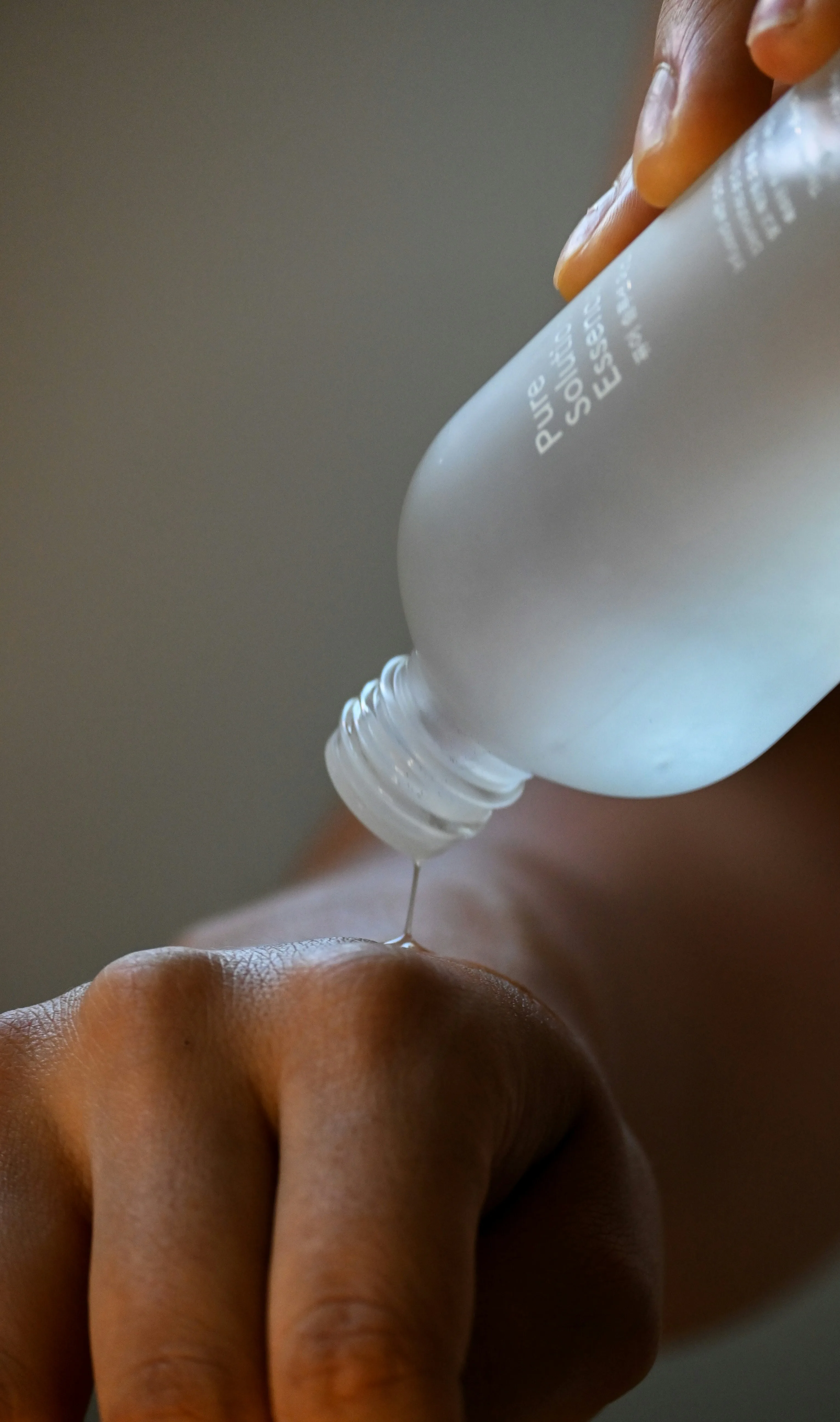
- Thermal Transfer: Body heat from warm palms gently warms watery lotion molecules, reducing surface tension and facilitating smooth moisture absorption into the upper stratum corneum.
- Zero Fiber Friction: The smooth stratum corneum of your palms has no protruding synthetic or cellulose fibers, completely avoiding abrasive micro-scratches on sensitive facial skin.
- Minimal Waste Myth: International consumers often worry that hands "absorb all the toner." In reality, palm skin is thick, dense, and non-porous; palms absorb only a negligible fraction of liquid, transferring the vast majority directly to the face.
2. The Physics of Cotton Pad Application (Kotton)
Cotton pads act as a fluid reservoir designed to overcome facial topography:
- Topographical Uniformity: Human facial skin is not flat; it features micro-grooves, facial contours, nasolabial folds, and pores. Saturated cotton compresses flexibly into these contours, ensuring uniform hydration without dry patches.
- Micro-Exfoliation: As a cotton pad glides across the skin, its soft woven matrix lifts oxidized surface sebum, loose dead keratinocytes, and microscopic environmental grime.
- Controlled Dosing: A cotton pad holds a measured volume of lotion, releasing moisture gradually as gentle pressure is applied.
Scroll horizontally to view full comparison
| Application Factor | Bare-Hand Press (*Hando Puresu*) | Saturated Cotton Pad (*Kotton*) |
|---|---|---|
| Friction Risk | Zero (Ultra-gentle pressing) | Low to Moderate (Increases if under-soaked) |
| Thermal Benefit | High (Palm warmth softens barrier) | Low (Cotton provides slight cooling sensation) |
| Evenness Across Pores | Requires careful sectional pressing | Exceptionally uniform across facial contours |
| Lotion Consumption | Economical (3–5 drops per layer) | High (Requires thorough saturation) |
| Skin Compatibility | Sensitive, rosacea-prone, dry, fluctuating | Oily, thick keratin, rough texture, combination |