Japanese Lip Scrub: Gentle Sugar Balm Routine Guide
HydrationBy Seibun Lab Editorial Team
title: Japanese Lip Scrub: Gentle Sugar Balm Routine Guide
slug: japanese-lip-scrub-gentle-sugar-balm-routine
category: hydration
category_label: Hydration
published_at: '2026-11-23'
updated_at: '2026-11-23'
meta_description: Discover how Japanese sugar lip scrubs exfoliate delicate lips gently. Learn ideal weekly frequency, melting balm textures, and nourishing ceramide care.
description: Discover how Japanese sugar lip scrubs exfoliate delicate lips gently. Learn ideal weekly frequency, melting balm textures, and nourishing ceramide care.
lead_image: /images/stock/finger-scooping-yellow-balm-texture.webp
lead_image_alt: Soft yellow Japanese sugar lip scrub balm being gently scooped with fingertip
thumbnail: /images/stock/finger-scooping-yellow-balm-texture.webp
thumbnail_alt: Soft yellow Japanese sugar lip scrub balm being gently scooped with fingertip
author: Editorial Team
publish: true
Japanese Lip Scrub: Gentle Sugar Balm Routine Guide
Chapped, peeling lips are an all-too-common beauty frustration, especially during seasonal temperature swings and dry winter heating. While the immediate urge is often to reach for an abrasive physical exfoliant or pick away dry flakes, Japanese cosmetic dermatology approaches lip care with extreme delicacy.
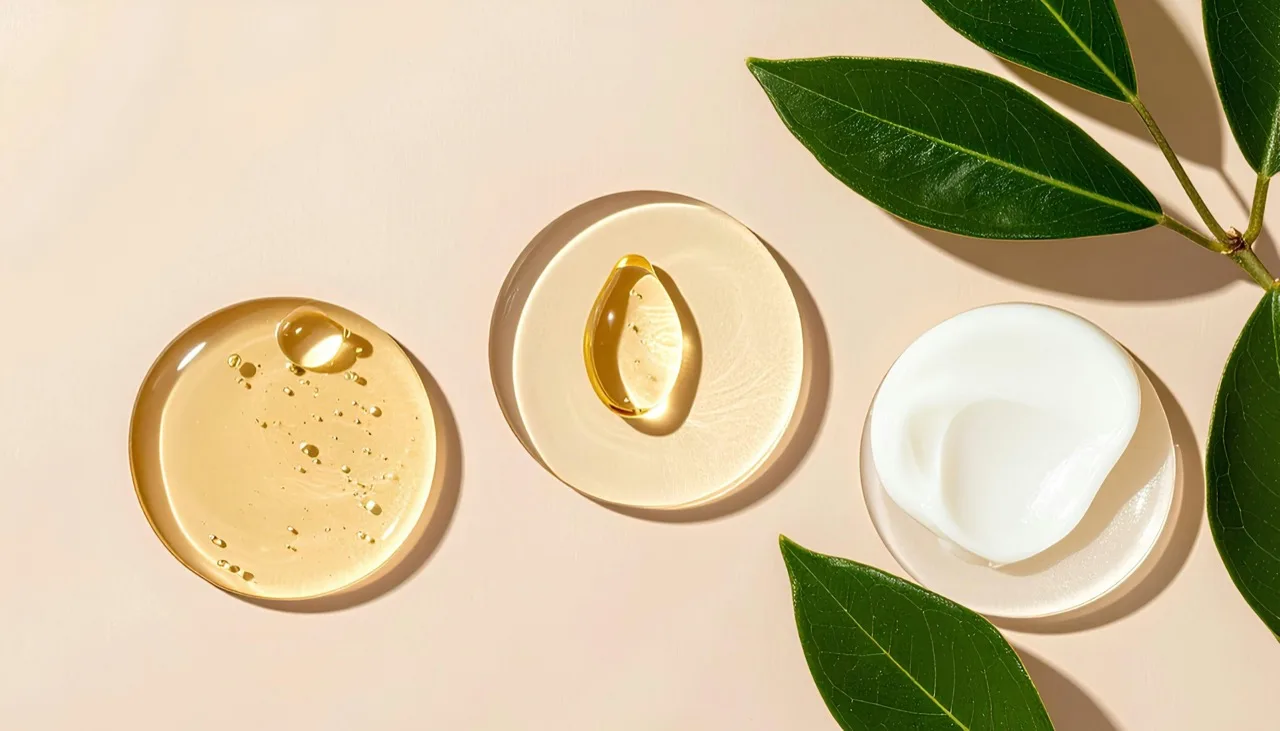
In Japan, traditional coarse salt scrubs and rigid manual exfoliators are largely avoided for lip maintenance. Instead, Japanese beauty laboratories have perfected the "melting sugar balm" (shugaa rippu suku-rabu). By suspending micro-fine sugar crystals within rich, skin-cushioning emollients, these formulations gently dissolve stubborn dead flakes while simultaneously infusing vital humectants and ceramides into the fragile vermilion border.
The Vulnerable Anatomy of the Lips (Vermilion Zone)
Understanding why Japanese lip care emphasizes extreme gentleness requires looking at labial histology:
Exceptionally Thin Stratum Corneum: The stratum corneum covering the lips contains only 3 to 5 cellular layers—roughly one-third the thickness of facial skin.
Zero Sebaceous or Sweat Glands: Lips lack the natural lipid-sebum coating that protects the rest of the face from dehydration. They cannot produce their own protective lipid mantle.
High Trans-Epidermal Water Loss (TEWL): Moisture evaporates from the vermilion surface up to three times faster than from cheeks or forehead.
Because lips are so structurally delicate, coarse scrubs or vigorous rubbing can easily cause micro-fissures, bleeding, and chronic inflammation. Japanese sugar balms are specifically engineered to respect this physiological fragility.
The Japanese Melting Sugar Balm Architecture: Zero-Rinse Convenience
The defining hallmark of Japanese sugar lip scrubs is their transformative texture. Rather than relying on rigid, insoluble granules, Japanese formulations utilize sucrose crystals engineered to melt gracefully with bodily warmth:
1. Water-Binding Sucrose (Sugar) Crystals
Unlike sharp mineral salts or ground walnut shells, sugar crystals are rounded and naturally hygroscopic. As you gently massage the balm across your lips:
Micro-fine crystals provide initial friction to lift detached, flaky keratin.
Contact with lip warmth and natural moisture causes the sucrose to gradually dissolve, preventing over-exfoliation.
Melted sugar transforms into a hydrating humectant syrup that draws ambient moisture into upper mucosal layers.
The surrounding base is not a watery gel, but an intensive lipid cushion. The delicate lipid matrix of the epidermal stratum corneum experiences progressive natural functional deceleration over time[1], making emollient replenishment essential:
Plant Squalane and Camellia Oil: Provide effortless slip, ensuring fingers glide smoothly without dragging or stretching sensitive lip contours.
Fermented Honey and Royal Jelly Extract: Impart deep botanical moisture and natural conditioning sugars.
Ceramide NP and Phytosterols: Form a breathable, flexible barrier that stays on the lips long after the crystals have dissolved.
Many Japanese sugar lip scrubs are formulated as leave-on bedtime treatments, removing the need for abrasive tissue wiping or rinsing.
Comparison Table: Japanese Sugar Scrub vs Traditional Salt Scrub vs Peeling Acids
To help you understand how Japanese sugar formulations differ from other lip exfoliation methods, consider this comparative analysis:
Scroll horizontally to view more
Exfoliation Method
Primary Exfoliating Agent
Mechanical Abrasion Level
Post-Care Requirement
Japanese Sugar Scrub Balm
Micro-fine melting sucrose in botanical oils
Ultra-mild (crystals dissolve within 60 seconds)
None (melts into a protective overnight lip mask)
Traditional Salt Lip Scrub
Coarse sodium chloride grains
High (sharp crystalline edges can sting)
Requires complete water rinsing and heavy balm follow-up
Chemical Lip Peeling Acids
Low-percentage AHA / PHA fruit acids
Non-mechanical (enzymatic / chemical dissolution)
Requires strict neutralization and careful barrier monitoring
Step-by-Step Japanese Evening Lip Ritual & Optimal Frequency
In Japanese beauty routines, lip exfoliation is performed thoughtfully as an evening ritual rather than a hurried morning step:
1. Optimal Frequency: 1 to 2 Times Weekly
Over-exfoliating is the leading cause of recurring lip chapping. Limit sugar scrub applications to once or twice a week. If lips feel comfortable and smooth, once every ten days is sufficient.
2. The Steam Softening Pre-Step
Before applying the scrub, press a warm, damp cotton pad or washcloth against your lips for 30 seconds. The gentle steam softens hardened keratin flakes, allowing them to release with minimal manual effort.
3. Circular Ring-Finger Application
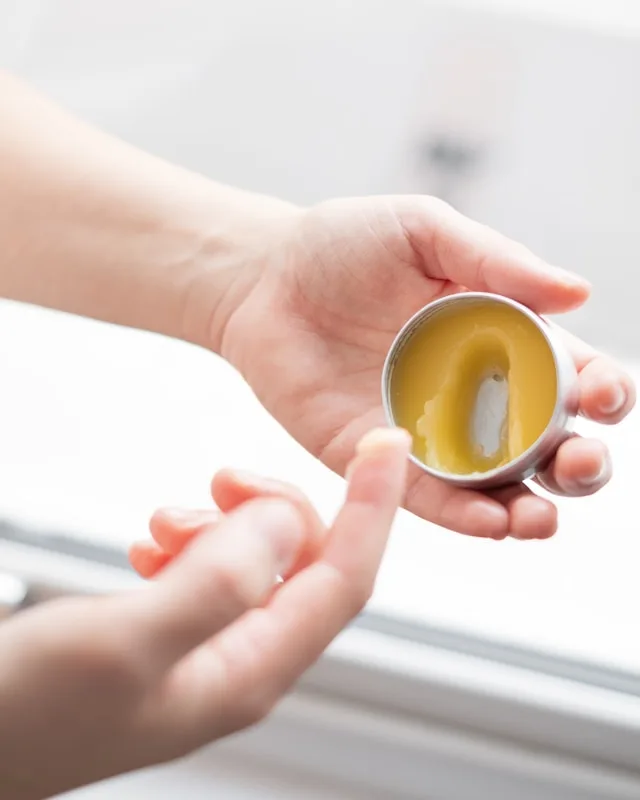
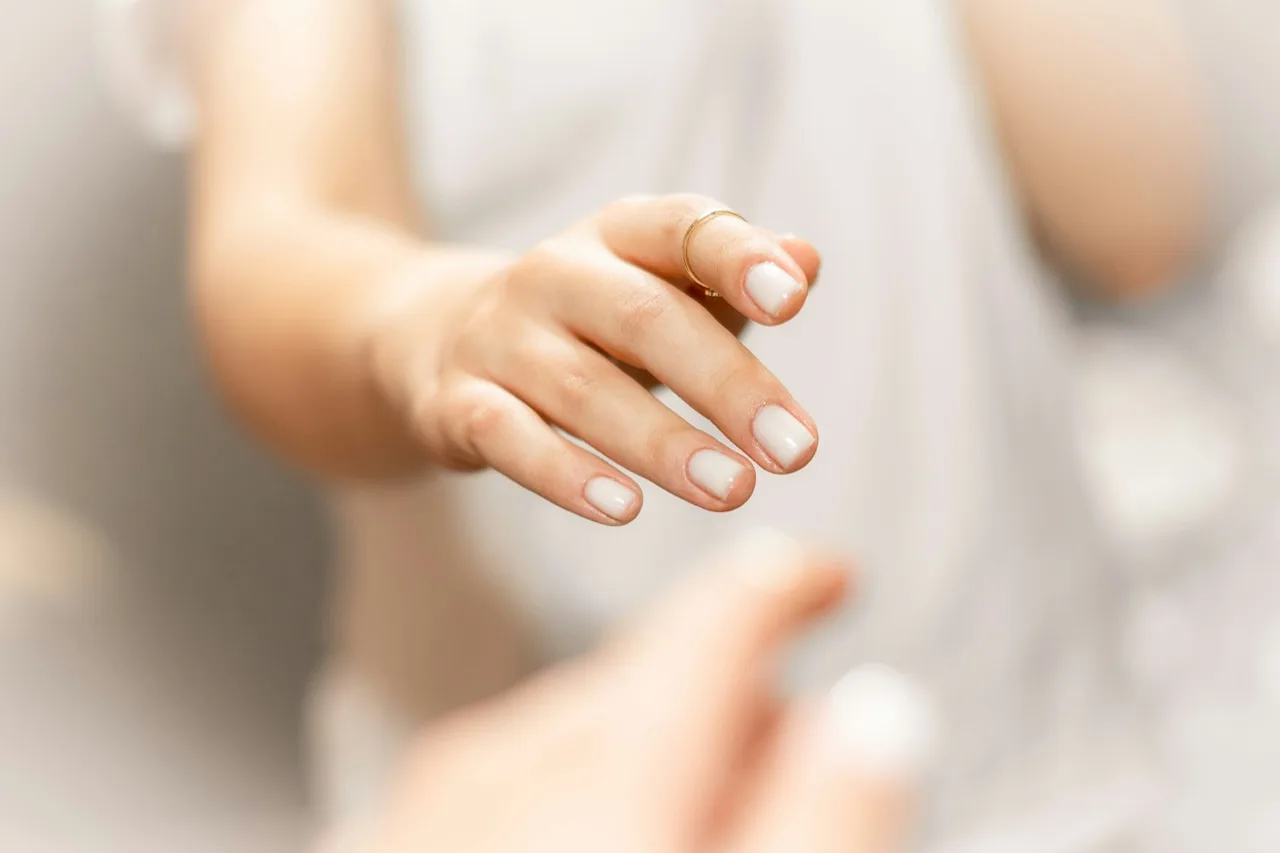
Scoop a pea-sized amount of sugar balm using your ring finger—which naturally exerts the lightest pressure. Smooth the balm across the upper and lower lips in small, featherlight circular motions for 30 to 45 seconds until the sugar grains fully dissolve into a glossy veil.
4. Daytime Sun Protection
Pairing daily daytime lip balm with broad-spectrum UV protection creates a resilient defense against sun-induced dryness[2], safeguarding newly smoothed lips from ultraviolet pigmentation and photoaging.
Signs to Stop and When to Consult a Specialist
Because lips lack a thick defensive barrier, discontinuing exfoliation during flare-ups is vital:
Active Cracking or Bleeding: Never use any scrub—even gentle sugar—on split lips or weeping cracks. Mechanical friction disrupts wound closure.
Angular Cheilitis (Koukaku-en): Cracking at the corners of the mouth is often fungal or bacterial rather than simple dryness; scrubbing will aggravate the condition.
Persistent Stinging: Unrefined exfoliating grains and concentrated essential oils may trigger contact irritation in individuals with compromised barrier integrity[3]. If a flavored lip balm induces swelling or burning, cease use immediately.
If painful cracking, blistering, or lip swelling persists beyond one week, consult a board-certified dermatologist for clinical evaluation.
FAQ
Q1. How often should I use a Japanese sugar lip scrub?
A. Once or twice a week at night is the recommended Japanese standard.(Details)
Because the lip stratum corneum turns over rapidly (every 3 to 5 days), gentle exfoliation once or twice weekly is plenty to maintain petal-soft smoothness without thinning the fragile labial tissue.
Q2. Do I need to wash off a Japanese melting sugar scrub?
A. Most modern Japanese sugar balms are leave-on formulations that double as lip packs.(Details)
Unless the product packaging specifically instructs rinsing, you can let the dissolved sugar and rich emollient base remain on your lips overnight, waking up to deeply nourished, plump lips without messy cleanup.
Q3. Can I scrub severely chapped or peeling lips?
A. No, wait until active cracks close before using any scrub.(Details)
If your lips are actively bleeding, cracked, or raw, mechanical scrubbing will worsen tearing. Instead, apply a thick layer of medical-grade petrolatum or ceramide ointment until the surface skin fully calms down.
Q4. Can I make a DIY scrub using kitchen granulated sugar?
A. Commercial Japanese scrubs use specially milled, rounded micro-crystals that are far gentler.(Details)
Standard household table sugar has large, irregular crystals with jagged facets that can cause microscopic tears on delicate lips. Commercial Japanese balms utilize refined, uniformly fine spherical sucrose embedded in balanced emollients.
Q5. Why is sugar preferred over salt or walnut shells for lip care?
A. Sugar dissolves with body heat and naturally attracts moisture, unlike rigid salt or shells.(Details)
Salt has sharp crystalline structures that dehydrate cells and cause intense stinging on chapped skin. Sugar is a natural humectant that melts smoothly at body temperature, leaving a soft moisture barrier instead of abrasive irritation.
Conclusion: Nurturing Petal-Soft Lips with Patient Gentleness
Japanese sugar lip scrub balms demonstrate how thoughtful formulation transforms a potentially harsh routine into a soothing, restorative luxury. By respecting the fragile biology of the lips and pairing melting sucrose with replenishing botanical lipids, J-beauty delivers enduring softness without abrasive trauma. Incorporating this mindful evening ritual once or twice a week ensures your lips stay pillowy, comfortable, and beautifully prepared for smooth lip color application.
References
The Japanese Dermatological Association. Sunburn Q&A on Photoaging and Biological Alterations in Aging Skin (Q5). https://www.dermatol.or.jp/qa/qa2/q05.html (Accessed 2026-11-23)
The Japanese Dermatological Association. Dermatological Q&A on Sunscreen Application for Long-Term Prevention (Q25). https://www.dermatol.or.jp/qa/qa3/q25.html (Accessed 2026-11-23)
The Japanese Dermatological Association. Dermatological Q&A on Contact Irritation and Scalp Friction Mechanisms (Q1). https://www.dermatol.or.jp/qa/qa4/q01.html (Accessed 2026-11-23)
Disclaimer: This article is for general information and education about Japanese cosmetics and their labels. It is not a substitute for professional medical advice, diagnosis, or treatment. Skincare results vary from person to person. Product formulas, availability, prices, and regulations change, and products sold in Japan can differ from versions sold elsewhere, so always check the current label. Do a patch test before introducing a new product, and consult a doctor or dermatologist if you have a skin condition or specific concerns.