Japanese Occlusive Cream vs Humectant Lotion Balance
HydrationBy Seibun Lab Editorial Team
title: Japanese Occlusive Cream vs Humectant Lotion Balance
slug: japanese-occlusive-cream-vs-humectant-lotion
category: hydration
published_at: '2026-11-27'
updated_at: '2026-11-27'
meta_description: Discover how Japanese cosmetic chemistry balances humectant moisture lotions and occlusive emollient creams. Master the water-lipid ratio for healthy skin.
keywords:
japanese occlusive cream vs humectant lotion
moisture vs emollient japanese skincare
water and oil balance j beauty
keshosui humectants cream occlusives
stratum corneum moisture seal
author: Seibun Lab Editorial Team
Japanese Occlusive Cream vs Humectant Lotion Balance
In global skincare terminology, the word "moisturizer" is applied broadly to almost anything that comes in a pump bottle or cream jar. Whether a light gel, a watery essence, or a heavy cold cream, everything is lumped together under a single functional umbrella.
In Japanese cosmetic science, however, regarding hydration as a single step is considered a biological misunderstanding. Japanese chemists rigorously separate skin hydration into two distinct, interdependent actions: moisture supply (kyūsui, driven by humectants) and emollient sealing (yubun hōbi, driven by occlusives).
Why do Japanese dermatologists insist that water and oil must be balanced rather than substituted? Supporting natural barrier resilience and moisture retention requires supplying aqueous humectants and lipid occlusives in harmonized proportions.[1] Here is the biophysical science behind Japan's moisture-versus-emollient balance, what happens when the ratio fails, and how to calibrate your daily skincare layers.
The Two Pillars: Moisture (Humectants) vs Emollient (Occlusives)
To understand why your skin feels tight despite applying rich oils, one must examine the distinct functions of the two cosmetic pillars:
1. The Moisture Pillar: Humectant Conditioning Lotions (Keshosui)
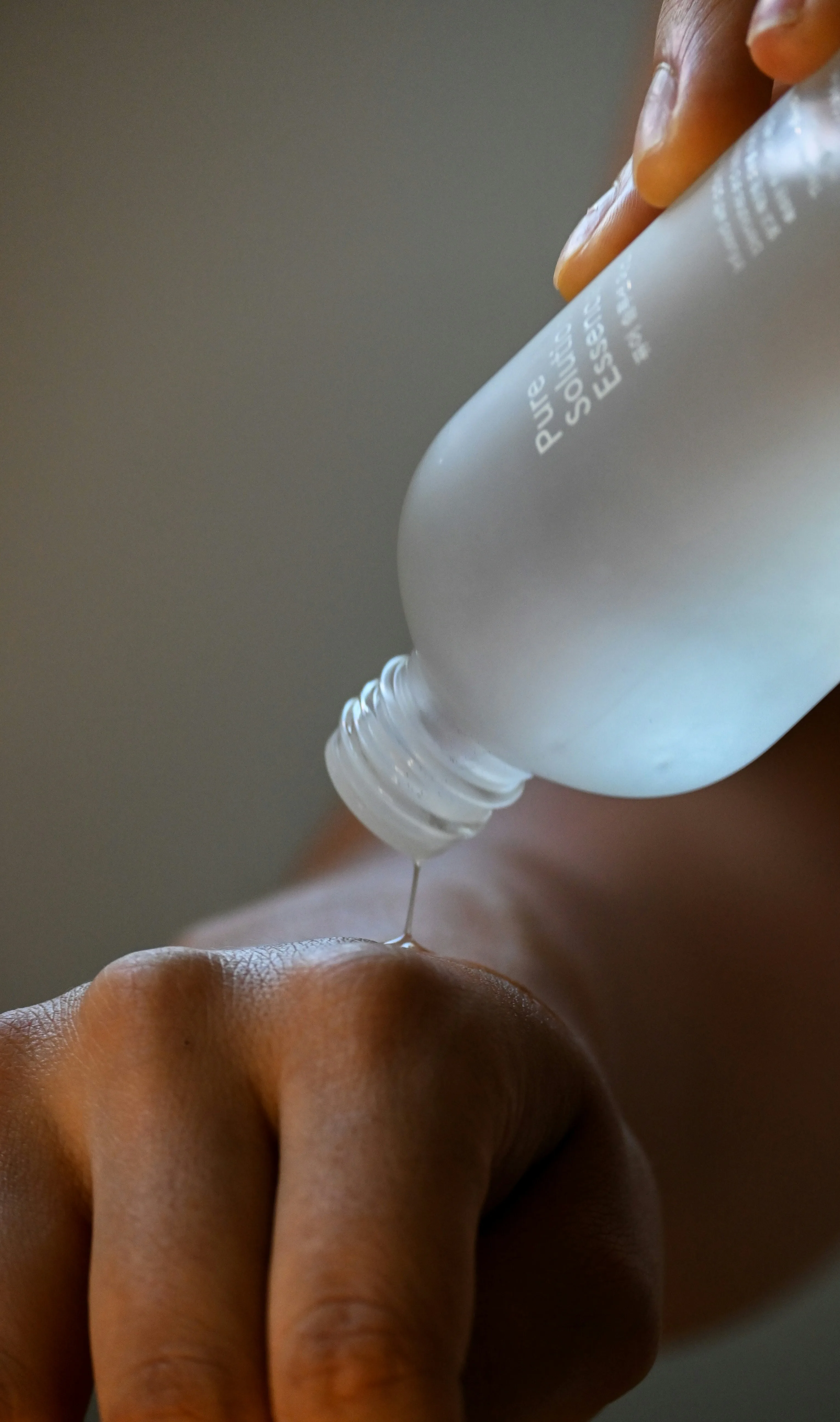
Humectants are water-loving (hydrophilic) molecules designed to attract and bind water within the cellular matrix:
Core Ingredients: Glycerin, hyaluronic acid, sodium PCA, amino acids, and polyols (such as butylene glycol).
Biological Role: Corneocytes (the flattened dead cells of the stratum corneum) require internal water to maintain structural plumpness and flexibility. Humectants move into these dry cells, binding water molecules like microscopic sponges.
Limitation: Humectants supply water, but they cannot physically block evaporation. If exposed to dry ambient air, they gradually release their bound water into the atmosphere.
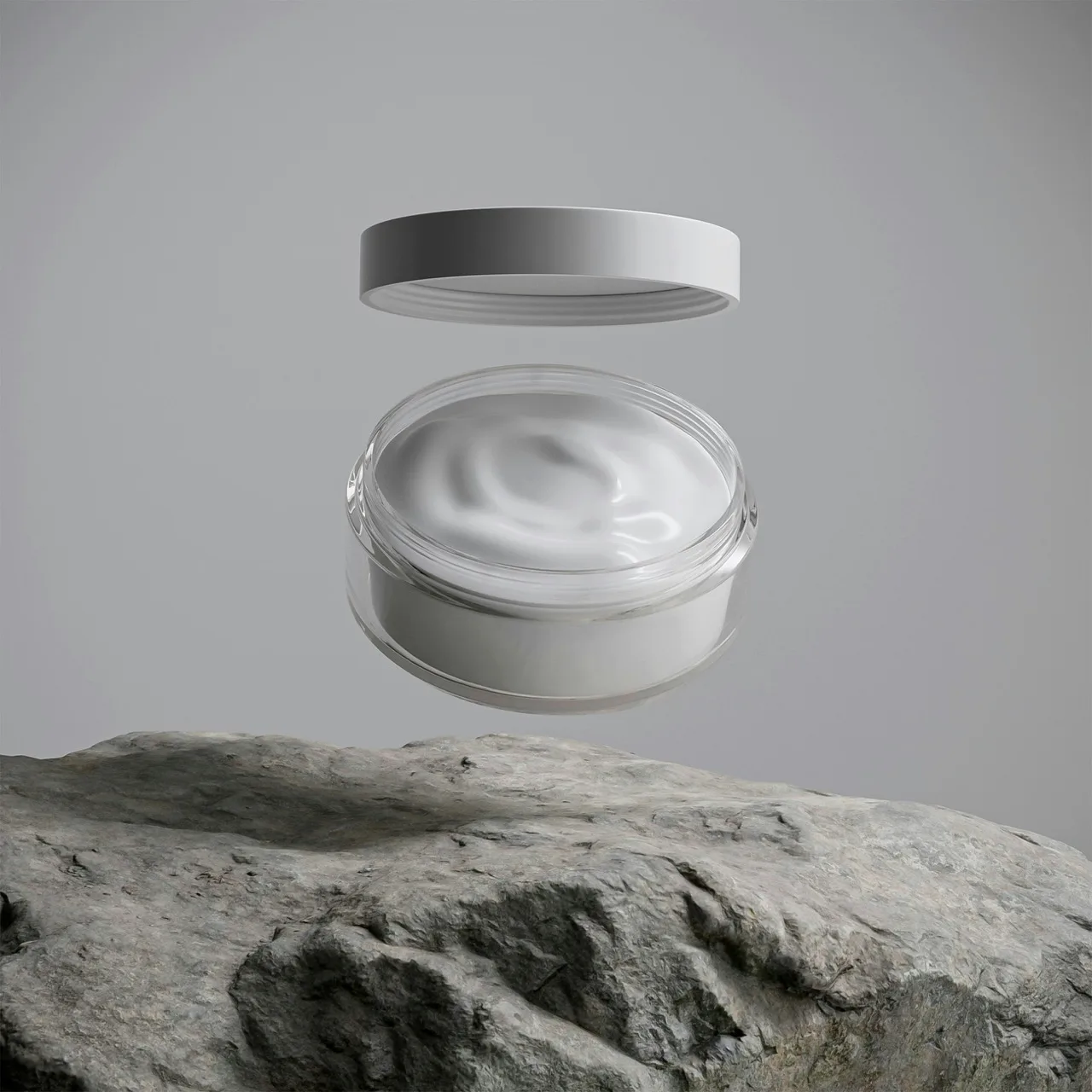
2. The Emollient Pillar: Occlusive Creams and Milky Emulsions (Nyueki & Kurīmu)
Occlusives and emollients are oil-loving (lipophilic) lipids designed to soften tissues and create physical barriers:
Biological Role: These lipids slide into the intercellular spaces between corneocytes, smoothing rough cell edges (emollient effect) and creating an impermeable roof that halts trans-epidermal water loss (occlusive effect).
Limitation: Occlusives seal in moisture, but they contain almost no water. Applying an occlusive over dehydrated skin traps dryness rather than relieving it.
Scroll horizontally to view full comparison
Functional Aspect
Humectant Lotion (*Moisture*)
Occlusive Cream (*Emollient*)
Primary Formulation Base
Water-dominant aqueous fluid
Lipid-dominant emulsion or balm
Primary Target
Intracellular corneocyte hydration
Intercellular lipid sealing & flexibility
Tactile Sensation
Cool, watery, deeply quenching
Rich, velvety, softening protective coat
Evaporation Defense
Very Low (Requires lipid seal)
Very High (Physically blocks TEWL)
Japanese Routine Role
Step 1: Quenches cellular thirst
Step 2: Seals the foundation
The Imbalance Scenarios: What Happens When the Ratio Fails?
When skincare routines tilt too heavily toward either water or oil, the stratum corneum exhibits predictable distress signals:
Imbalance A: All Water, No Oil (The Flash Evaporation Trap)
A common mistake among oily and acne-prone consumers is layering multiple hydrating lotions, essences, and sheet masks while skipping emulsions out of fear of greasiness:
The Outcome: The skin feels instantly quenched for five minutes. However, because no occlusive lipid layer was applied to seal the surface, ambient room air draws the water out rapidly through trans-epidermal suction.
The Result: Flash dehydration. The stratum corneum contracts, corneocytes curl upward, and the skin reacts by producing emergency rebound sebum, leaving the face simultaneously tight and shiny.
Imbalance B: All Oil, No Water (The Suffocated Dryness Trap)
Conversely, individuals with very dry skin often skip lightweight watery lotions and apply pure facial oils or heavy wax creams directly onto washed skin:
The Outcome: The oil coats the surface in a glossy film, but the underlying corneocytes remain shriveled and parched—resembling dry parchment brushed with cooking oil.
The Result: Persistent rough texture, flaking beneath makeup, and clogged pores, because oxidized oils sit atop un-plumped cellular debris without delivering true hydration.
The Japanese Balance Protocol: Customizing Water-to-Oil Ratios
Japanese beauty methodology views the water-to-oil ratio not as a rigid formula, but as an adjustable dial tuned to climate humidity and skin geography:
1. Calibrating by Season and Skin Type
Humid Summer / Oily Skin (80% Water / 20% Oil): Drench the skin with generous amounts of lightweight conditioning lotion (sappari keshosui), followed by a dime-sized veil of fluid milky emulsion (nyueki).
Temperate Autumn & Spring (70% Water / 30% Oil): Use standard hydrating lotion, paired with a nourishing moisture emulsion.
Dry Winter / Mature Skin (60% Water / 40% Oil): Practice the double-lotion press (stacking two rounds of rich lotion), followed by milky emulsion, and finished with a targeted dab of occlusive barrier cream on dry zones.
2. Zone-Specific Mapping (Bui-Betsu Kea)
Facial sebaceous glands are not distributed evenly across the face:
The T-Zone (Forehead and Nose): Naturally produces abundant sebum. Apply generous humectant lotion, but sweep only leftover emulsion residue across this area.
The U-Zone (Cheeks, Jawline, and Neck): Lacks dense oil glands. After pressing your lotion, apply a concentrated layer of emollient cream or balm to shield against environmental wind and indoor air conditioning.
Signs to Stop and When to See a Doctor
While balancing moisture and emollients stabilizes barrier health, abrupt changes or ingredient sensitivities can provoke skin reactivity.
Be attentive to these warning signs:
Sudden emergence of tiny white comedones or follicular pustules following the introduction of a heavier occlusive cream.
Stinging or localized burning sensations when applying watery humectant lotions.
Flushed erythema or rough itchy plaques across the cheeks and perimeter of the face.
Discontinue use immediately and consult a medical professional if adverse contact dermatitis or barrier-imbalance irritation develops.[2] If your skin barrier feels sensitized, simplify your routine to lukewarm water rinses and an unscented, high-purity ceramide balm until clinical guidance is obtained.
FAQ
Q1. Can I use pure facial oil instead of an emollient cream?
A. Facial oils provide emollients, but creams seal moisture more evenly due to emulsification.(Details)
Pure facial oils are 100% lipid and lack emulsifiers, meaning they sit on top of watery lotions rather than blending with them. Modern Japanese creams and milky emulsions contain micro-emulsified water and oil phases, allowing them to integrate naturally with preceding humectants for smoother barrier coverage.
Q2. Is hyaluronic acid considered a humectant or an occlusive?
A. Hyaluronic acid is a powerful humectant that requires an occlusive layer over it.(Details)
Hyaluronic acid binds up to 1,000 times its molecular weight in water, making it one of skincare's premier humectants. However, in low-humidity environments (such as heated winter rooms), hyaluronic acid can draw water out of the skin if not sealed beneath an emollient cream or lipid emulsion.
Q3. Why does my skin feel dry underneath a layer of heavy cream?
A. Heavy creams seal the surface but cannot supply sufficient aqueous hydration.(Details)
If you apply a thick, wax-heavy cream to dry skin without first drenching corneocytes with a watery humectant lotion, the cream merely locks in the existing dehydration. Always saturate your skin with water-binding lotion before applying your occlusive lid.
Q4. How do I know if my skin needs more water or more oil?
A. Tightness with surface shine indicates lack of water, while rough flaking indicates lack of oil.(Details)
If your skin feels tight, parched, and hollow while producing excess surface oil, your barrier is dehydrated and needs more humectant lotion. If your skin is rough, paper-like, and lacks suppleness without any oily shine, it is lipid-depleted and requires richer emollient creams.
Q5. Do lightweight gel moisturizers provide both humectant and occlusive benefits?
A. Yes, all-in-one gels suspend light lipid micro-droplets within a water-rich polymer matrix.(Details)
Japanese gel creams (such as Aqua Label or Naturie Conditioning Gel) are engineered using advanced polymer networks that trap both water humectants and fine emollient esters. They offer an ideal single-step balance for oily or combination skin, though very dry skin may still require a dedicated oil-rich cream in winter.
Summary and Key Takeaways
The Japanese philosophy of moisture and emollient balance offers a timeless biological blueprint for resilient, glowing skin:
Two Distinct Roles: Humectant lotions (keshosui) drench cells with water; occlusive creams (nyueki and balms) lock in the hydration.
Avoid Extremes: Never apply humectants without a lipid seal, and never apply heavy occlusives over un-hydrated, parched skin.
Calibrate by Climate: Adjust your water-to-oil ratio across seasons (lighter fluids in summer, richer lipid veils in winter).
Zone Mapping: Apply more emollients to dry cheek perimeters and lighter textures across oily T-zones.
Daytime UV Defense: Complete every balanced morning routine with broad-spectrum daily sunscreen defense to shield against photo-aging.[3]
By harmonizing water and lipid delivery in your daily regimen, you ensure that your skin barrier remains comfortably hydrated, supple, and naturally luminous across all seasons.
Disclaimer: This article is for general information and education about Japanese cosmetics and their labels. It is not a substitute for professional medical advice, diagnosis, or treatment. Skincare results vary from person to person. Product formulas, availability, prices, and regulations change, and products sold in Japan can differ from versions sold elsewhere, so always check the current label. Do a patch test before introducing a new product, and consult a doctor or dermatologist if you have a skin condition or specific concerns.