title: Lightweight Japanese Gel Cream for Summer: Selection Guide meta_description: Find the ideal lightweight Japanese gel cream for summer. Learn how oil-free hydrogels combat AC dryness, calm heat redness, and prevent midday shine. affiliate: false
Lightweight Japanese Gel Cream for Summer: Selection Guide
Summer skin care presents a perplexing daily dilemma: high heat and humidity trigger excess oil and perspiration, tempting many to skip moisturizer altogether. Yet step inside an air-conditioned office or bedroom, and ambient humidity plummets below 40%, rapidly dehydrating the outer barrier. This contrast leads to "summer inner dryness" (natsu no innaa dorai)—a frustrating condition where the surface shines with sweat and sebum while the underlying epidermis feels tight and parched.
Finding the ideal lightweight Japanese gel cream for summer solves this seasonal dilemma. Japanese skincare cosmetic chemistry excels at engineering weightless water-gel formulations that provide intense hydration without heavy waxes, pore-clogging mineral oils, or midday cosmetic meltdown.

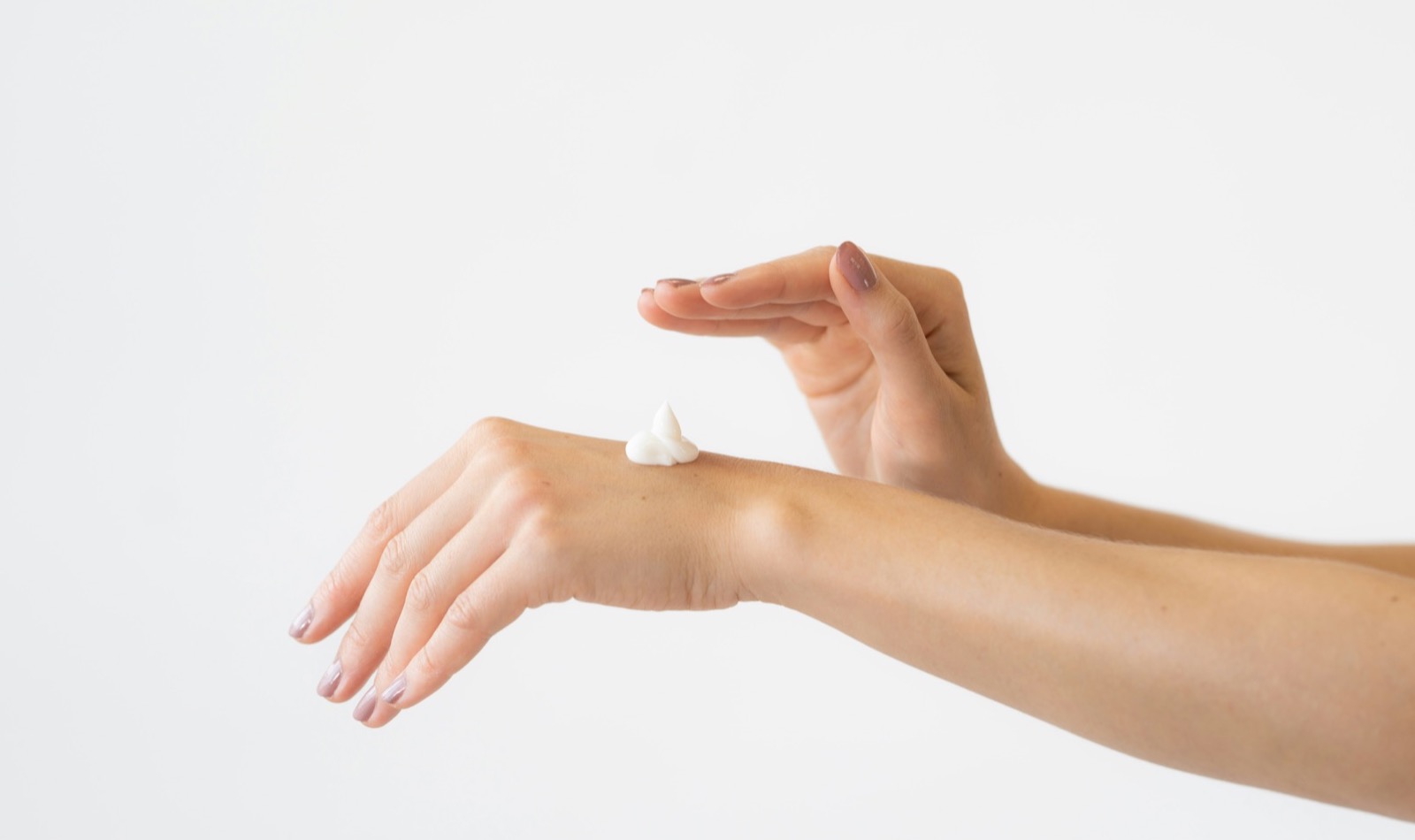
Quick answer: A lightweight Japanese gel cream for summer relies on a high water-phase hydrogel network that releases cooling humectants upon contact while sealing hydration with an ultra-thin, breathable veil. Look for oil-free or low-lipid formulas featuring multi-molecular hyaluronic acid, dipotassium glycyrrhizate to soothe sun-flushed redness, and biomimetic squalane. To prevent stickiness and makeup slippage, press a nickel-sized amount into damp skin using flat palms, allowing 60 seconds to set before applying SPF.
Why Summer Skin Still Demands Daily Moisturizer
It is a common misconception that summer's humid air removes the need for daily moisturizer. In reality, warm weather alters skin physiology in ways that make hydration even more critical.
During summer, elevated temperatures stimulate sebaceous glands to secrete higher volumes of sebum, while sweat glands work continuously to regulate body temperature. When you wipe away sweat or cleanse your face frequently to remove midday shine, you inadvertently strip away essential intercellular lipids.
Compounding this loss, indoor air conditioning acts as a dehumidifier, drawing water vapor directly out of the stratum corneum. If you skip moisturizer, your barrier loses moisture through trans-epidermal water loss. In response, your skin attempts to compensate by pumping out even more sebum, trapping you in a cycle of surface greasiness accompanied by underlying tightness.
Dermatologists caution against skipping hydration simply because skin feels oily in warm weather. According to clinical guidance from the American Academy of Dermatology, DO apply moisturizer after cleansing. Although you have oily skin, it is still important to apply moisturizer to keep your skin hydrated[1]. The goal during summer is not to starve the skin of moisture, but to transition from rich winter creams to a fast-absorbing, water-based gel cream.
The Science of Japanese Gel Cream Formulations
Japanese cosmetic houses have perfected summer gel creams by mastering polymer micro-emulsion technology.

Traditional barrier creams rely on water-in-oil (W/O) bases that form dense, occlusive layers of petroleum jelly, microcrystalline wax, or heavy plant butters. While beneficial in freezing winter climates, these heavy lipids trap heat and sweat during summer, often leading to prickling heat sensations, clogged pores, and rapid makeup sliding.
In contrast, a Japanese summer gel cream utilizes an oil-in-water (O/W) or water-gel architecture:
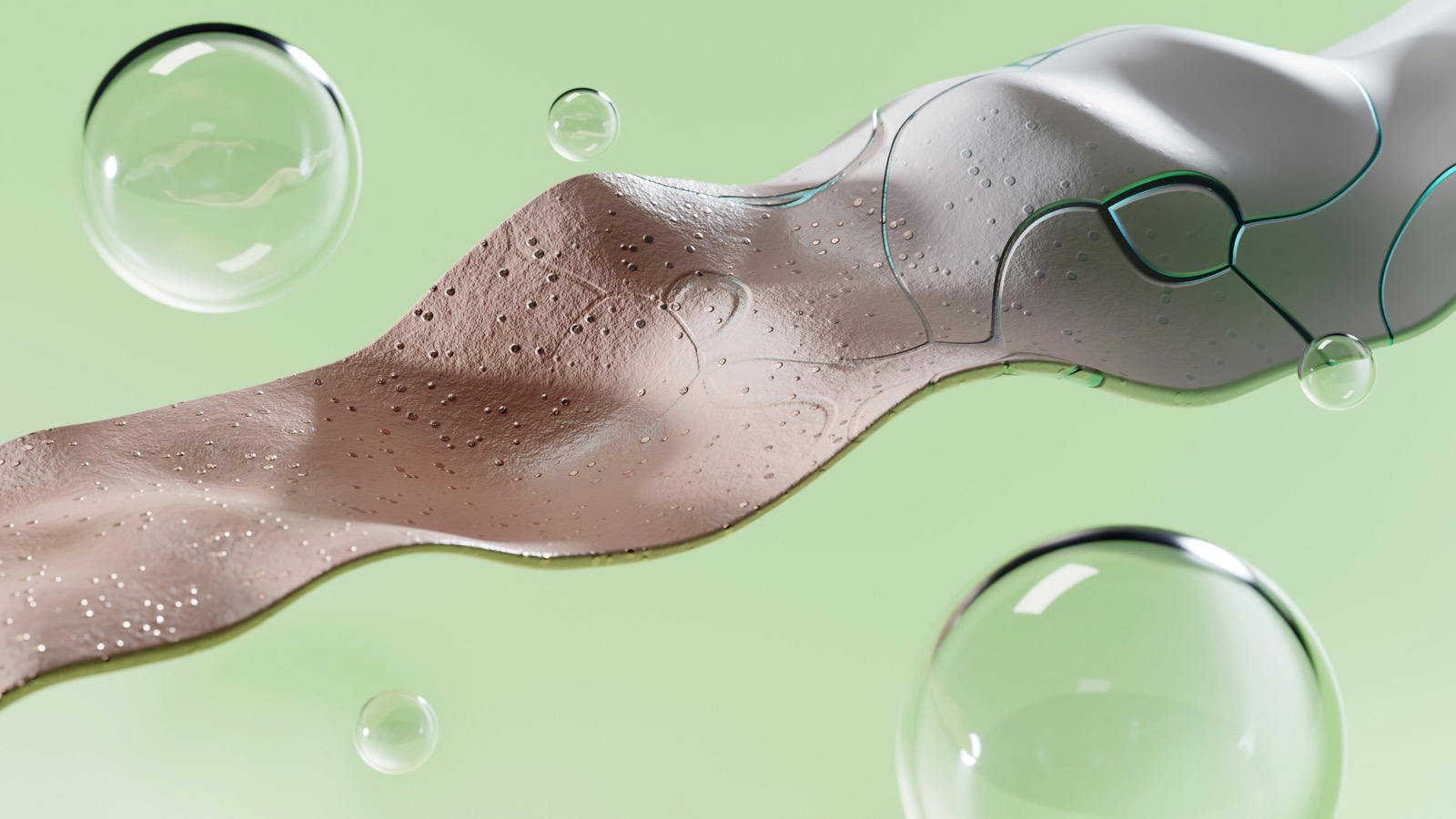
- Polymer Hydrogel Grid: Water-soluble polymers (such as carbomers and acrylates crosspolymers) suspend microscopic moisture droplets.
- Phase Breakdown on Contact: When smoothed onto warm skin, the polymer structure collapses cleanly, delivering an immediate splash of cooling hydration without any alcohol-induced stinging.
- Breathable Moisture Veil: As the initial water absorbs, the lightweight emollients settle into an ultra-sheer, flexible network. This breathable veil curbs trans-epidermal water loss without suffocating sweat ducts.
Summer-Essential Actives in Japanese Gel Creams:
- Dipotassium Glycyrrhizate (Kanzou Ekisu): A licorice-derived botanical active certified under the Japanese quasi-drug framework to calm micro-inflammation and redness caused by intense UV exposure.
- Multi-Molecular Hyaluronic Acid: Formulated with varying molecular weights to quench surface dryness while maintaining deep hydration throughout air-conditioned days.
- Squalane: A lightweight, non-pore-clogging lipid mirroring human sebum that provides softness without adding greasy weight.
- Fermented Rice or Soy Extracts: Natural humectants rich in amino acids that fortify epidermal moisture levels and maintain elasticity.
Gel Cream vs Traditional Creams: Summer Comparison
Choosing the right moisturizer requires evaluating how different product categories perform in high humidity and air conditioning.

Scroll horizontally to view full table
| Comparison Factor | Lightweight Japanese Gel Cream | Traditional Rich Barrier Cream |
|---|---|---|
| Formulation Base | Water-gel / oil-in-water polymer hydrogel | Water-in-oil emulsion with dense lipid waxes |
| Texture & Feel | Translucent, cooling, weightless splash | Opaque, thick, rich, occlusive cushion |
| Pore Sensation in Humidity | Breathable; allows natural perspiration | Can trap sweat, causing prickling or congestion |
| Absorption Time | Under 45 seconds to a smooth finish | 3 to 5 minutes with a lingering emollient film |
| Performance Under Sunscreen | Creates a smooth, non-slippery priming base | May cause sunscreen or makeup to slide or pill |
| Ideal Match | Summer months, humid climates, oily/combination skin | Winter months, arid climates, severely dry skin |