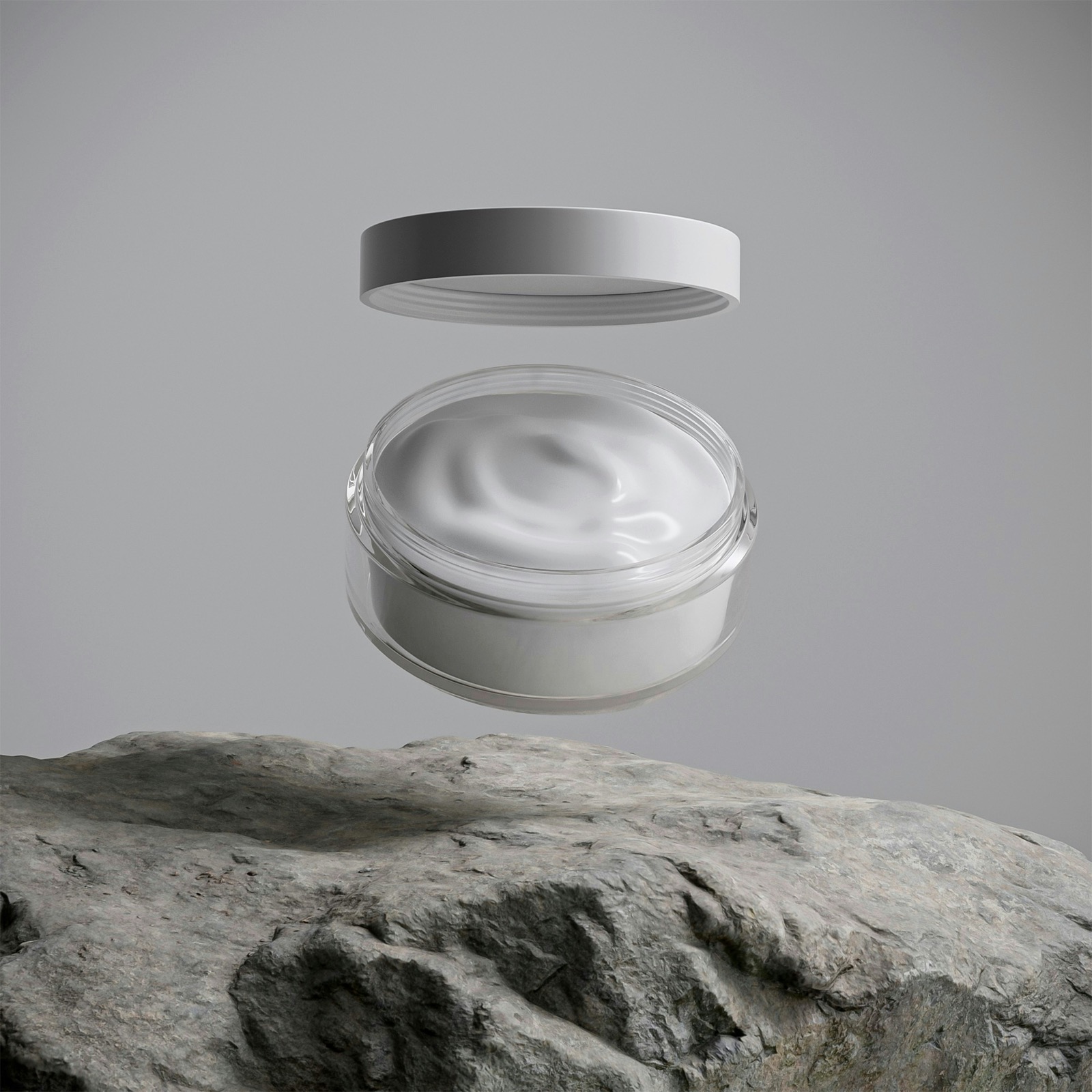
title: Allantoin & Panthenol in Japanese Skincare: Soothing Guide meta_description: Discover allantoin and panthenol in Japanese skincare. Learn quasi-drug barrier roles, provitamin B5 hydration, sensitive skin soothing, and daily use. category: ingredients published_at: 2026-11-14 updated_at: 2026-11-14 fact_checked_at: 2026-11-14 author: Miho Tanaka thumbnail: /images/stock/open-cream-jar-lid-floating-over-rock.jpg thumbnail_alt: Modern minimalist skincare cream jar symbolizing gentle barrier-soothing formulation affiliate: false ja_equivalent: null publish: false
Allantoin & Panthenol in Japanese Skincare: Soothing Guide
When skin becomes reactive, dry, or stressed by environmental friction, high-potency exfoliating acids and strong actives must take a backseat to restorative barrier care. In Japanese cosmetics, two ingredients consistently anchor sensitive-skin formulations: Allantoin and Panthenol (Provitamin B5).
While Western skincare often categorizes these compounds simply as basic moisturizers, Japanese regulatory standards and dermatological science assign them precise, sophisticated roles. In Japan, allantoin is recognized as an active agent in quasi-drugs for preventing roughness, while panthenol serves as a bio-available humectant that supports lipid synthesis. Understanding how Japanese cosmetic chemists combine these two soothing powerhouses helps you choose gentle, restorative routines that bring calm equilibrium to reactive skin.
Quick answer: How Allantoin and Panthenol Soothe Skin
- Allantoin in Quasi-Drugs: In Japan, allantoin is an officially approved quasi-drug active ingredient (yuko seibun) legally permitted to claim the prevention of skin roughness (hadare) and chapping.
- Panthenol's Vitamin Power: Panthenol converts to pantothenic acid (vitamin B5) within surface skin cells, functioning as an essential building block for cellular lipid synthesis and elasticity.
- The Calm & Hydrate Synergy: Allantoin softens rough surface flakes and buffers micro-irritation, while panthenol draws deep moisture into the stratum corneum and cushions barrier recovery.
- Ideal for Sensitive Skin: Both ingredients are non-greasy, water-soluble, and free from common sensitizing triggers, making them staples for over-exfoliated or seasonally reactive complexions.
Allantoin in Japanese Quasi-Drugs: The Anti-Roughness Champion
Allantoin is a nitrogenous organic compound historically isolated from the comfrey plant (Symphytum officinale), though modern cosmetics utilize identical, high-purity synthesized forms to help ensure safety and batch consistency.

Official Quasi-Drug Status in Japan
In the Japanese cosmetics regulatory landscape, products belong to three categories: general cosmetics (keshohin), quasi-drugs (iyaku-bukai-hin), and pharmaceuticals (iyakuhin).
Japan's Ministry of Health, Labour and Welfare (MHLW) approves allantoin as a designated active ingredient in quasi-drugs. When formulated within approved therapeutic concentration ranges (typically 0.1 to 0.5 percent), products can officially state that they "prevent skin roughness, heat rash, and chapping."
Shiseido corporate research documentation highlights rigorous dermatological validation standards for approved quasi-drug actives, demonstrating clinical efficacy in maintaining barrier equilibrium against everyday environmental friction.[1]
Gentle Keratolytic and Desquamation Support
Unlike harsh chemical exfoliants that aggressively break down lipid bonds, allantoin possesses mild physiological keratolytic properties. It increases the water content of the extracellular matrix, gently loosening the adhesive bonds between dead corneocytes.
This enables rough, flaky surface scales to shed smoothly without disrupting the underlying stratum corneum barrier, leaving the skin feeling remarkably soft and even.
Panthenol (Provitamin B5): Deep Hydration and Barrier Support
Panthenol is the stable alcohol analog of pantothenic acid, commonly known as Provitamin B5. Because pure pantothenic acid is unstable in aqueous cosmetic formulas, formulators utilize D-panthenol (dexpanthenol), which easily integrates into watery lotions, serums, and emulsions.
Enzymatic Conversion into Coenzyme A
Once applied topically, panthenol readily converts into pantothenic acid within epidermal tissue. Pantothenic acid is an indispensable component of Coenzyme A (CoA), a vital cellular cofactor required for the biochemical synthesis of epidermal lipids, including fatty acids, cholesterol, and sphingolipids.
By supporting native lipid production, panthenol actively reinforces the intercellular "mortar" of the stratum corneum, helping seal in moisture and shield skin from external irritants.
Sustained Hygroscopic Moisture Retention
Panthenol functions as a powerful humectant, drawing ambient water into the stratum corneum. Unlike simple sugars or light glycols, panthenol exhibits a viscous, cushion-like emollience that leaves a flexible, non-greasy moisture veil on the skin.
Kao Corporation dermatological research shows that infusing the stratum corneum with biocompatible humectants and lipid-supporting vitamins reduces water loss and stabilizes delicate barrier structures.[2]
The Synergy: Why Japanese Formulators Pair Allantoin with Panthenol
In Japanese cosmetic design, formulators rarely rely on a single isolated active when formulating for sensitive skin. Instead, they engineer synergistic ingredient matrices where complementary compounds address different facets of irritation.
The "Calm and Hydrate" Matrix
Allantoin and panthenol operate through distinctly complementary mechanisms:
- Surface Smoothing (Allantoin): Allantoin calms acute micro-irritation, buffers external friction, and smooths away dry, jagged surface flakes.
- Deep Moisture Infusion (Panthenol): Panthenol draws water into dried-out corneocytes and supplies the enzymatic fuel needed for barrier lipid production.
When combined, these two ingredients create an immediate sense of relief on sensitized skin, reducing the sensation of tightness without relying on heavy waxes or occlusive greasiness that could congest pores.
Comparison Table: Soothing Actives in Japanese Skincare
Japanese brands often formulate with several soothing ingredients. The table below compares how allantoin and panthenol stack up against other common calming agents in J-Beauty:
Scroll horizontally to view full table
| Soothing Ingredient | Primary Chemical Category | Japanese Regulatory Classification | Primary Action Mechanism | Finished Skin Feel |
|---|---|---|---|---|
| Allantoin | Ureide / nitrogenous organic compound | Approved Quasi-Drug Active | Gentle desquamation, surface smoothing, anti-roughness | Weightless, silky, non-sticky |
| Panthenol (Provitamin B5) | B-complex provitamin alcohol | Cosmetic Ingredient / Quasi-Drug additive | Humectant hydration, Coenzyme A support, barrier elasticity | Plush, cushiony, slight dewy slip |
| Dipotassium Glycyrrhizate | Licorice root triterpenoid salt | Approved Quasi-Drug Active | Reduces visible redness, calms inflammatory cascades | Water-light, refreshing, clean dry-down |
| Centella Asiatica (Cica) | Botanical triterpene extract | General Cosmetic Extract | Antioxidant support, general soothing, moisture retention | Light botanical hydration |