Collagen and Skin Elasticity: What the Science Says
IngredientsBy Miho Tanaka
title: Collagen and Skin Elasticity: What the Science Says
meta_description: Explore what science says about collagen and skin elasticity. Compare oral peptides vs topical collagen, Japanese research, and realistic skin benefits.
category: ingredients
published_at: 2026-11-14
updated_at: 2026-11-14
fact_checked_at: 2026-11-14
author: Miho Tanaka
thumbnail: /images/stock/amber-supplement-capsules-macro.jpg
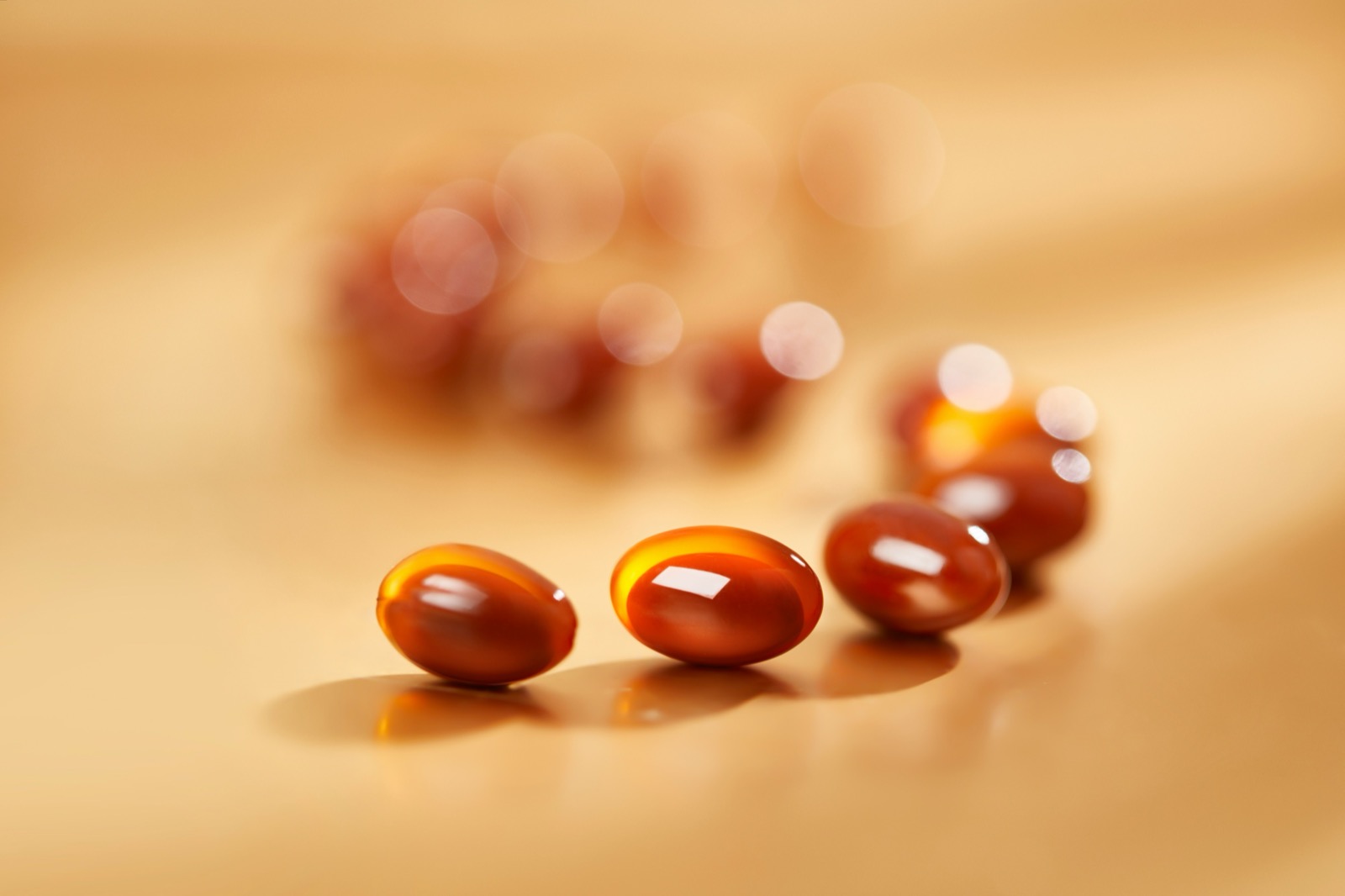
thumbnail_alt: Macro photograph of amber and golden nutritional supplement capsules representing collagen science
affiliate: false
ja_equivalent: null
publish: false
Collagen and Skin Elasticity: What the Science Says
Few ingredients in the beauty and wellness industries generate as much enthusiasm—and scientific skepticism—as collagen. Marketed in everything from luxury face creams and sheet masks to fruit-flavored powders and daily wellness drinks, collagen is frequently promoted as a fountain of youthful skin elasticity.
Yet behind the marketing claims, dermatologists, biochemists, and regulatory authorities approach collagen through a more measured lens: does smearing collagen onto your face stimulate dermal elasticity, or does it merely function as a surface humectant? And when consumed orally, do collagen drinks survive gastric digestion to reach the dermis, or are they simply broken down into ordinary dietary amino acids?
In Japan, where ingestible beauty (nutricosmetics) originated in the early 1990s, clinical research into collagen bio-peptides is among the most advanced in the world. Disentangling the physiological reality of topical versus oral collagen clarifies what contemporary science genuinely supports.
Quick answer: Collagen and Skin Elasticity Facts
Topical Reality: Native collagen molecules are massive (~300,000 Daltons). The stratum corneum barrier blocks molecules larger than 500 Daltons. Topical collagen cannot cross into the dermis; it functions strictly as an exceptional surface water-binding humectant.
Oral Peptide Mechanism: When enzymatically hydrolyzed into low-molecular-weight dipeptides (specifically Pro-Hyp and Hyp-Gly), oral collagen survives digestion, enters bloodstream circulation, and acts as a biological signaling trigger for dermal fibroblasts.
Japanese Clinical Research: Japanese cosmetic and nutraceutical corporations invest heavily in clinical trials exploring how bioactive collagen peptides influence dermal fibroblast activity.[1]
Realistic Expectations: Double-blind, placebo-controlled trials demonstrate modest, statistically significant improvements in skin hydration and net elasticity after 8 to 12 weeks of daily intake (2.5g to 5.0g); it does not reverse deep structural creases or replace clinical procedures.
The Molecular Dilemma: Topical vs Oral Collagen
To understand why topical and ingestible collagen behave so differently, one must look at structural protein molecular weights:
Scroll horizontally to view full table
Parameter
Topical Native Collagen
Topical Hydrolyzed Collagen
Oral Collagen Bio-Peptides
Molecular Weight
~300,000 Daltons (Triple Helix)
~1,000 to 5,000 Daltons
~300 to 1,500 Daltons (Dipeptides / Tripeptides)
Site of Action
Stratum Corneum surface
Upper stratum corneum grooves
Systemic bloodstream to dermal fibroblasts
Biological Function
Forms a breathable moisture-holding veil; reduces water evaporation
Signals fibroblast receptors; stimulates endogenous collagen and hyaluronic acid synthesis
Impact on Elasticity
Temporary visual plumping from surface hydration
Temporary superficial smoothing
Measurable improvement in net dermal elasticity (*R2/R7* cutometer scores)
How Oral Hydrolyzed Collagen Peptides Actually Work
For years, classical physiology posited that all ingested proteins are broken down uniformly into individual free amino acids in the stomach and small intestine, rendering collagen supplements no more beneficial than eggs or tofu.
In the mid-2000s, Japanese researchers disproved this assumption by demonstrating that specialized enzymatic hydrolysis creates unique dipeptides and tripeptides that resist gastrointestinal peptidases:
The Pro-Hyp and Hyp-Gly Signaling Cascade
When you consume hydrolyzed marine or bovine collagen peptides, a significant proportion of Prolyl-hydroxyproline (Pro-Hyp) and Hydroxyprolyl-glycine (Hyp-Gly) passes intact through the intestinal wall into the bloodstream via peptide transporter 1 (PEPT1).
Chemotactic Attraction: Circulating Pro-Hyp reaches the dermal extracellular matrix and binds to specific surface receptors on quiescent dermal fibroblasts.
Fibroblast Activation: This binding tricks the body into believing that extensive collagen degradation has occurred (as hydroxyproline is unique almost exclusively to collagen).
Endogenous Synthesis: In response, fibroblasts upregulate the expression of genes responsible for synthesizing fresh type I collagen, elastin, and hyaluronic acid.
Rather than acting as raw building bricks that are physically pasted into the dermis, bio-peptides act as informational messenger keys that stimulate the skin's cellular machinery.
Japanese Regulatory Standards: Foods with Function Claims
Japan maintains one of the world's most sophisticated regulatory frameworks for nutricosmetics. Under the Consumer Affairs Agency's Foods with Function Claims (Kinosei Hyoji Shokuhin) system, manufacturers can make specific structural skin claims on food labels only when backed by published clinical trials:
Approved Function Claims: Formulations containing verified doses of collagen peptides (typically 1,000 mg to 5,000 mg per serving) may legally state: "This product contains collagen peptides, which have been reported to support skin moisture and help maintain skin firmness."
Strict Prohibition of Curative Language: Japanese regulations strictly forbid claims implying that collagen can reverse chronological aging, resolve medical skin conditions, or eradicate static wrinkles. All statements must remain grounded in physiological maintenance and hydration support.
What the Clinical Trials Show: Realistic Results
Systematic reviews and meta-analyses of randomized, double-blind, placebo-controlled human trials provide a clear picture of what collagen supplementation can and cannot achieve:
Hydration & Trans-Epidermal Water Loss (TEWL): After 8 to 12 weeks of daily intake, participants typically show a 15% to 28% increase in stratum corneum hydration and a measurable reduction in moisture evaporation.
Dermal Elasticity: Measurements using suction cutometers show statistically significant improvements in skin elasticity (Ur/Uf ratios), particularly in women aged 35 to 65.
Superficial Wrinkle Depth: Optical 3D skin profilometry shows slight reductions in fine lines caused by epidermal dryness.
The Ceiling Effect: Collagen supplements cannot reverse sagging caused by deep fat-pad atrophy, bone resorption, or advanced solar elastosis.
The True Hero of Collagen Preservation: Daily Photoprotection
While taking collagen peptides or applying collagen-infused lotions provides valuable support, scientists emphasize that preventing collagen loss in the first place is exponentially more effective than attempting to rebuild it.
Ultraviolet radiation (specifically UVA photons) reaches deep into the reticular dermis, generating reactive oxygen species that activate matrix metalloproteinase-1 (collagenase). A single afternoon of unprotected sun exposure can degrade months of dermal extracellular matrix assembly. Daily broad-spectrum photoprotection is essential, as ultraviolet radiation directly accelerates photoaging and increases skin cancer risk.[3]
Signs to Stop and When to See a Doctor
While collagen peptides have a high safety profile, sensible precautions are necessary:
Source Allergens: Marine collagen is derived from fish skin or scales, while bovine and porcine collagens come from livestock. Individuals with diagnosed seafood, fish, or specific meat allergies must carefully verify raw ingredient origins on the packaging.
Digestive Upset: High doses of oral peptides (exceeding 10 grams daily) can occasionally cause mild bloating, gastric fullness, or loose stools. If digestive discomfort emerges, reduce the dose.
Topical Contact Sensitivities: If applying a topical collagen cream produces localized redness, itching, or contact dermatitis, pause usage and check the formula for common preservatives or fragrances.
Clinical Skin Changes: When skin experiences sudden loss of elasticity accompanied by systemic joint stiffness, or if unexplained rashes emerge, board-certified dermatologists emphasize consulting a specialist when unexplained rash or irritation emerges.[2]
FAQ
Q1. Does drinking collagen work better than applying collagen creams?
A. Yes, oral peptides reach dermal fibroblasts, while topical creams only hydrate the surface. (Click to expand)
Because intact collagen molecules cannot cross the skin's outer 500-Dalton stratum corneum barrier, topical creams act primarily as humectants. Ingested hydrolyzed peptides, however, enter systemic circulation and act as signaling triggers that stimulate dermal fibroblasts to produce endogenous collagen.
Q2. How long does it take to see visible results from collagen supplements?
A. Most clinical studies report measurable elasticity improvements after 8 to 12 weeks. (Click to expand)
Skin hydration often improves within 4 to 6 weeks, while structural improvements in net dermal elasticity and fine texture typically require 8 to 12 weeks of continuous daily consumption (typically 2.5 to 5 grams per day).
Q3. Does vitamin C need to be taken alongside collagen?
A. Yes, vitamin C is a required enzymatic cofactor for collagen synthesis. (Click to expand)
Fibroblasts require ascorbic acid (vitamin C) as a cofactor for the enzymes prolyl hydroxylase and lysyl hydroxylase, which stabilize the collagen triple helix. Most high-quality Japanese collagen formulations include vitamin C to ensure biological efficiency.
Q4. Are marine collagen peptides superior to bovine collagen?
A. Marine collagen typically has smaller molecular weights, but both are effective. (Click to expand)
Marine collagen (from fish scales or skin) is predominantly type I collagen and often features lower average molecular weights that absorb slightly faster. However, rigorous clinical trials demonstrate that well-hydrolyzed bovine and porcine peptides also produce significant improvements in skin elasticity.
Q5. Can collagen supplements replace sunscreen or anti-aging serums?
A. No, collagen supplements complement but cannot replace topical photoprotection. (Click to expand)
No dietary supplement can prevent ultraviolet rays from reaching the dermis and breaking down collagen fibers. Daily broad-spectrum sunscreen, gentle cleansing, and topical barrier care remain the foundational requirements for preserving skin healthspan.
Summary & Key Takeaways
The science behind collagen confirms that nuanced understanding matters far more than marketing hype. While topical collagen cannot absorb into the deep dermis to replace lost structural fibers, it provides exceptional surface humectant hydration. Conversely, oral hydrolyzed collagen peptides provide bioactive dipeptide signals that measurably support dermal elasticity and moisture from within over 8 to 12 weeks. When combined with rigorous daily sun protection to prevent collagen breakdown, this dual nutritional-topical approach delivers an evidence-based foundation for enduring skin elasticity.
American Academy of Dermatology Association (AAD). Dermatologist-approved skincare guidance. Available at: https://www.aad.org/
Skin Cancer Foundation. Daily Sun Protection & Prevention Guidelines. Available at: https://www.skincancer.org/
Disclaimer: This article is for general information and education about Japanese cosmetics and their labels. It is not a substitute for professional medical advice, diagnosis, or treatment. Skincare results vary from person to person. Product formulas, availability, prices, and regulations change, and products sold in Japan can differ from versions sold elsewhere, so always check the current label. Do a patch test before introducing a new product, and consult a doctor or dermatologist if you have a skin condition or specific concerns.