Japanese Azelaic Acid Alternatives for Pore Care and Facial Redness
IngredientsBy Editorial Team
slug: japanese-azelaic-acid-alternative-pore-redness
title: Japanese Azelaic Acid Alternatives for Pore Care and Facial Redness
meta_description: Discover Japanese azelaic acid and PAD derivatives for pore and redness care. Learn gentle sebaceous balancing, skin conditioning, and routine tips.
category: ingredients
tags: [Japanese Skincare, Azelaic Acid, PAD, Pore Care, Facial Redness, J-Beauty Actives]
author: Editorial Team
published_at: 2026-11-22
updated_at: 2026-11-22
reading_time: 6
publish: true
Japanese Azelaic Acid Alternatives for Pore Care and Facial Redness
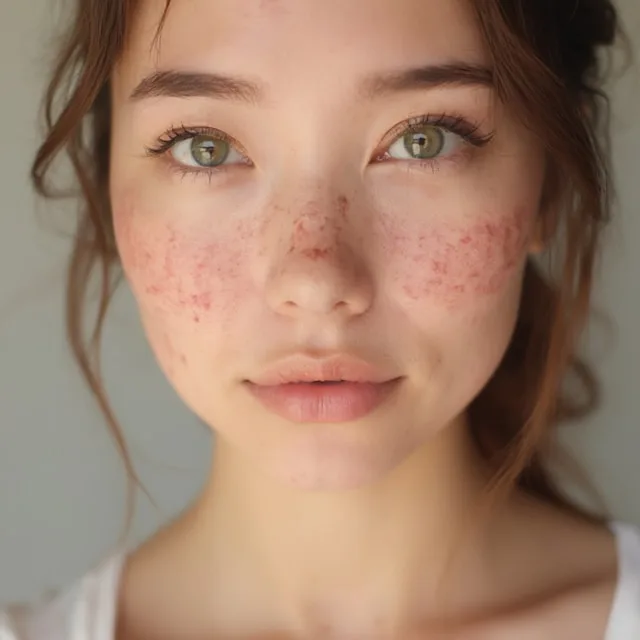
For individuals coping with persistent T-zone shine, congested pores, and stubborn facial redness, traditional Western exfoliating acids can sometimes feel too aggressive. Pure azelaic acid at prescription concentrations (15% to 20%) is globally recognized for clarifying blemish-prone complexions, yet it frequently produces initial tingling, flaking, or a grainy cosmetic finish. In Japan, cosmetic formulators have championed a gentler philosophy: pairing pure micro-azelaic acid with water-soluble derivatives like PAD (Potassium Azeloyl Diglycinate) to refine pores and soothe visible irritation without barrier distress.
Quick answer: Why choose Japanese azelaic acid alternatives?
Japanese azelaic skincare emphasizes non-abrasive daily conditioning rather than aggressive peeling. By utilizing water-soluble derivatives like Potassium Azeloyl Diglycinate alongside soothing botanicals (such as Cica and dipotassium glycyrrhizate), these formulations deliver sebaceous regulation and pore-refining benefits in ultra-lightweight watery lotions, gentle emulsions, and daily sheet masks. They calm the appearance of flushed redness, balance excess sebum, and smooth rough epidermal texture while keeping moisture barriers intact.
Pure azelaic acid vs Potassium Azeloyl Diglycinate (PAD)
To choose the right product for your skin concerns, it is essential to understand the difference between pure azelaic acid and its modern derivative.
Pure azelaic acid is a dicarboxylic acid that exhibits low water solubility and requires emulsion bases that can sometimes pill under makeup. In contrast, Japanese chemists frequently embrace Potassium Azeloyl Diglycinate (PAD)—a cosmetic ingredient formed by reacting azelaic acid with the hydrating amino acid glycine and potassium.
Balances excess sebum production via glycine synergy
Redness & Sensitivity
Can induce initial itching or tingling sensations
Extremely soothing; well-tolerated by delicate barriers
Finish & Texture
Matte, occasionally chalky or prone to pilling
Weightless, hydrating, silky liquid finish
How Japanese formulations balance sebum and soothe redness
In the Japanese cosmetics ecosystem, azelaic formulations are engineered as holistic barrier balancers rather than isolated harsh actives.
For instance, Japanese skincare innovations formulate azelaic acid daily sheet masks designed to adjust dead skin cells and oil balance[1]. This method allows the active solution to bathe the stratum corneum evenly over several minutes, delivering lightweight hydration that helps control surface sebum while supporting the essential moisture barrier of the skin[1].
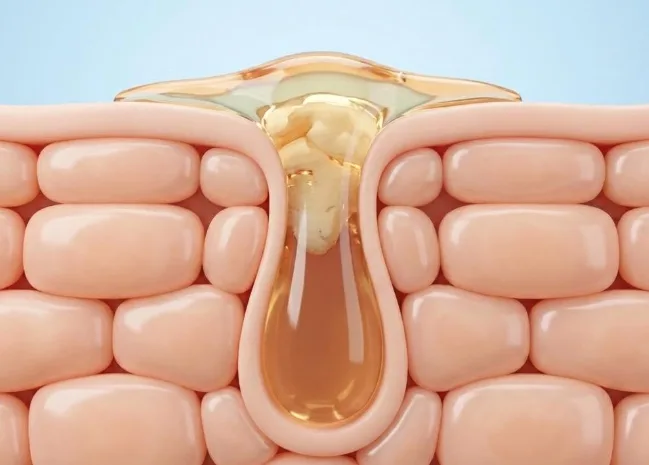
Furthermore, Japanese ingredient labeling highlights how azelaic acid helps condition the overall skin environment[1]. By regulating lipid oxidation within pores and dampening surface inflammation, these products help curb the cycle of redness that often accompanies oily or congested skin zones.
Structuring an azelaic routine for pore and redness care
Because Japanese azelaic products are formulated to be gentle, they integrate effortlessly into multi-step routines:
Purifying Cleanse: Wash with a mild, low-pH Japanese facial cleanser that removes surface sebum without stripping lipids.
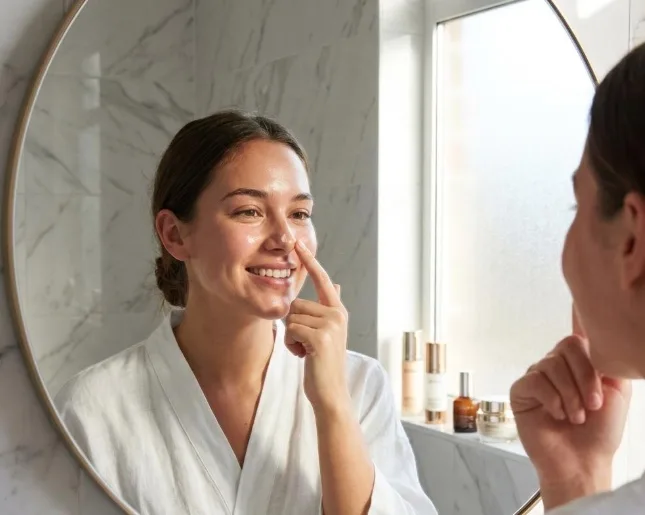
Azelaic Essence or Mask Application: Apply your water-soluble azelaic serum or unfold a daily sheet mask. Press the liquid into areas prone to redness and enlarged pores (such as the nose, cheeks, and forehead).
Moisture Balancing: Layer a lightweight Japanese milk (Nyueki) or gel cream containing ceramides to cushion the stratum corneum.
Daytime UV Protection: Ultraviolet rays exacerbate vascular dilation and facial flushing. Remember that diligent sun protection can help fade melasma and prevent it from returning[2], making morning sunscreen non-negotiable.
Signs to stop and when to see a doctor
While Japanese azelaic derivatives are formulated to minimize irritation, individual skin tolerances vary.
In clinical skincare, dermatologists may recommend gentle options including azelaic acid to help manage discoloration[2] and redness. However, discontinue use immediately if you develop:
Intense persistent burning, hot flushing, or stinging that lasts longer than 15 minutes
Visible contact hives or swollen papules across your cheeks or eye contours
Excessive skin flaking, peeling, or cracking that impairs your moisture barrier
If facial flushing is accompanied by ocular irritation (stinging in the eyes) or thickened skin changes around the nose, consult a board-certified dermatologist for comprehensive clinical evaluation.
FAQ
Q1. Can I use Japanese azelaic acid products every day?
A. Yes, Japanese formulations are designed for daily morning and evening use. (Details)
Unlike high-percentage Western suspensions that may cause peeling, Japanese azelaic lotions and PAD serums focus on barrier maintenance. They are gentle enough for twice-daily application under moisturizer and sunscreen.
Q2. Does azelaic acid purge the skin?
A. Mild follicular clearance can happen, but PAD minimizes purging. (Details)
Because pure azelaic acid normalizes cellular turnover within the pore lining, pre-existing micro-comedones may surface during the first two weeks. Derivatives like PAD, however, primarily balance surface oil and soothe redness, resulting in minimal to no purging.
Q3. Can azelaic acid be combined with niacinamide or hyaluronic acid?
A. Yes, they form an ideal combination for pore and tone care. (Details)
Niacinamide reinforces the lipid barrier and calms redness, while hyaluronic acid supplies essential hydration. Combining these ingredients with azelaic acid creates a synergistic defense against excess sebum and dullness.
Q4. How long does it take to see improvements in pore appearance?
A. Sebum balance improves within days; pore clarity emerges in 4 to 6 weeks. (Details)
Surface oil reduction and temporary calming of redness often appear within the first week. Structural pore refinement—as sebum plugs dissolve and elasticity returns—typically requires 4 to 6 weeks of consistent routine care.
Q5. Is azelaic acid safe during pregnancy?
A. Azelaic acid is widely regarded as a safe cosmetic alternative, but verify with your doctor. (Details)
Azelaic acid is frequently recommended by healthcare professionals as a gentle alternative to retinoids and high-strength salicylic acid during pregnancy. However, always review specific cosmetic ingredient labels with your personal physician.
Summary
Japanese azelaic acid alternatives and PAD derivatives offer a refined, irritation-free pathway to managing pore congestion and facial redness. By prioritizing water solubility, gentle delivery systems, and barrier-soothing botanicals, these J-Beauty formulations regulate sebum and promote even skin tone without the flaking or stinging of traditional harsh treatments. With consistent daily application and disciplined sun protection, they provide a balanced foundation for clear, calm, and luminous skin.
Disclaimer: This article is for general information and education about Japanese cosmetics and their labels. It is not a substitute for professional medical advice, diagnosis, or treatment. Skincare results vary from person to person. Product formulas, availability, prices, and regulations change, and products sold in Japan can differ from versions sold elsewhere, so always check the current label. Do a patch test before introducing a new product, and consult a doctor or dermatologist if you have a skin condition or specific concerns.